


The stock choices that sit behind a clean label
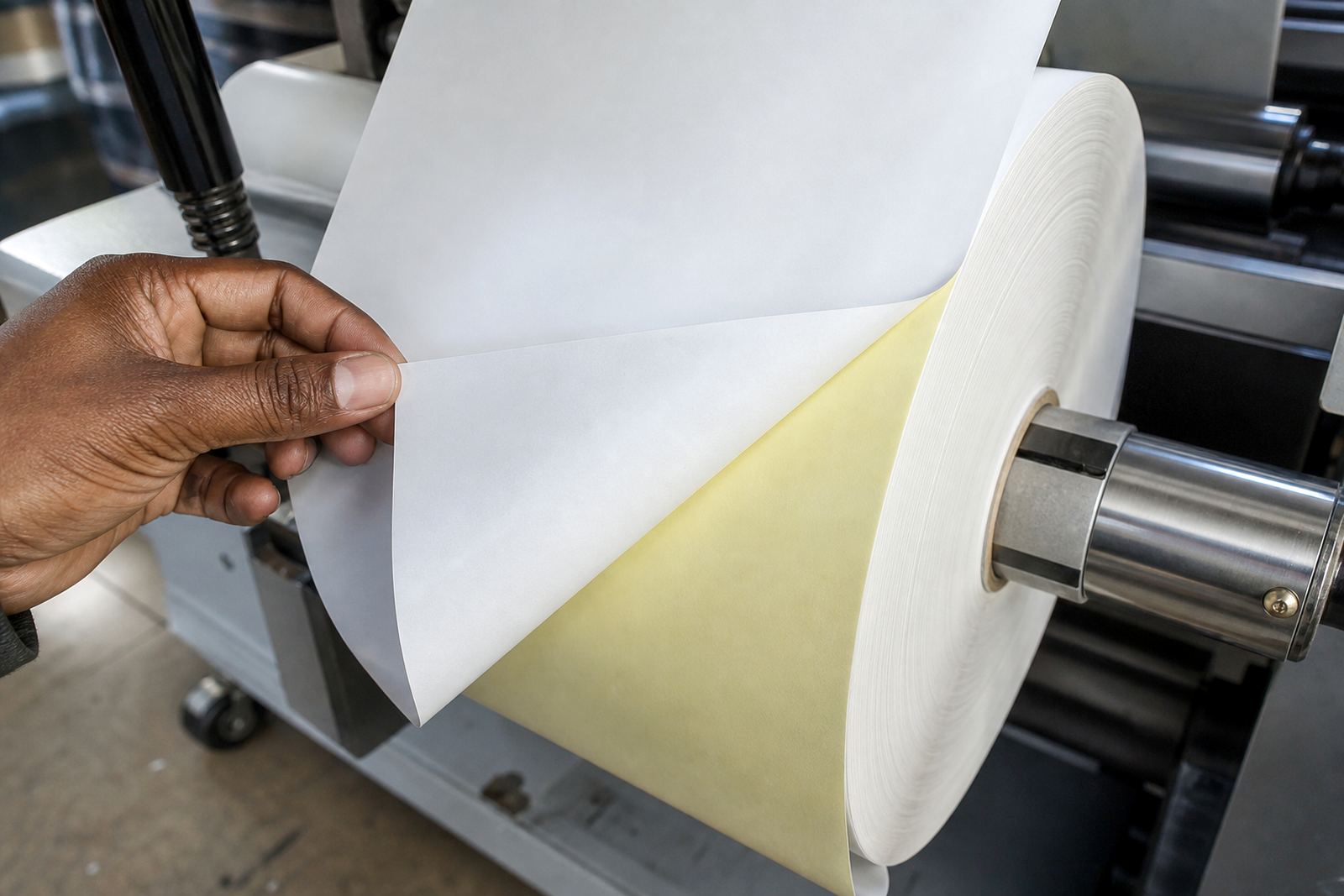
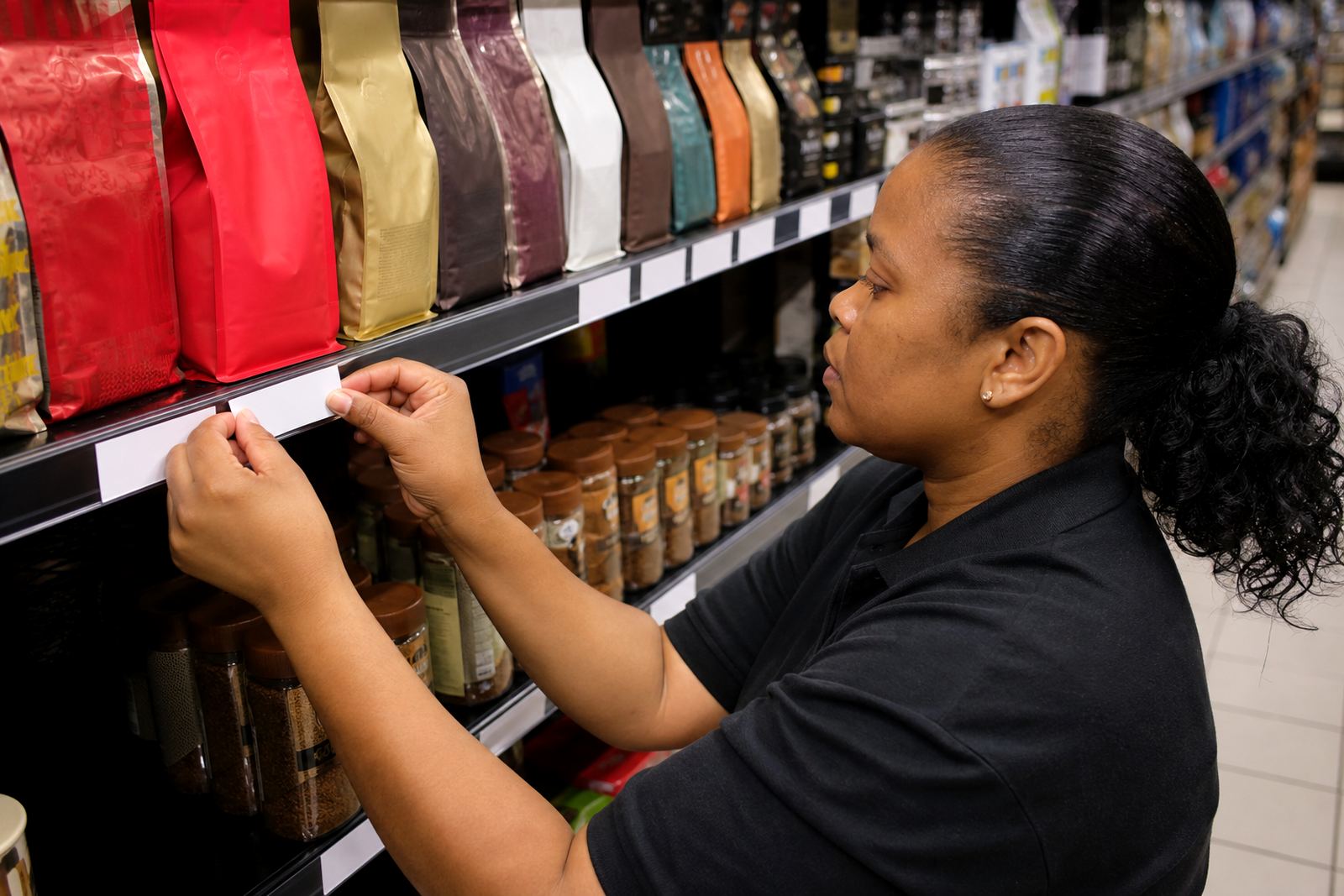
Label stock is never only about the print on the front. The face stock, adhesive and liner all play a part in how the label feeds, sticks and holds up in use. For packing lines in Westmead, shop shelves in Durban, or dispatch work heading out to Johannesburg, the right combination helps reduce lift, curling and printer stoppages.
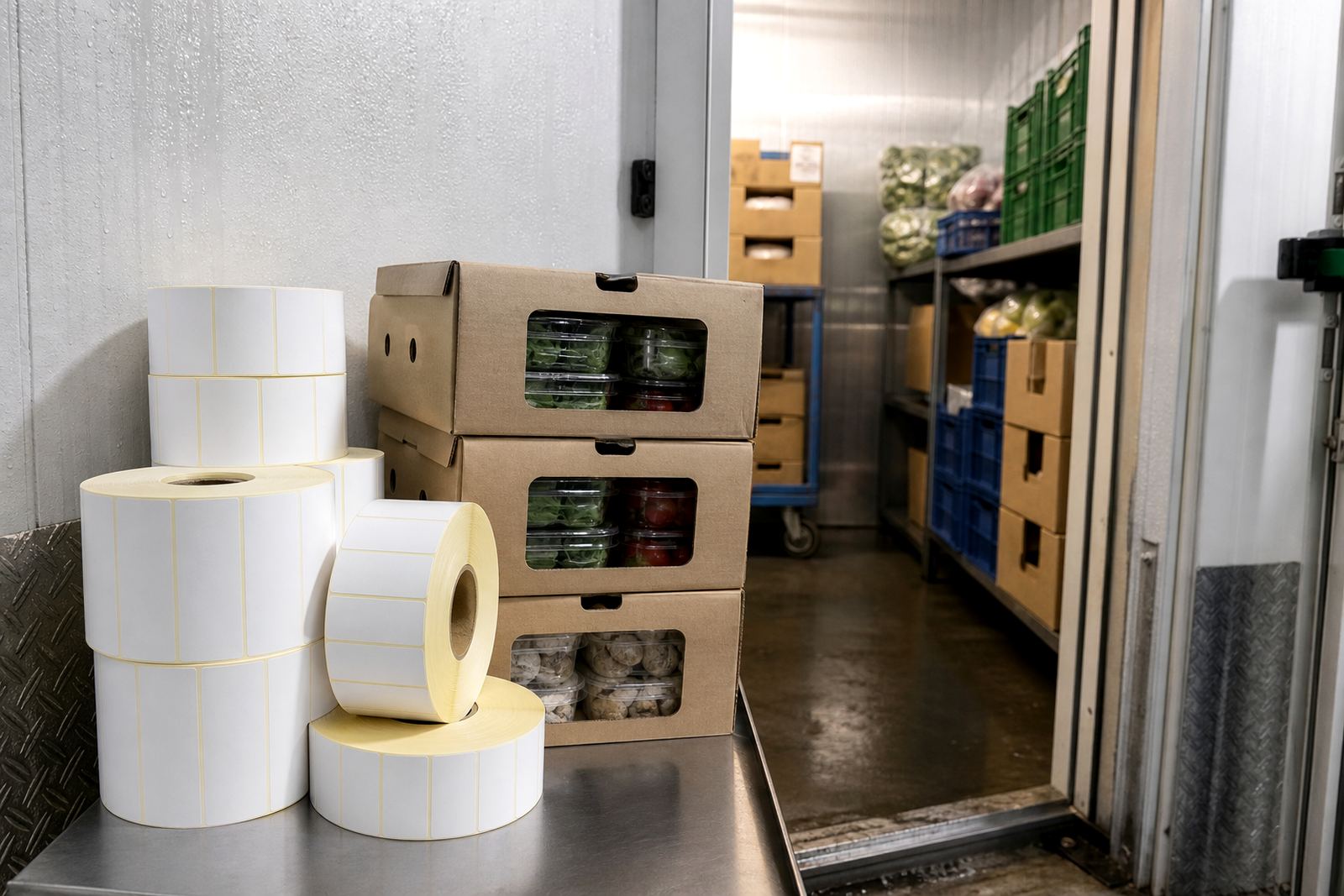
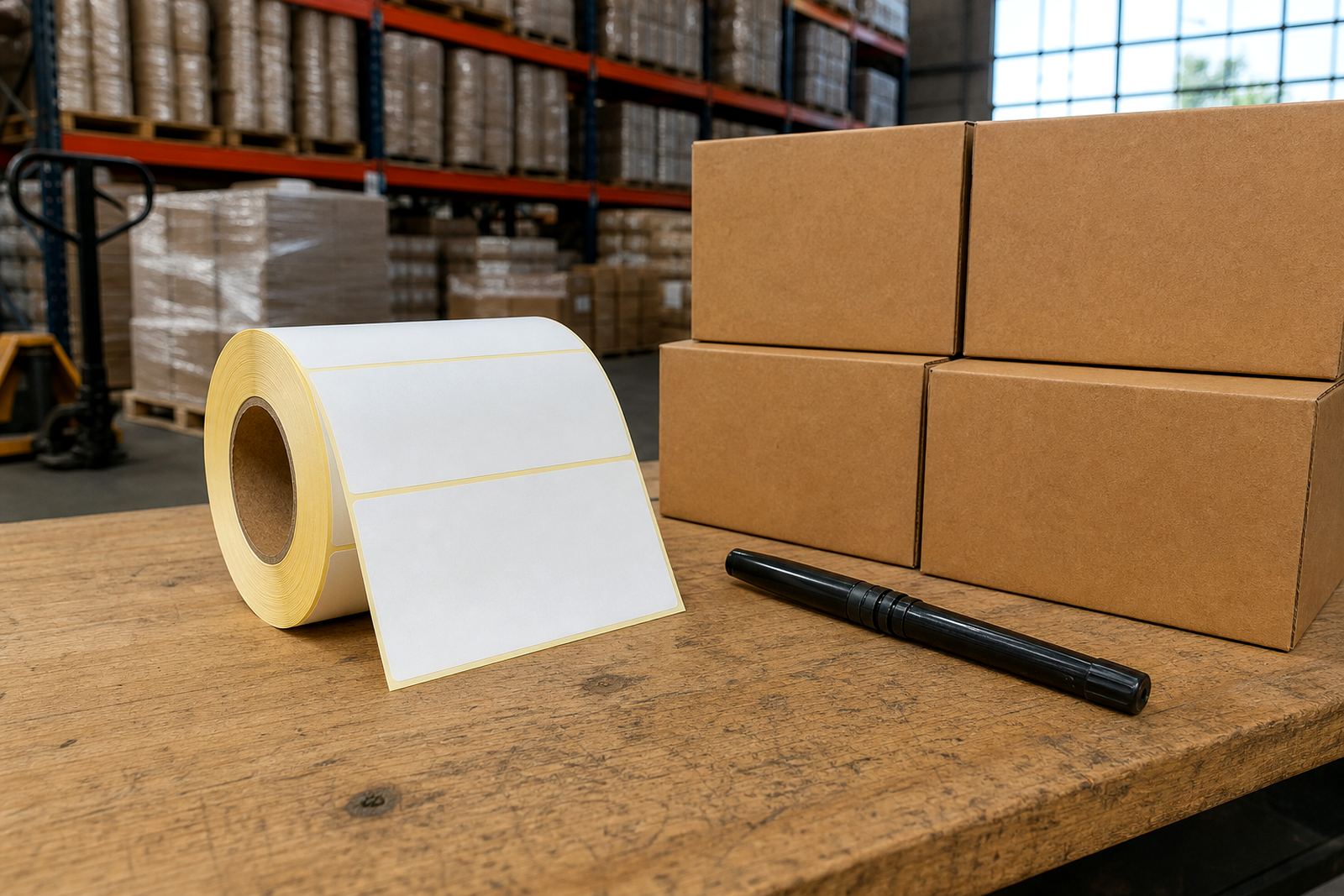
We supply self-adhesive label stock for packaging, retail and logistics work. That includes paper-based face stocks for general purpose labelling, and material choices suited to heavier handling, short term sealing or labels that need to cope with moisture, cold rooms or rougher transit. The best option depends on the surface, the temperature at application, and how long the label must stay in place.
- Paper face stocks for cartons, product labels and general warehouse use
- Thermal face stocks for direct print work where ribbon is not needed
- Coated and uncoated options for different print quality and finish levels
Adhesives that grip the right way first time
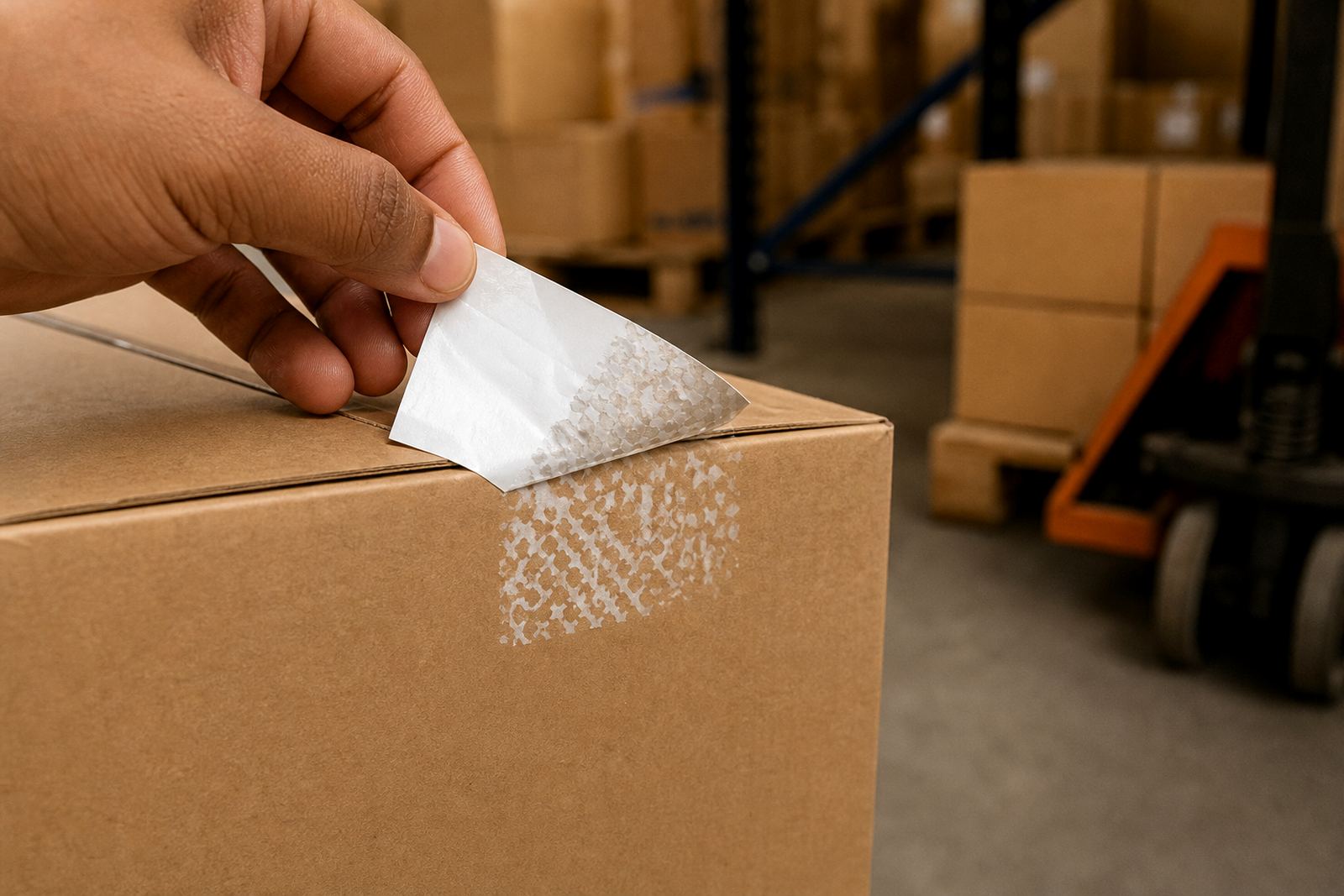
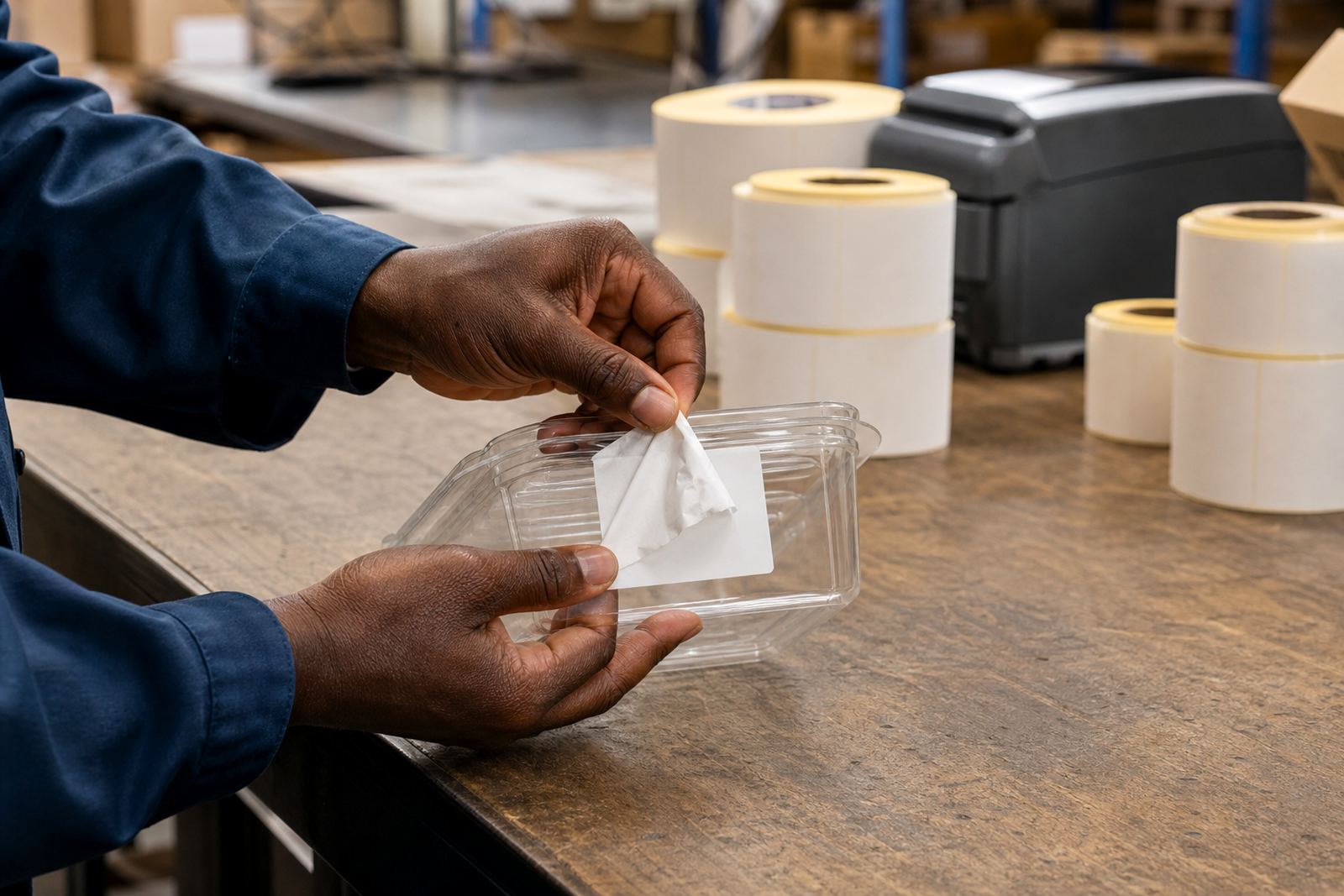
Adhesive selection matters as much as the label face. Some jobs need a permanent bond for shipping cartons and sealed packs. Others call for a removable or low tack option where the label must come off later without tearing the product surface. For chilled goods, dusty stock rooms or humid coastal conditions in places like Pinetown and Cape Town, adhesive matching can make the difference between a label that stays put and one that fails early.
We work with a few common adhesive behaviours rather than a one size fits all approach. That includes general purpose permanent adhesives, removable adhesives for temporary marking, and stronger options for packaging that sees handling, stacking and vibration. Surface texture, dust, oil and moisture all affect performance, so a smooth carton is not treated the same as a powder coated container or a soft plastic bag.
- Permanent adhesive for shipping and retail packing
- Removable adhesive for temporary identification and reuse
- Stronger bond options for textured or difficult surfaces
Liner and roll build that suits your machine
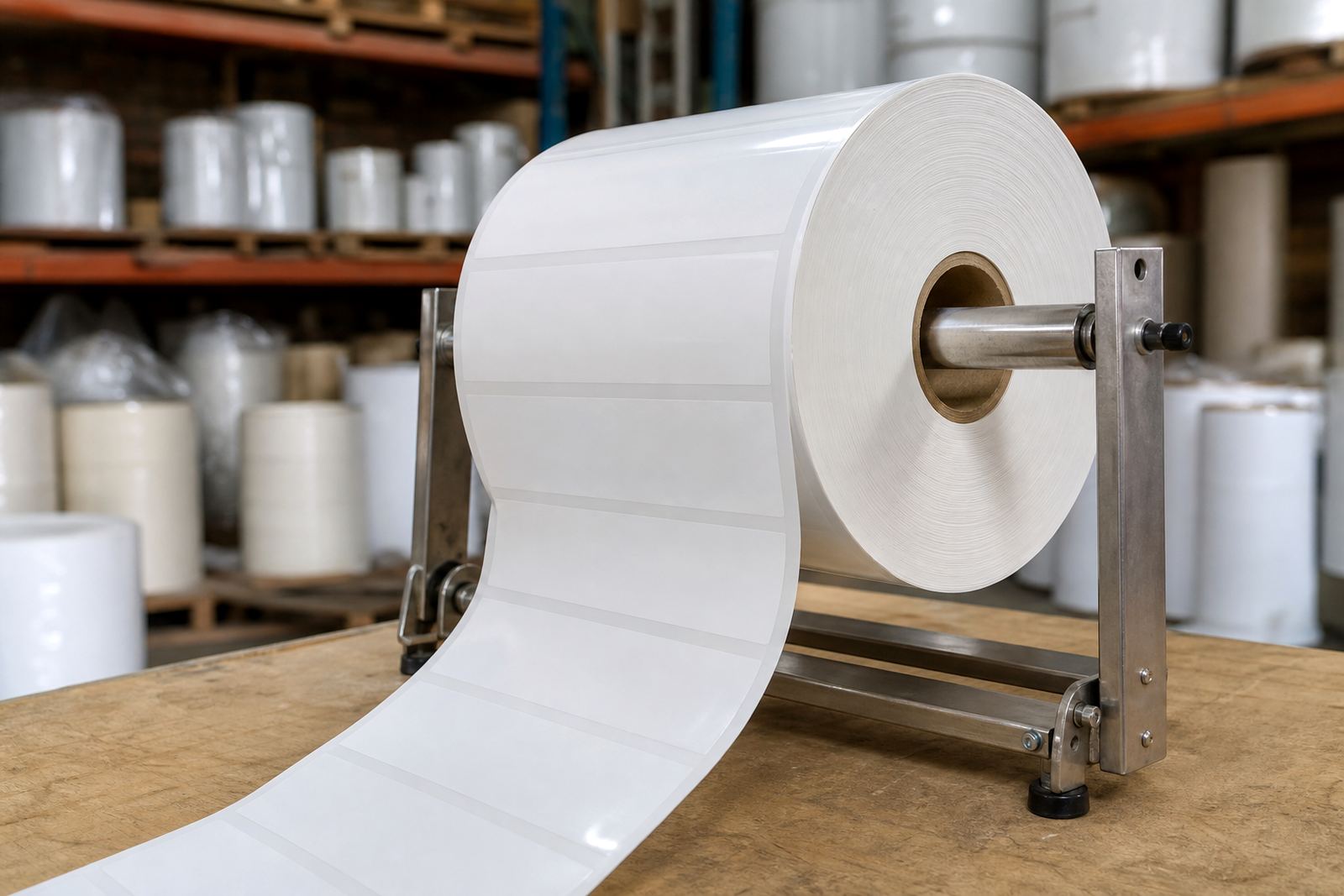
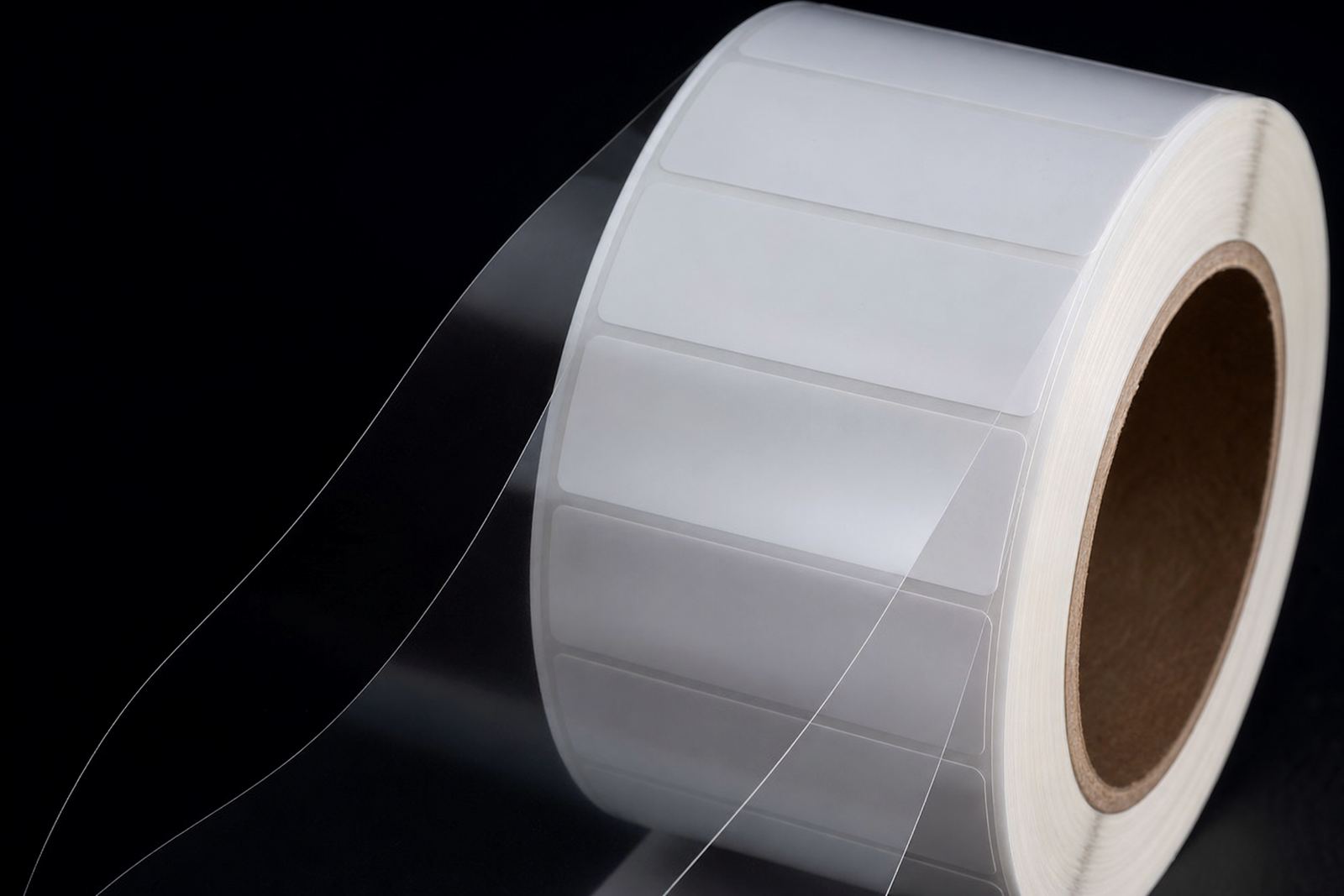
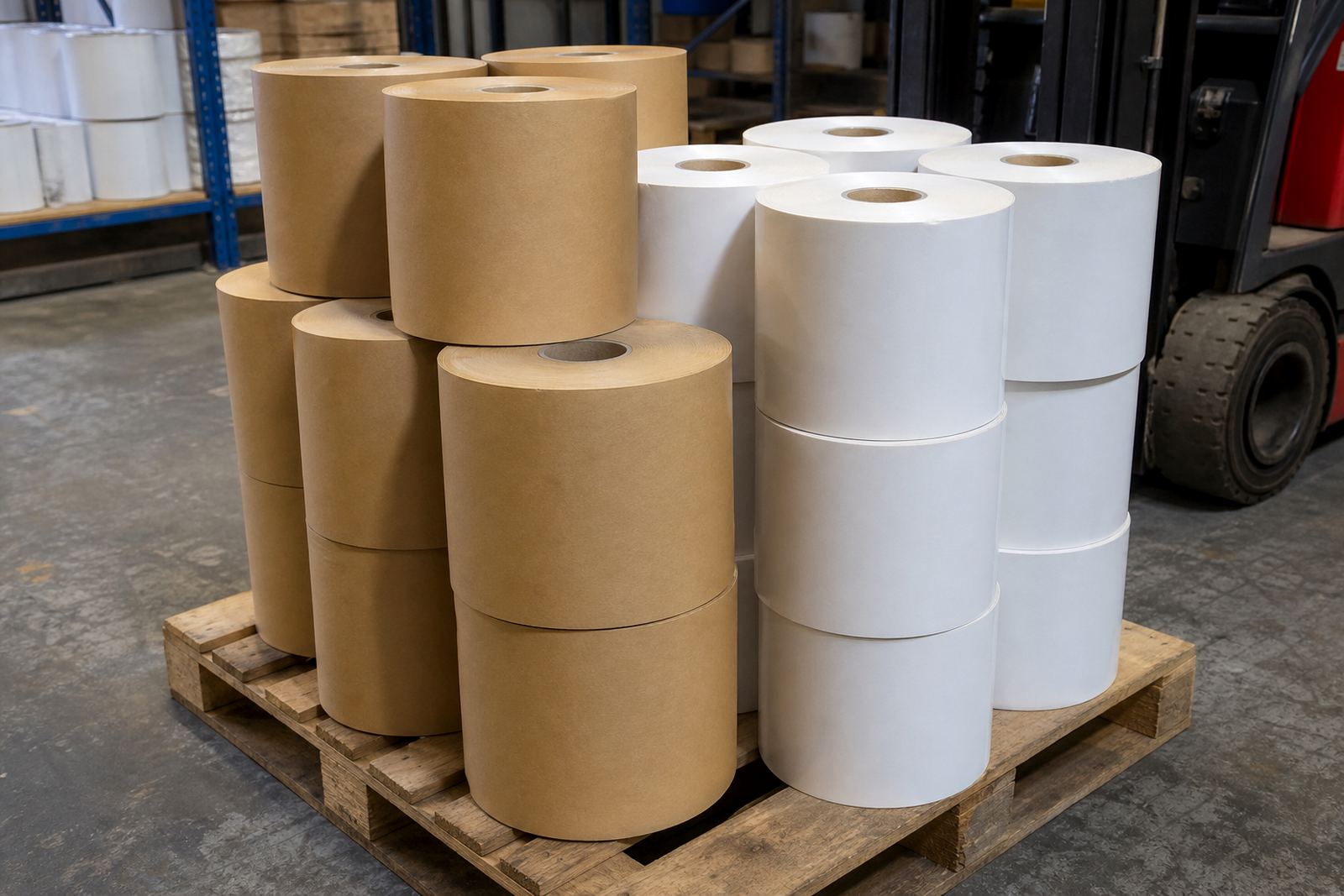
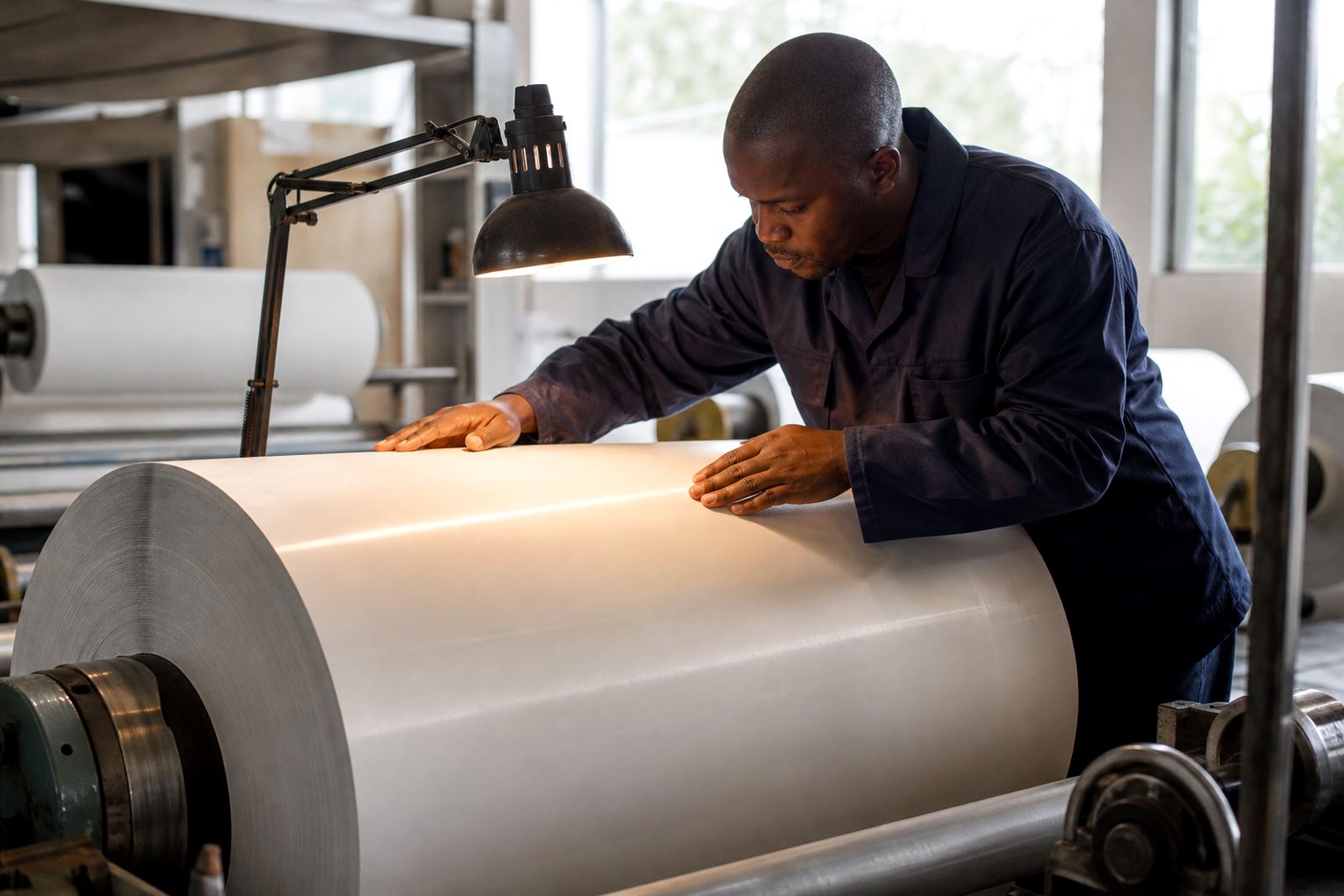
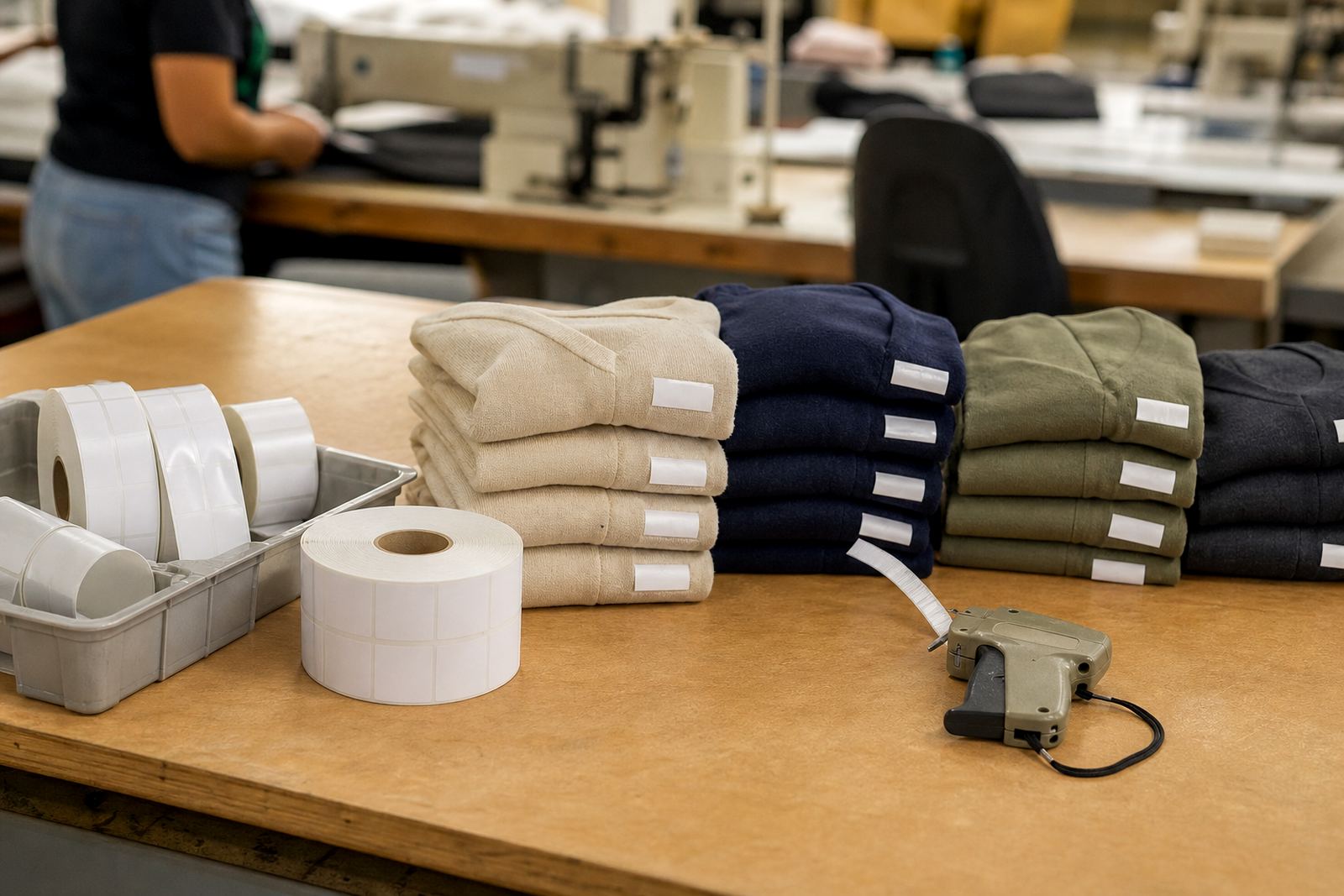
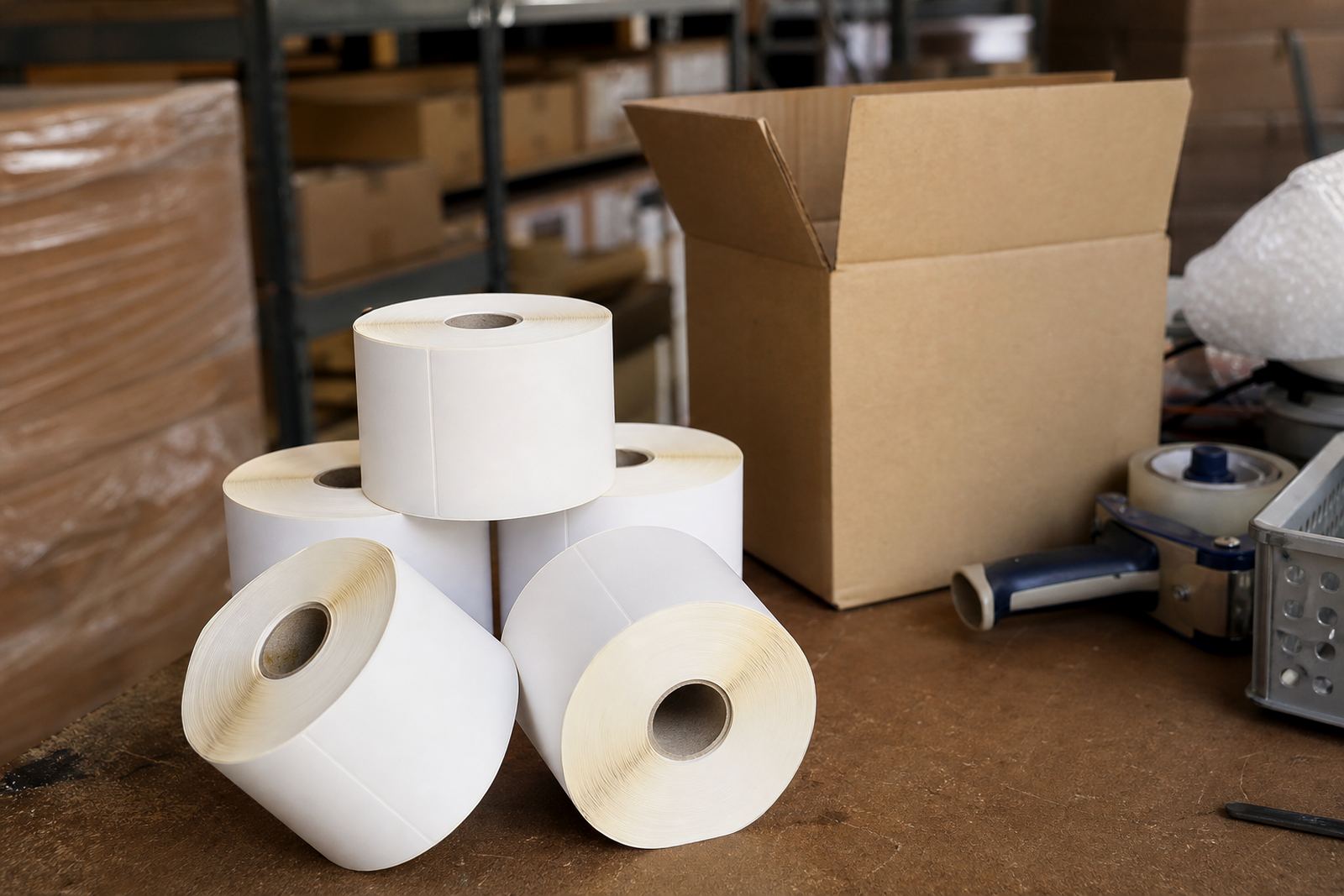
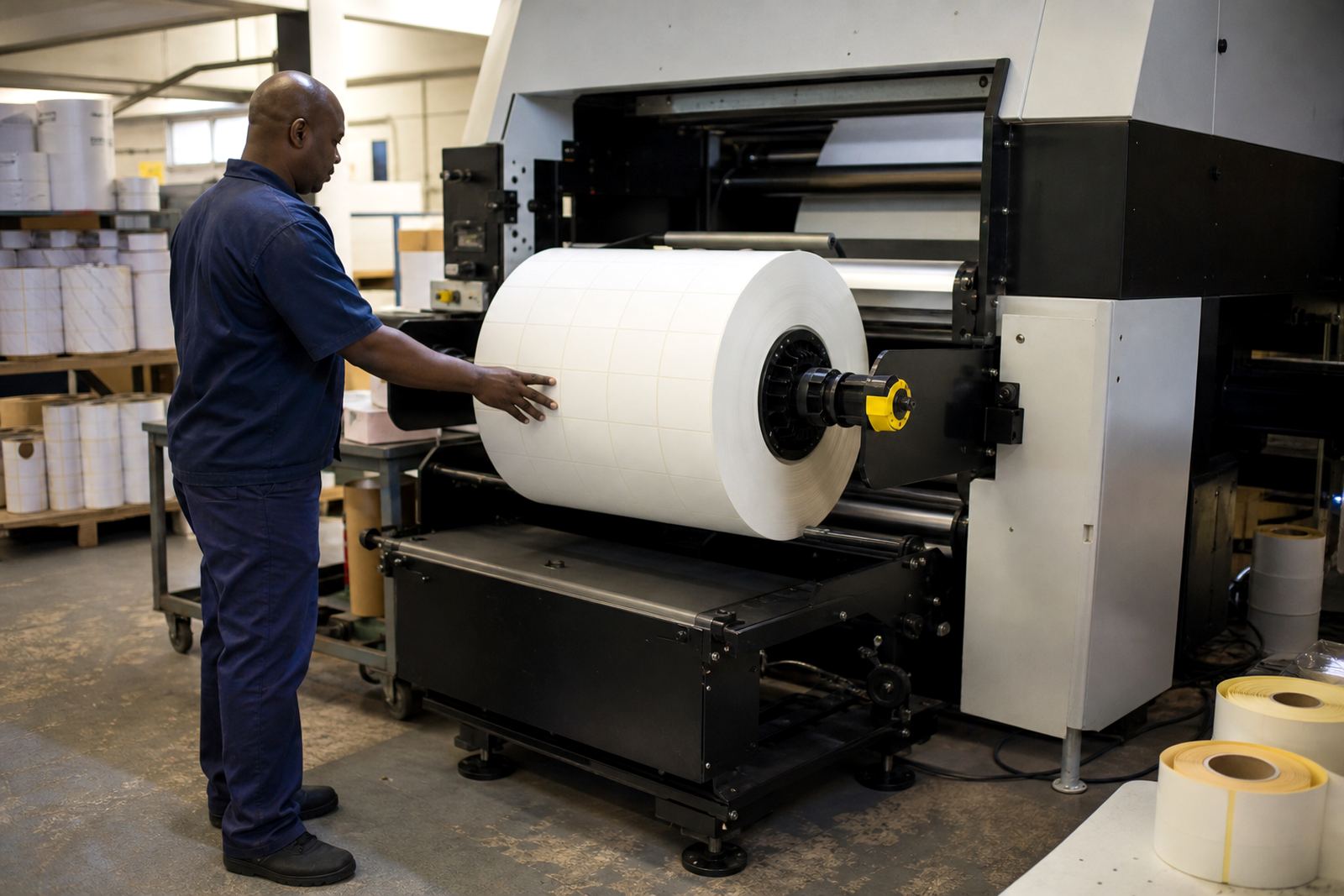
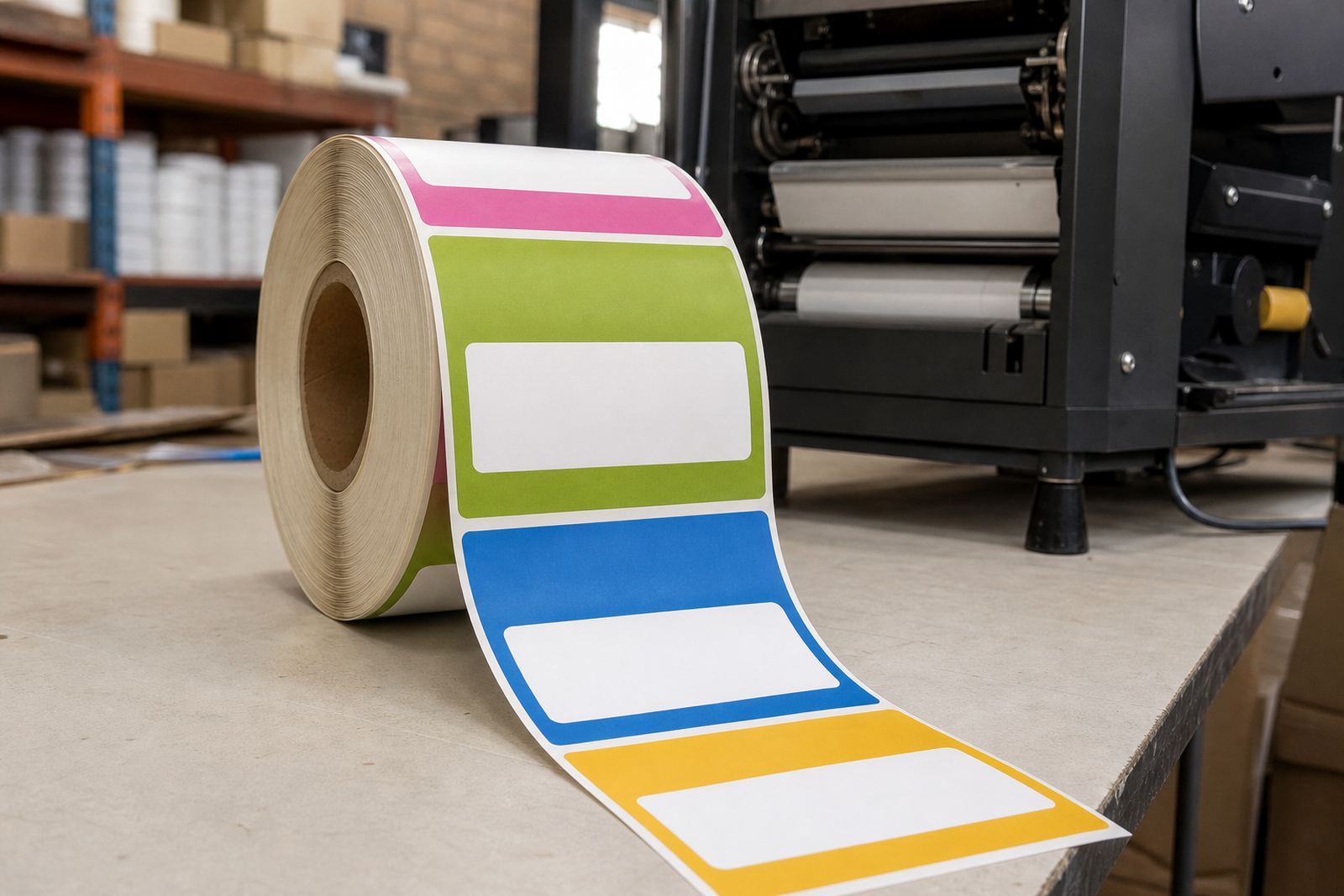
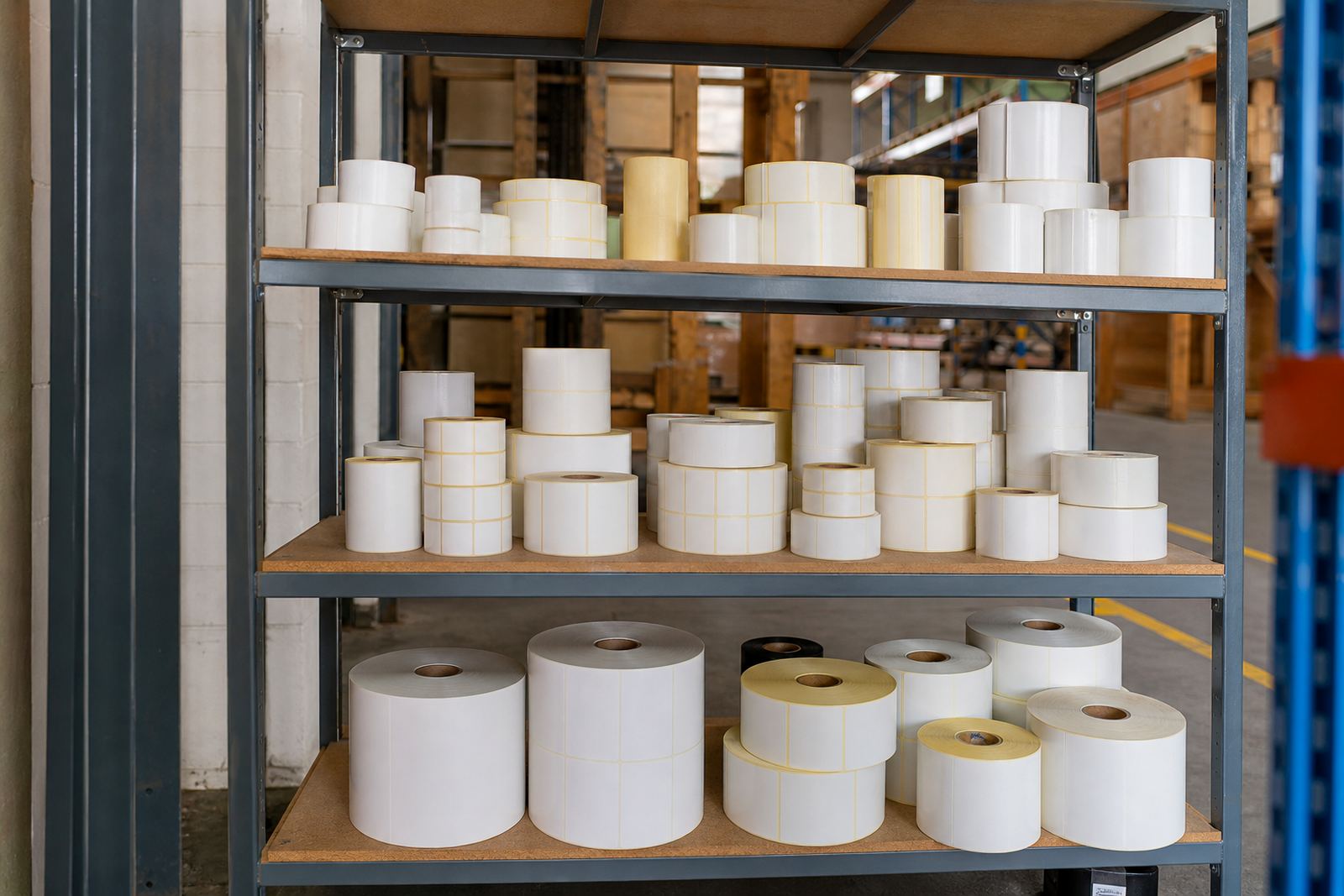
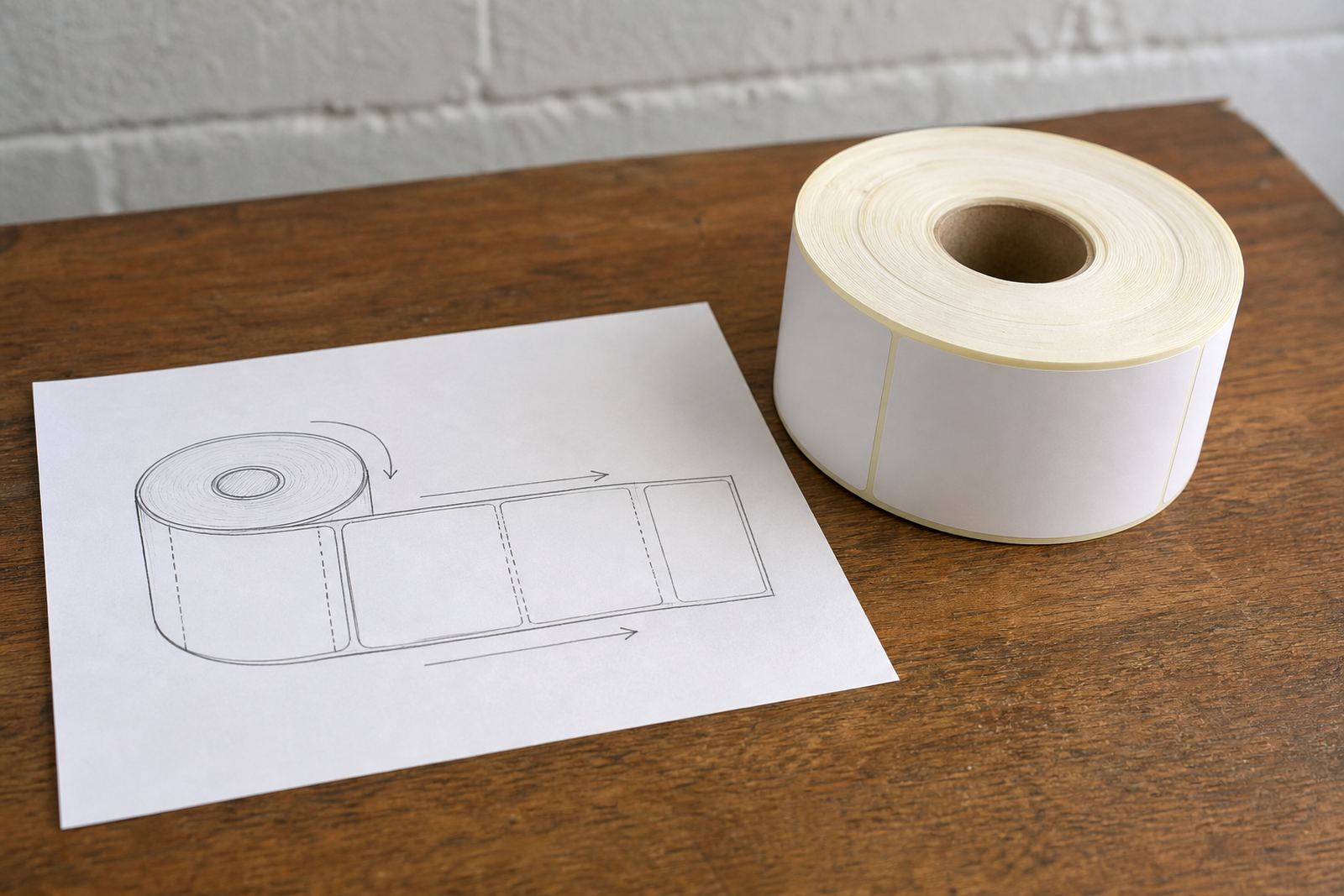
The liner is the backing that carries the label through the printer or applicator, and it needs to be matched to the way the roll is used. Glassine and kraft liner styles are commonly used, with each giving a different feel in feed, tear and waste handling. Roll length, outside diameter and unwind direction all matter when the labels have to run through a fixed printer or a hand applied process.
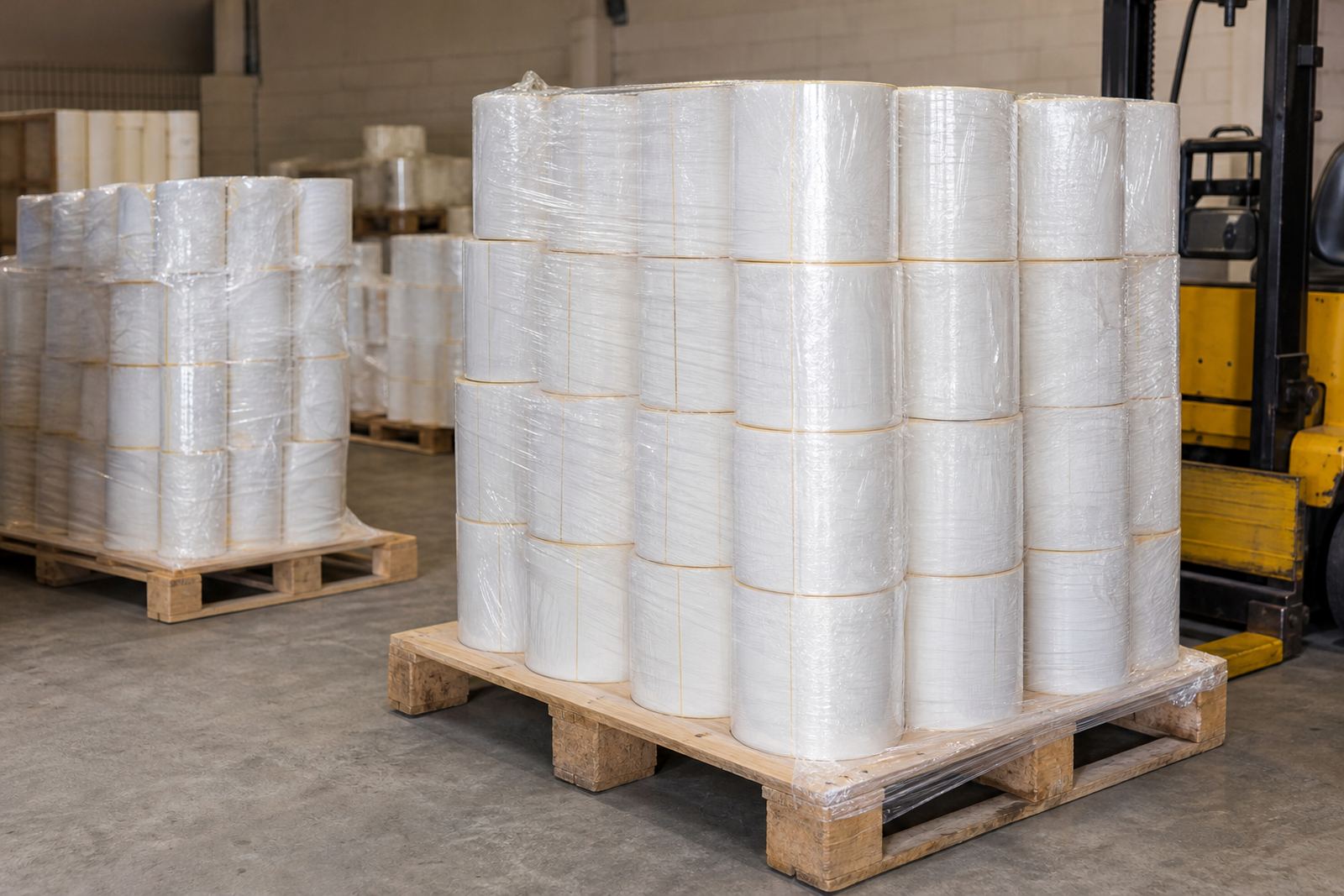
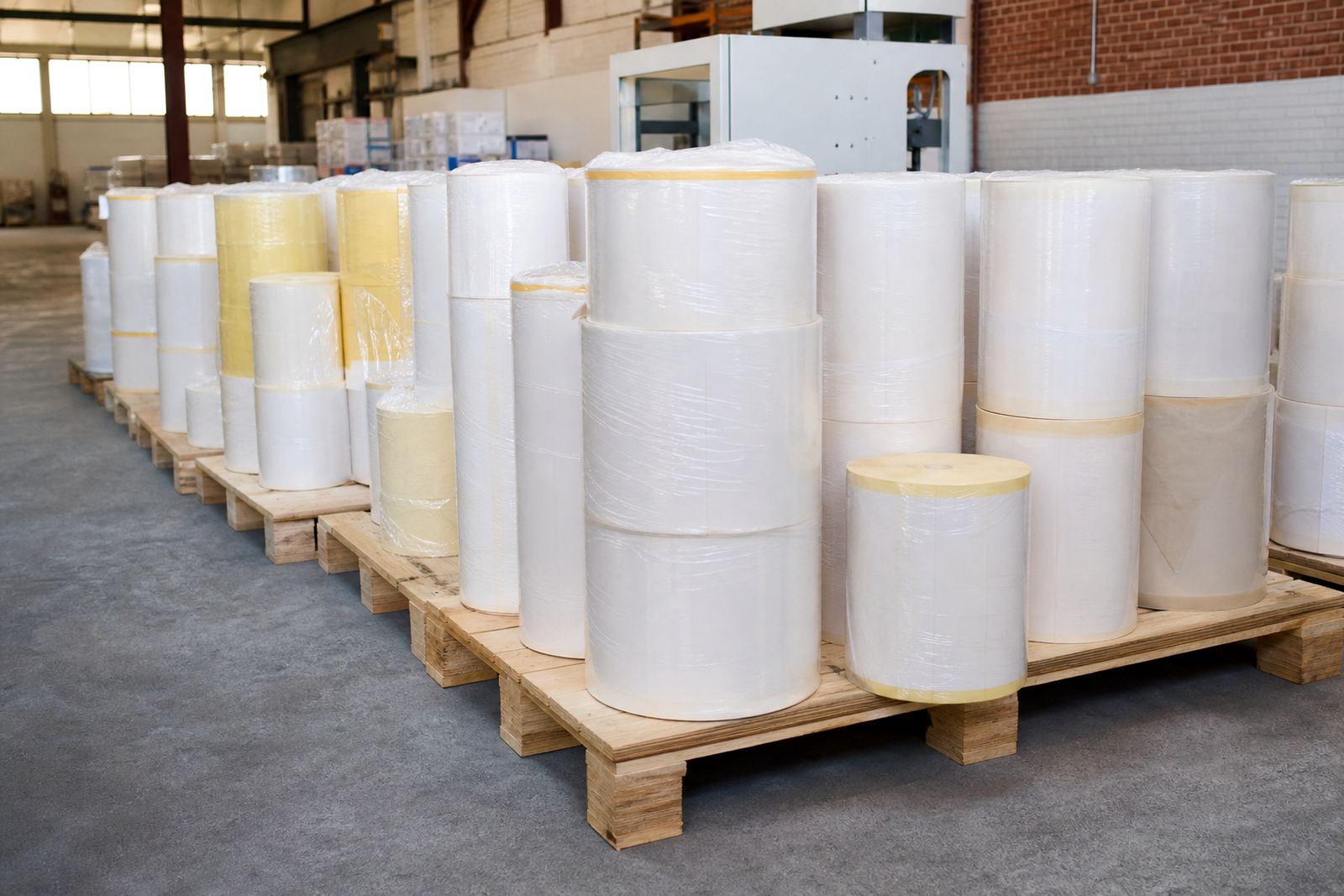
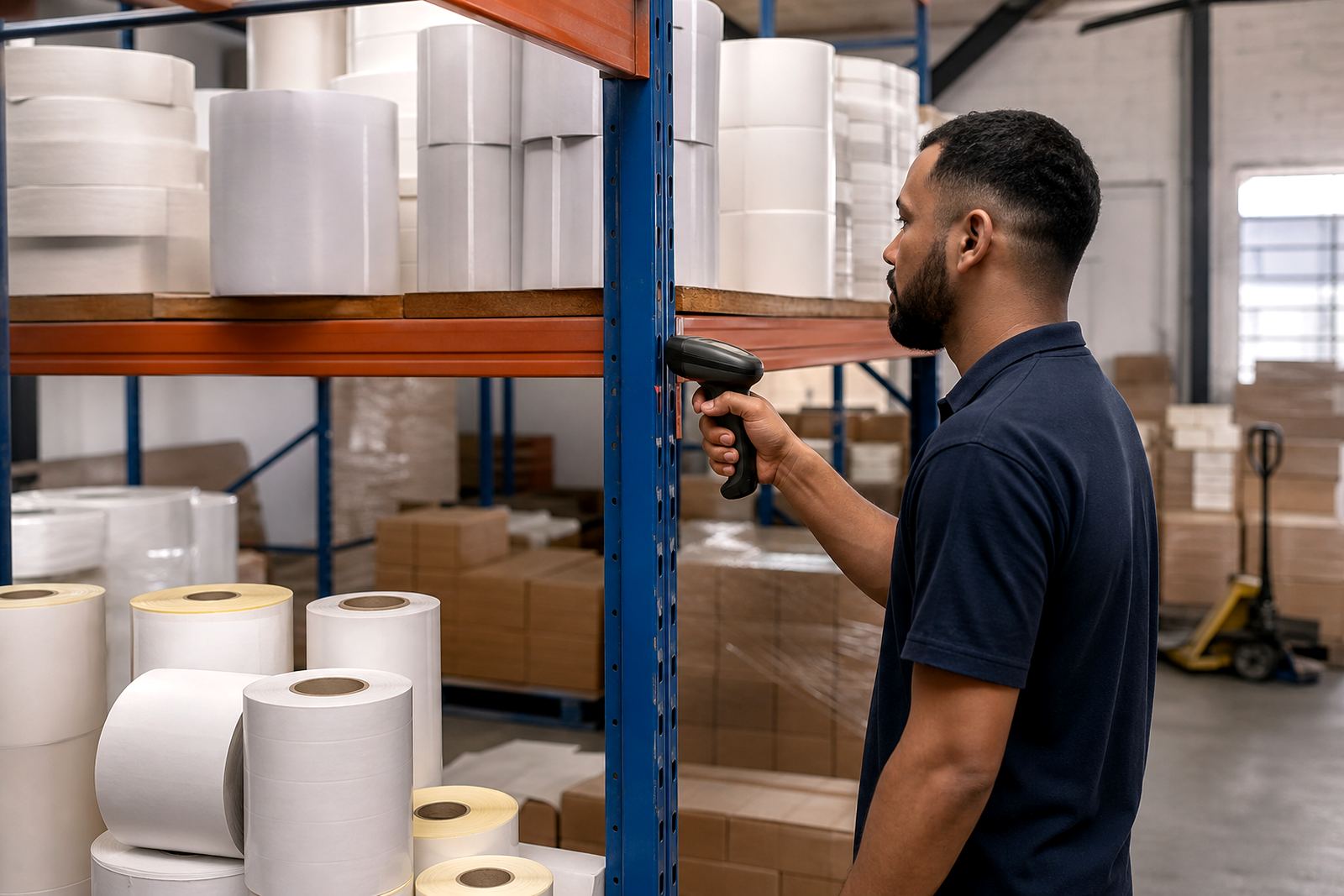
We also plan rolls around the hardware in use. That includes core size, roll width, wound face in or face out, and how many labels fit on a roll before changeover. A roll that looks fine on paper can cause stoppages if the core is wrong or the outer diameter is too large for the printer bay.
- Core sizes matched to benchtop and industrial printers
- Roll length planning for fewer changeovers on busy lines
- Winding direction set for the printer or applicator in use
Thermal rolls, direct thermal or thermal transfer
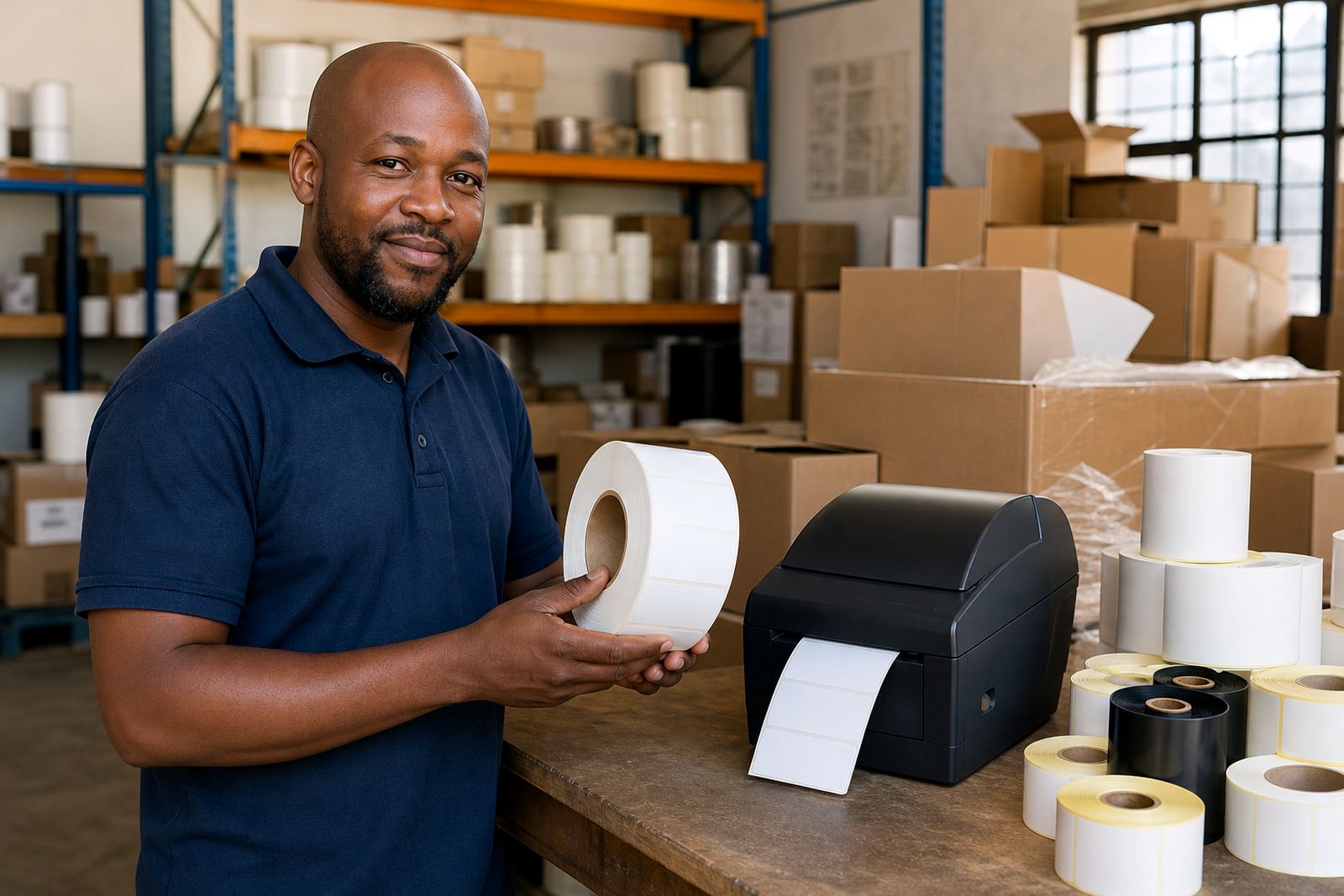
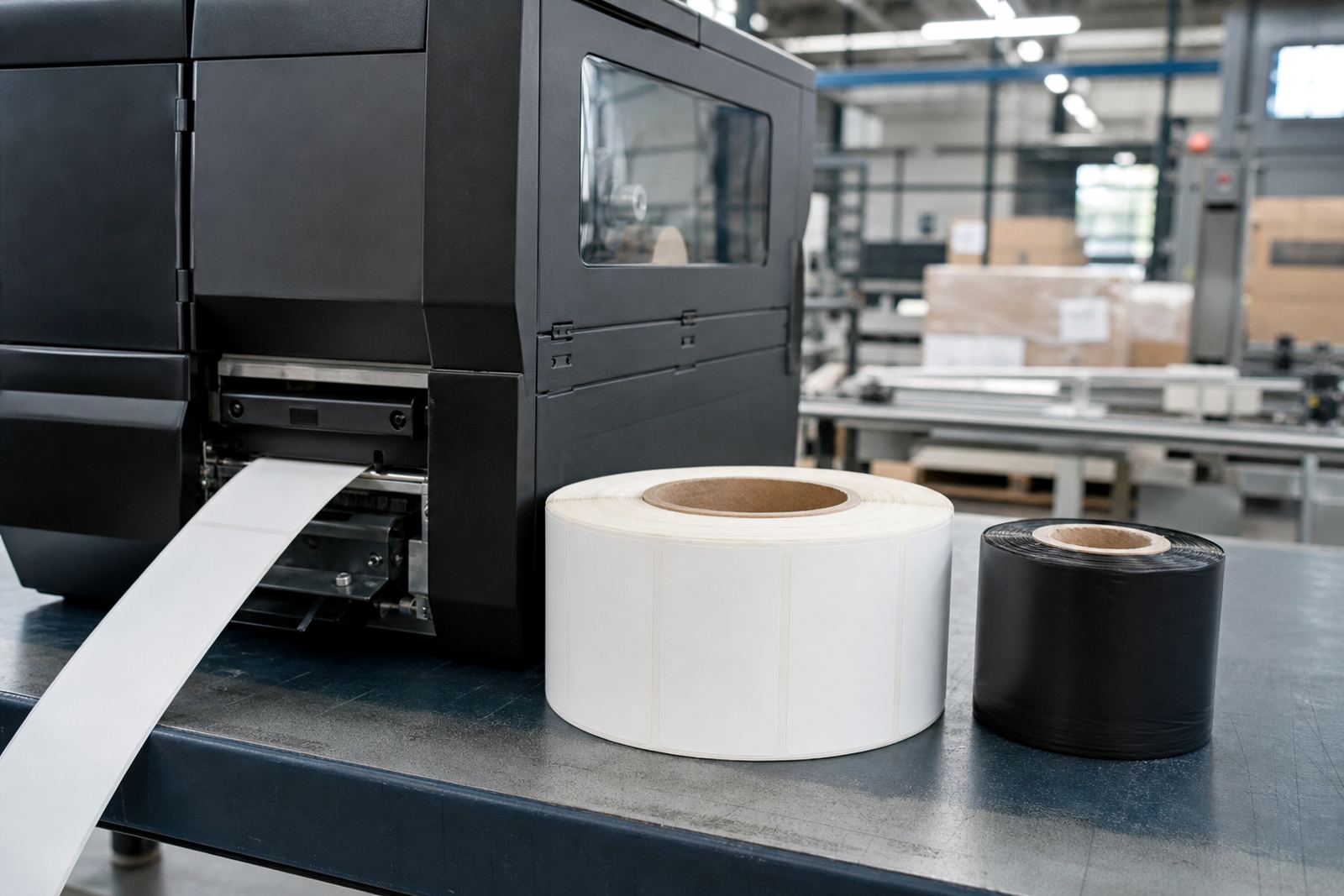
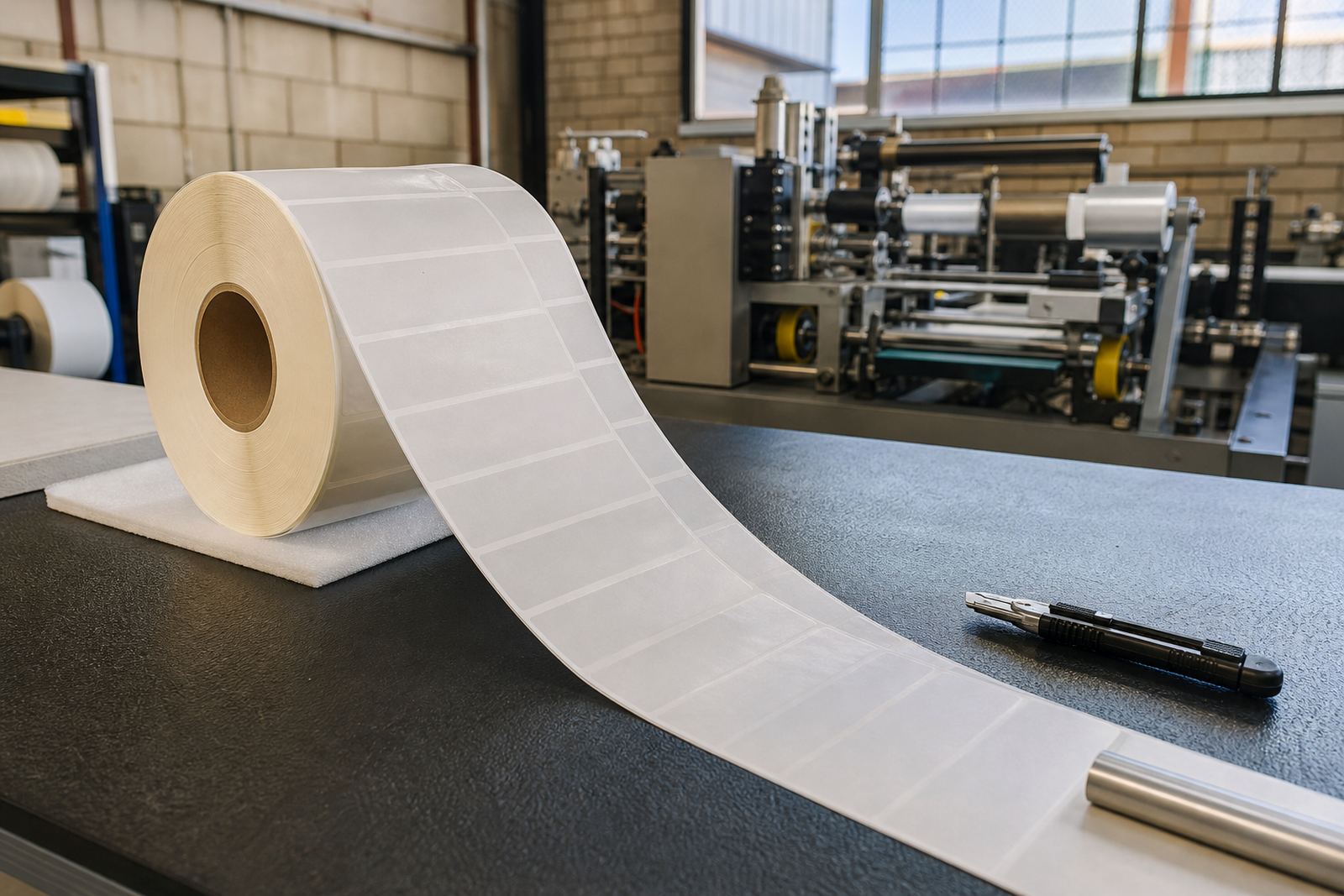
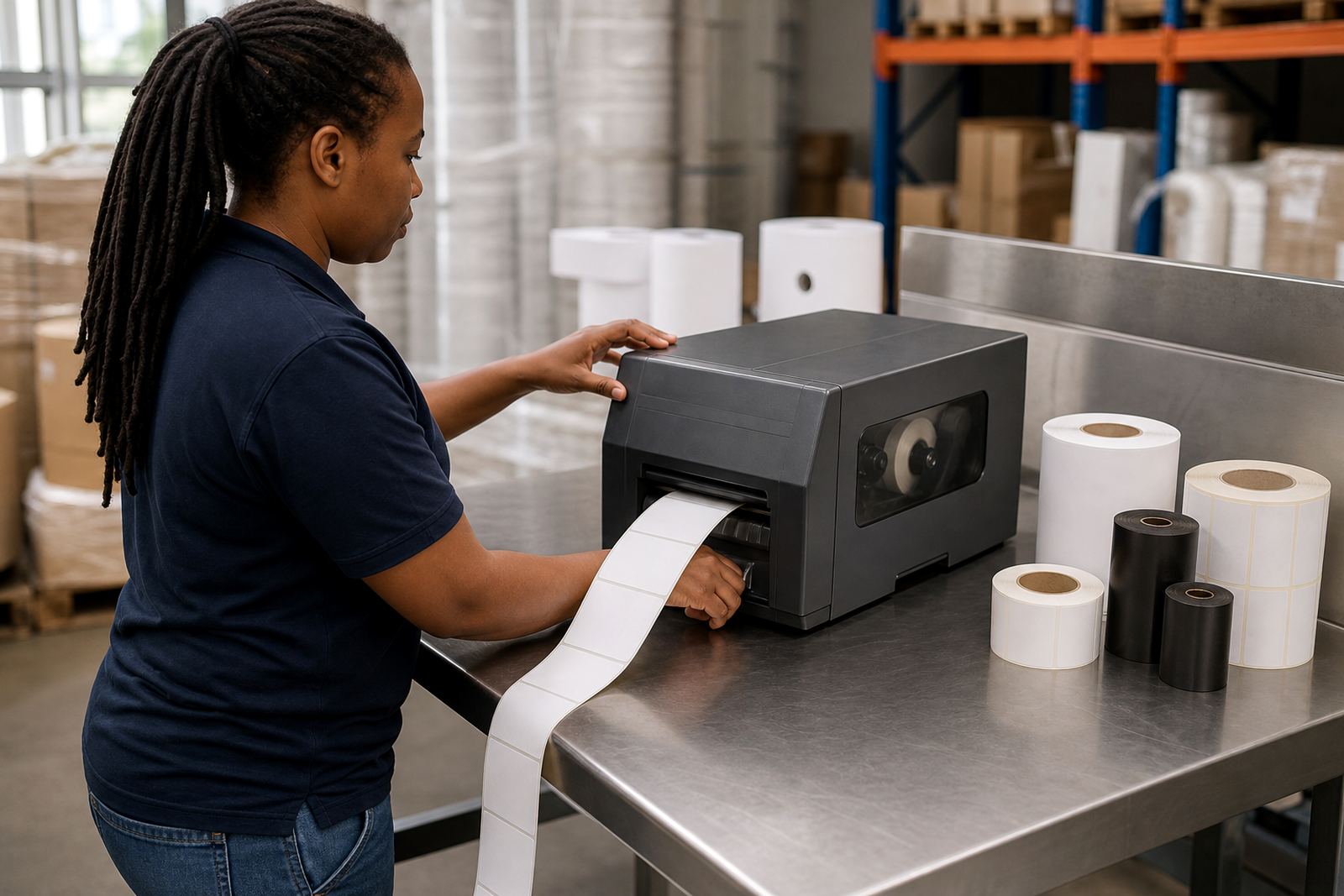
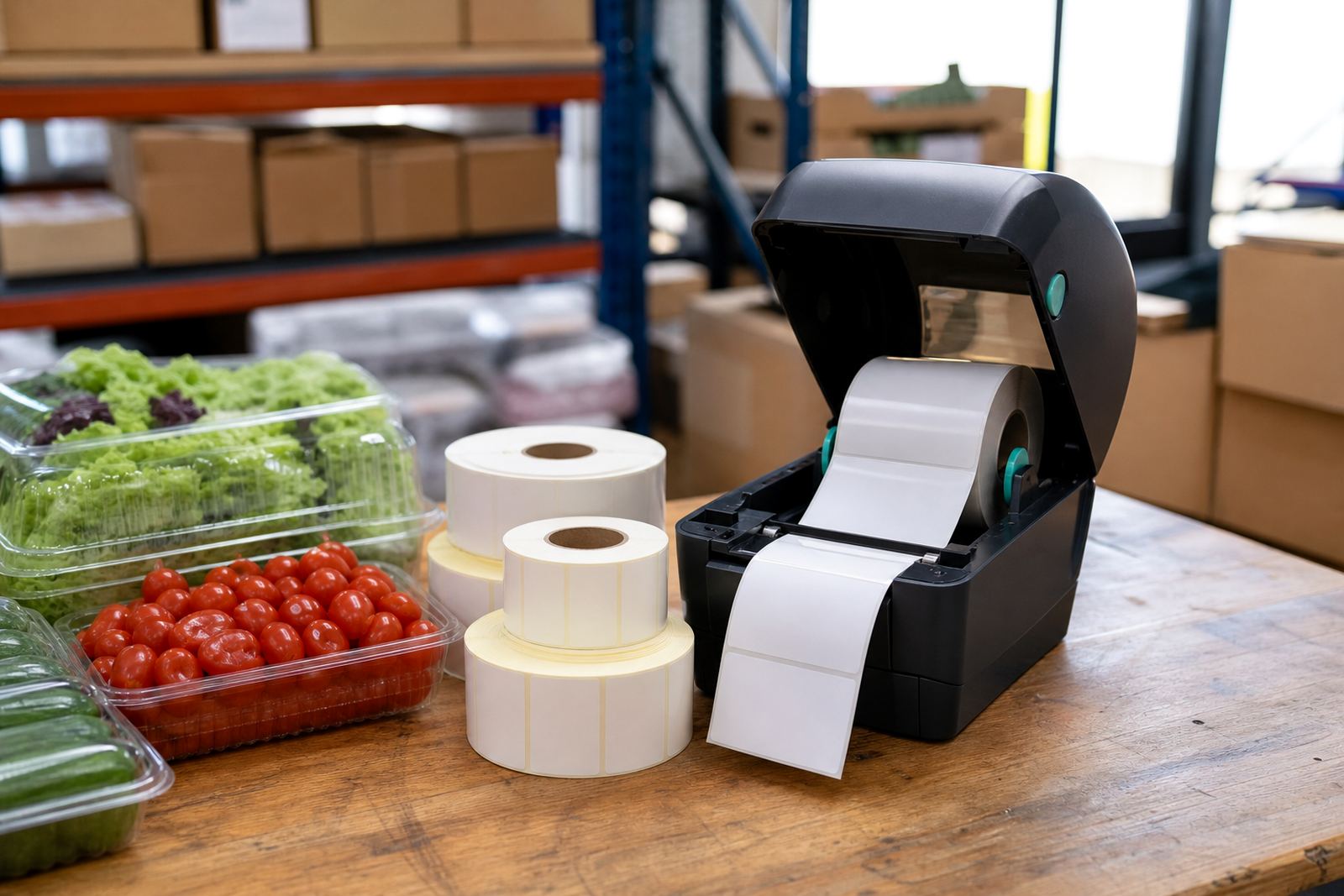
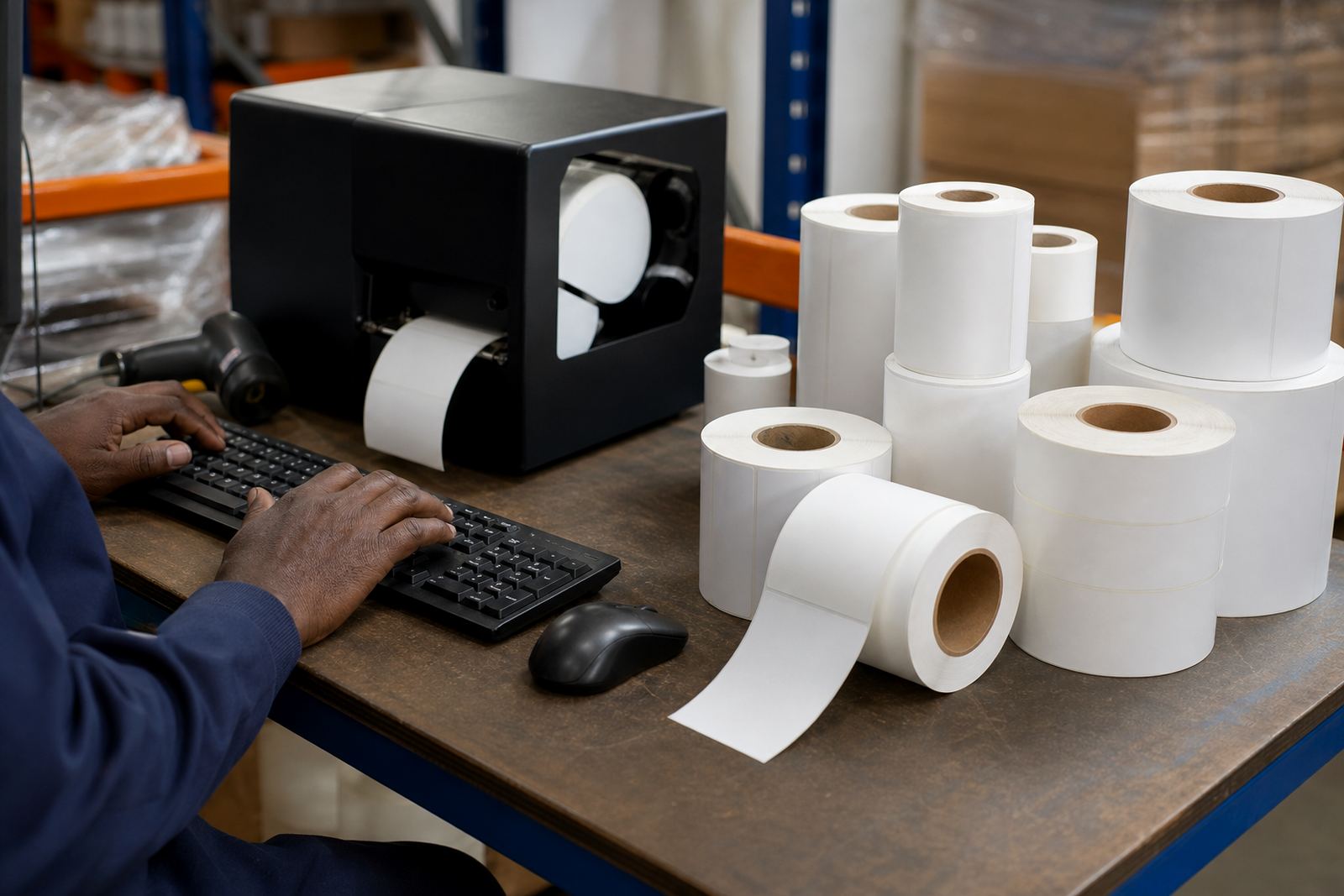
Thermal rolls are used in two main ways. Direct thermal stock prints without a ribbon and suits shorter life labels such as courier notes, shelf tags and short term dispatch labels. Thermal transfer stock uses a ribbon and is better where the label must resist abrasion, heat, handling or longer storage. The choice comes down to print life, the surface being labelled and the printer setup.
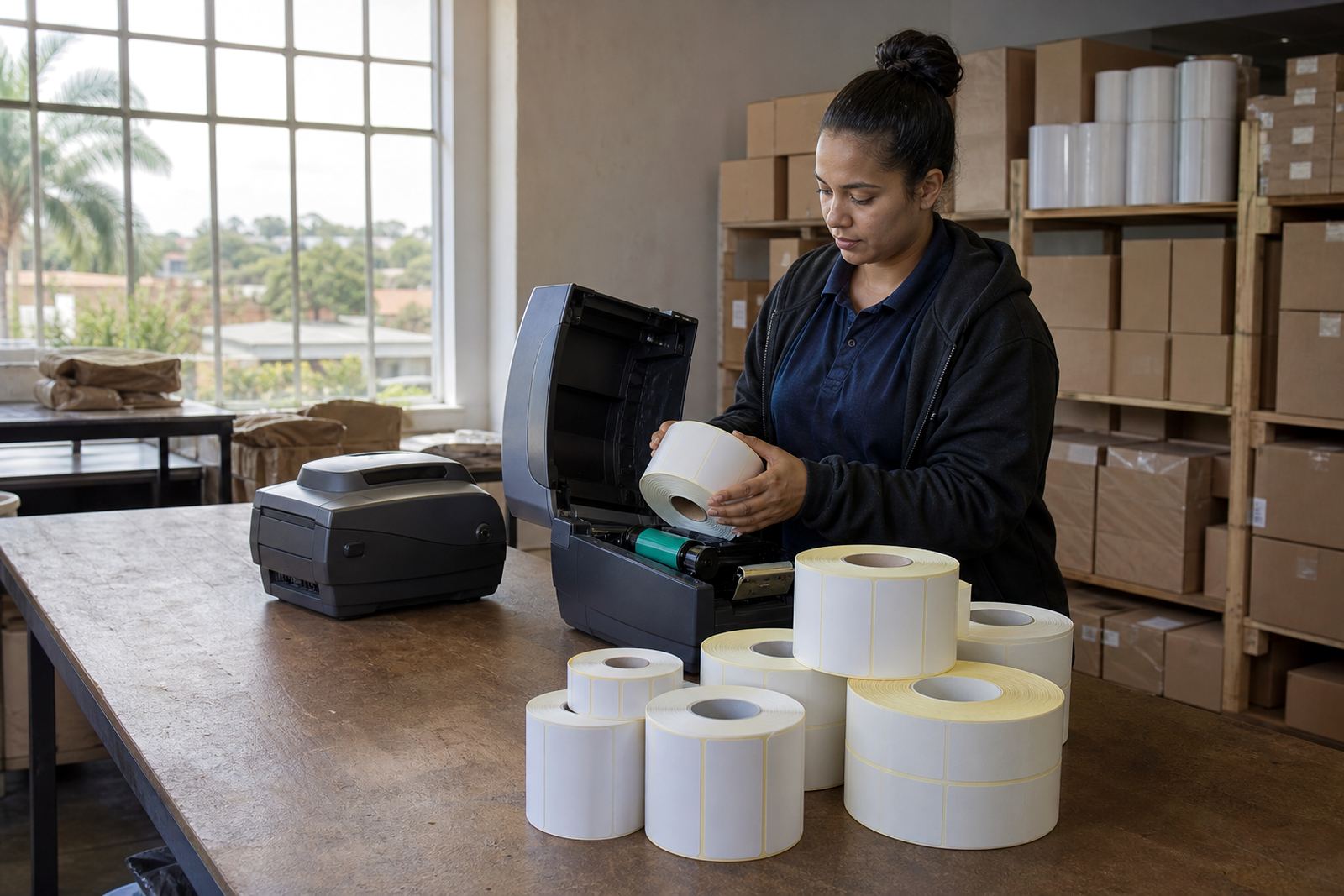
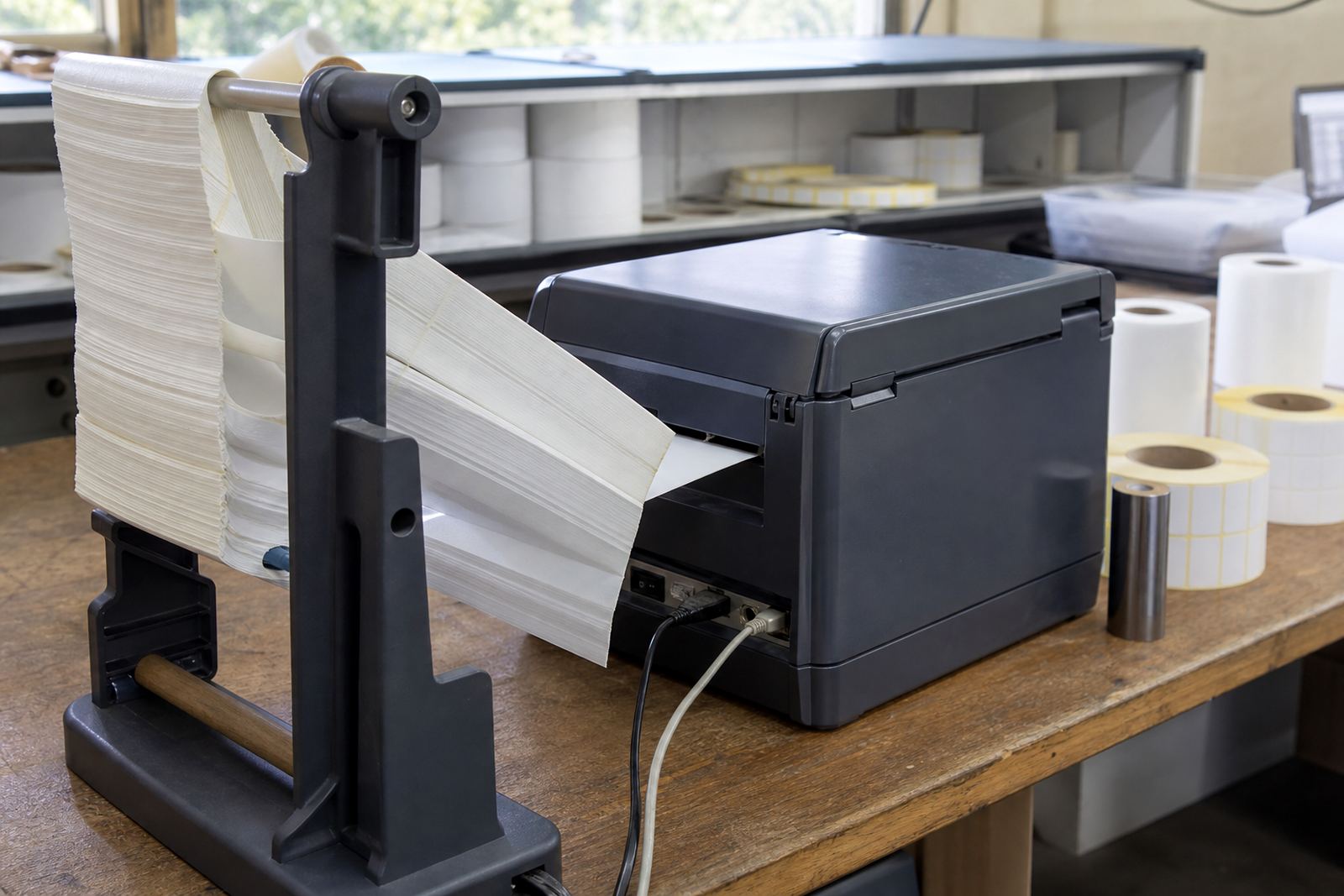
Printer compatibility is important here. Some machines take specific core diameters, ribbon widths or roll diameters, and a mismatch can waste time on the line. We help check the fit so the roll works with the printer you already run, whether it is used in a packing room, production area or a warehouse receiving bay.
- Direct thermal for short term labelling and variable printing
- Thermal transfer for longer lasting print and tougher handling
- Core and roll checks for printer fit and steady feeding
How the right label stock is chosen in practice
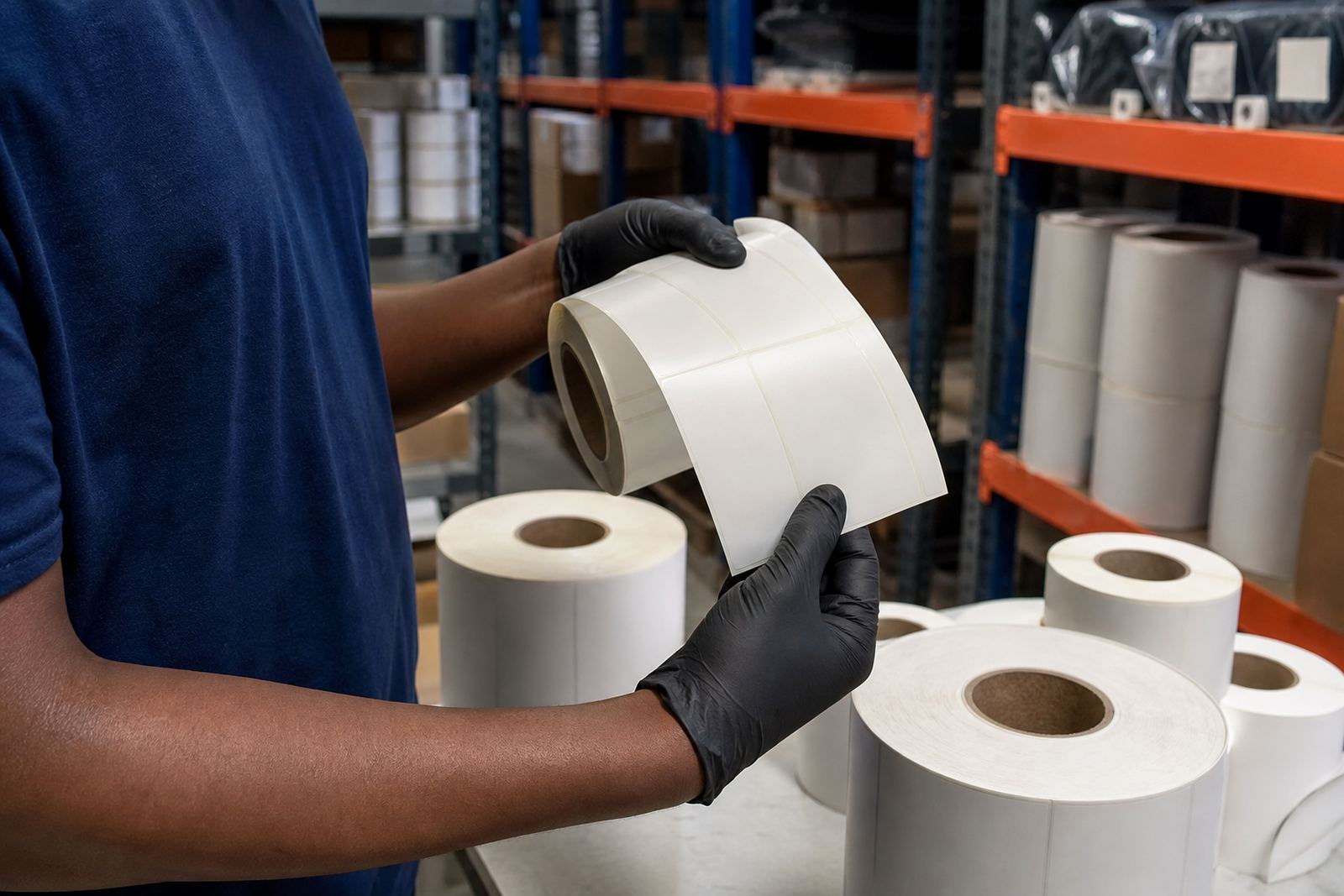
The right stock is usually chosen by looking at the full job, not only the printer model. We review the pack surface, temperature, handling, shelf life and the way the label is applied. That may mean a sample roll first, a different adhesive, or a change in face stock so the print stays clear and the label keeps its grip through transport from Pietermaritzburg to Pretoria.
For customers in retail, logistics and manufacturing, the most useful setup is often the one that reduces waste and keeps the line moving. A label that peels too easily, smudges too soon, or feeds badly can cost more than a correct roll. We also plan around repeat label supply, so once the right combination is found it can be set up again without guesswork.
- Sample rolls for trial on your own printer and pack surface
- Usage review for labels that fail, lift or smudge
- Repeat order planning to keep the same spec in use
Made for packing rooms, warehouses and shop floors
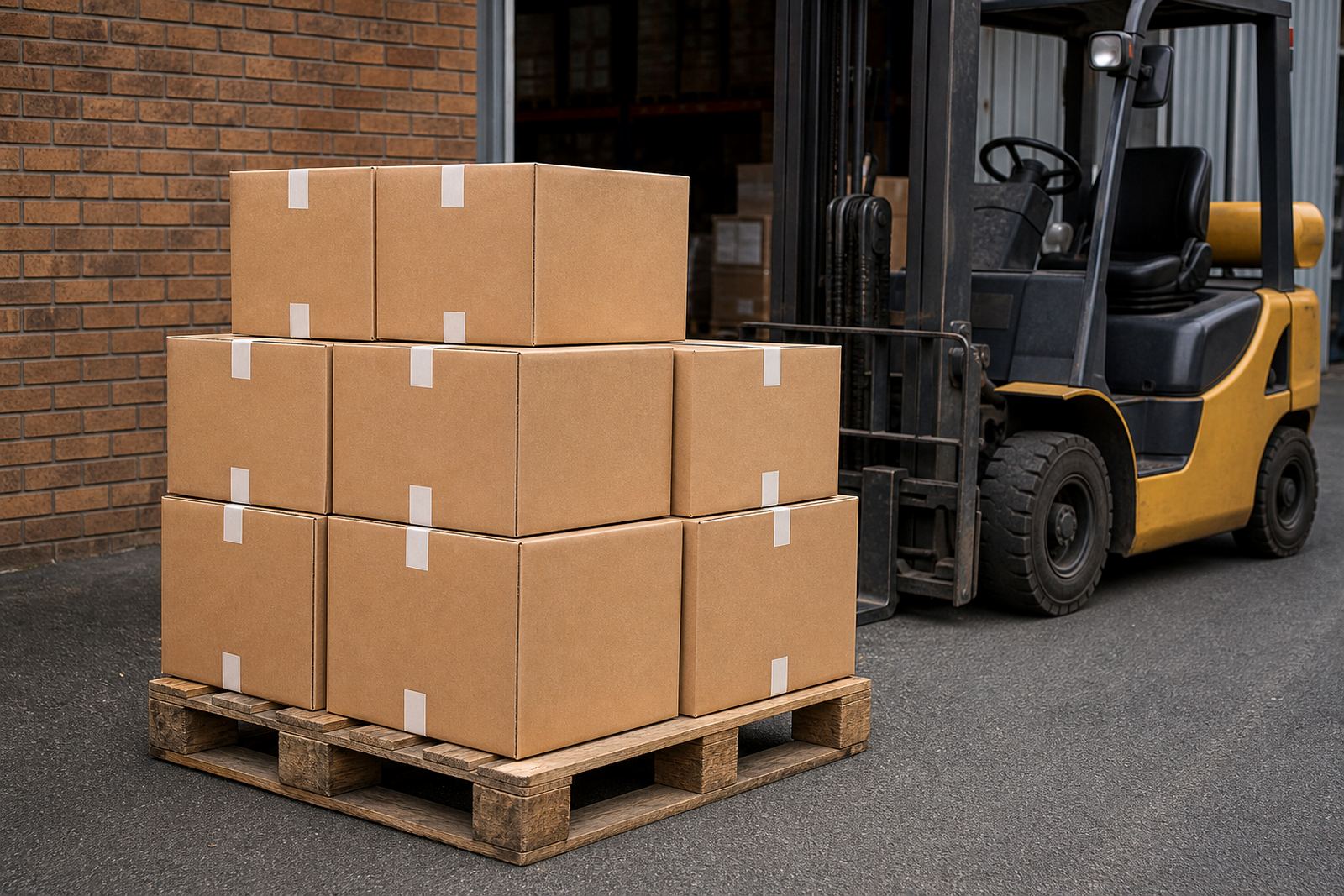
From Westmead Supply to Hammarsdale Supply, the need is often the same: labels that work under pressure and do not slow the team down. Packaging lines need dependable feed. Retail needs tidy print and neat presentation. Logistics needs labels that survive movement, tape, and scanning. Our range is set up for those jobs across Durban, Johannesburg, Cape Town, Pretoria and Pietermaritzburg.
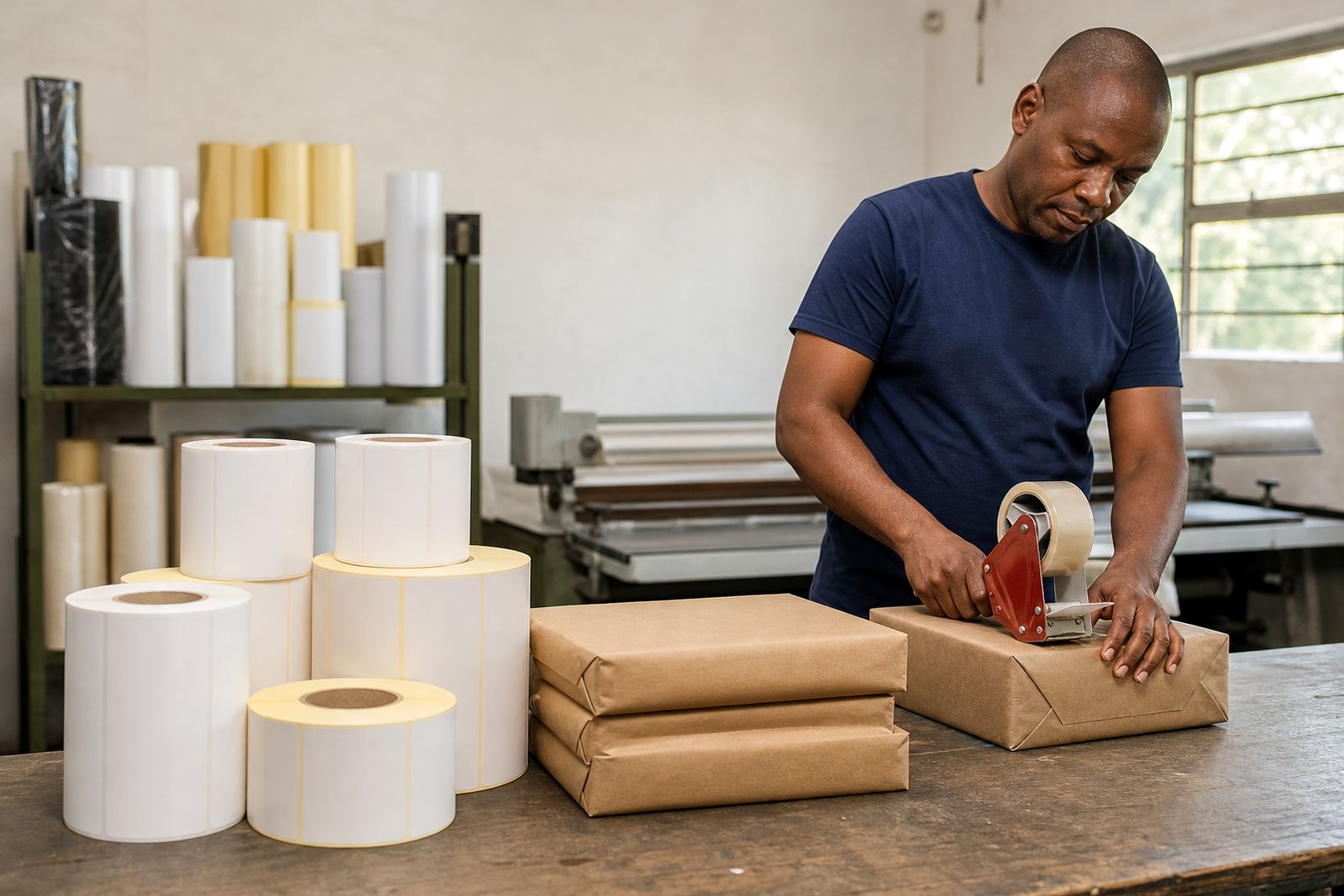
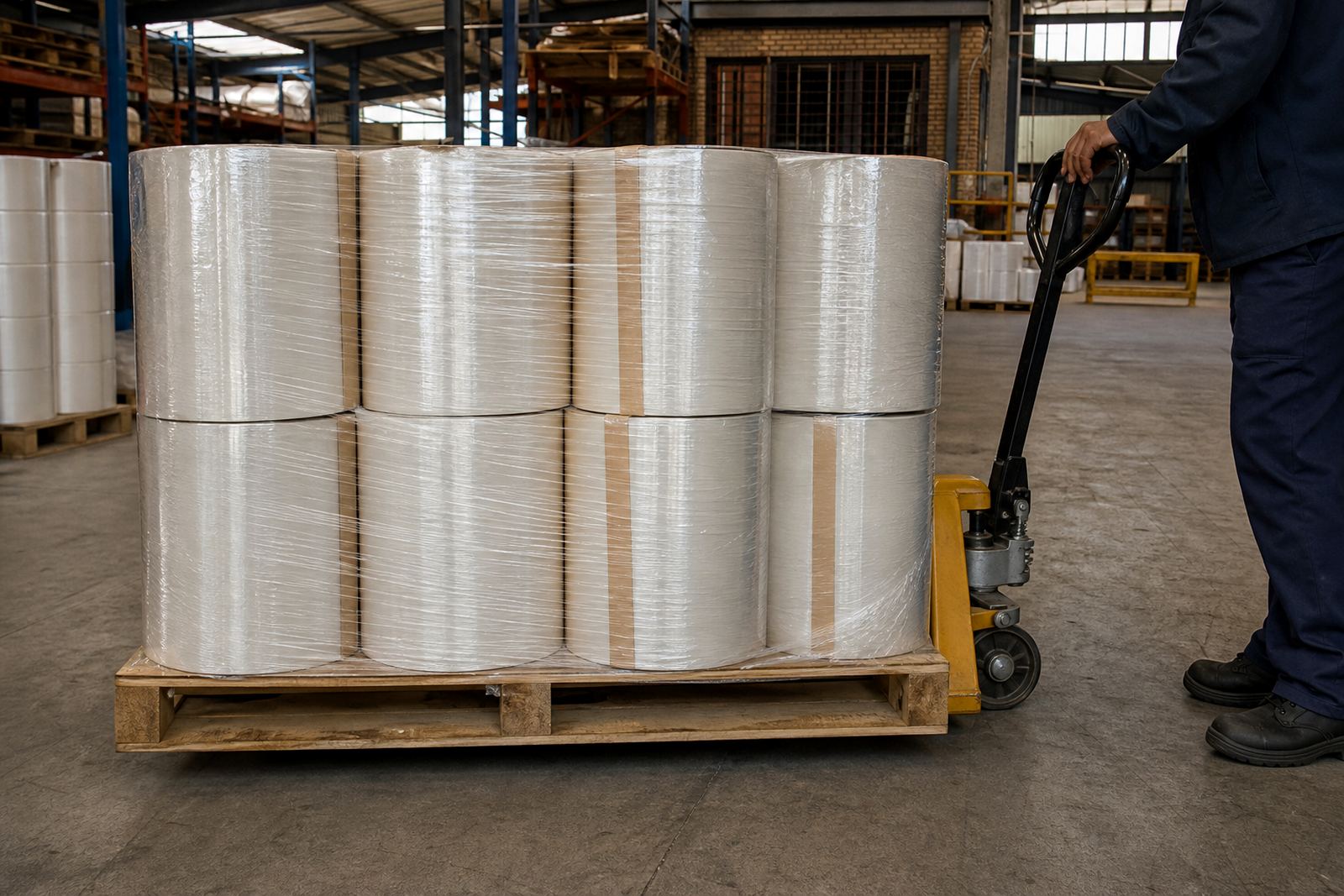
We handle custom slitting, rewinding, core sizing and dispatch packing to suit the order and the printer type. That means the material can be prepared in widths and lengths that make sense for your operation, not just as a generic roll. Clear labelling starts with the right stock and ends with a roll that fits the task.