

How a roll spec gets matched to the job
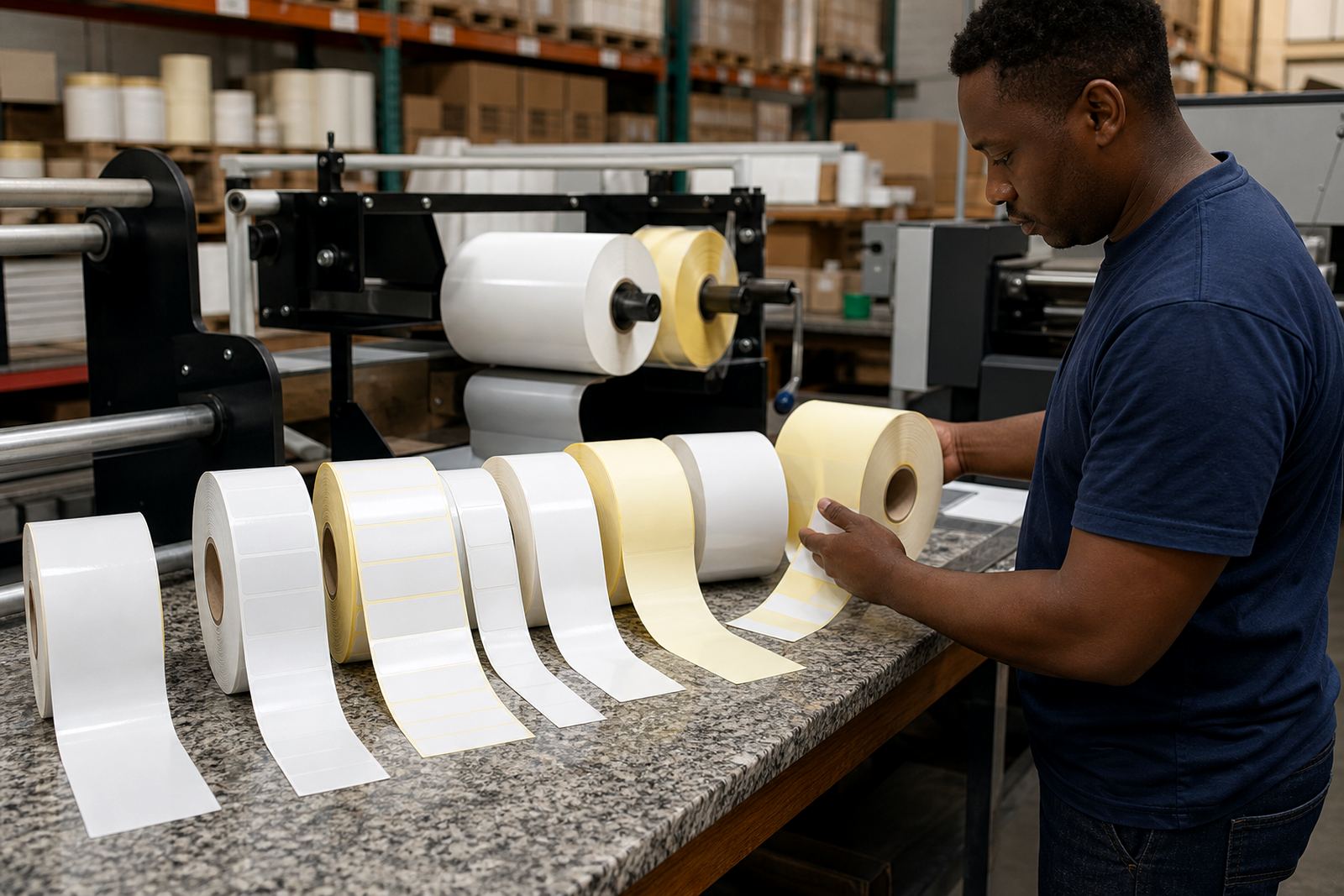
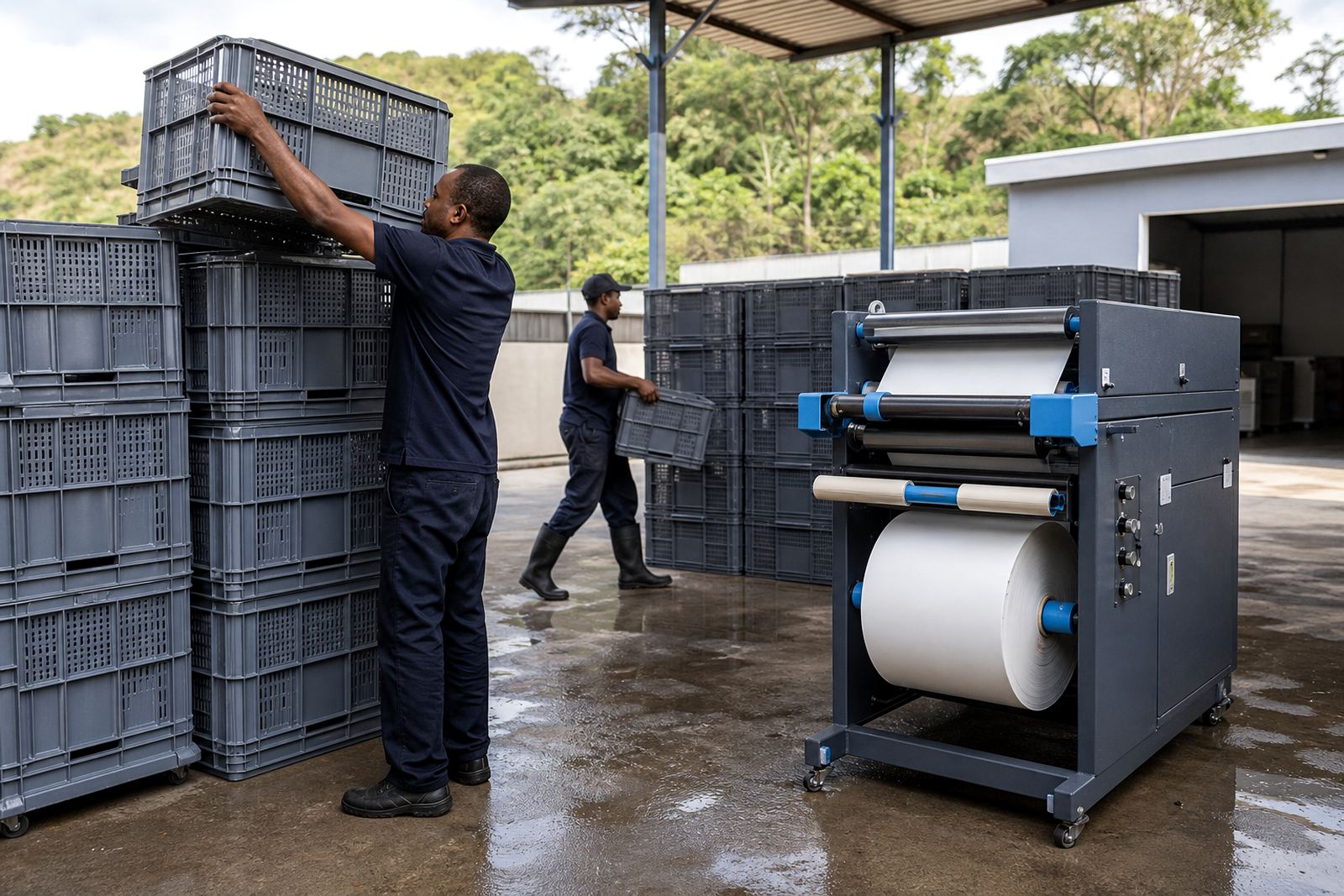
A warehouse in Durban, a packing room in Pretoria and a small production line in Pietermaritzburg rarely ask for the same roll.The right roll spec starts with the application, then moves through width, length, core size and winding direction.
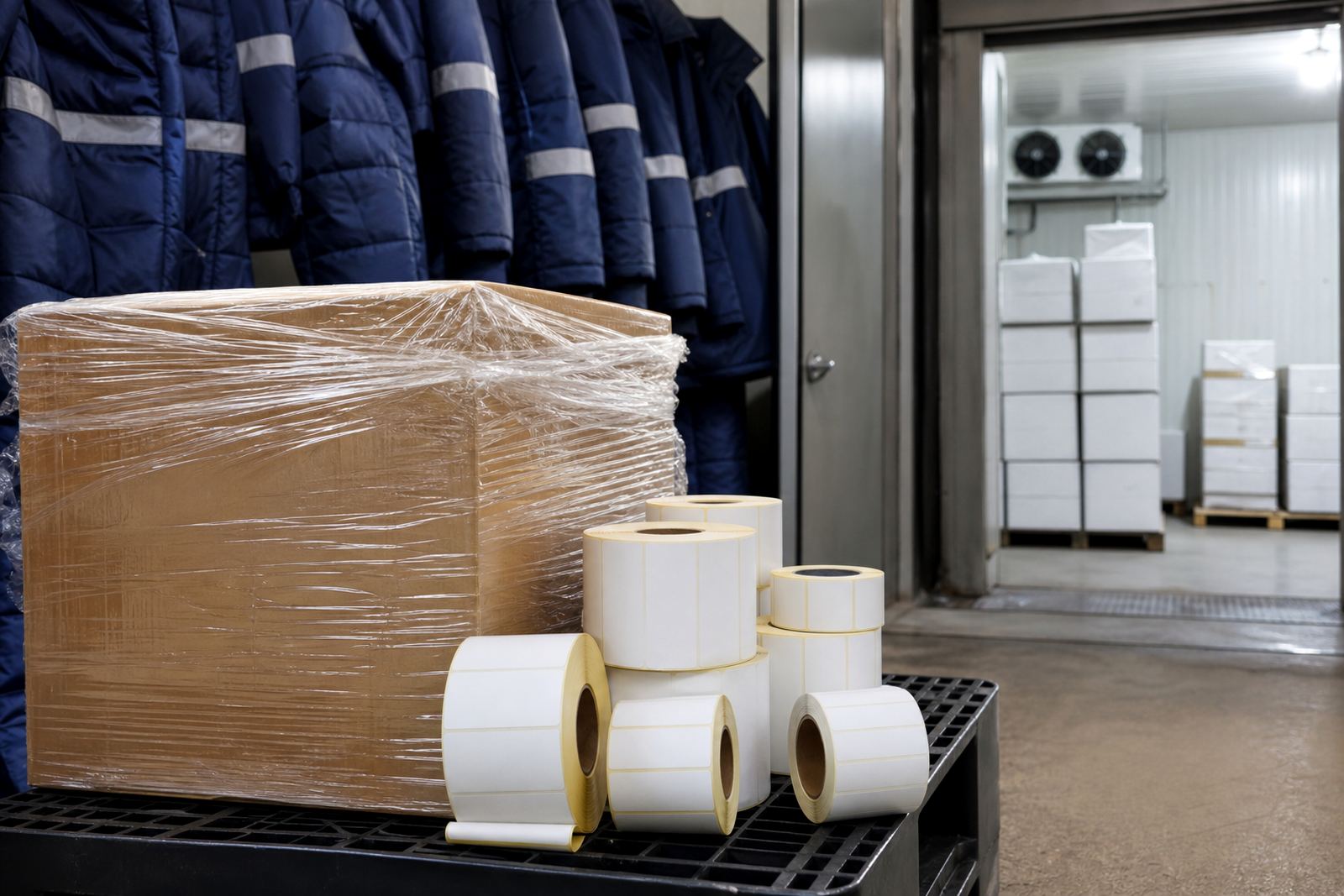
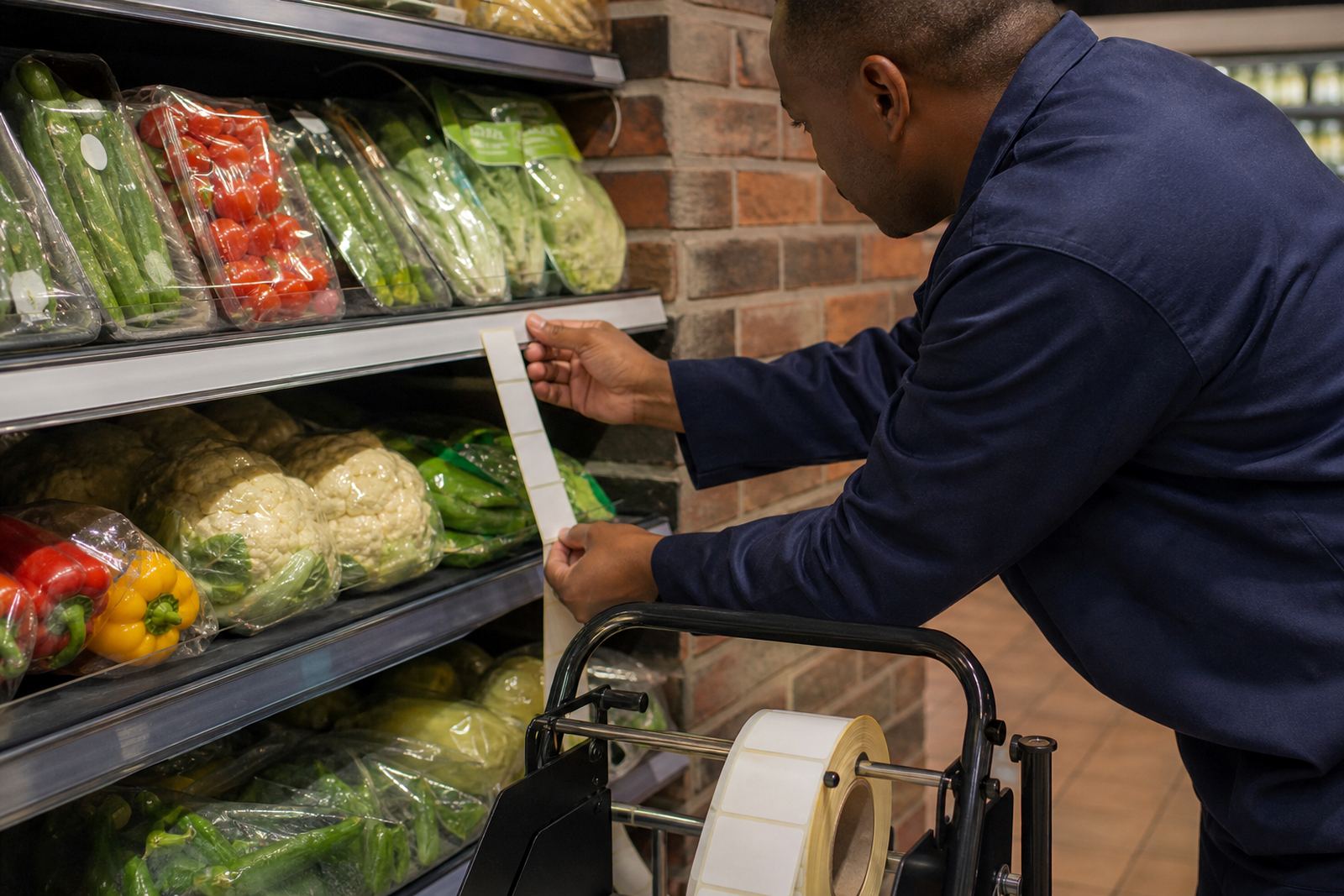
For self-adhesive label stock, the face material, adhesive and liner all affect how the roll feeds. Paper faces suit many general packing jobs, while film faces are often chosen where moisture, scuffing or cold room handling is part of the day. The adhesive must suit the surface too, whether that is corrugated board, plastic tubs, glass, or a product that sees condensation on the way to retail shelves.
Widths and lengths that fit real packing lines
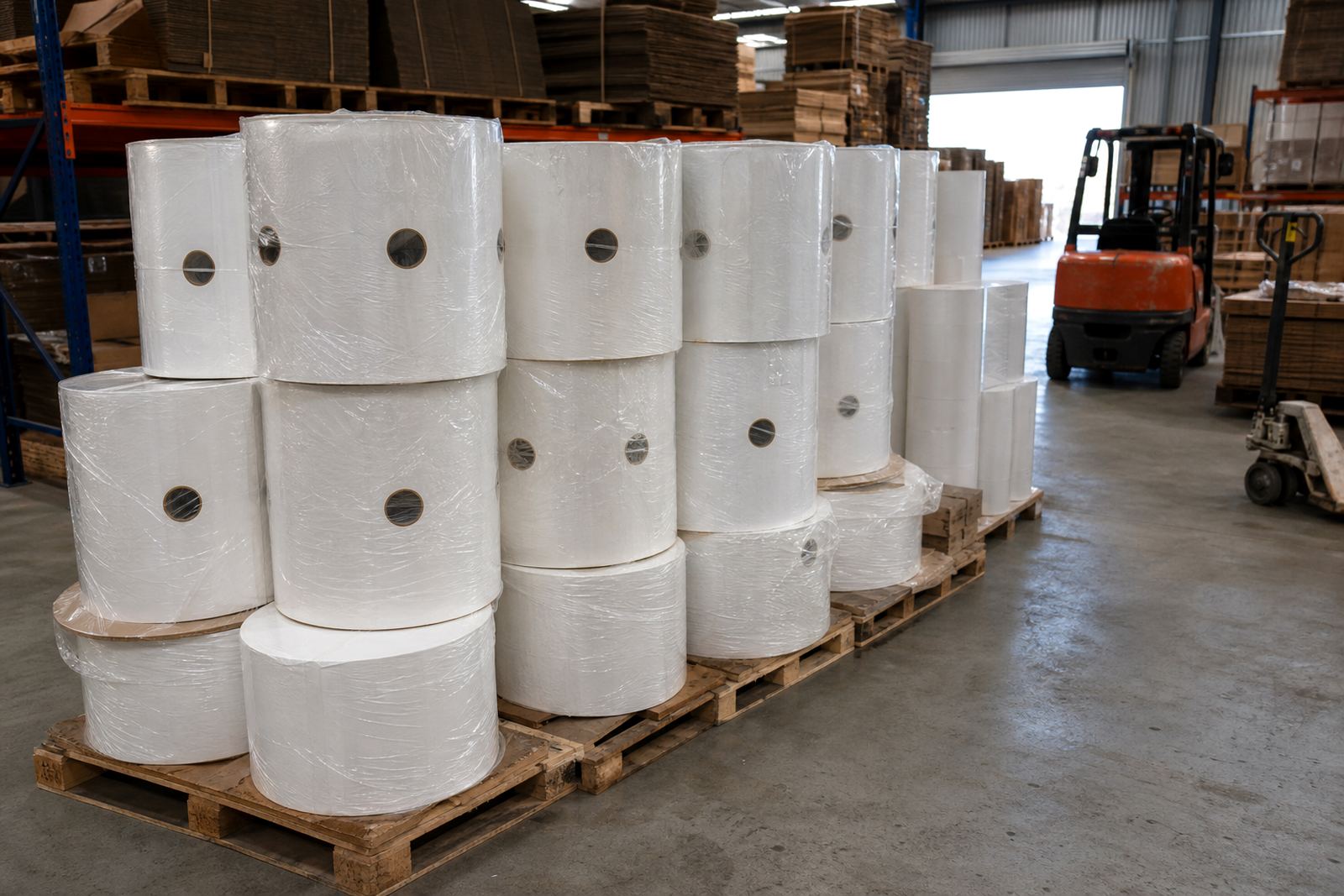
Roll width is usually set by the label artwork and the printer path. Too wide and you waste material, too narrow and the label content gets cramped. Length matters just as much. A short run may be fine for a sample batch, but a busier dispatch line in Johannesburg will normally benefit from longer rolls to reduce changeovers.
- Narrow widths are often used for barcodes, batch codes and seal labels.
- Mid-range widths suit product labels, carton markings and dispatch handling.
- Longer rolls reduce stoppages where labour is tight and shifts are busy.
- Shorter rolls can help with test runs, sampled jobs and smaller printers.
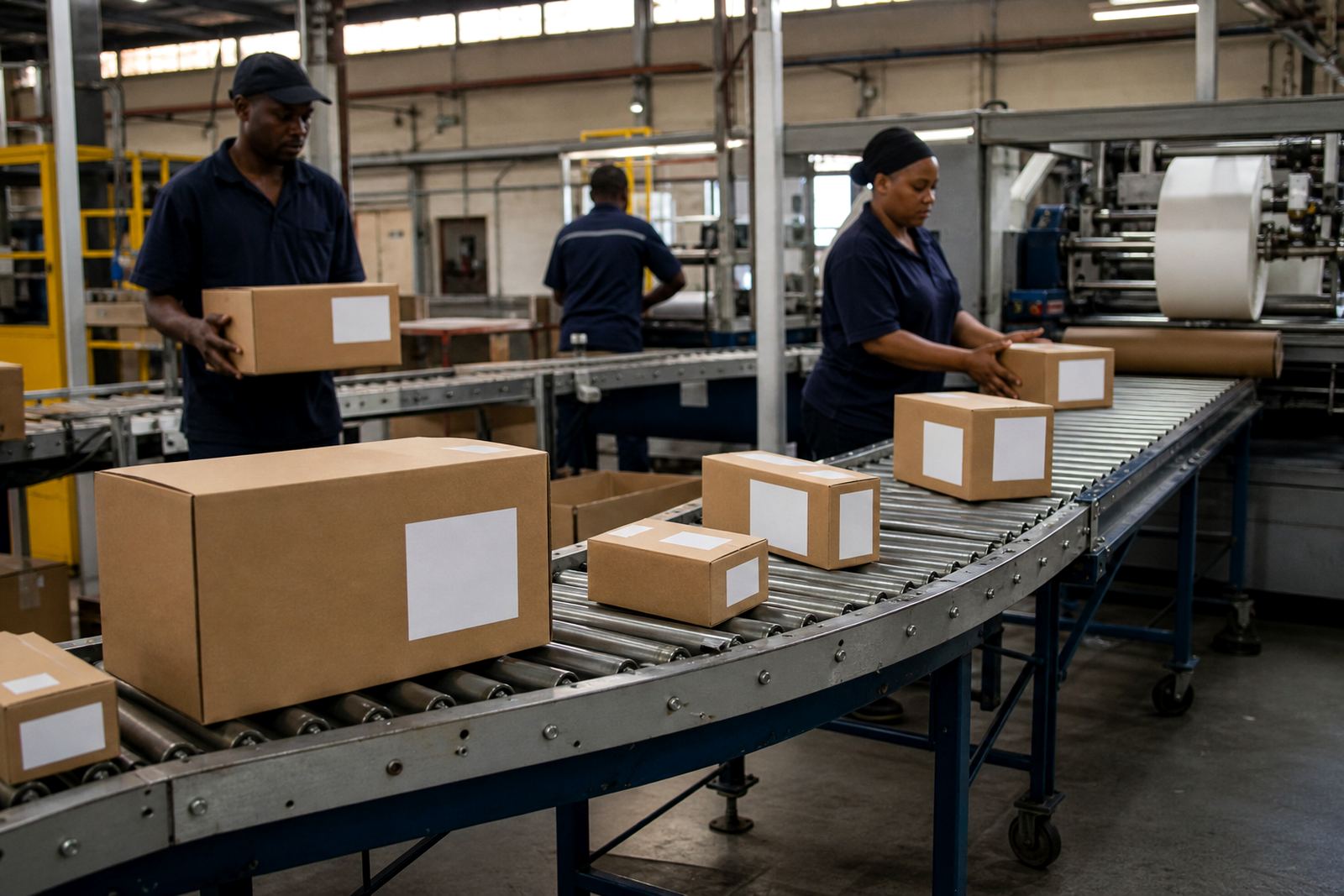
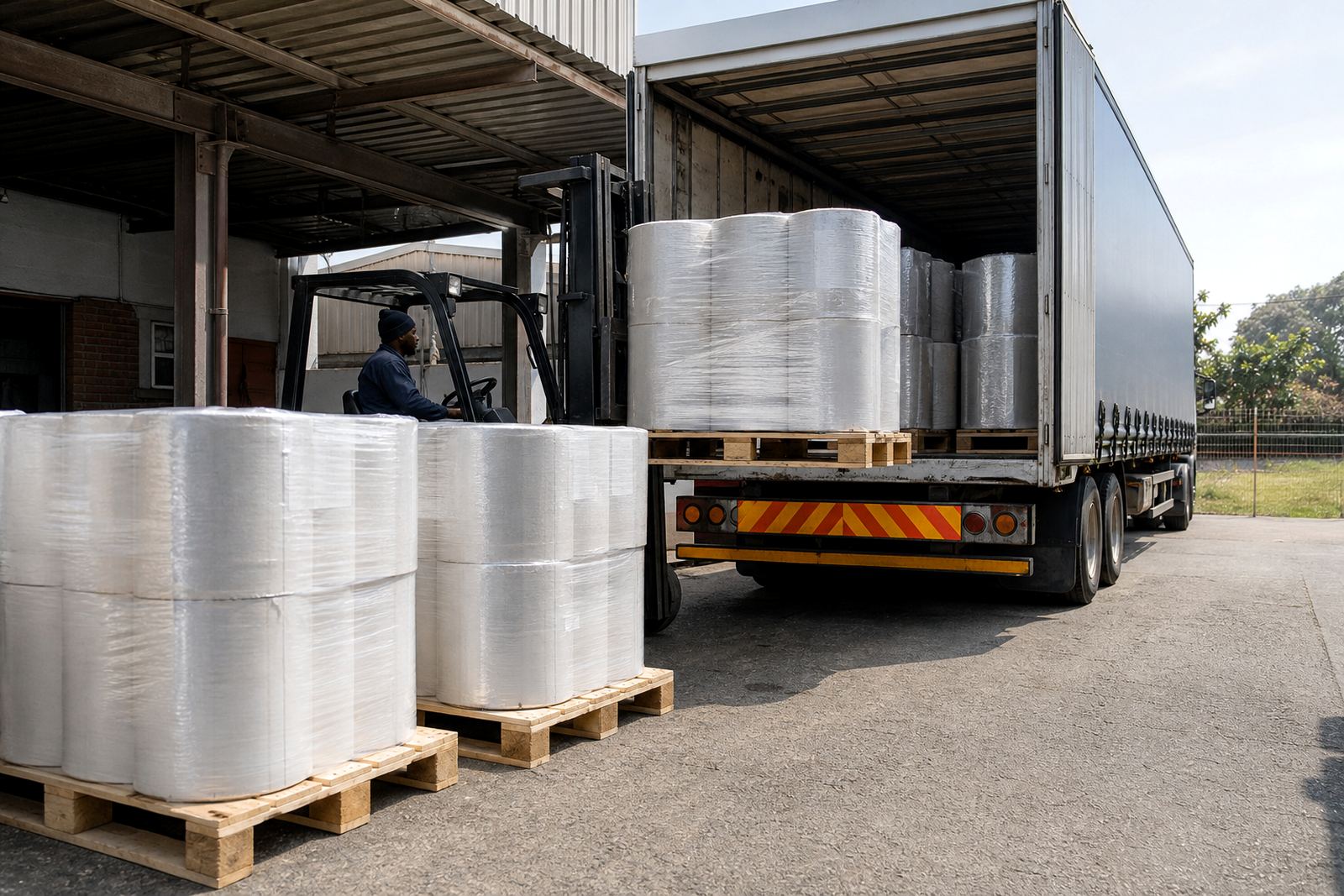
When the roll length is planned properly, operators spend less time changing reels and more time keeping orders moving. That matters when a site is dealing with mixed stock, split deliveries and a tight dispatch window.
Core sizes and printer fit checks that prevent grief
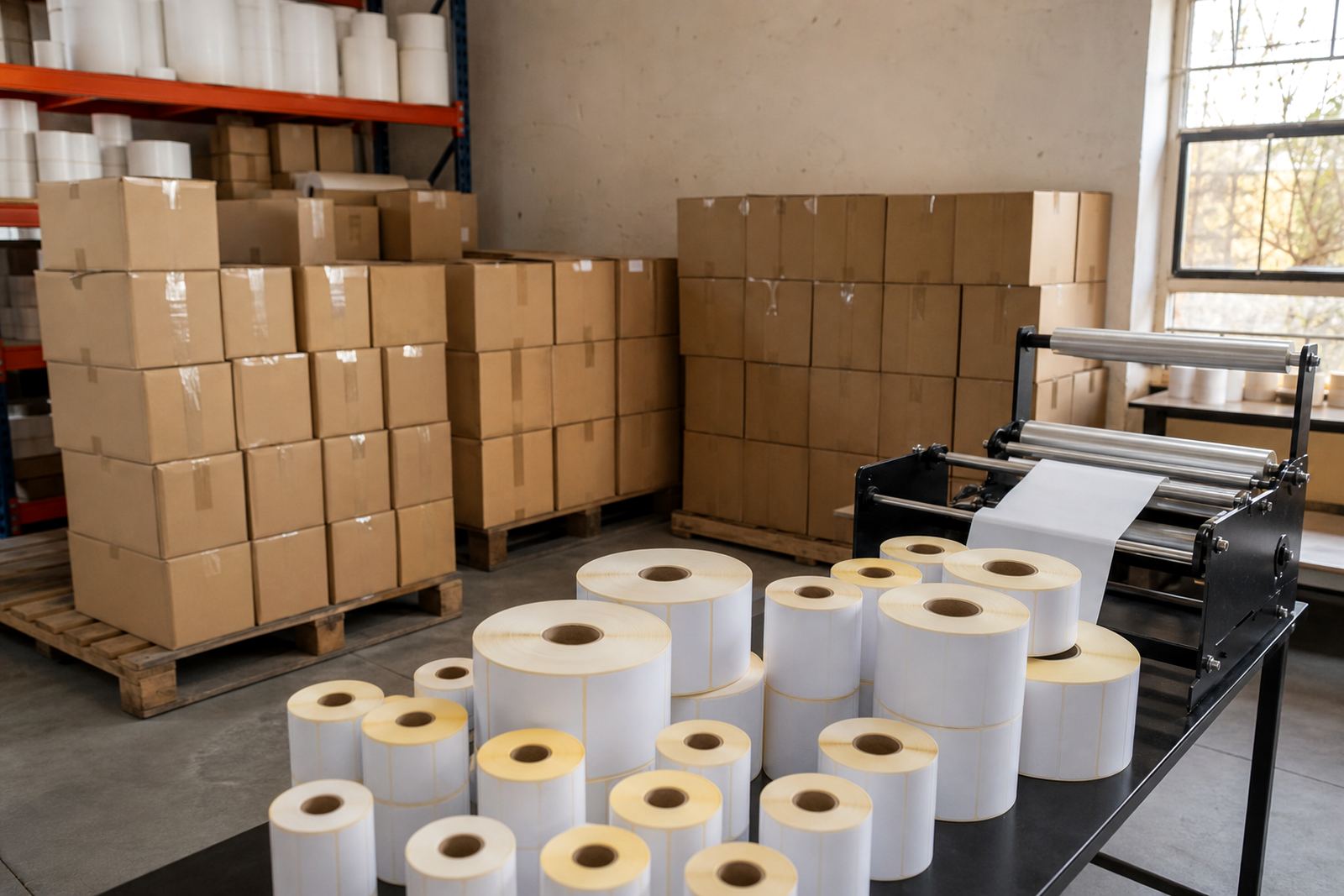
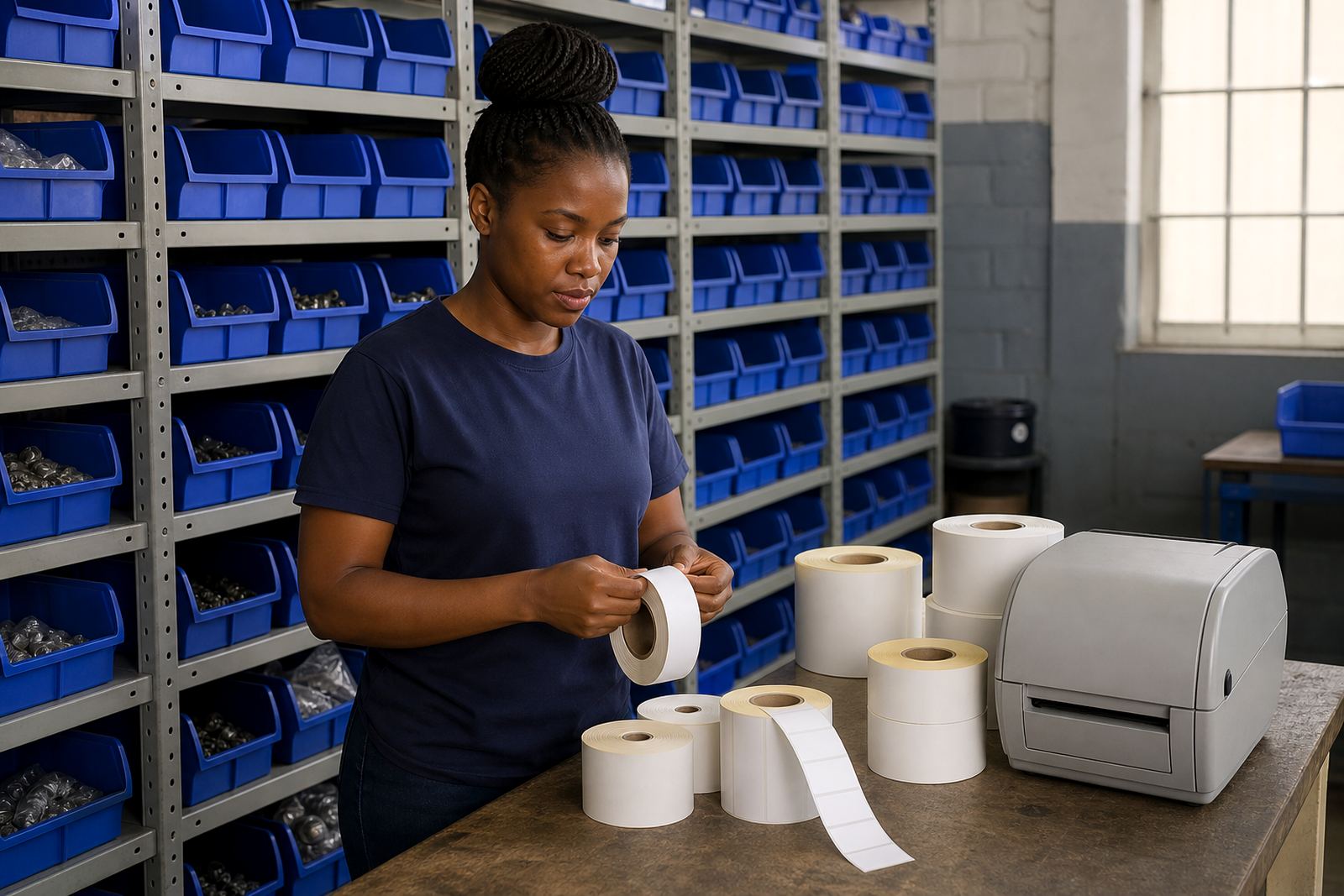
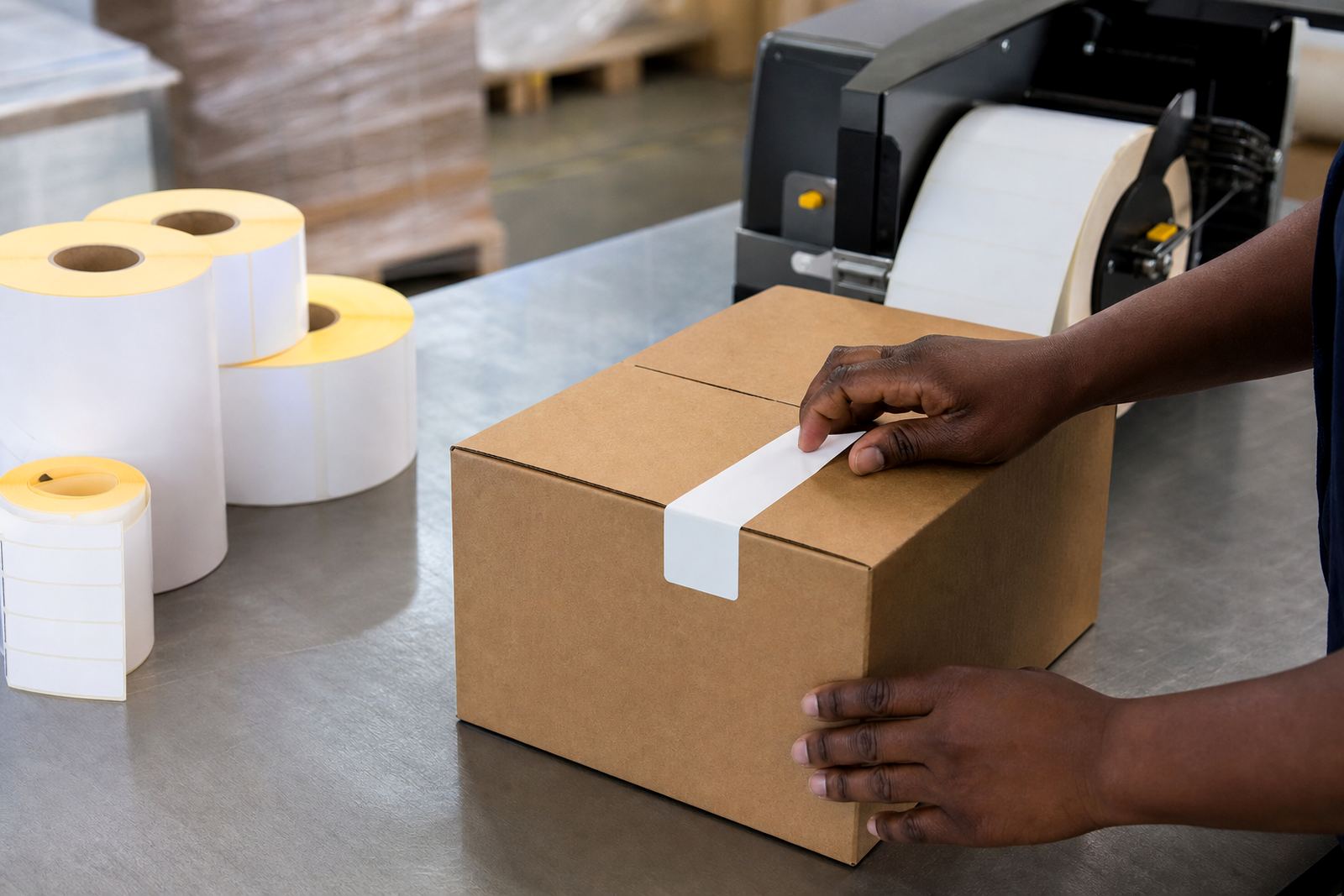
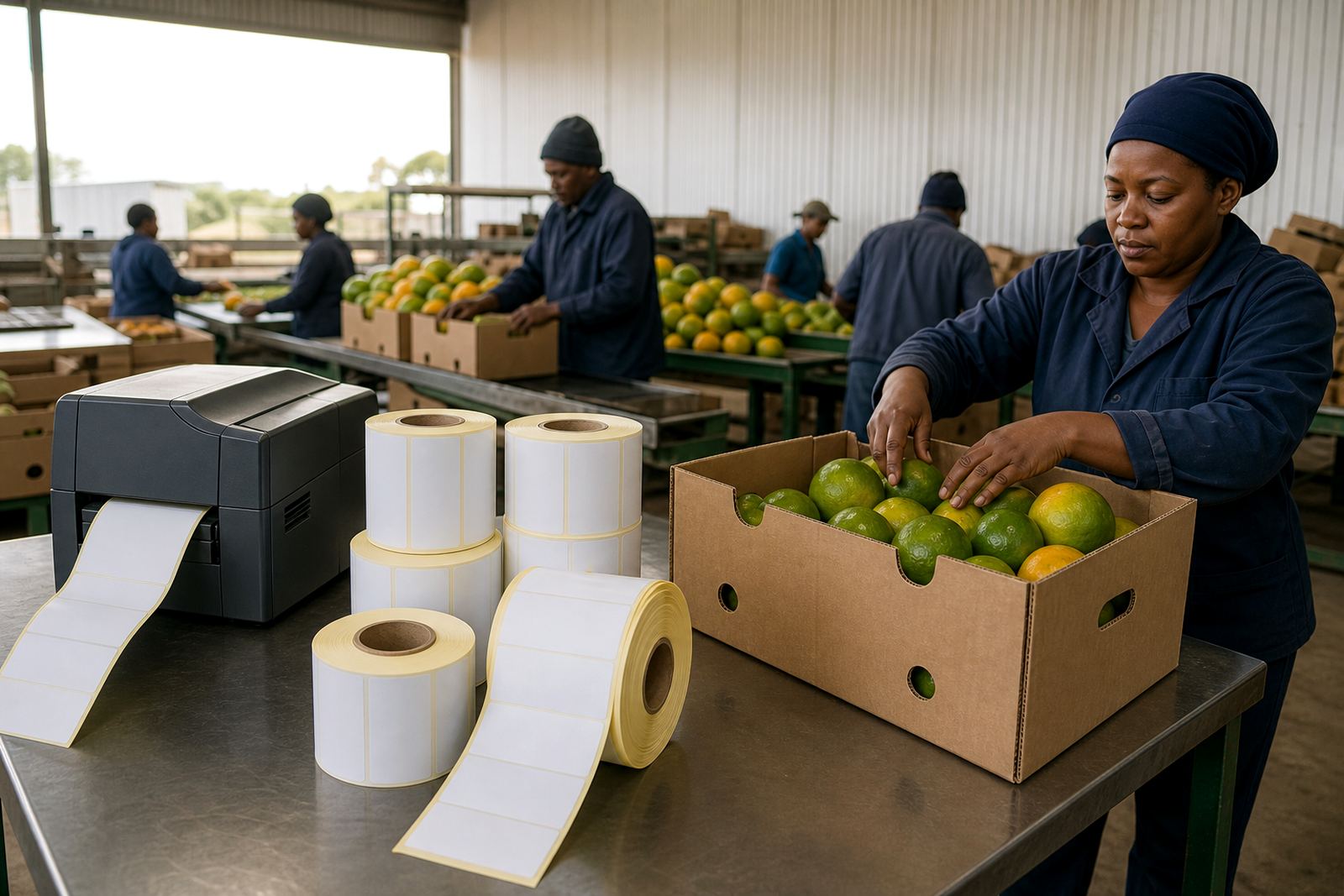
Core size sounds minor until the roll will not load into the printer holder. Common core sizes are used to suit benchtop label printers, industrial units and some rewinding or labelling setups. The outer diameter also needs to suit the machine feed path and the amount of space inside the housing.
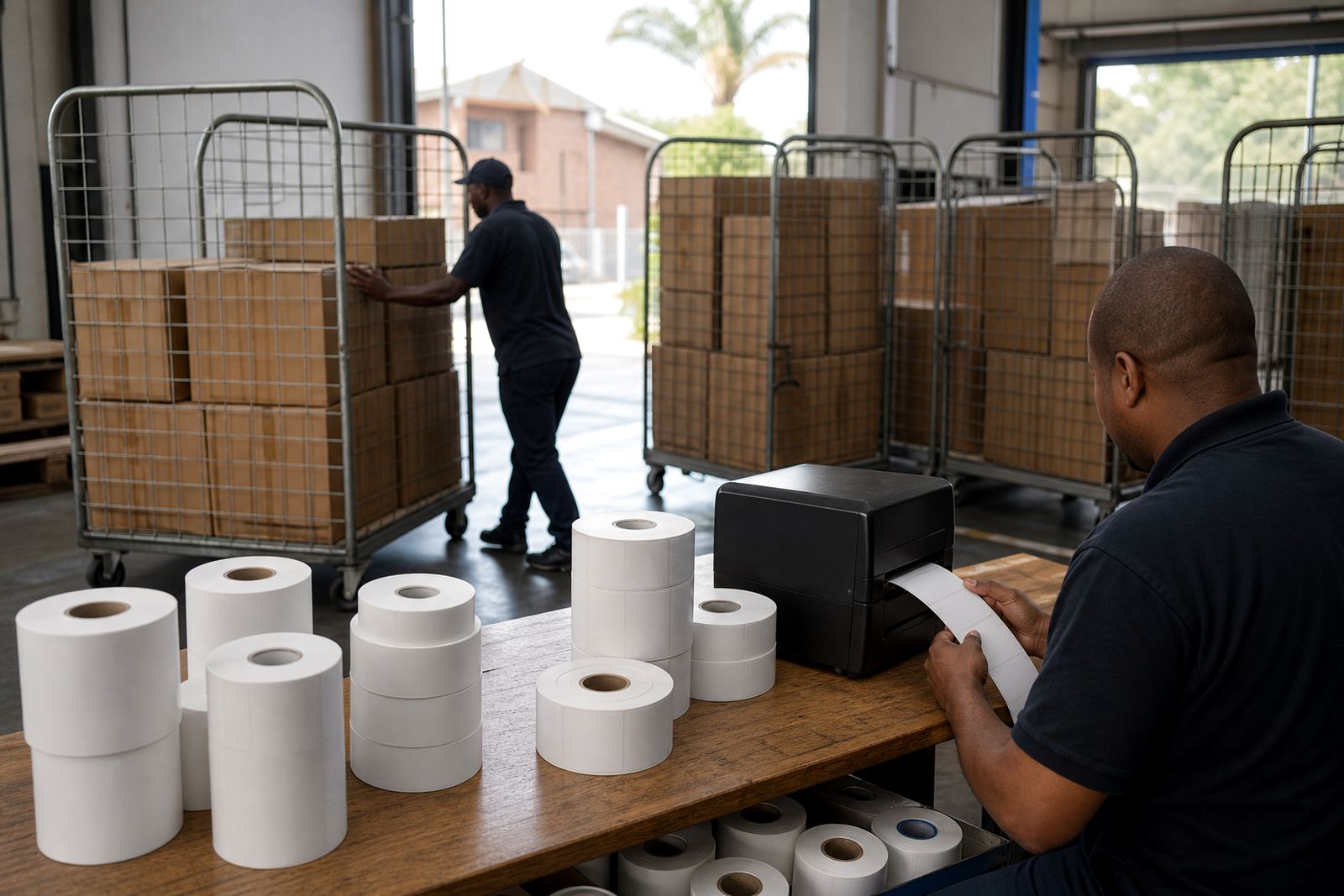
We check printer fit before a repeat job is confirmed, because a good label can still fail if the roll is too heavy, too wide or wound the wrong way. In many packing rooms, the smallest mismatch creates stoppages that slow everyone down for the rest of the shift.
- Core size must match the spindle or holder inside the printer.
- Roll diameter must stay within the machine's loading space.
- Web direction and unwind direction must suit the printer path.
- Label gap or black mark sensing must line up with the print sensor.
Direct thermal or thermal transfer: the practical split
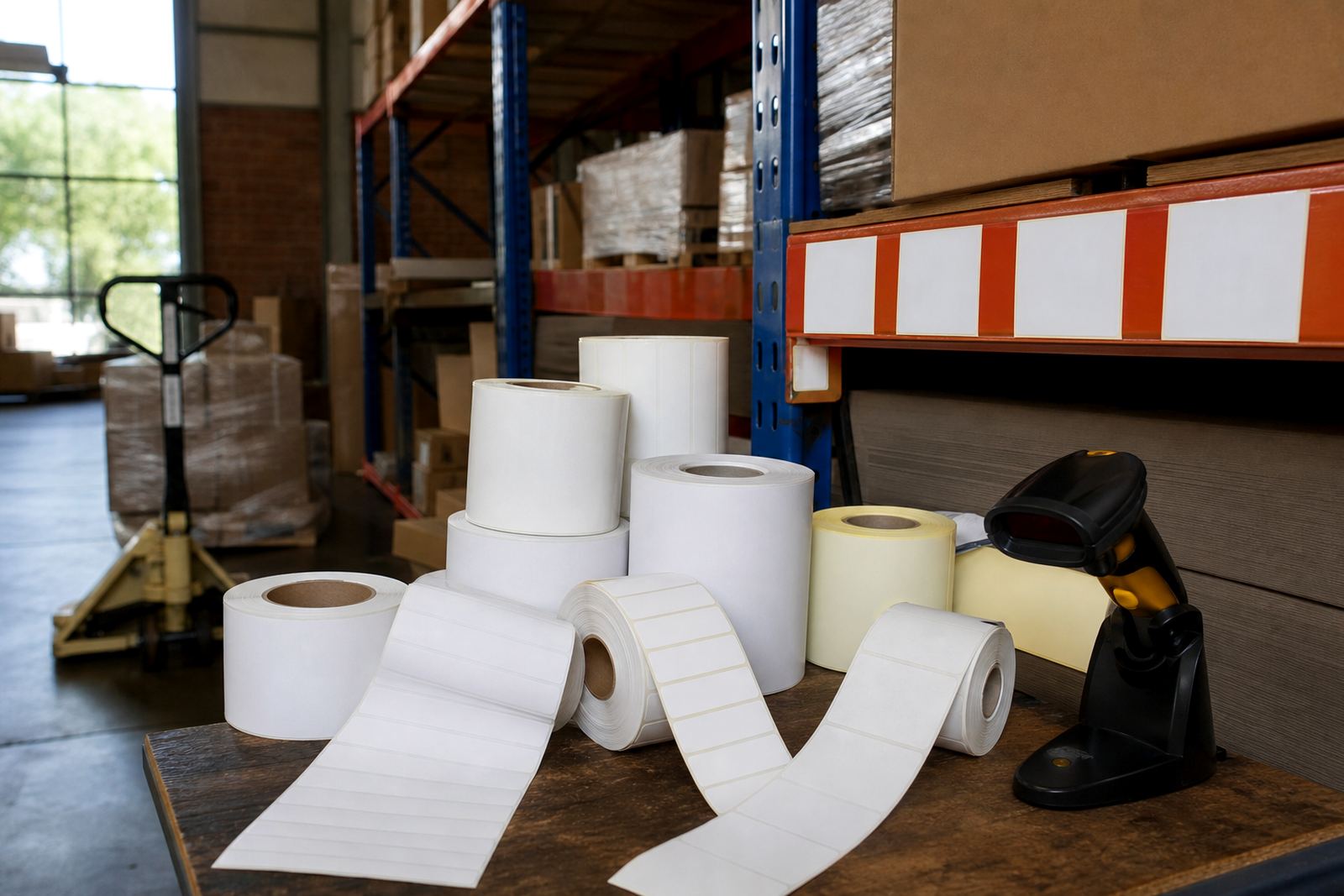
Direct thermal rolls are used where the print head heats the coated surface directly. They are useful for short-life labels, dispatch stickers and high-turnover use where speed matters. Thermal transfer uses a ribbon, which gives a more durable print for labels that need to last longer, resist handling, or stay readable in hotter and more humid conditions along the coast.
For businesses in Westmead, Pinetown and coastal towns, humidity can affect both the label face and the adhesive choice. For cooler or outdoor storage, thermal transfer is often the safer option. Direct thermal can still work well, but it has to be chosen with the end use in mind and not just the printer on hand.
Winding direction, rewind and the side that faces out
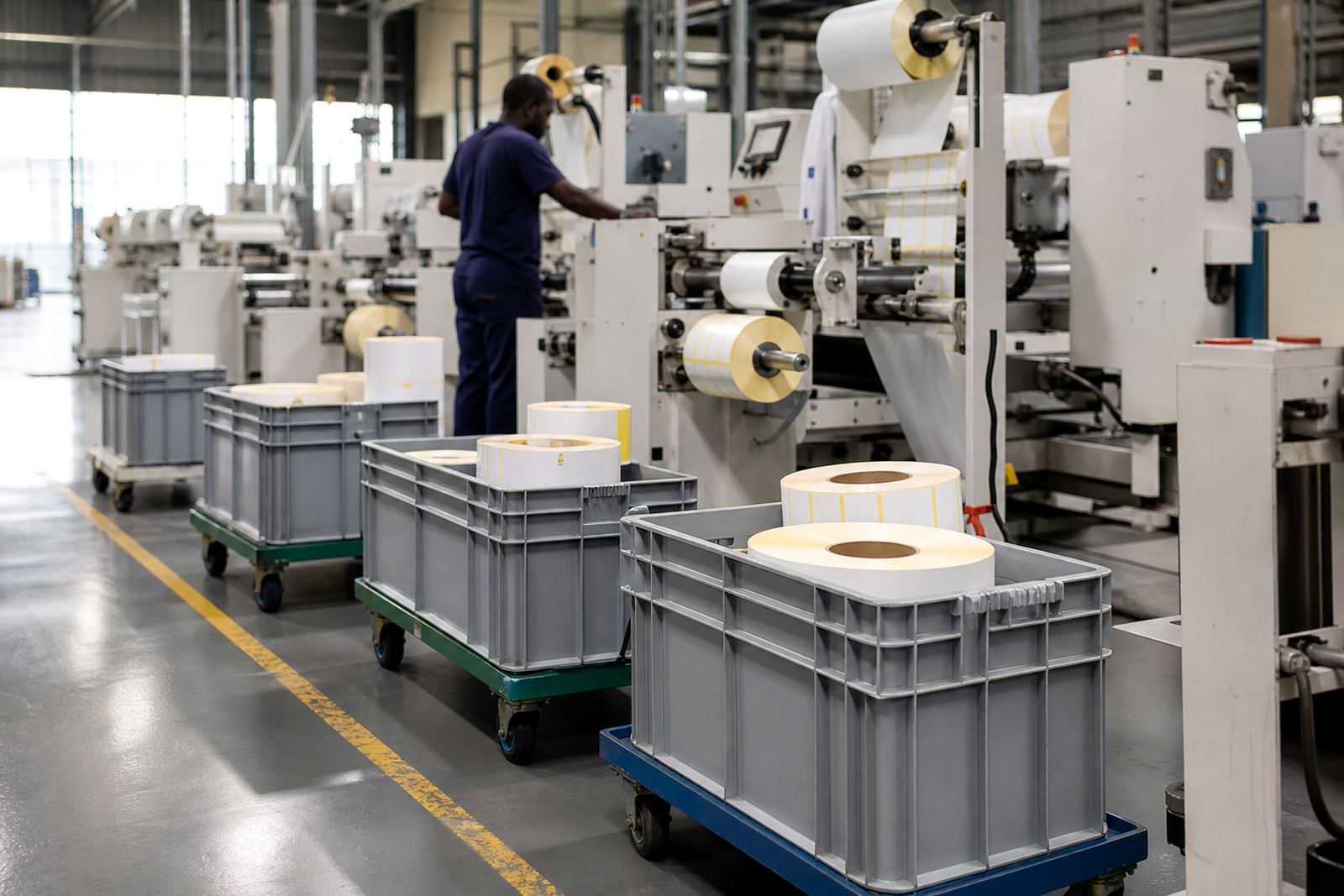
Winding direction is one of those details that only gets noticed when the labels start peeling the wrong way or the printer sensor misses the gap. Labels can be wound face in or face out, depending on the equipment and the way the roll is loaded. Rewinding also changes the finished roll presentation, especially after slitting wider parent rolls down to narrower widths.
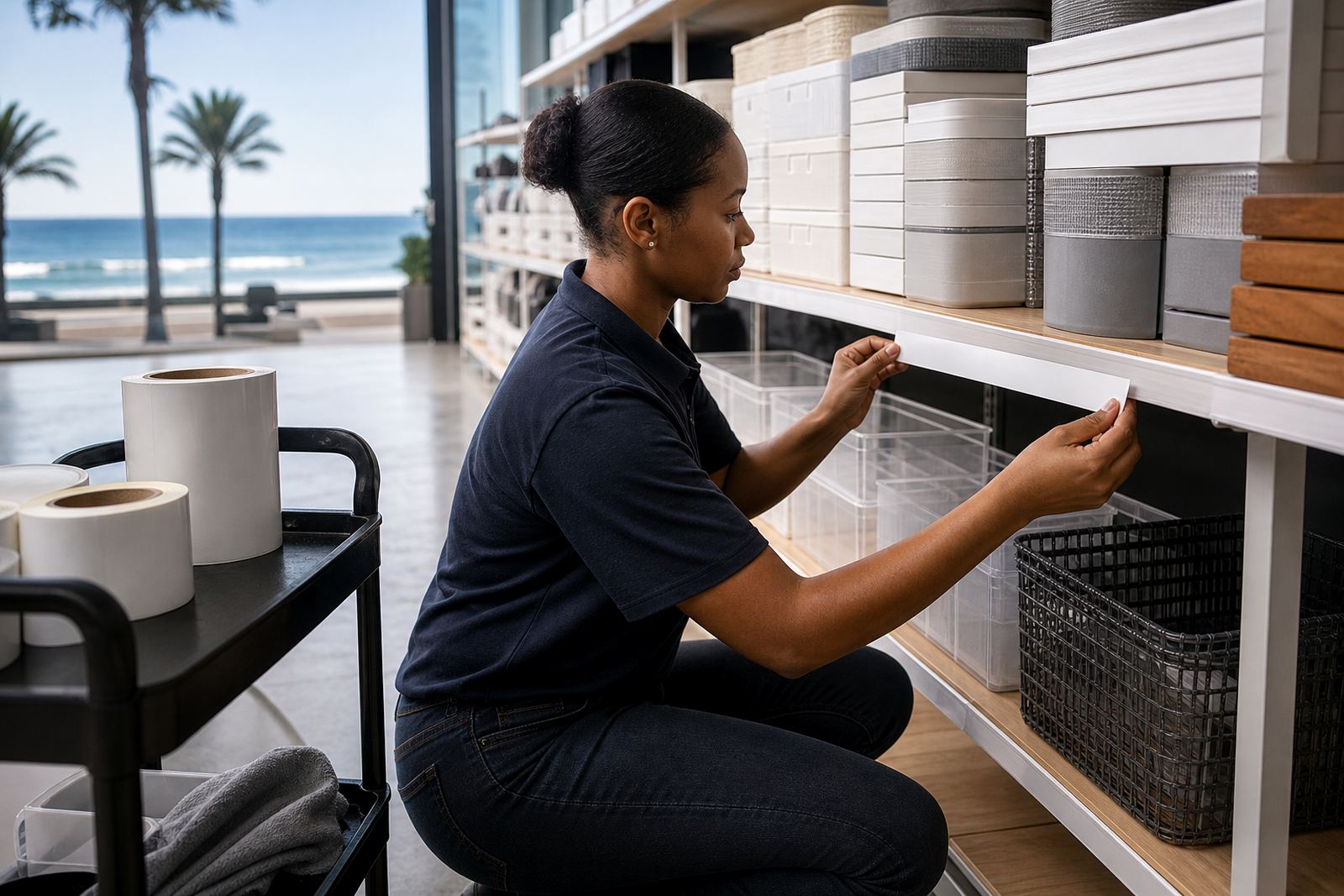
We plan winding direction for the machine, the operator and the pack line. That includes how the roll sits in the printer, where the peel edge lands, and whether the labels must dispense cleanly for hand application or automated placement. It seems small, but it makes a real difference to daily output.
Example job notes from different sites
The examples below show how roll specs can vary across packaging, retail and logistics work. They are not tied to named clients, only to the type of task the roll had to handle.
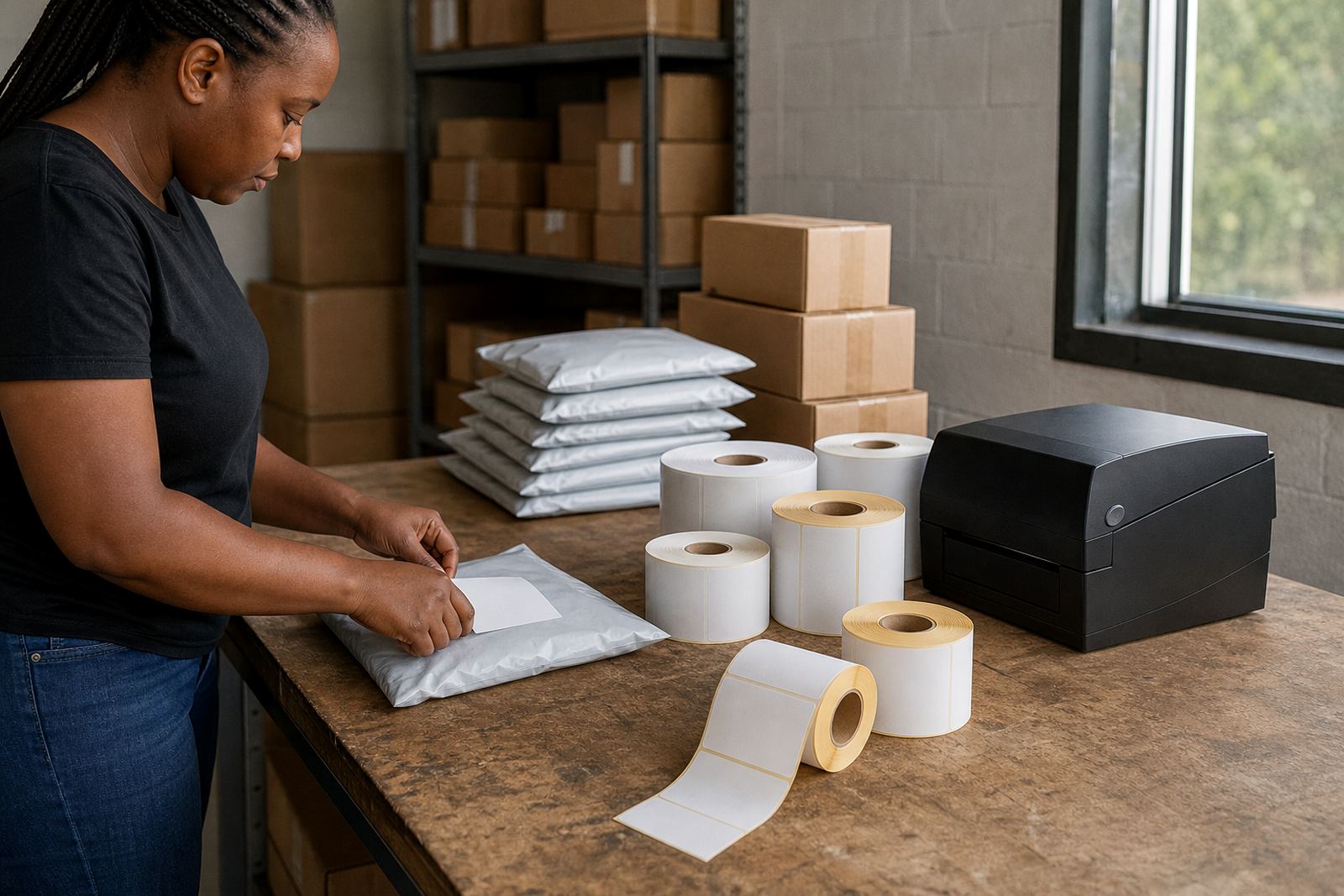
- A carton label job in Durban used a narrower self-adhesive roll with a strong general-purpose adhesive and a core suited to a benchtop printer.
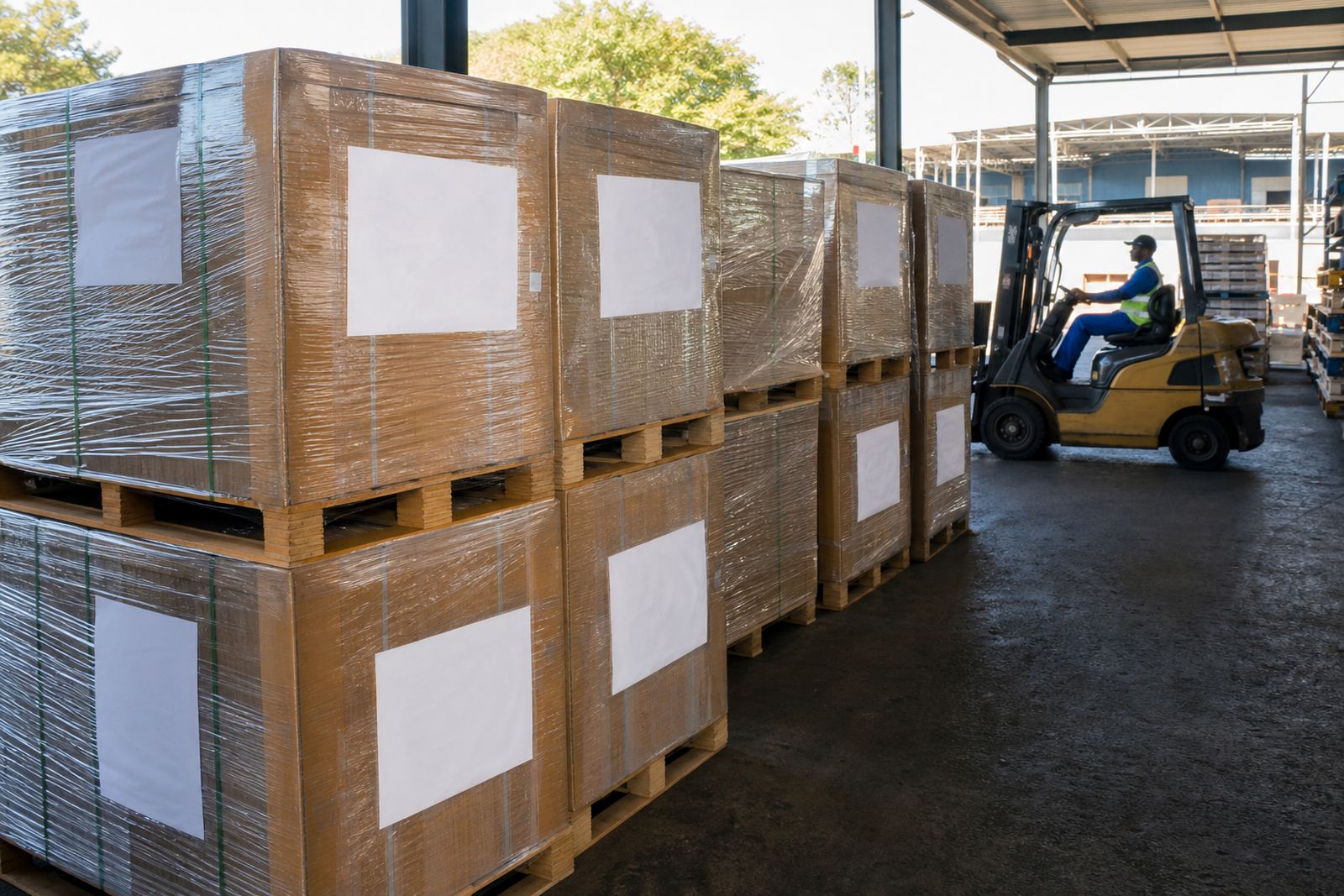
- A warehouse dispatch job in Johannesburg needed a longer thermal roll to cut downtime during peak order picking.
- A product sealing job in Cape Town called for a film face stock with better moisture resistance and a winding direction matched to the applicator.
- A Pietermaritzburg batch coding run used a transfer-print roll with a liner and web layout set for repeat labels on a production line.
These are the kinds of details that decide whether a roll works first time or gives repeated trouble. Size, liner, winding and core all have to sit together properly, not just look right on paper.
Planning future supply without changing the spec every week
Once a label spec is working, it helps to hold that format steady. Repeat order planning keeps the same width, length, core and winding direction unless the printer, pack size or storage conditions change. That saves time and lowers the chance of an avoidable mismatch during dispatch.
We also review usage where needed, because a stock that worked in winter may not behave the same in a humid summer store room. Adhesive matching, face stock selection and roll length planning can all be adjusted when the job changes. For clients across South Africa, that kind of practical check is often worth more than changing the artwork.
Clients reach us through the enquiry form on our contact page when they need a new roll spec, a sample roll, or a printer fit check before placing volume stock. That keeps the details in one place and makes the next run easier to repeat.