Small quantities, same work to do
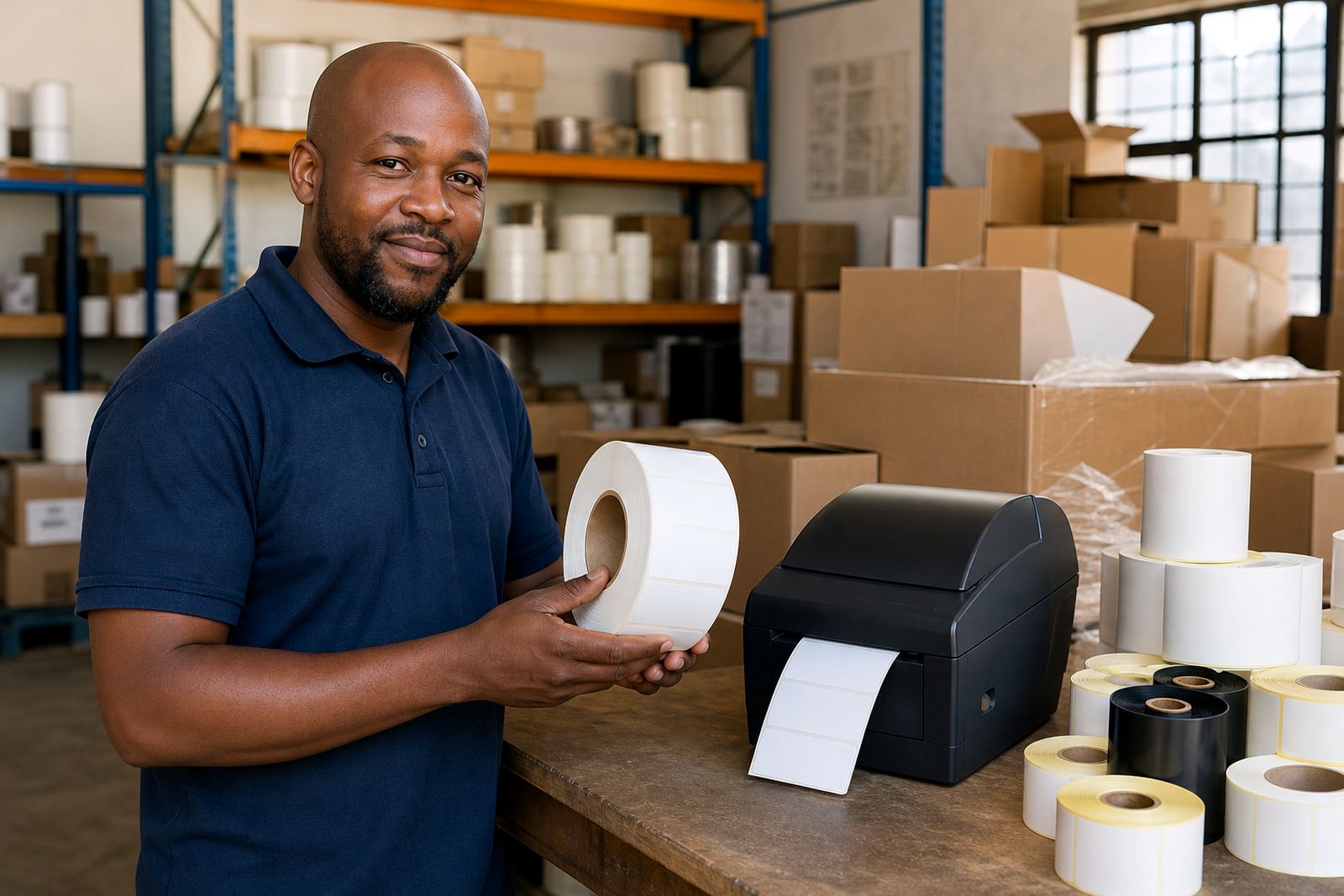
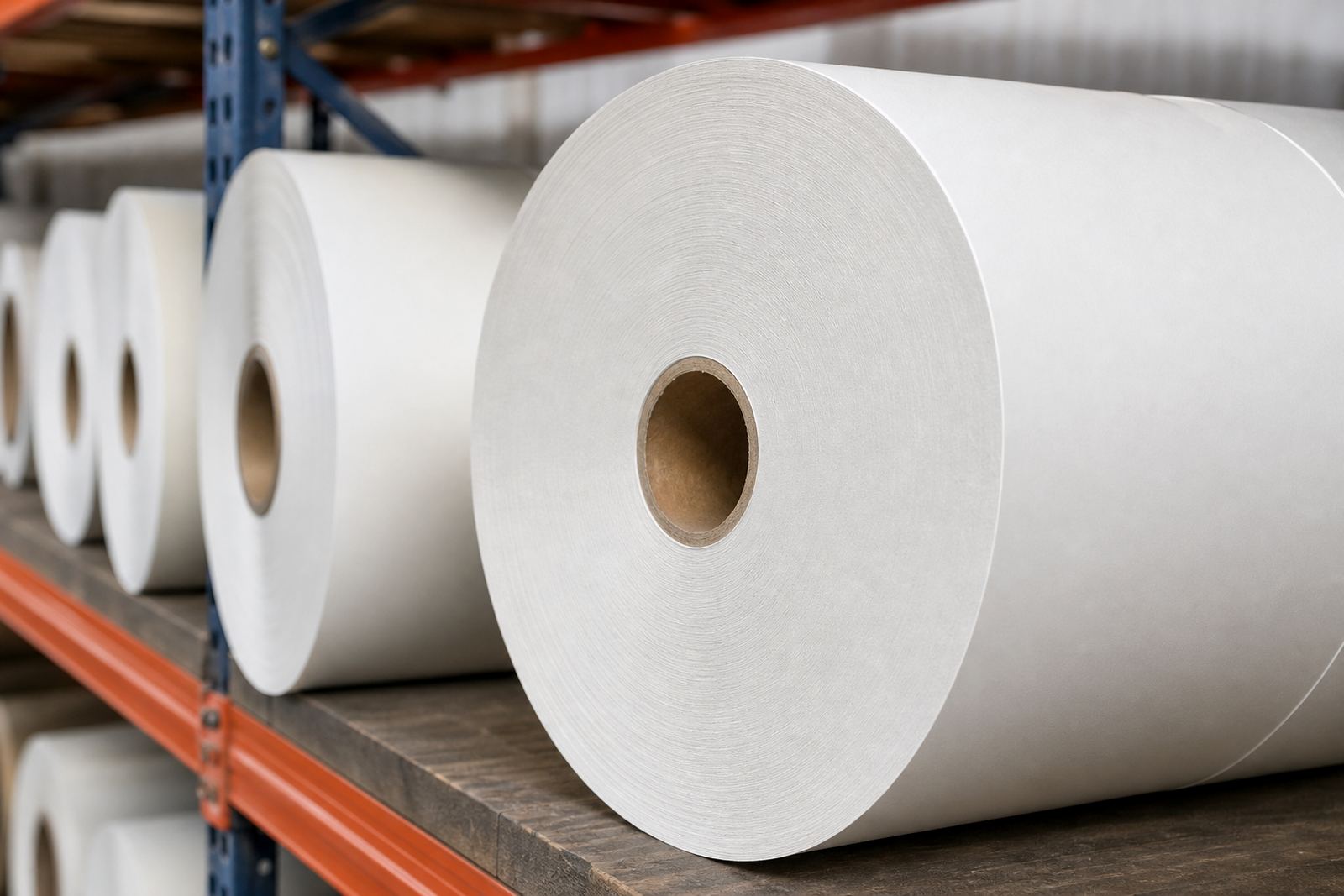
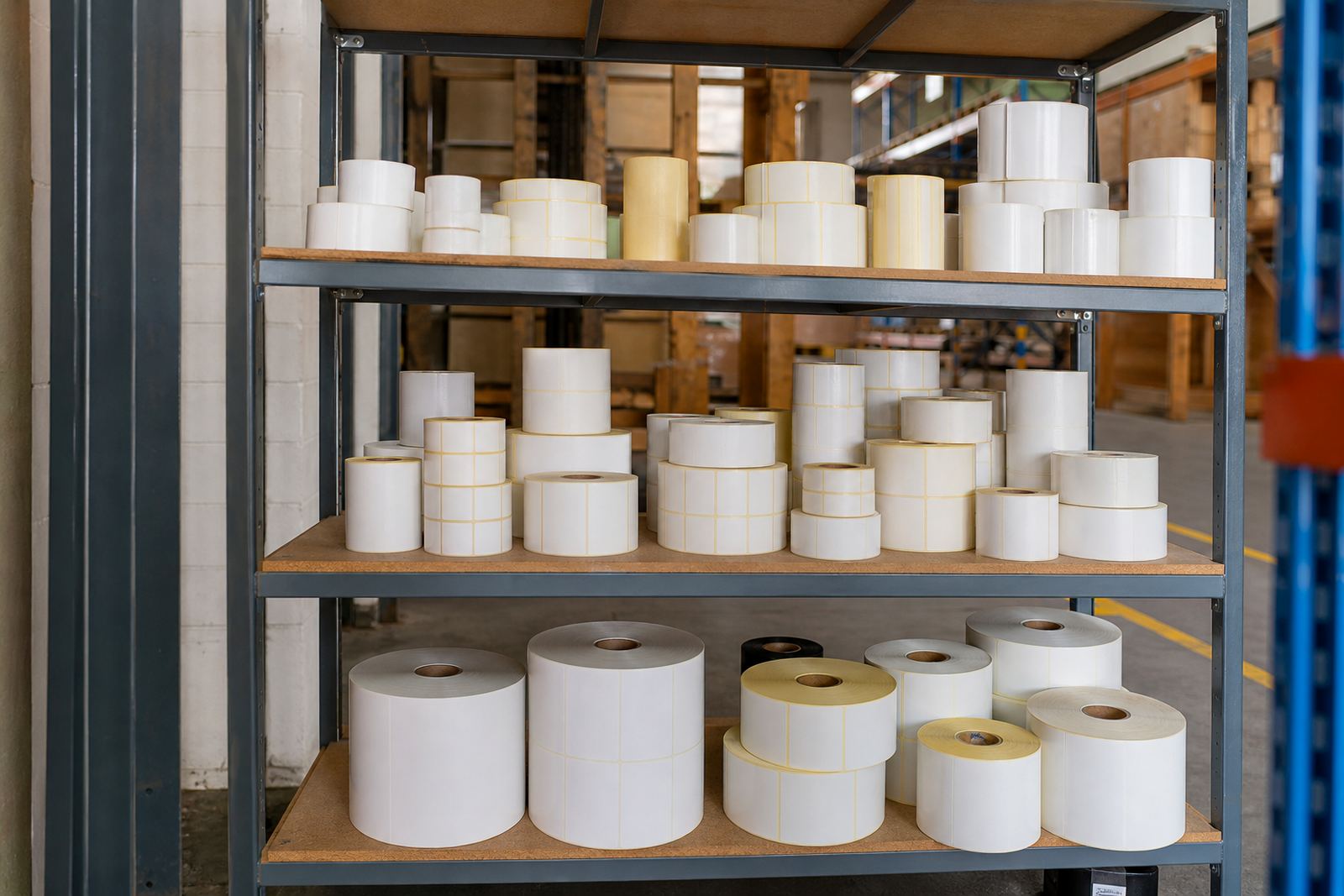
Short run rolls are made for jobs where a full production quantity is not the best fit. A new product launch, a changed carton size, a warehouse relabel, or a seasonal promotion can all call for a smaller batch. These rolls use the same basic label construction as larger runs, with a pressure-sensitive face stock, adhesive layer and liner, but in quantities that let you test, adjust, and move without tying up cash in excess stock.
They are used on packaging lines, shelf labelling, dispatch labels, batch codes and product identification where the artwork or specification may still be shifting. Many customers in Durban, Johannesburg, Cape Town, Pretoria and Pietermaritzburg use short runs when they are not yet ready for long term repeat volumes. That can be a run of a few rolls or a modest carton quantity, depending on label size and printer setup.
What goes into a short run roll
A short run roll can be built from different face stock, adhesive and liner combinations depending on the surface and handling needed. Paper face stock is commonly used for general product labelling, carton sealing and retail barcode work. Synthetic face stock is better for moisture, scuffing and cold room handling, especially where the label may face condensation or frequent touch points. For liner material, glassine and kraft options are often used, with the choice linked to conversion method, unwind consistency and the printer feed path.
- Face stock options: matte paper, semi-gloss paper, white synthetic and clear synthetic
- Adhesive options: permanent, removable and freezer grade where suitable
- Liner options: glassine or kraft, based on application and dispensing method
- Print method: direct thermal or thermal transfer depending on image life and exposure
When the label needs to hold up through transport or storage, the adhesive choice matters just as much as the face stock. A label on a dry carton in a store room behaves differently from one on a chilled tray or a bottle stored near spray washing equipment. We match the materials to the job rather than pushing one standard build for every order.
Printer fit that saves time on the line
Short run rolls still need proper fit checks. Roll width, outer diameter, core size, wind direction and gap or black mark sensing all affect how the label feeds. For benchtop printers, common core sizes are 25 mm and 40 mm, while industrial printers often use 76 mm cores. The label pitch must also suit the printer calibration, otherwise you get misfeeds, wasted labels or poor print placement. A small error here can slow a packing table very quickly.
If you are using direct thermal, the print image is formed on heat sensitive label stock and is useful for shorter life labels, dispatch work and many retail tasks. Thermal transfer uses a ribbon and gives better resistance to rubbing, moisture and sunlight, which helps on product labels that must stay readable for longer. We also check whether the printer accepts inside wound or outside wound rolls, because winding direction can stop a label job dead if it is wrong.
- Core size matched to the printer spindle or holder
- Roll diameter kept within the machine's load limit
- Label gap, notch or black mark set for the sensor
- Ribbon grade checked for thermal transfer jobs
Where short runs work hardest
Short run rolls are useful wherever stock changes often or packaging is not standard for long periods. Retailers use them for shelf tickets, price labels and seasonal promotions. Logistics teams use them for carton ID, route labels and temporary dispatch coding. Manufacturers use them for batch stickers, pack labels and test production where artwork may still be under review. They also suit contract packers who need to change from one customer format to another without holding too much spare material.
In coastal areas like Durban and Pinetown, humidity can affect paper choice and label adhesion if the stock is stored badly. In inland stores and depots, dust and temperature shifts can change how a label releases from the liner or bonds to a carton. Short run planning makes it easier to adjust the label build when the site conditions are known, which is often the difference between a clean dispense and a sticky mess.
How to store and handle the rolls
Label rolls should be kept in a clean, dry area away from direct sun and heavy heat. Store them flat where possible and avoid leaving cartons open in humid or dusty rooms. If the stock is being used for direct thermal printing, keep the rolls away from hot surfaces and strong light, because the image layer can darken or react over time. Thermal transfer stock needs ribbon handling that is clean and free of grit, because even small dirt marks can affect print quality.
On the floor, allow the operator to handle the rolls by the edges and avoid crushing the carton corners. If labels have been stored in a colder space, let them settle to room temperature before loading, especially in winter mornings in Gauteng or after a refrigerated delivery. That small step can reduce curl, static and feed issues. It sounds minor, but it saves time when the line is busy.
- Keep cartons sealed until use
- Do not stack heavy pallets on label cartons
- Rotate stock so the oldest rolls are used first
- Avoid folding, denting or wetting the liner edge
Details to confirm before we convert your order
For short runs, the exact spec matters because there is less room for correction once the rolls are made. We need the label size in millimetres, the number of labels per roll, the core size, the roll diameter limit and the printer make or model where possible. It also helps to know whether the job is direct thermal or thermal transfer, whether you need permanent or removable adhesive, and what surface the label will stick to. Cartons, glass, plastic, chilled packs and coated boxes all behave differently.
It helps to mention whether the labels will face abrasion, moisture, freezing, oil, or long storage. If you are unsure, we can work from a sample roll, a used label, or the print layout details you already have. That gives us a cleaner starting point for winding direction, release, slit width and repeat length. Our team in Westmead, Pinetown handles custom slitting, rewinding, core sizing, roll length planning, sample rolls and printer fit checks for businesses across South Africa.
Key facts
| Product type | Short run self-adhesive label rolls |
|---|---|
| Face stock options | Paper, semi-gloss paper, white synthetic, clear synthetic |
| Adhesive options | Permanent, removable, freezer grade where suitable |
| Liner options | Glassine or kraft |
| Core sizes | 25 mm, 40 mm and 76 mm, subject to printer fit |
| Print formats | Direct thermal or thermal transfer |
| Supply area | Westmead, Pinetown to Durban, Johannesburg, Cape Town, Pretoria and Pietermaritzburg |