



Cartons, sleeves and seals that stay put in transit
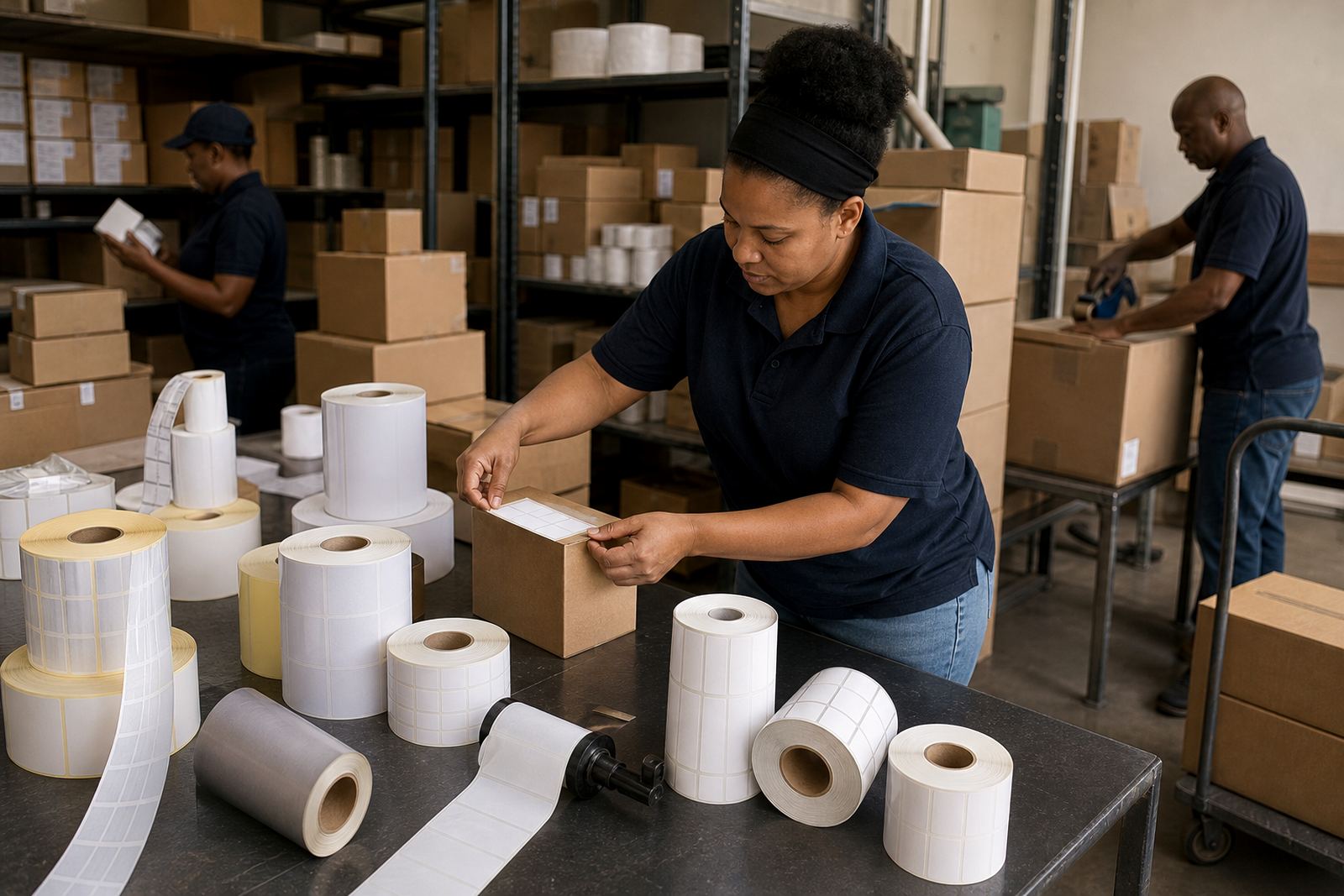
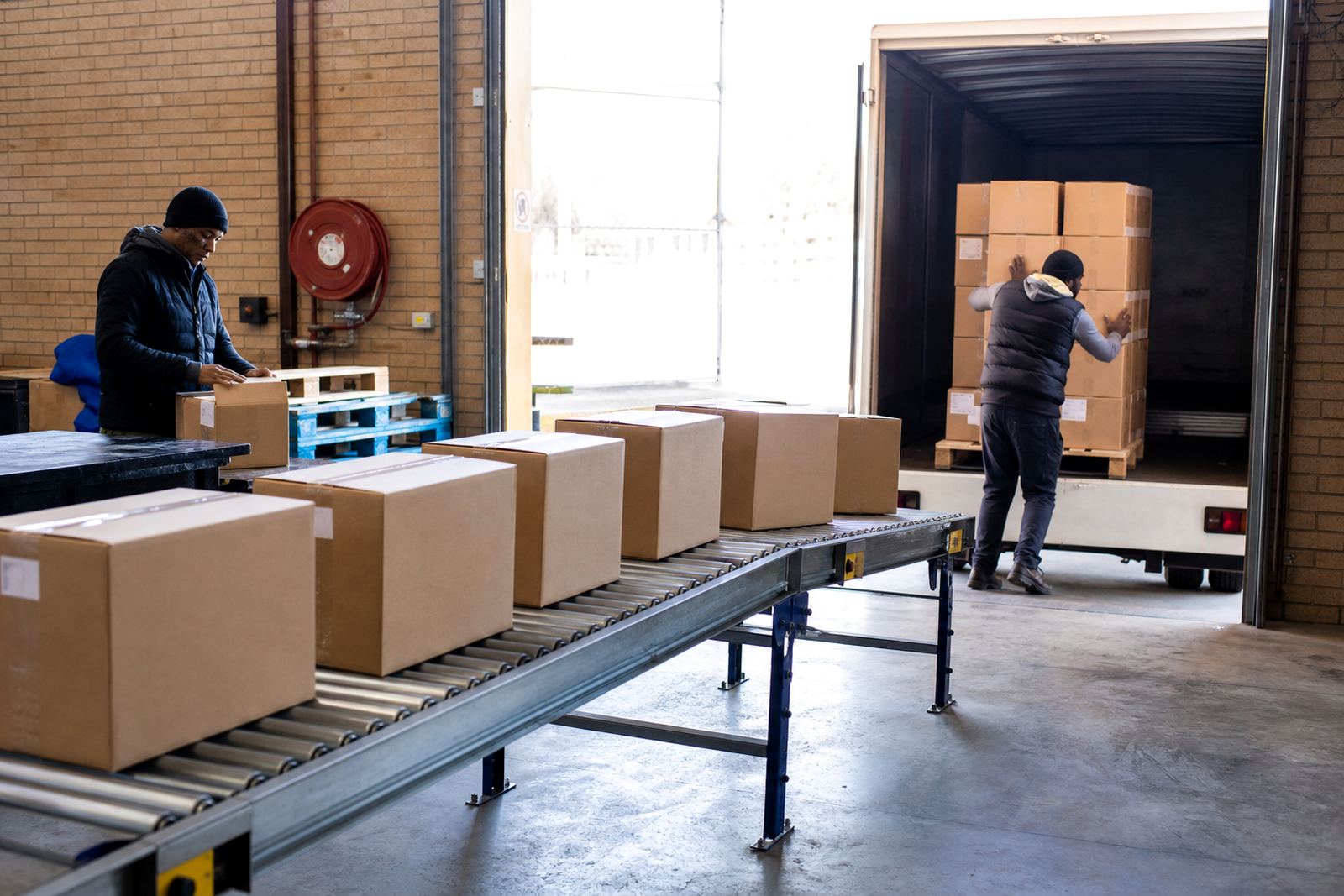
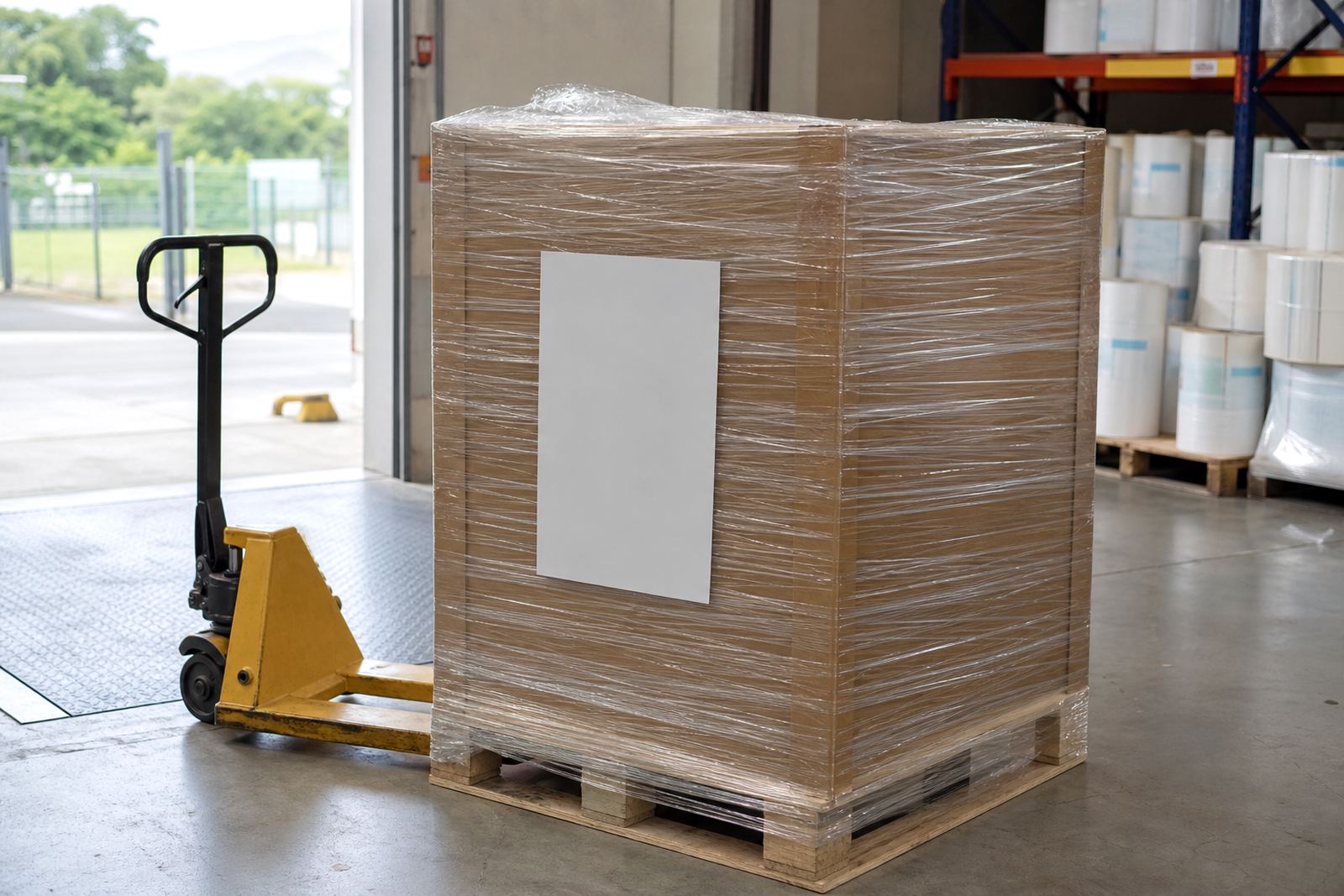
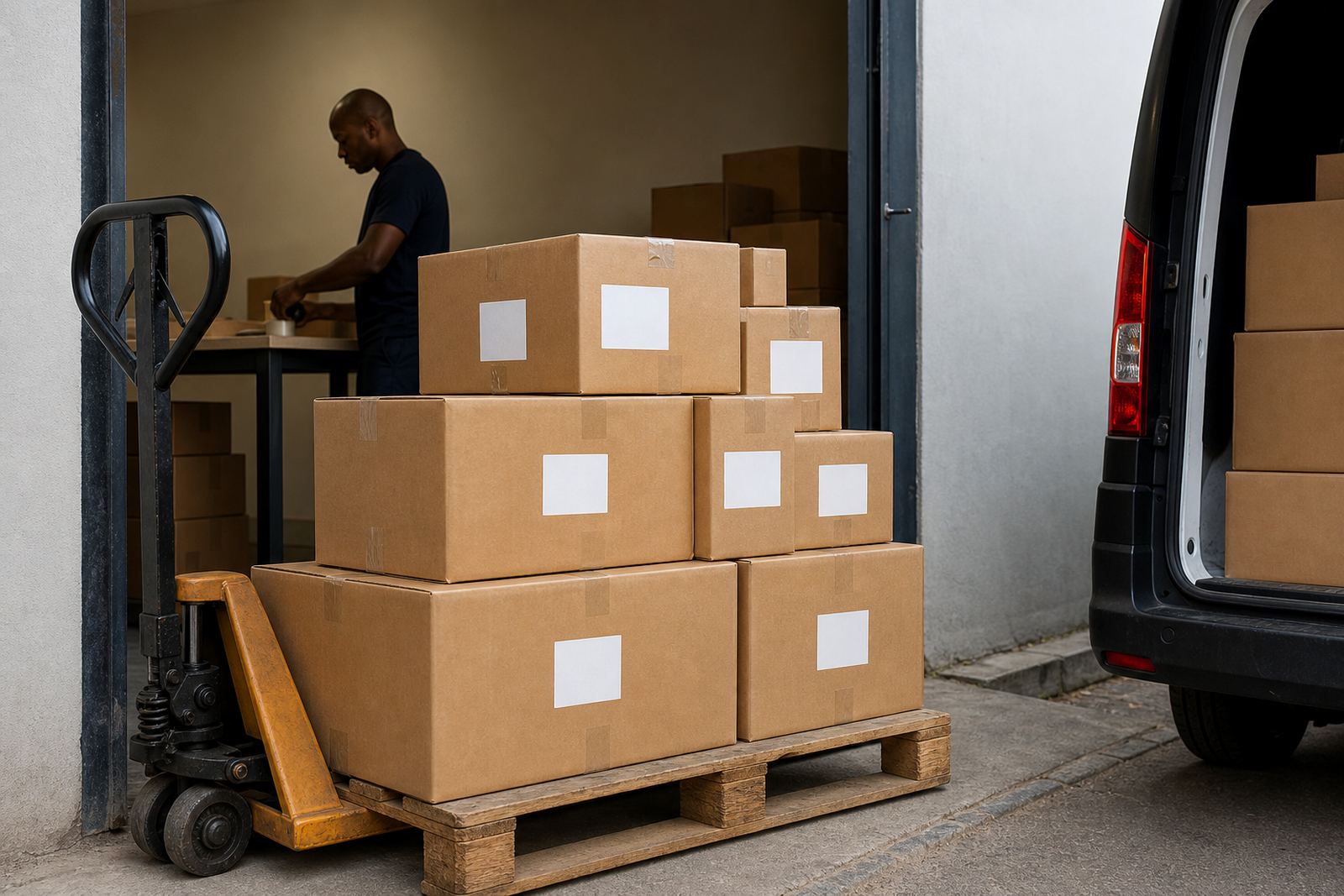
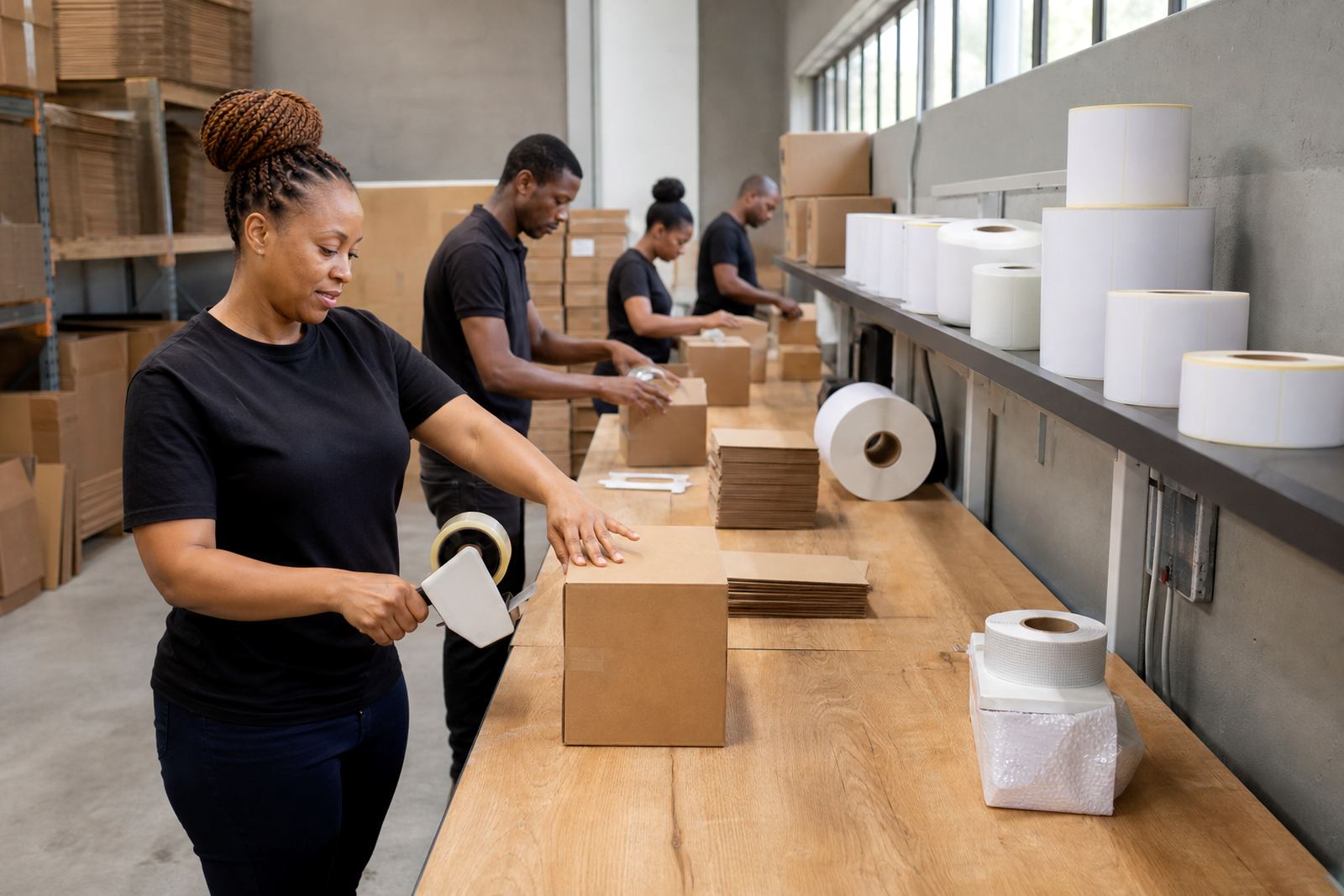
For shipping cartons, tamper seals and outer packaging, the label has to cope with handling, dust and temperature swings between the packing floor and the courier. In Durban and coastal areas, humidity can affect how neatly labels release and stick, while inland sites often deal with more dust and static. A good match starts with the face stock, then the adhesive, then the liner and roll size.
Paper face stocks are often used for general carton identification, while synthetic face stocks are selected where moisture, rubbing or longer shelf life is a concern. Permanent adhesives suit most transit labels, but removable or high tack options may be better where surface type changes from corrugated board to plastic film. roll direction and unwind also matter on faster lines.
Retail shelves, price labels and product presentation
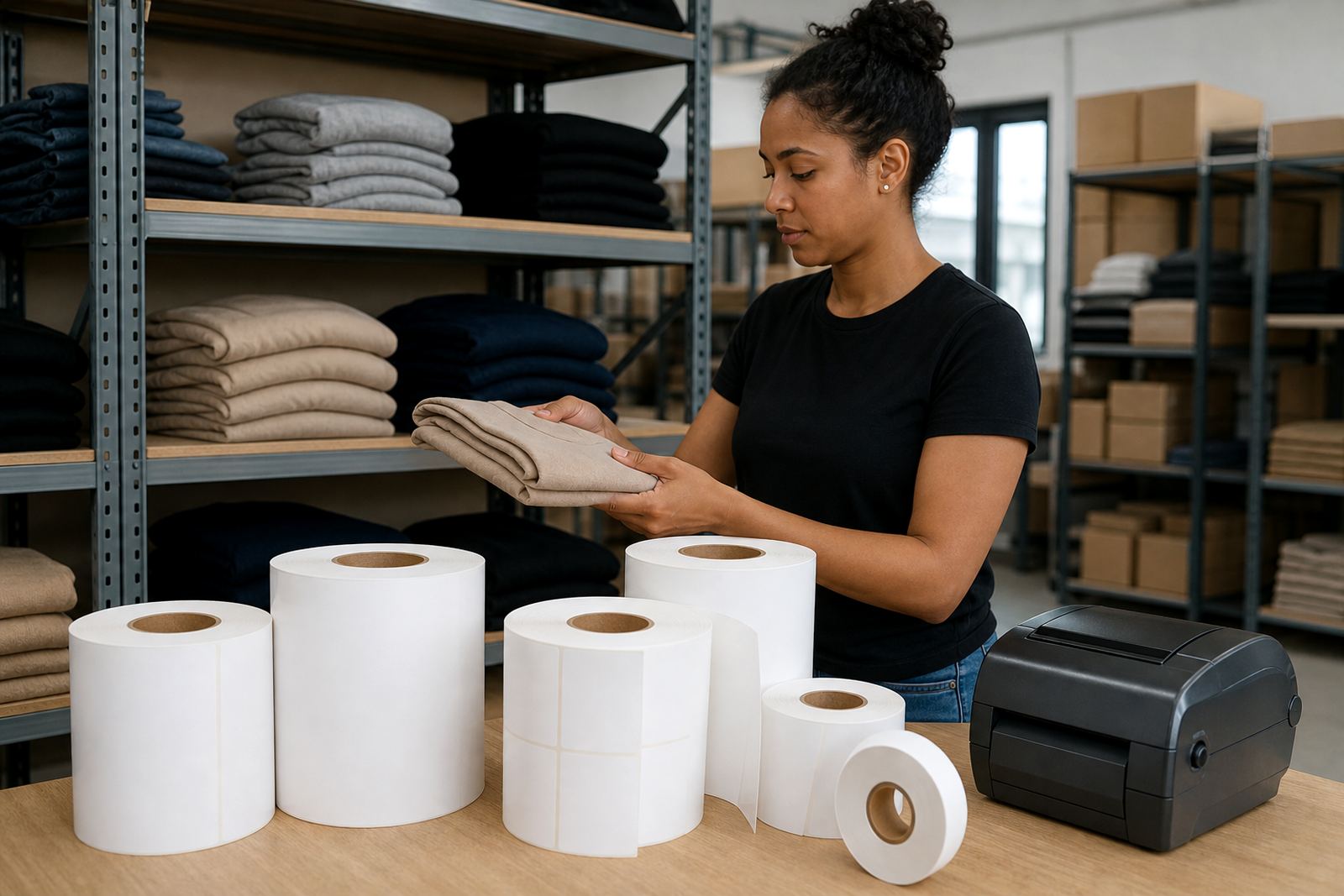
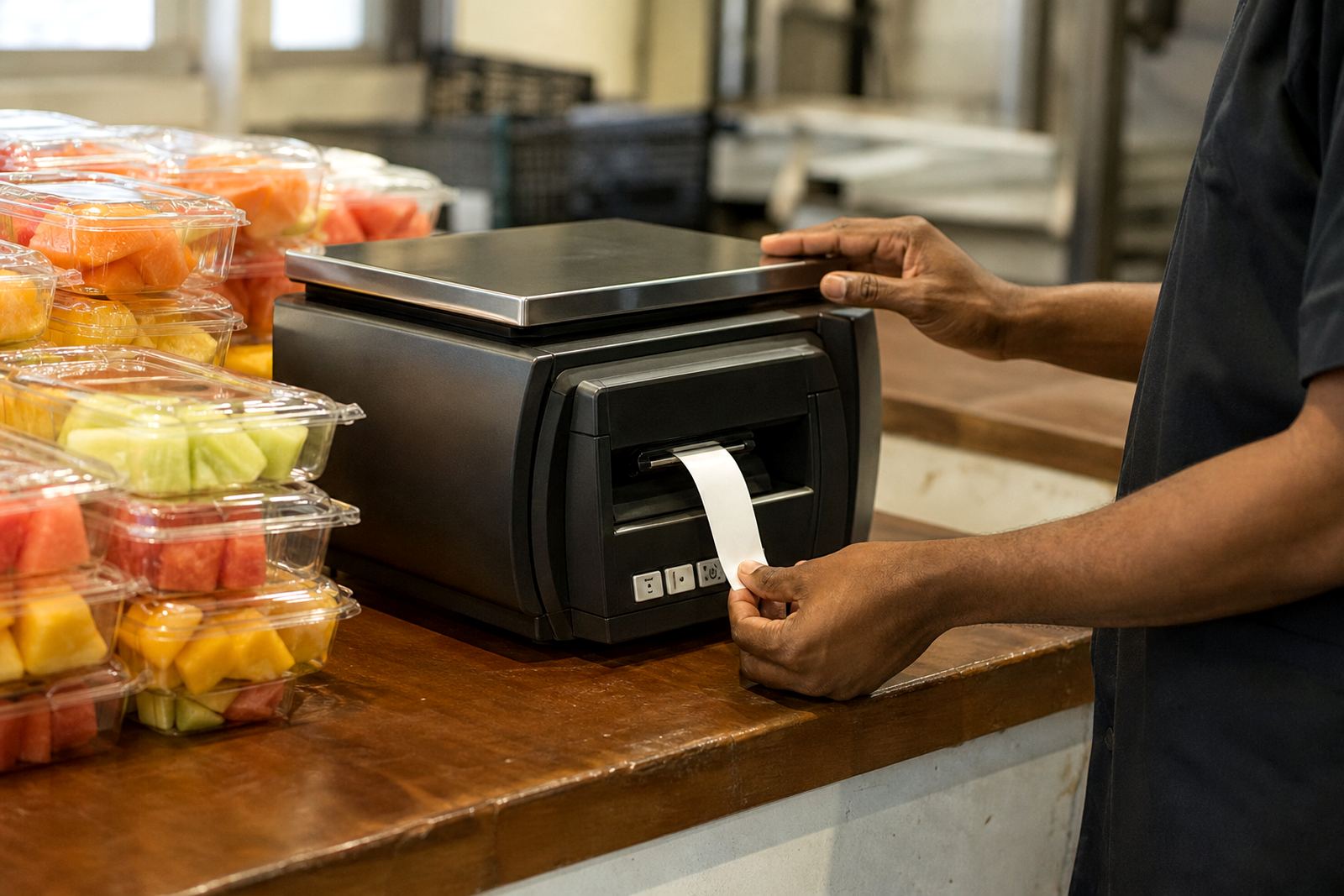
Retail work tends to need clear print, clean edges and easy feed through benchtop or industrial printers. Many stores use direct thermal rolls for short-life shelf labels, weighing slips and marked-down stock because there is no ribbon to manage. Where the label must last longer, thermal transfer stock with the correct ribbon gives a more durable print finish.
- Direct thermal suits short shelf life and fast-moving stock rotation.
- Thermal transfer suits longer display life, handling and storage.
- Core size and roll diameter must match the printer and holder.
- Face stock finish can affect barcode scanning and text sharpness.
For stores with frequent reprints, repeat order planning helps keep the same label format consistent across branches, which saves time at the till or in the stockroom.
Factory coding, batch marks and line-side work
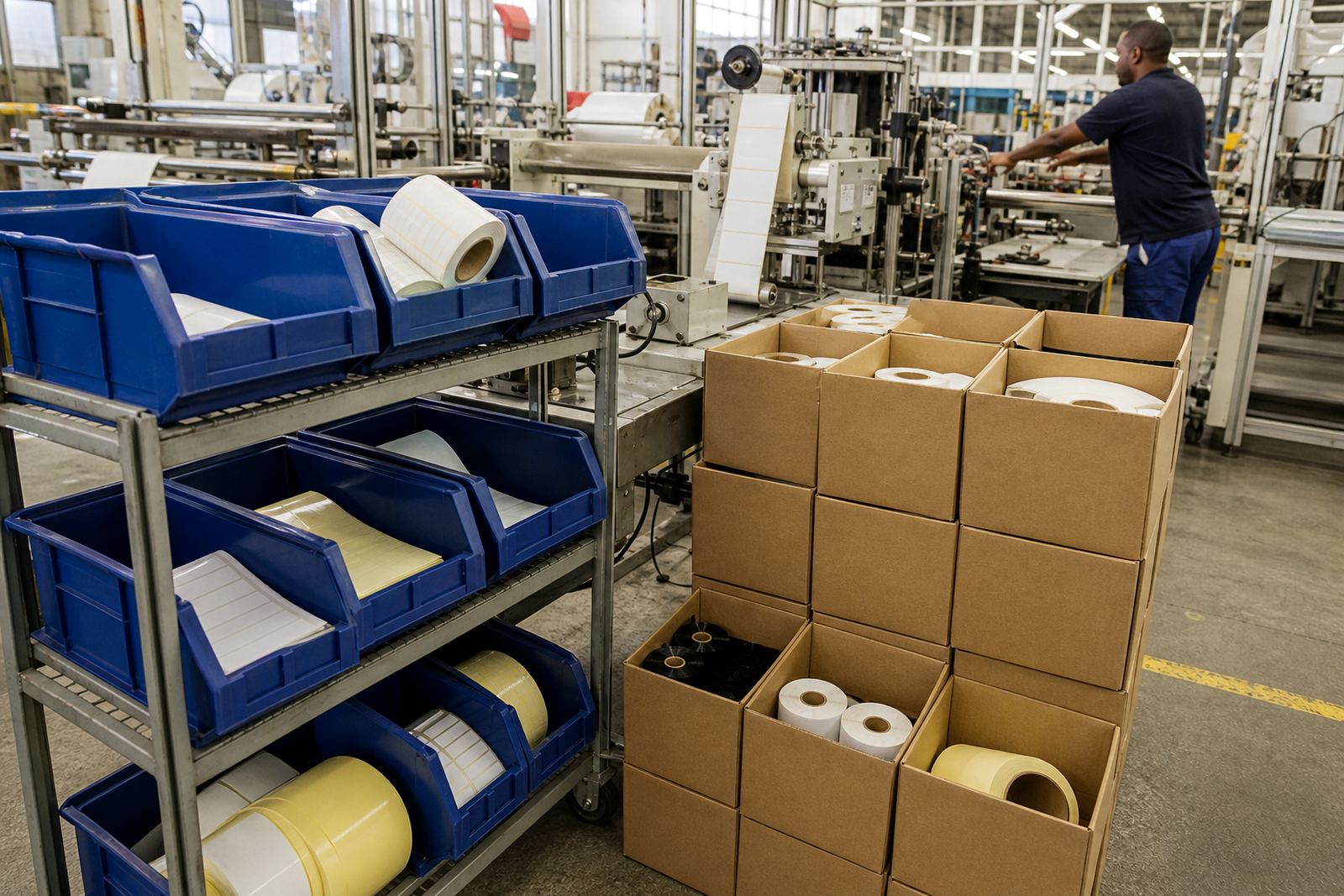
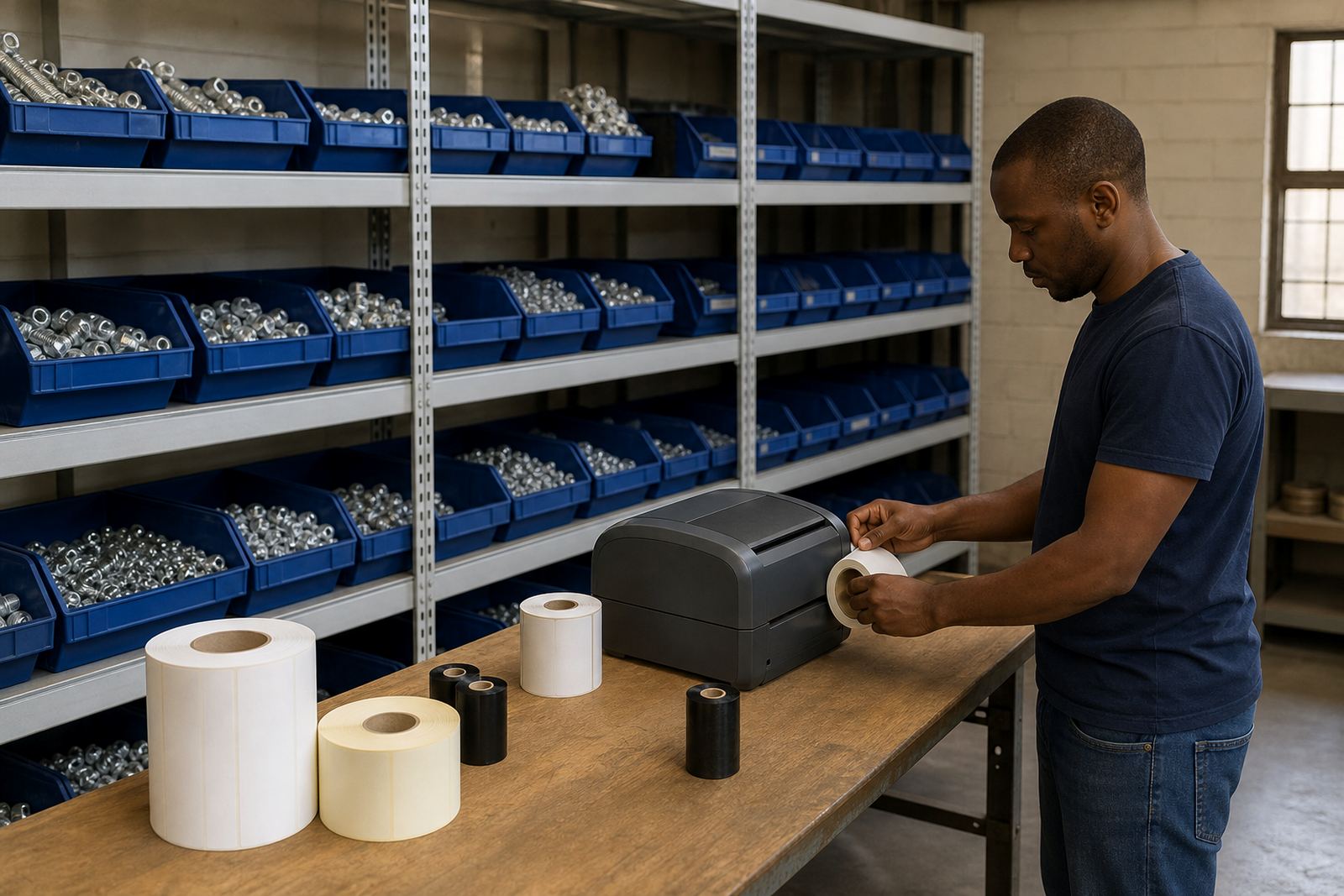
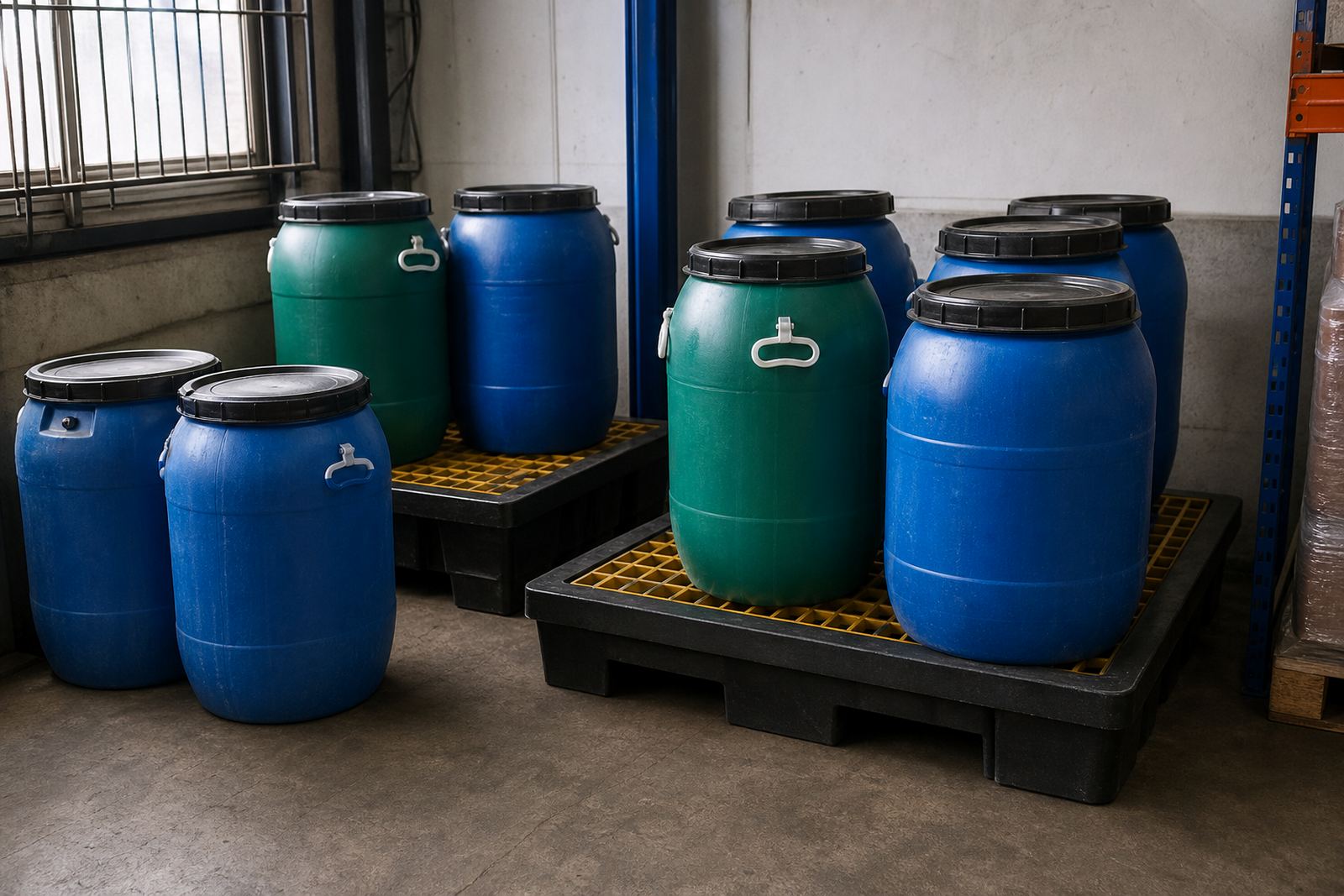
Manufacturing sites often need labels that can take abrasion, light oil contact and repeated movement on tubs, drums or cartons. If the print must remain legible through storage and dispatch, thermal transfer is usually the safer route. It is also important to match the adhesive to the substrate, because powder-coated surfaces, plastics and cold pack cartons all behave differently.
We often look at the application speed, the surface temperature and whether the label will be read by staff or scanners.Sample rolls are useful here because the right answer on paper may not hold up on the production floor.
- Choose face stock for heat, moisture and scuff resistance.
- Check whether the surface is clean, curved or textured.
- Confirm wind direction for the applicator or hand label routine.
- Plan roll length so changeovers are not too frequent.
Logistics labels that feed cleanly and scan properly
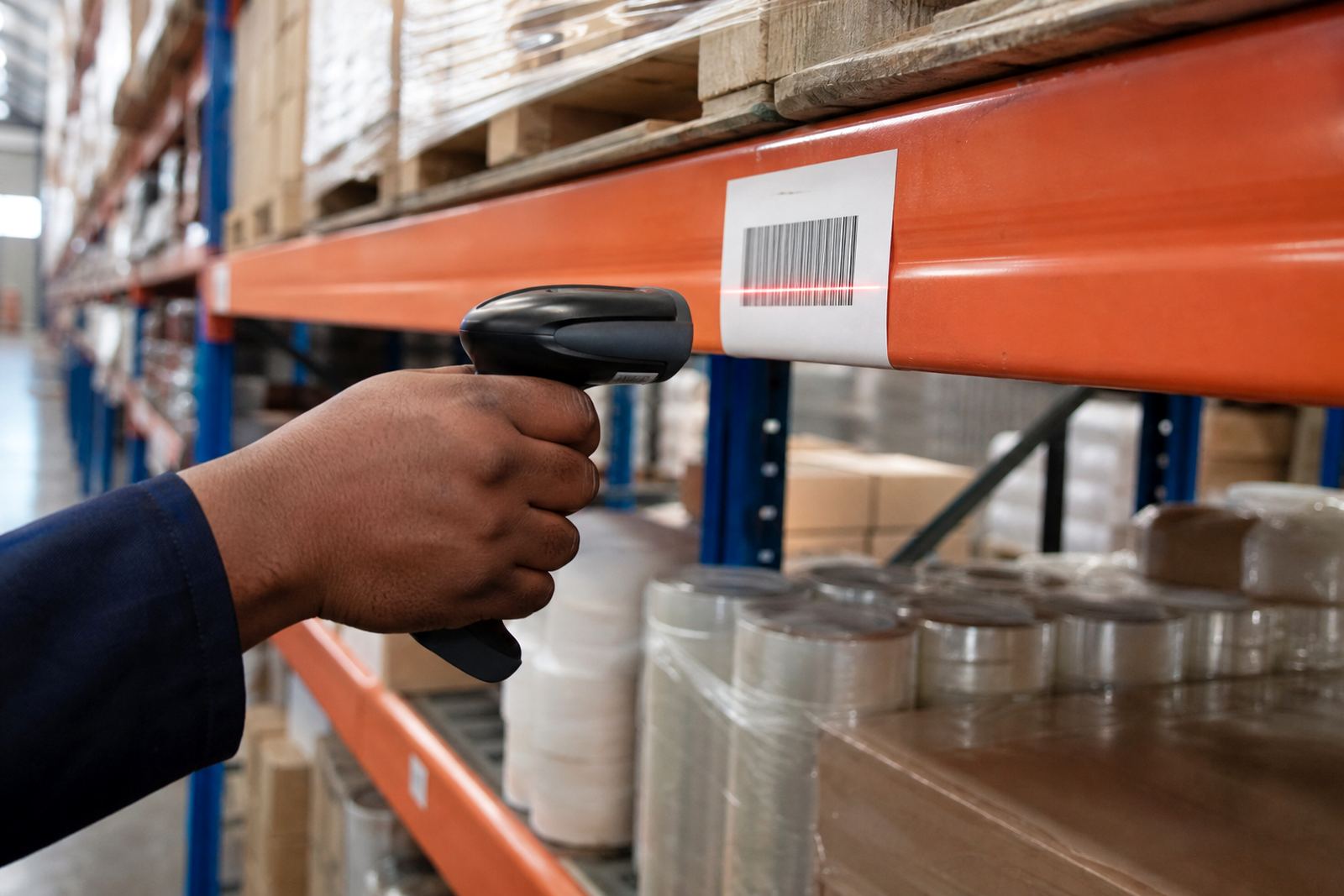
Warehouses and courier operations need labels that feed without twisting and print barcodes that scan first time. That means the liner release, winding tension and core size all need attention, not just the label size. In busy depots around Westmead, Hammarsdale and Johannesburg, poor roll winding can slow down packing and create unnecessary reprints.
For thermal rolls, we check whether the printer takes a 25 mm core, 40 mm core or another common size, and whether the roll length suits the printer bay. Rewinding and slitting can help convert stock into a format that fits the actual machine on site, which is often different from the original spec supplied by the equipment supplier.
Food, household and bottle labels that face moisture
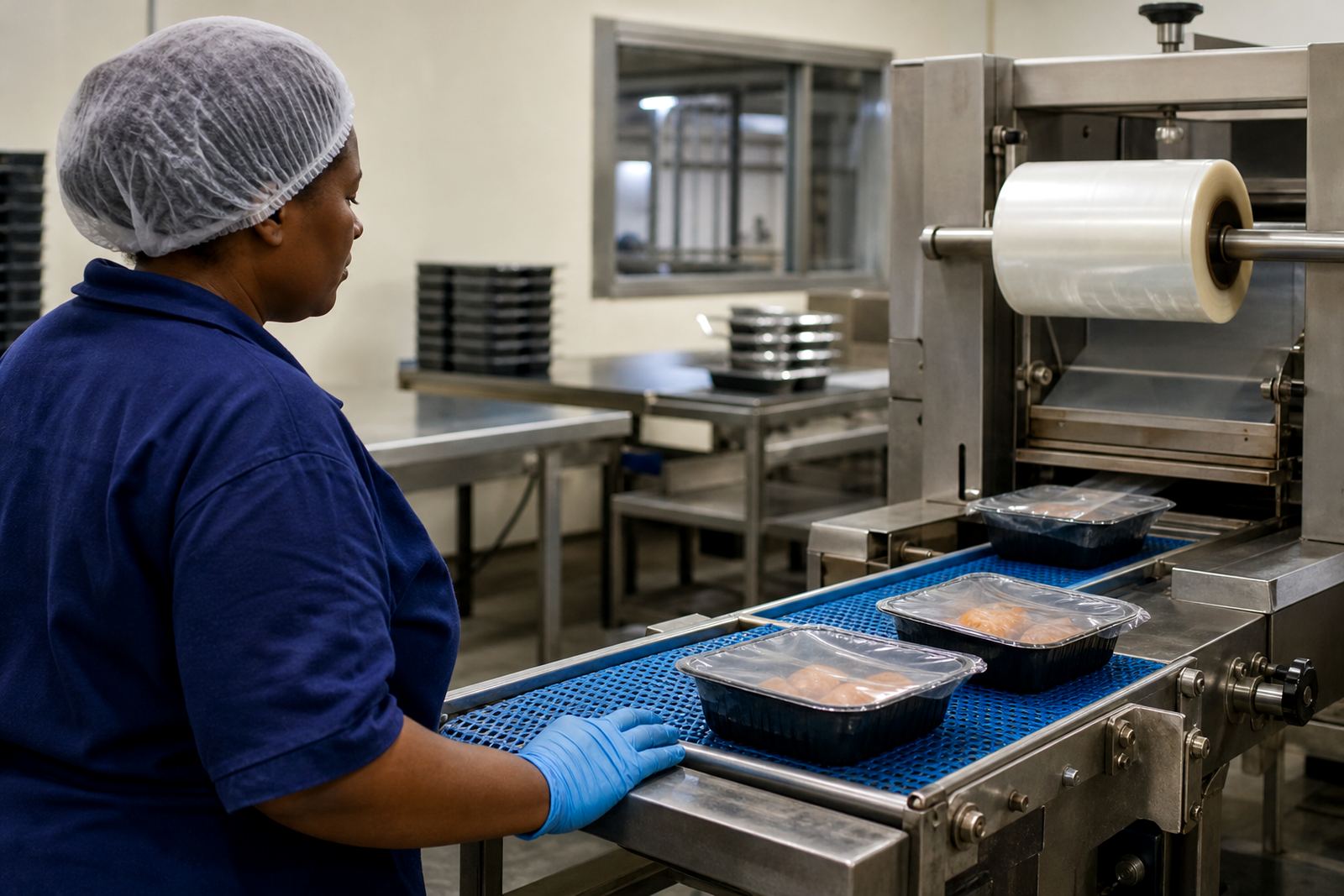
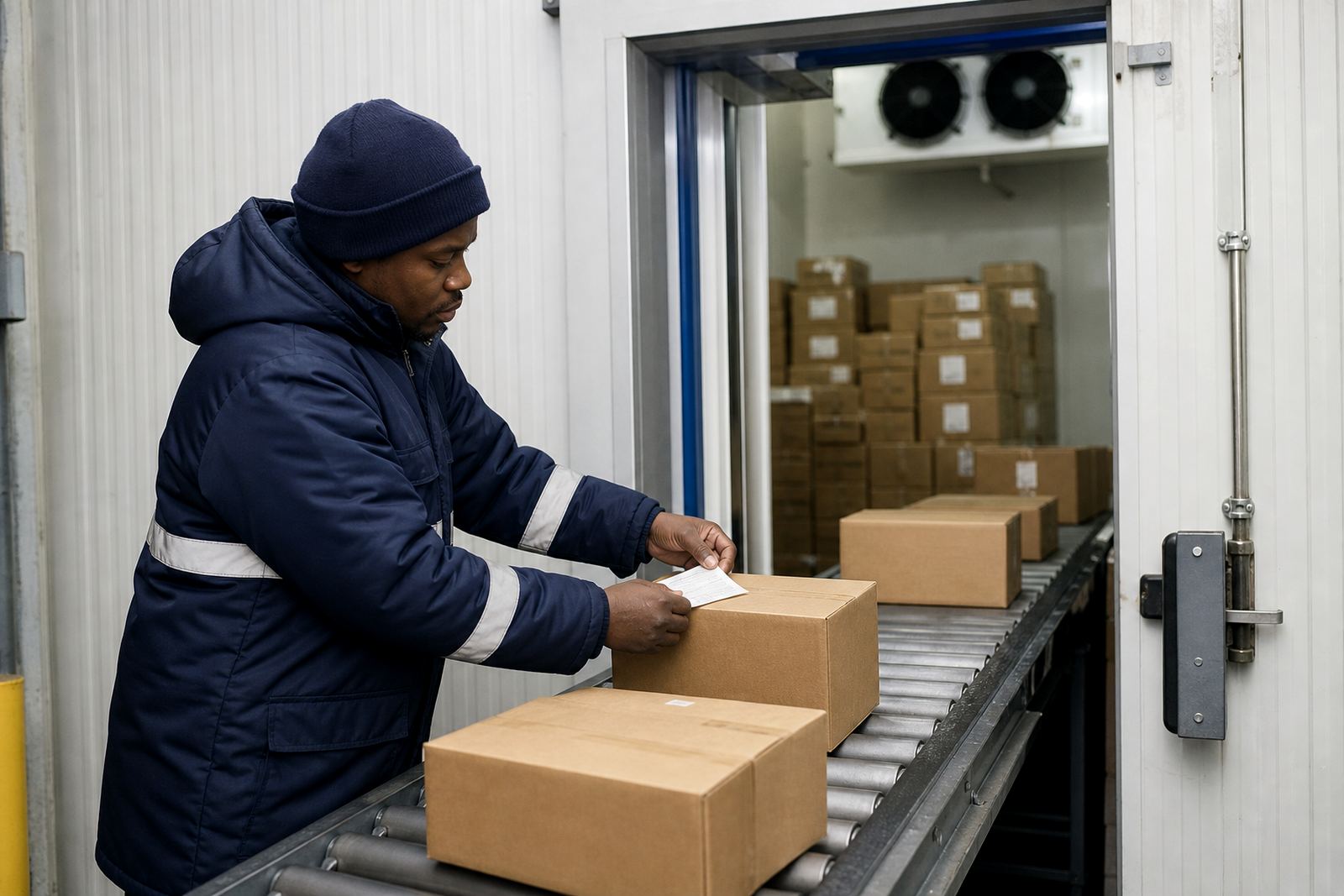
Containers that see condensation, wipes or chilled storage need extra care when choosing adhesive and face stock. A paper label may be fine for a dry box, but a bottle or tub may call for a synthetic face stock and a more suitable adhesive grade. On chilled goods, the label must bond properly even when the pack is cold, and the liner must release cleanly without lifting corners.
We also look at how the product is packed. Curved surfaces, squeezable packs and small jars may need narrower labels or a different wind direction so the label sits flat. If the product line changes often, usage review helps avoid one roll spec being forced across several very different packs, which usually causes trouble later.
Choosing the stock from the job, not the guess
The best starting point is the job itself: what is being labelled, how long it must last, what printer is in use and where the stock will be stored. Different sectors need different combinations of face stock, adhesive and roll specification, so a carton label and a product label should not be treated the same way. A small mismatch can mean curling corners, faded print or feed issues.
Our team in Westmead, Pinetown supports label stock and thermal rolls for clients across Durban, Pretoria, Cape Town, Johannesburg and Pietermaritzburg. The usual next step is a sample roll, then a printer fit check, then a confirmed roll length and core size before dispatch.
- Tell us the printer type and model, if you have it.
- Share the surface being labelled and the expected wear.
- Include whether the labels are for short term or longer use.
- Note any special packing flow, such as manual application or line application.