A slick backing that keeps label work moving
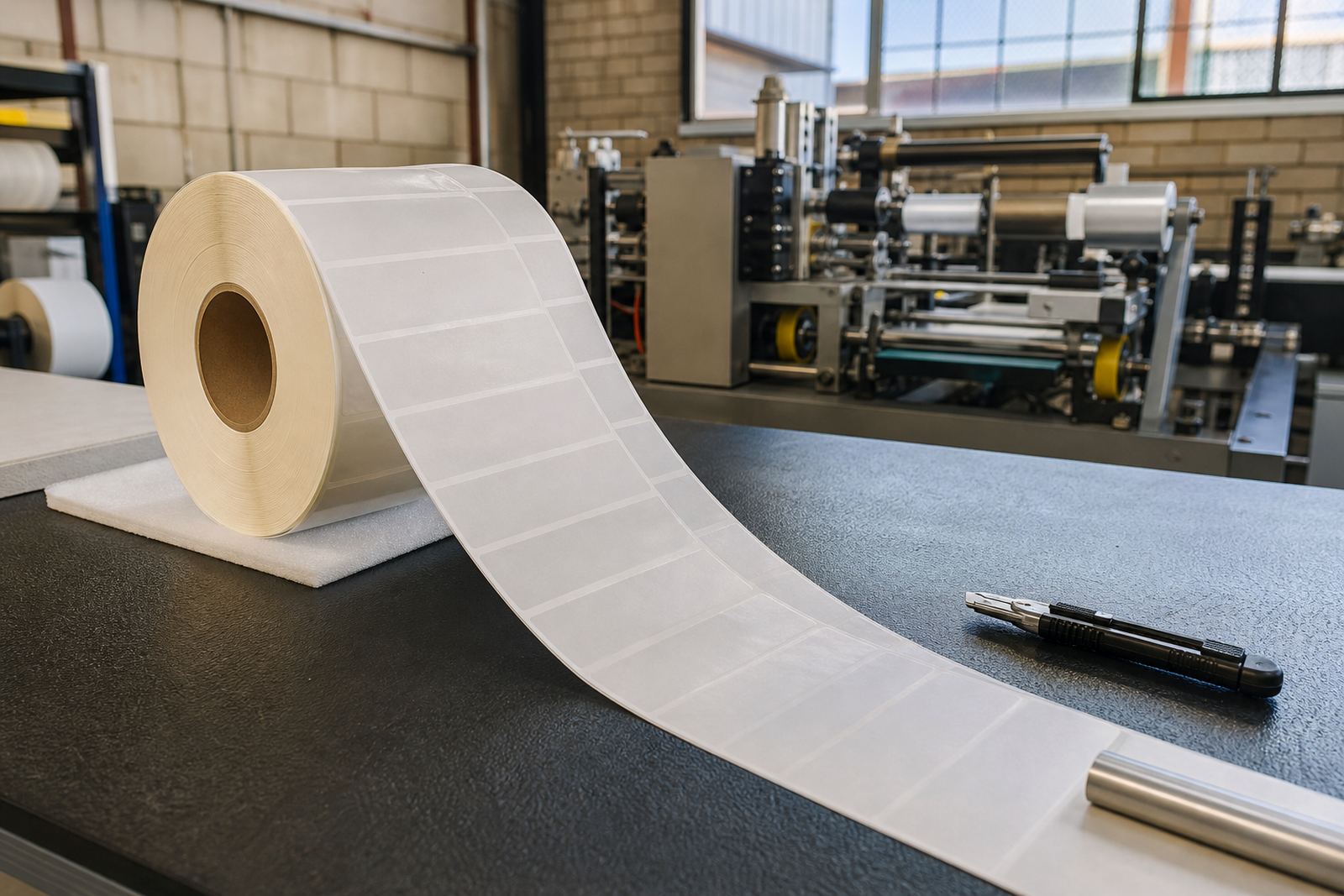
Glassine liner stock is a dense, calendared paper liner used under pressure-sensitive labels. The surface is smooth and closed, so the adhesive face stock can release evenly when labels are stripped, wound or dispensed through a printer applicator. In day-to-day label converting, that means less drag, neater rolls and better control on narrow webs and wider parent rolls.
For South African packaging and logistics teams, this liner is often chosen where appearance, dispensing consistency and clean matrix removal matter. It is commonly paired with paper or film face stocks, then converted into finished label rolls for carton sealing, pallet marking, product labelling and barcode work. A good glassine liner also helps during slitting because the edge stays tidy and the roll tracks properly, especially on jobs that move from Westmead to Durban, Johannesburg or Cape Town on tight dispatch timelines.
- Typical basis weight range: 55 gsm to 80 gsm depending on the roll build
- Common colours: white, yellowish natural glassine or bleached stock
- Used for labels that need consistent release and smooth winding
- Suitable for kiss-cut, full-cut and rewind applications
Where glassine liner earns its place on the floor
This liner suits operations that need a neat unwind and reliable handling on converting equipment or in label dispensing stations. It is widely used for retail shelf labels, shipping labels, product information labels and short-run barcode work. In humid coastal areas like Pinetown, Durban and Pietermaritzburg, the liner’s smooth structure can help reduce rough handling and keep roll edges more controlled during storage and dispatch.
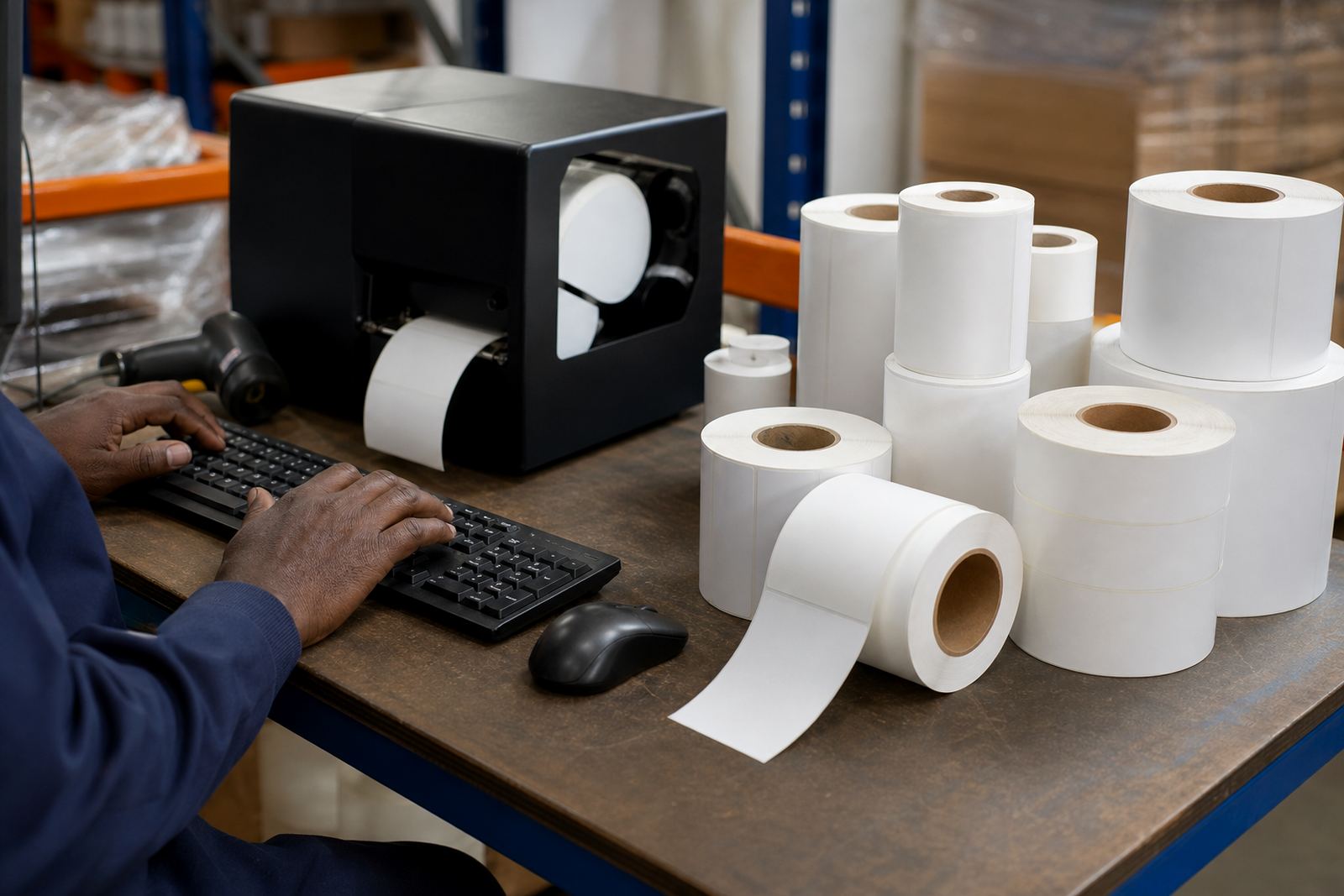
It is also useful where labels are fed through printers fitted for roll media, because the liner helps maintain tension and tracking. On manual label application jobs, the operator gets a smoother strip-out and less tearing at the leading edge. For municipal and warehouse environments where dust and heat build up, careful selection of the liner and adhesive together can make a noticeable difference.
- Retail ticketing and shelf marking
- Logistics labels for cartons, bags and tote bins
- Manufacturing labels for product IDs and batch control
- Short and medium run label converting
Roll builds, widths and finish choices that matter
Glassine liner stock is supplied in slit rolls to suit label conversion and printer use. The important choices are web width, roll diameter, core size, winding direction and the adhesive face stock it will carry. A narrow converting job in Westmead may need different roll build details from a wider label line feeding warehouse systems in Johannesburg or Pretoria, so each job needs to be matched properly.
Core sizes usually need to suit the winding equipment and the end printer. Common options include 25 mm, 40 mm and 76 mm cores, though the right selection depends on the machine and the roll length. Outer diameter matters as well because a roll that is too large can cause feed issues, while a roll that is too small may not give enough labels for a shift. We also look at slit edge quality, winding direction and how the finished roll will be packed for transport.
- Core sizes matched to printer mandrels and rewind shafts
- Roll width cut to the label layout and web path
- Roll length planned for batch use or regular dispatch
- Winding direction set for correct label feed and peel angle
How it works with face stocks and adhesives
Glassine liner stock is only one part of the label build. The face stock can be paper, polypropylene or another printable surface, while the adhesive may be permanent, removable or freezer grade depending on the end use. The liner must release the adhesive cleanly enough for dispensing, but still carry the roll through printing, rewinding and bagging without scuffing or telescoping. That balance is what makes a spec sheet worth checking before production starts.
When setting up a job, we look at whether the label will be applied by hand, by tabletop printer or by automated applicator. A thermal transfer print line may need a liner and face stock combination that tracks well under heat and pressure, while a direct thermal job may need shorter storage time because the printed image lives on the face stock itself. If the roll is for cold rooms, dusty depots or coastal storage, those conditions should be noted early so the stock can be matched properly.
- Face stock type: paper, PP or other printable substrate
- Adhesive type: permanent, removable or specialist tack level
- Application method: hand apply, printer feed or applicator use
- Storage environment: warehouse, cold room, coastal or dry inland
What to confirm before we cut the roll
To set up glassine liner stock properly, we need the finished label size, roll width, roll length, core size and the printer or dispensing equipment it must fit. The order should also confirm whether the rolls will be used in retail, logistics or manufacturing, because that affects how the wound roll is packed and how much margin is needed for clean feeding. If there is a preferred unwind direction, that must be stated too, otherwise the roll may not dispense the way your team expects.
It helps to know whether the job is a repeat order or a first sample roll request, and whether the labels will run on direct thermal or thermal transfer printers. If you are fitting stock into a unit that has narrow mandrels or a fixed peel path, that detail saves time and waste. We also check dispatch needs for branches in Durban, Cape Town, Pretoria, Pietermaritzburg and Johannesburg because roll packing can be adjusted for freight handling and stacking.
- Finished label dimensions and die-line layout
- Core size and maximum roll diameter
- Printer make-up, feed direction and rewind needs
- Quantity, sample roll request or repeat order plan
Keeping liner stock tidy from slitting to store room
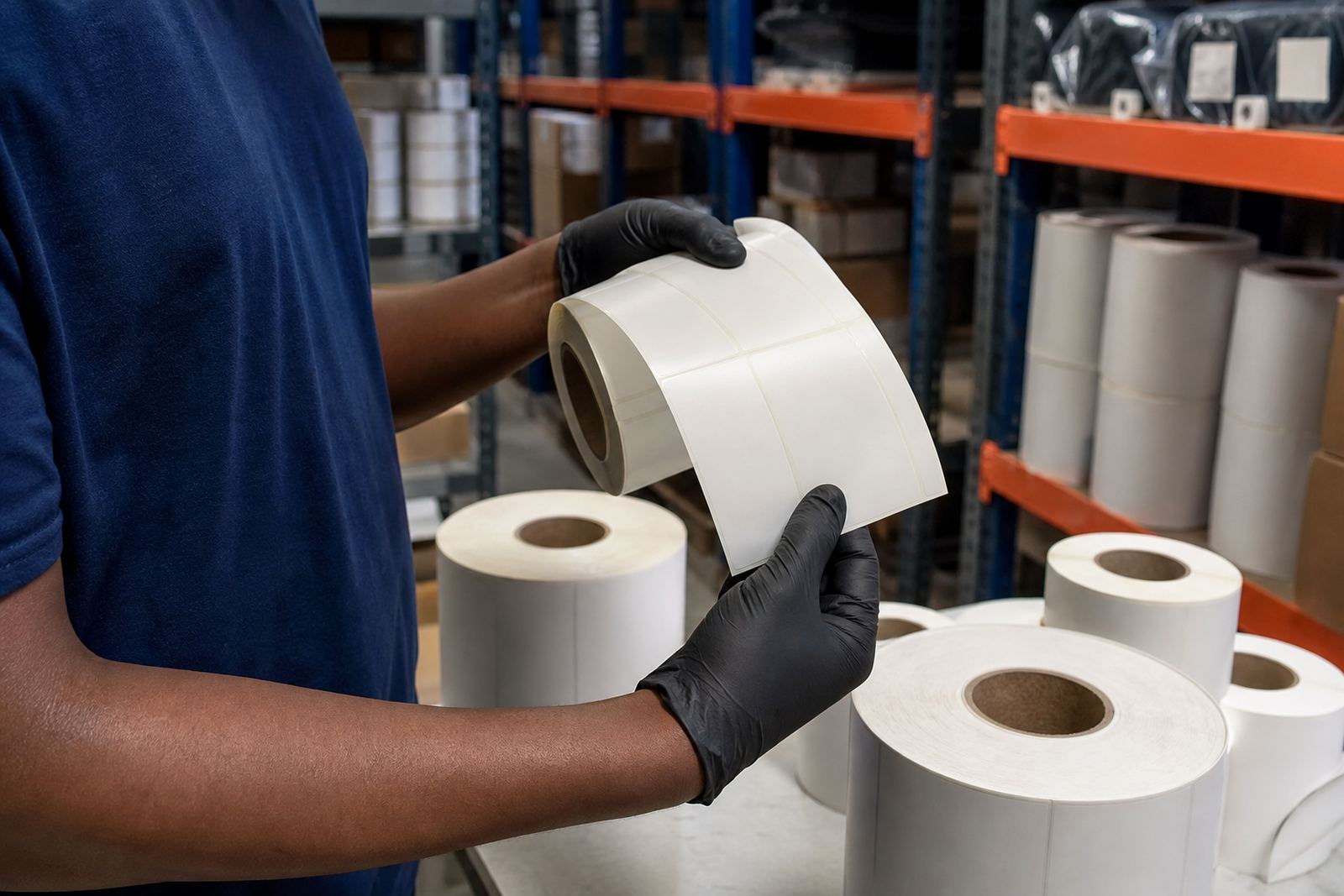
Glassine liner stock performs best when it is stored flat, dry and away from direct heat or heavy dust.Rolls should be handled by the core or with clean gloves where possible, because edge damage and crushed cores can cause feed trouble later.
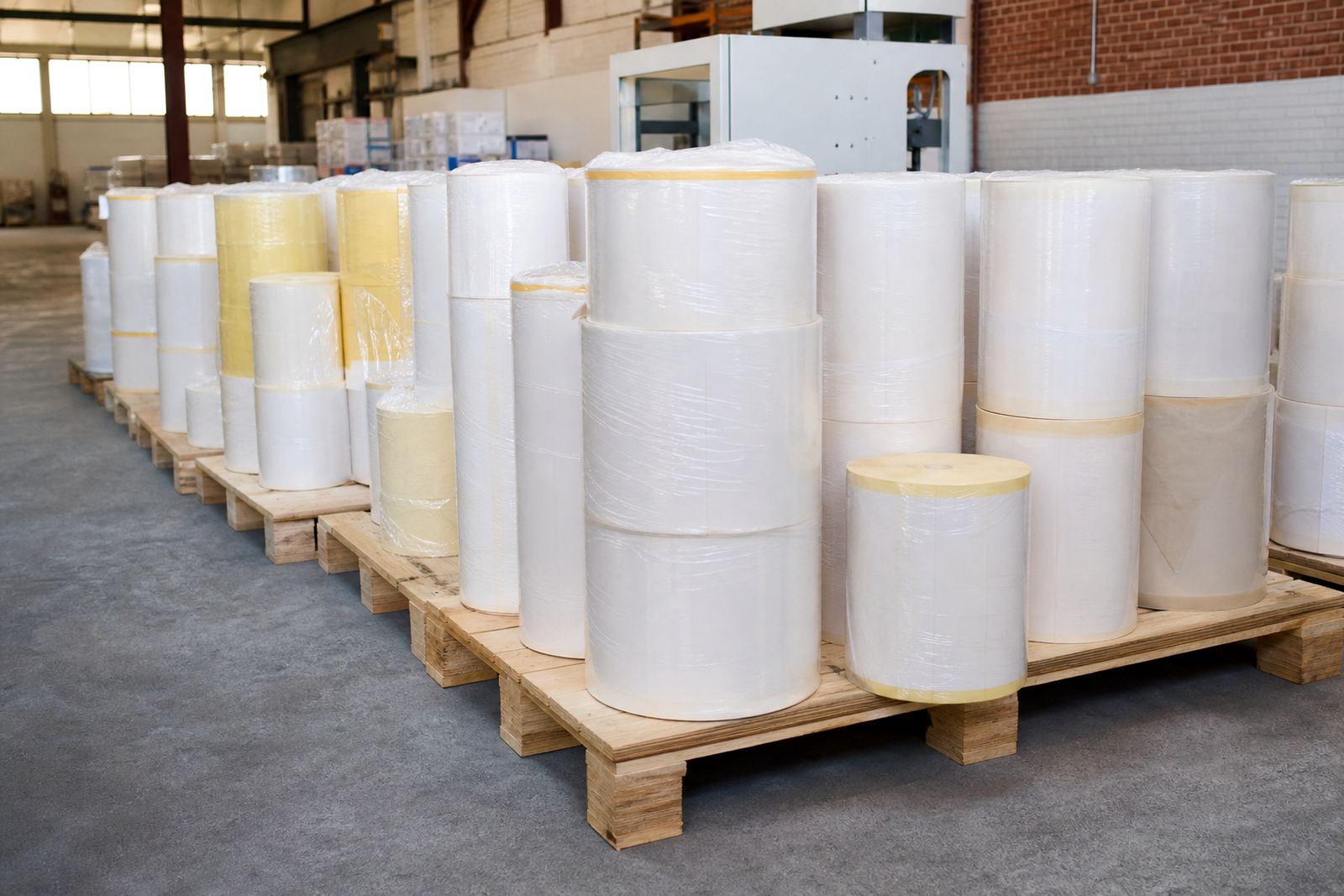
For regular users, we recommend a usage review now and then so roll length, winding direction and adhesive pairing can be checked against actual consumption. That helps avoid short rolls on a production day or stock that is too heavy for manual handling. If dispatch is going to Hammarsdale, Westmead or further afield, the packing should protect the roll face and edges so it arrives in clean condition, not scuffed or ovalled.
- Store in a cool, dry area with stable stacking
- Keep roll edges protected during dispatch and offloading
- Check for crushed cores, telescoping or loose winding
- Review actual use before ordering the next batch
Key facts
| Product type | Glassine liner stock for pressure-sensitive labels |
|---|---|
| Typical basis weight | 55 gsm to 80 gsm |
| Common core sizes | 25 mm, 40 mm, 76 mm |
| Roll format | Slit rolls to order, with width and length matched to use |
| Compatibility | Manual dispensing, label printers and converting lines |
| Main use | Clean release, die-cutting, rewinding and roll handling |