The plain paper face stock people still ask for
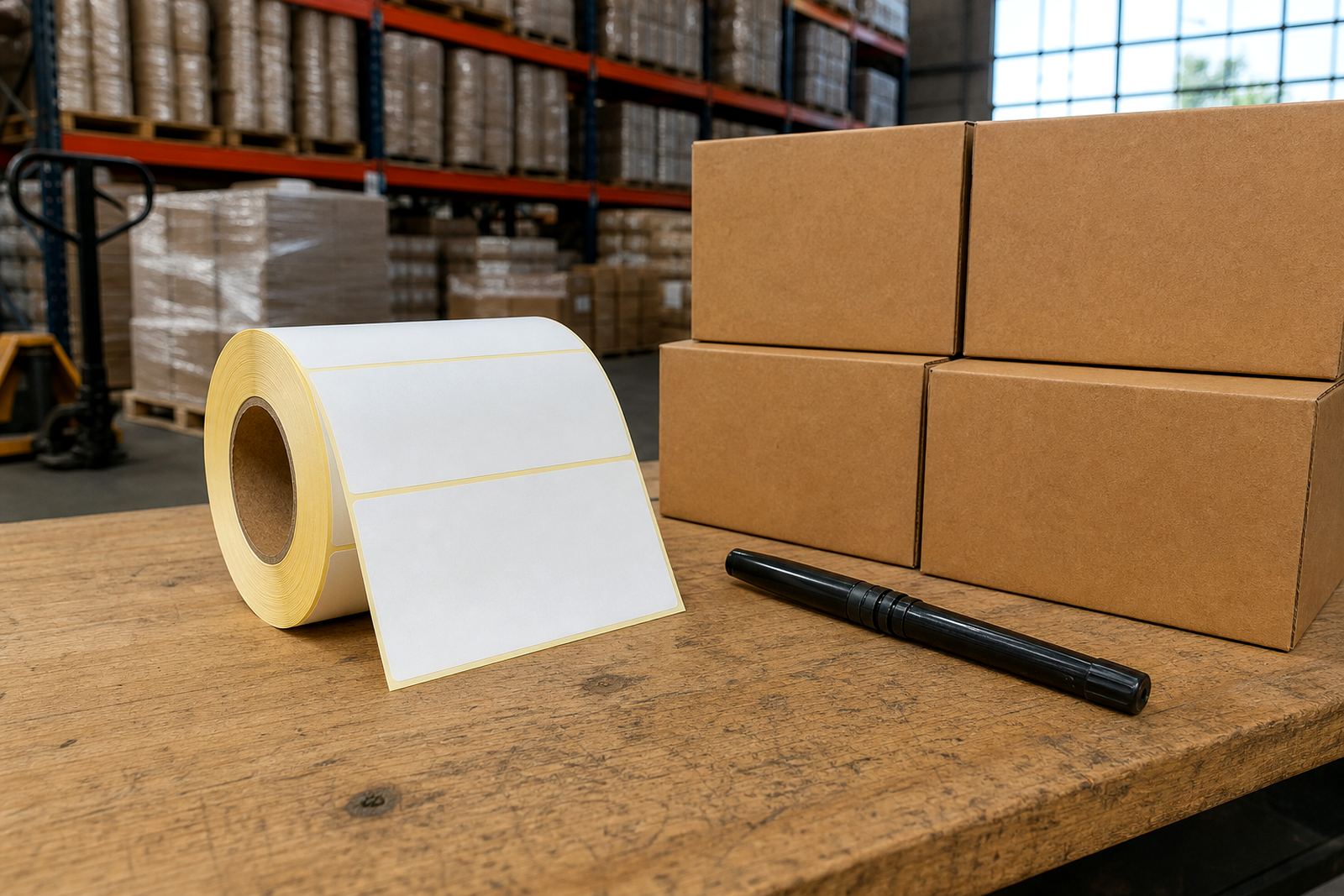
Uncoated paper label stock is a printable paper face material without a gloss or film coating, so it takes handwriting, impact stamping and pen marking well. In packaging rooms, print shops and dispatch tables it is often chosen for carton labels, batch notes, price marking, internal coding and short-life product identification. The surface has a more natural feel than coated stock, which can suit tea, bakery, produce, craft and industrial packs that do not need a shiny finish.
Because the face stock is paper based, it is usually chosen where the label will be applied to dry, clean packaging and used in normal indoor conditions. It can be supplied in rolls or sheets, and it may be finished for direct print, hand application or overprint after slitting. The right choice depends on the printer, the pack surface and how long the label must stay legible. In Westmead and across Pinetown, many customers use it for practical jobs that need a clear mark without extra fuss.
- Plain paper face stock for handwriting and stamping
- Suitable for packaging, cartoning and coding tasks
- Can be supplied for roll or sheet based workflows
Face stock, adhesive and liner combinations that behave properly
Uncoated paper is only one part of the label construction. The adhesive and liner choice matter just as much, because they decide how the label releases from the roll, how it sticks to the pack and whether it stays in place through transport, temperature change and handling. We work with standard permanent adhesive for most general packaging, a removable option where clean lift off is needed, and stronger tack styles for rougher cartons or longer holding times.
The liner is normally a siliconised backing that helps the labels dispense neatly through a printer or by hand. For most labelling lines, a glassine or kraft-style liner can be used depending on roll format and printer path. When we plan stock for a customer, we look at the application speed, the label size and whether the pack is corrugated, plastic, glass or a coated carton. Coastal humidity in Durban can change how a label releases and how quickly it bites onto a surface, so that detail is worth confirming.
- Permanent, removable and higher tack adhesive options
- Glassine or kraft style liners, depending on the build
- Match the liner and adhesive to the pack surface and storage conditions
Where uncoated paper suits best
This stock is often used in retail marking, warehouse identification, light manufacturing, food packing and order sorting. It is useful where a label must be written on by hand, stamped with a batch code or marked with dates and weights.
It also suits packaging where the finish should look less formal than a glossy label. Small goods, parts bags, shelf labels, dispatch tags and carton seals are all common uses. In Johannesburg and Pretoria, where labels may move from warehouse to retail floor, customers often want clear print and a paper feel that does not look out of place on secondary packaging. For Pietermaritzburg and Cape Town supply, we also see demand for labels that can be applied quickly by hand at packing tables.
- Retail shelf marking and price changes
- Warehouse picking, carton labelling and dispatch notes
- Short run product labels, batch notes and manual coding
Printer fit, core size and roll build
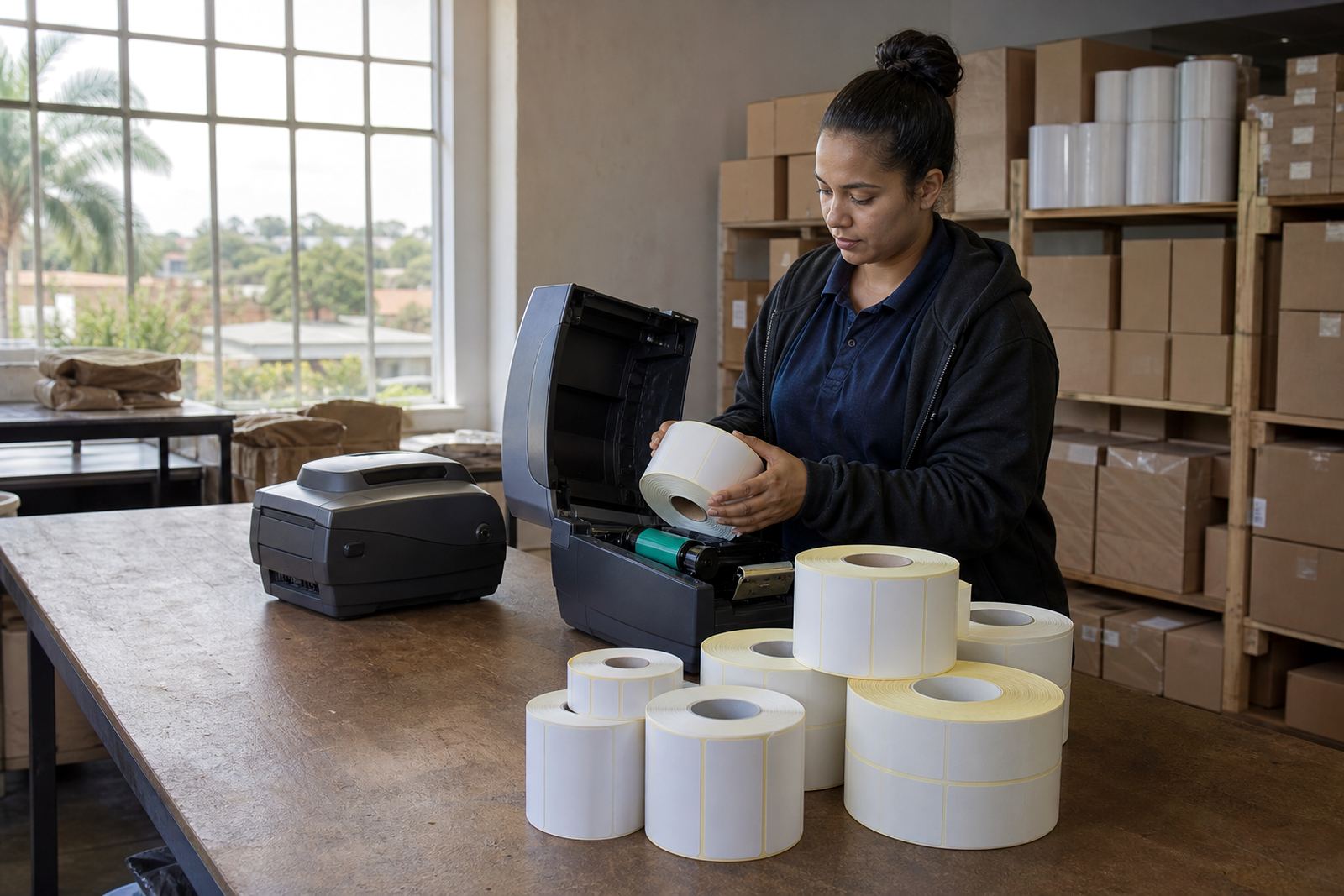
Uncoated paper label stock can be supplied to suit benchtop, industrial and converting setups, but the roll build must match the printer path. Common core sizes include 25 mm, 38 mm and 76 mm, with outer roll diameter set by the machine and the label length. Some printers take narrow rolls for compact workstations, while others need larger diameters for longer runs and fewer changeovers. If the core is wrong, the roll will not seat properly and you can get skew, rubbing or poor feed.
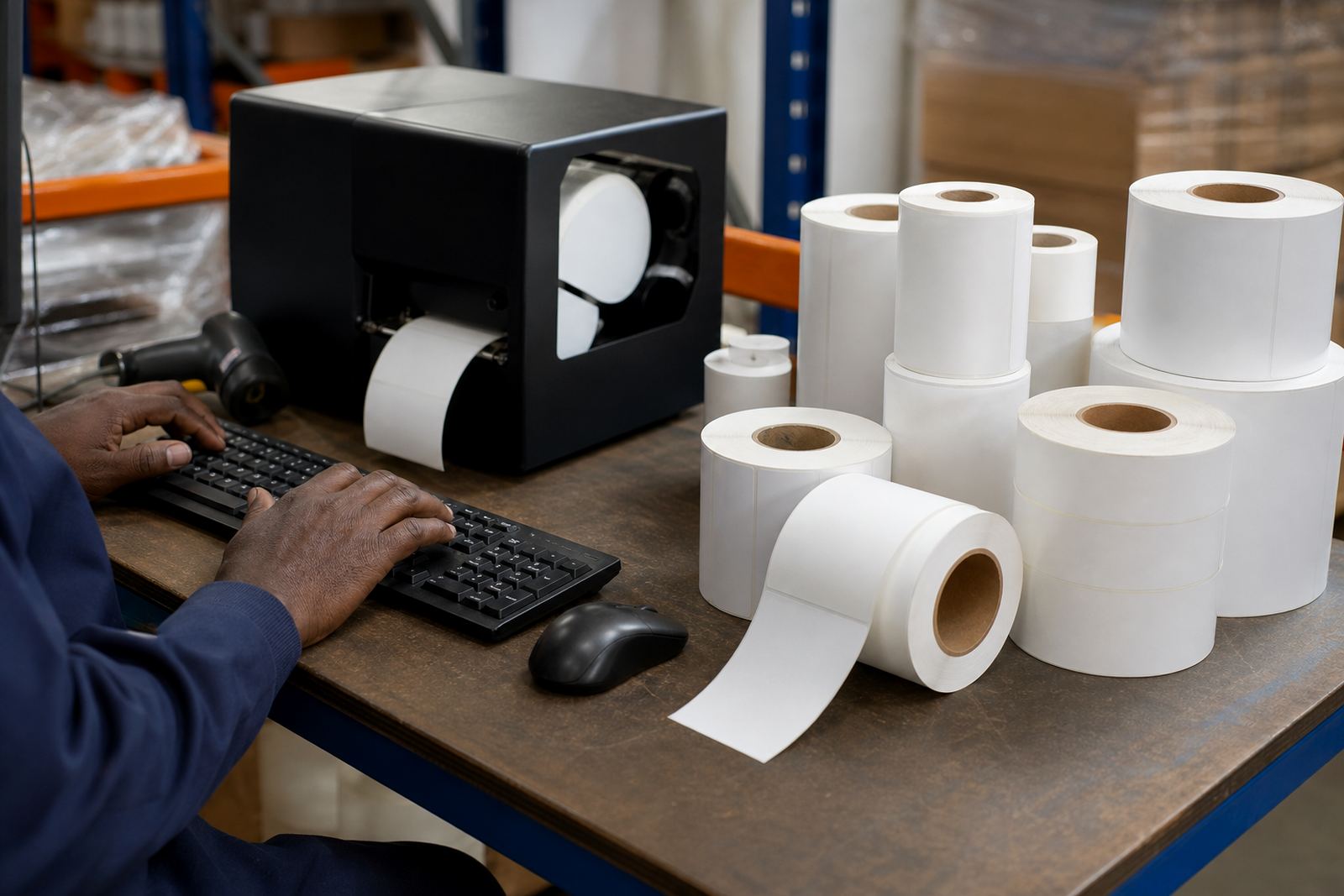
We also look at winding direction, gap or black mark sensing and whether the printer uses direct thermal or thermal transfer printing. For paper face stock, thermal transfer is often selected when the print must last longer or resist handling better, while direct thermal is used on suitable paper grades for shorter life labels and fast print jobs. The printer head width, ribbon width if relevant, and the label gap all need to line up. A quick printer fit check saves a lot of stopped time at dispatch.
- Core sizes commonly 25 mm, 38 mm and 76 mm
- Roll diameter and label count matched to the printer
- Winding direction, sensing method and print width all matter
What to confirm before we cut or rewind stock
To set up uncoated paper properly, the order details need to be clear. We confirm label size in millimetres, face stock grade, adhesive type, liner type, core size, roll length and whether the rolls are for hand use or machine feed. If the labels are being printed after delivery, we also need the printer model or at least the print width and sensing method. That helps us plan the roll so it feeds cleanly and does not waste stock.
It is also useful to know the pack surface and storage area. A label for a clean carton in a dry store is very different from one that must stay on a chilled pack or a slightly dusty bag. If the customer wants sample rolls first, we can do that, then review how the stock behaved during use and adjust the adhesive or winding direction if needed. Sibusiso Lourens and the team handle repeat order planning this way so the next run is set up with fewer surprises.
- Label size, roll length and core size
- Adhesive strength and expected surface type
- Printer model, sensing method and winding direction
Handling, storage and day to day care
Uncoated paper should be stored flat or in the supplied roll form, away from damp, dust and direct sun. Paper face stock can take on moisture if left in a humid area for too long, which may affect print quality and dispensing. In coastal areas around Durban and on loading bays that heat up during the day, it is better to keep stock inside and sealed until use. A clean, dry packing area also helps labels stick better to the pack.
When the labels are in service, avoid rubbing them against rough surfaces more than needed and do not expect a plain paper stock to perform like a coated film label in wet or oily conditions. If the job involves frequent handling, the right adhesive and print method become even more important. Megan Moonsamy in production will usually flag these points before a run is packed, because once the rolls are cut and dispatched, changing the build later costs time and money.
- Keep stock dry, shaded and away from dust
- Use the right adhesive for the pack and environment
- Plan for handling, transport and expected shelf life
Key facts
| Product type | Uncoated paper self-adhesive label face stock |
|---|---|
| Common uses | Handwriting, stamping, price marking, batch coding and carton labelling |
| Finish | Plain paper surface with no gloss coating |
| Adhesive options | Permanent, removable and higher tack styles |
| Core sizes | 25 mm, 38 mm and 76 mm common options |
| Compatibility | Suitable for selected direct thermal and thermal transfer label printers |