Inside-wound stock for printers that feed a certain way
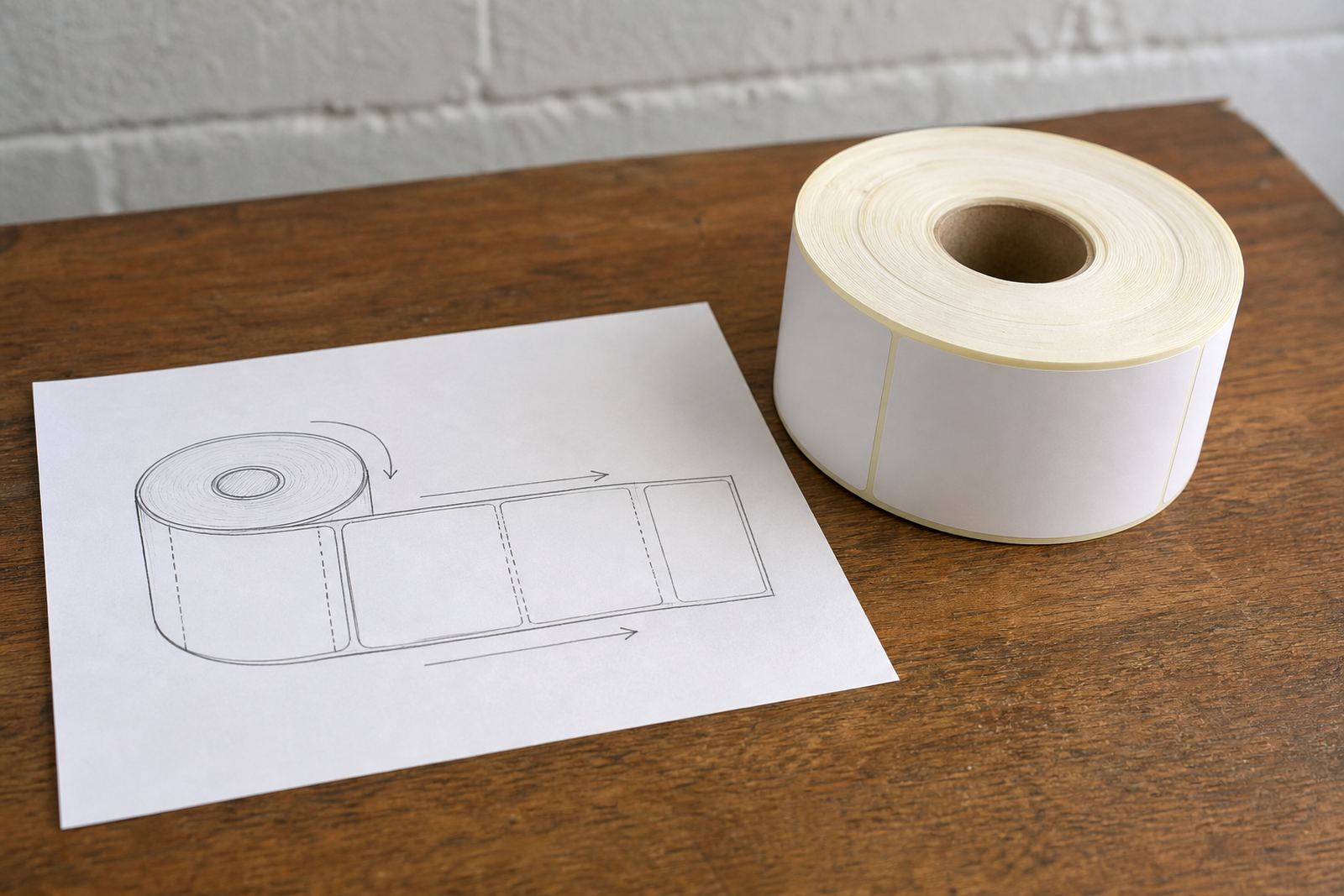
Inner wound rolls are made for machines that draw the web from the centre of the roll first, rather than from the outer layer. In practical terms that means the face stock, adhesive and liner are arranged so the print path stays correct for the printer, applicator or rewinder doing the job. If the roll is wound the wrong way you can get upside-down print, poor peel behaviour or edge wander on the label path.
We supply inner wound rolls for short-run packing benches, semi-automatic labelers, hand-applied runs and larger converting setups. They are used where the label needs a tidy unwind, a predictable leading edge and a roll build that matches the way the printer takes tension. In Westmead and Pinetown that often means stock for dispatch labels, product labels, carton sealing work and compliance marking in humid or dusty spaces.
Our team checks the winding direction against the printer path and the way the roll is fitted on the spindle or holder, because that small detail can save a lot of spoilage later on.
Face stock, adhesive and liner choices that hold up on the line
Inner wound rolls can be built with a range of face stocks depending on the application. Common choices include matt paper face stock for general labelling, semi gloss paper where print clarity matters, and film-based face stock where extra moisture resistance or scuff resistance is needed. For cold rooms, warehouse movement and coastal handling in places like Durban or Cape Town, the face stock has to sit flat and print cleanly without curling too much in storage.
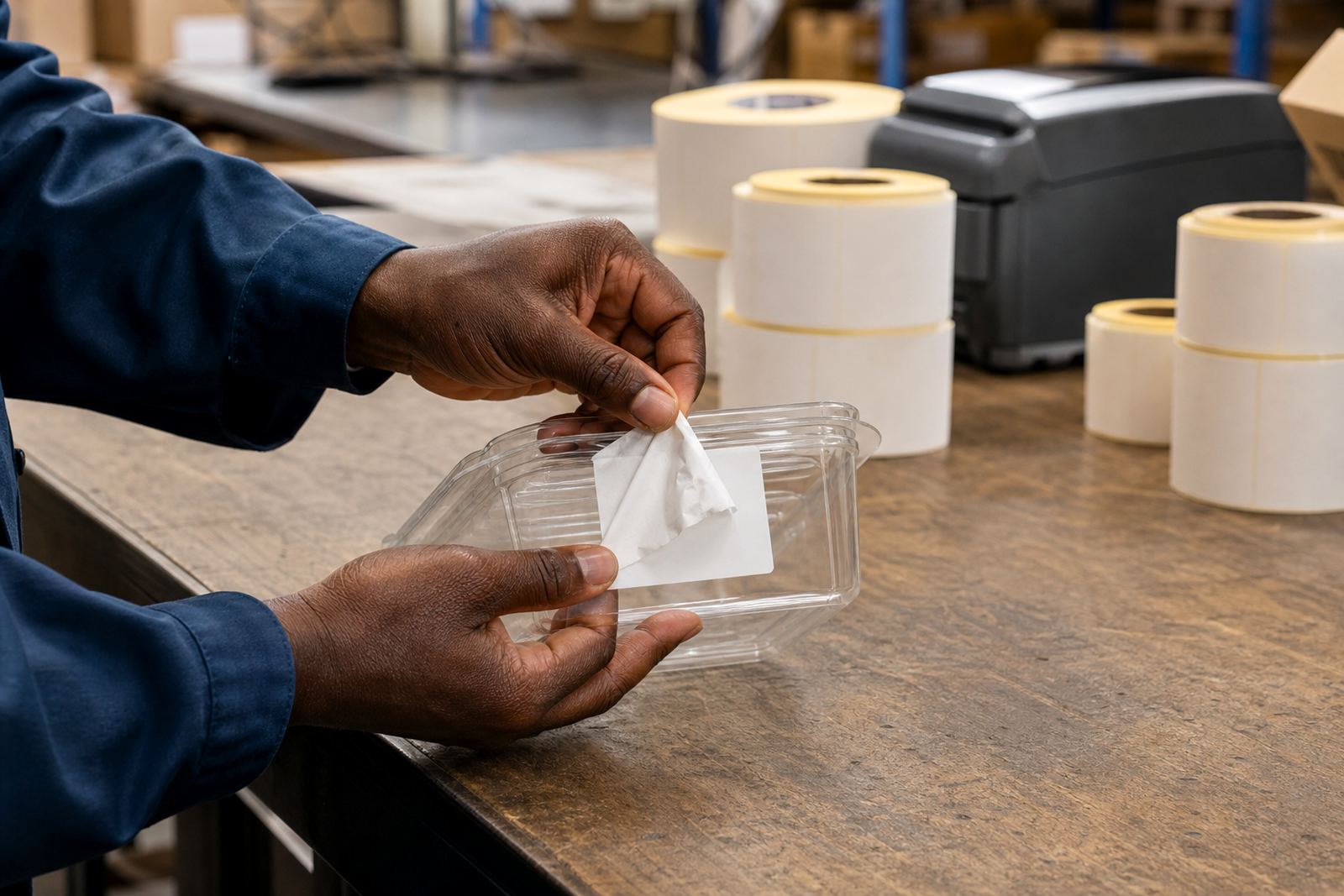
The adhesive is just as important. Permanent adhesive suits most packaging and logistics use, while removable or higher tack adhesives may be needed for different surfaces, including cartons, punnets, plastics and coated board. We also match liner type to the application, whether that is glassine paper or a film liner, depending on release and unwind requirements. If the liner is too light or too heavy for the printer path it can throw off feed and tension.
- Matt paper face stock for cartons, shelf labels and general pack room use
- Semi gloss paper for clearer print on retail and product labelling
- Film face stock for moisture exposure and handling wear
- Permanent, removable or high tack adhesive options
- Paper or film liners matched to the unwind and dispensing setup
Widths, diameters and core sizes we plan around
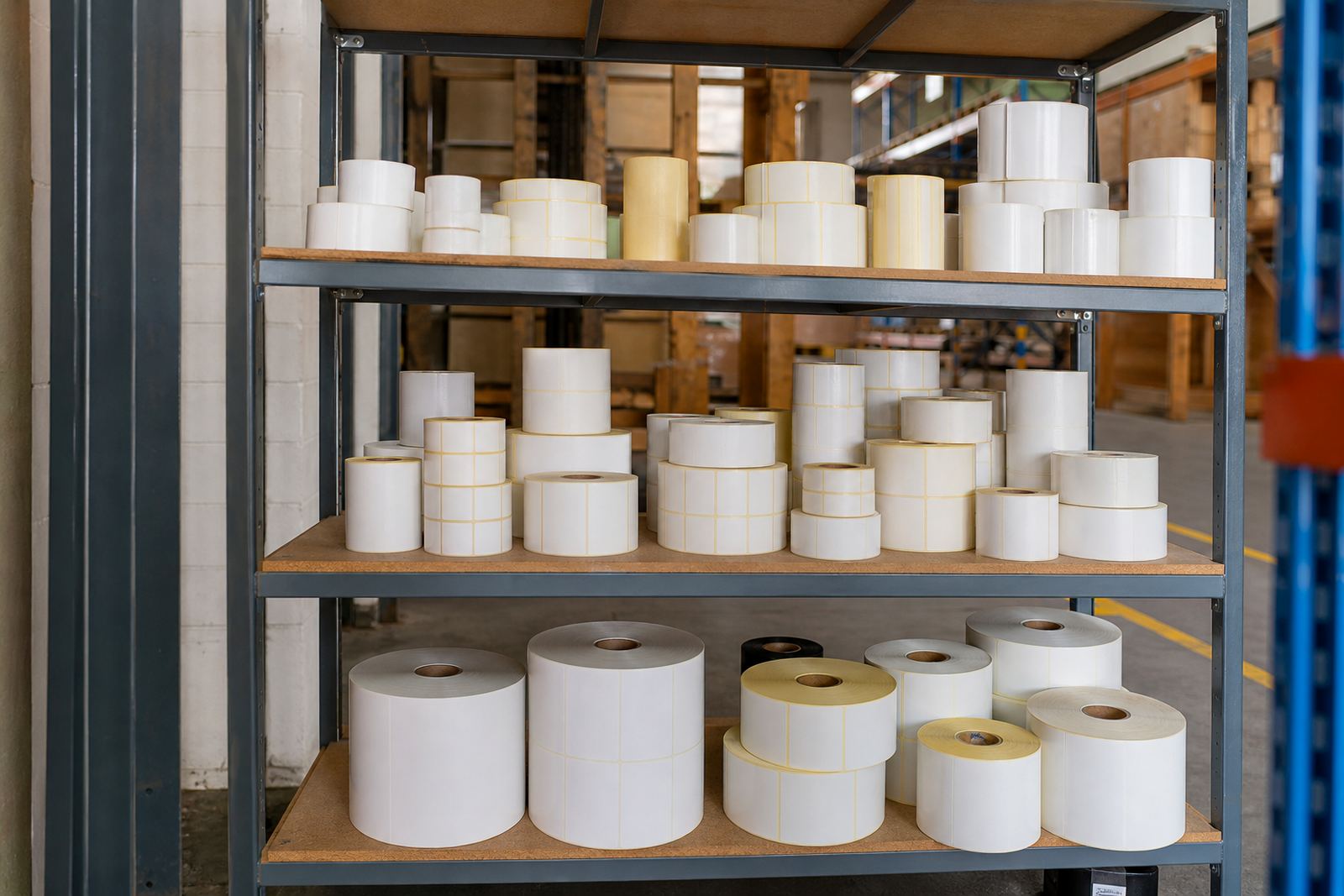
Inner wound rolls are supplied to the width and roll build your equipment can handle. That may be narrow label stock for compact printers, or wider rolls for batching, coding and high-volume dispatch. We plan roll length against the available diameter limits on the machine and the storage space in the pack room, because a roll that is too bulky can slow down loading and handling.
Core size is a key detail. Many printers take 25 mm, 40 mm, 76 mm cores or other specific inner diameters, and the outer roll diameter has to fit the spindle, brake and feed path. If the core is wrong the roll may wobble, drag or not seat properly. We also manage winding direction and slit widths so that labels separate cleanly and stay square as they travel through the printer.
Typical supply can be planned around small format benchtop units, mid-speed thermal printers and wider converting or overlabelling setups. That includes the practical things the operator sees every day, such as roll start position, unwind side and whether the labels are running face up or face down.
- Core sizes matched to the printer holder or spindle
- Custom slit widths for single-up or multi-up use
- Roll length planned to suit changeover intervals
- Outer diameter checked against the printer housing
- Winding direction set for the feed path in use
Where inner wound rolls make life easier
These rolls suit businesses that need reliable feed and easy handling across packaging, retail and logistics. In warehouses they are often used for shipping labels, stock rotation labels and carton identification. In manufacturing they are used for coding, part identification and line-side packing. Retail teams use them for shelf marking, barcode labels and product presentation, especially where print consistency matters over a full shift.
They are also useful where the operator works fast and cannot stop to correct feeding problems. Inner wound rolls can make loading more predictable on equipment that expects the print face and release direction to match a fixed path. That matters in busy facilities in Johannesburg, Pretoria and Pietermaritzburg where labels are used throughout the day and a wrong unwind can hold up the line.
If the application includes manual application, the roll build should still suit the user’s grip and tear point. If it is feeding into a label dispenser, the leading edge and unwind tension need to be planned carefully so labels peel without snagging.
Fitting notes for printers, applicators and rewinding work
Before a roll goes into service, the printer path, media guides and tension settings must be checked against the stock build. Some machines need the roll to feed from a specific side, and the core may need adapters or a spacer to stop side movement. On rewinding or conversion work, the winding direction must stay consistent from the first metre to the last metre, otherwise the finished roll can be awkward to run.
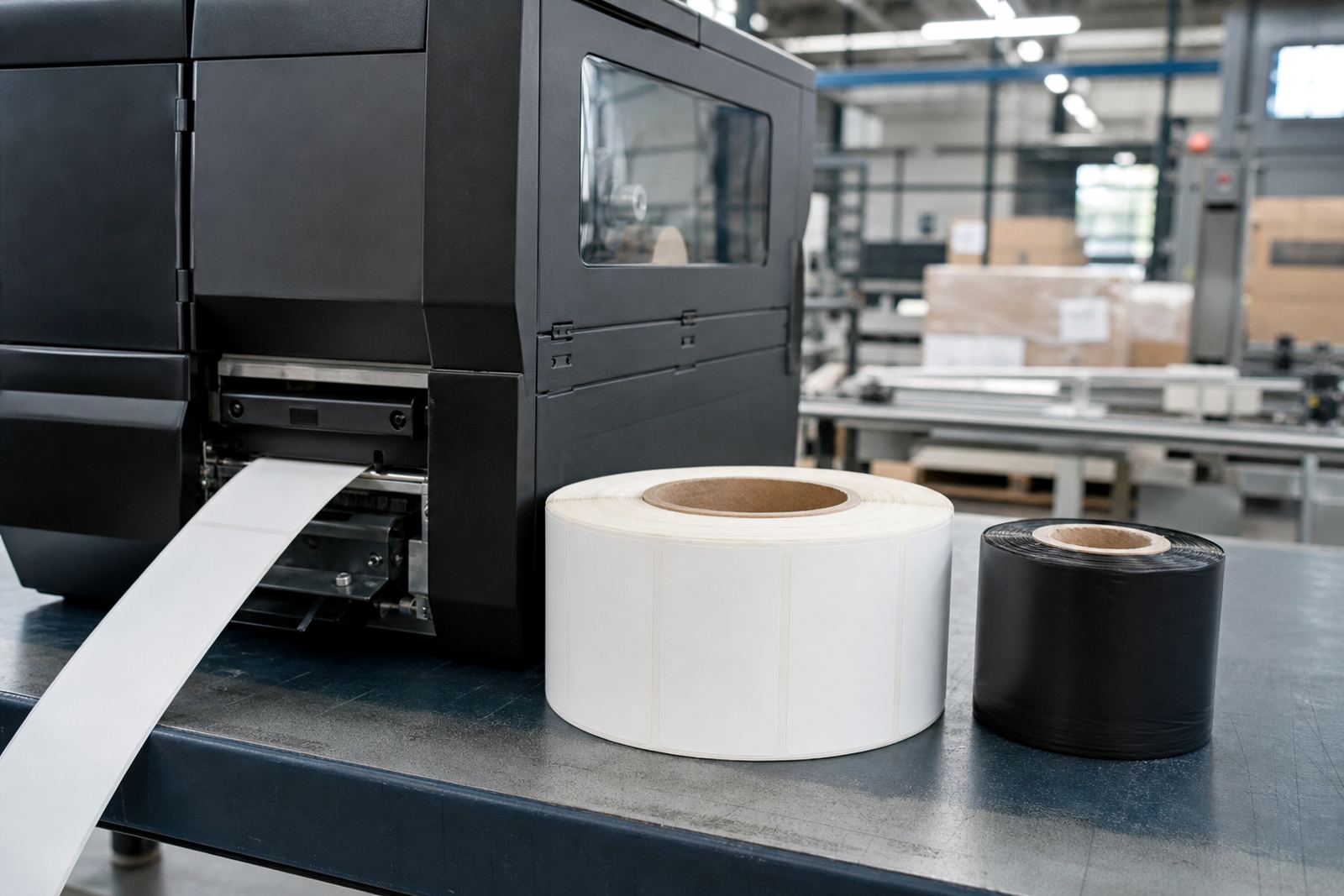
For thermal printers, the print head pressure, platen condition and sensor setting all play a part in how the roll feeds. For print-and-apply setups the roll must also suit the applicator timing and peel plate layout. Where work is done in warm rooms or near loading bays, the operator should keep the rolls away from dust, direct sun and damp floors. In coastal air the edge of the roll can pick up moisture if it is left open for too long, so sealed packing and sensible storage matter.
- Confirm printer model and media path
- Check core size, roll diameter and winding direction
- Set guides and tension before the first run
- Store rolls flat, dry and out of direct sunlight
- Keep packs sealed where humidity is high
Ordering details that stop the wrong roll arriving
When you order inner wound rolls, the important details are the ones that affect fit and performance. Tell us the face stock type, adhesive type, liner preference, label size, core size, roll length, unwind direction and whether the print face should be in or out on the feed path. If the job needs barcode readability, freezer use, carton adhesion or extra resistance to handling, that should be stated as well.
It helps to note the printer make and model, the spindle or holder type and whether the roll is for thermal transfer or direct thermal use. If you are changing from one stock to another, sample rolls can be used to confirm print quality and feed before full production. For recurring work, repeat order planning keeps the same winding and slit settings in place so the next batch lands the same way as the last one.
Label Paper works with pack rooms and dispatch teams across South Africa from our Westmead base, with practical support for custom slitting, adhesive matching, printer fit checks and dispatch packing. The aim is straightfoward: get the right roll in the right winding, ready for the machine it has to run in.
Key facts
| Product type | Inner wound label and paper rolls |
|---|---|
| Common face stocks | Matt paper, semi gloss paper, film face stock |
| Adhesives | Permanent, removable, high tack |
| Liner options | Paper liner or film liner |
| Core sizes | 25 mm, 40 mm, 76 mm and other specified sizes |
| Compatibility | Benchtop thermal, mid-speed thermal and converting equipment |