


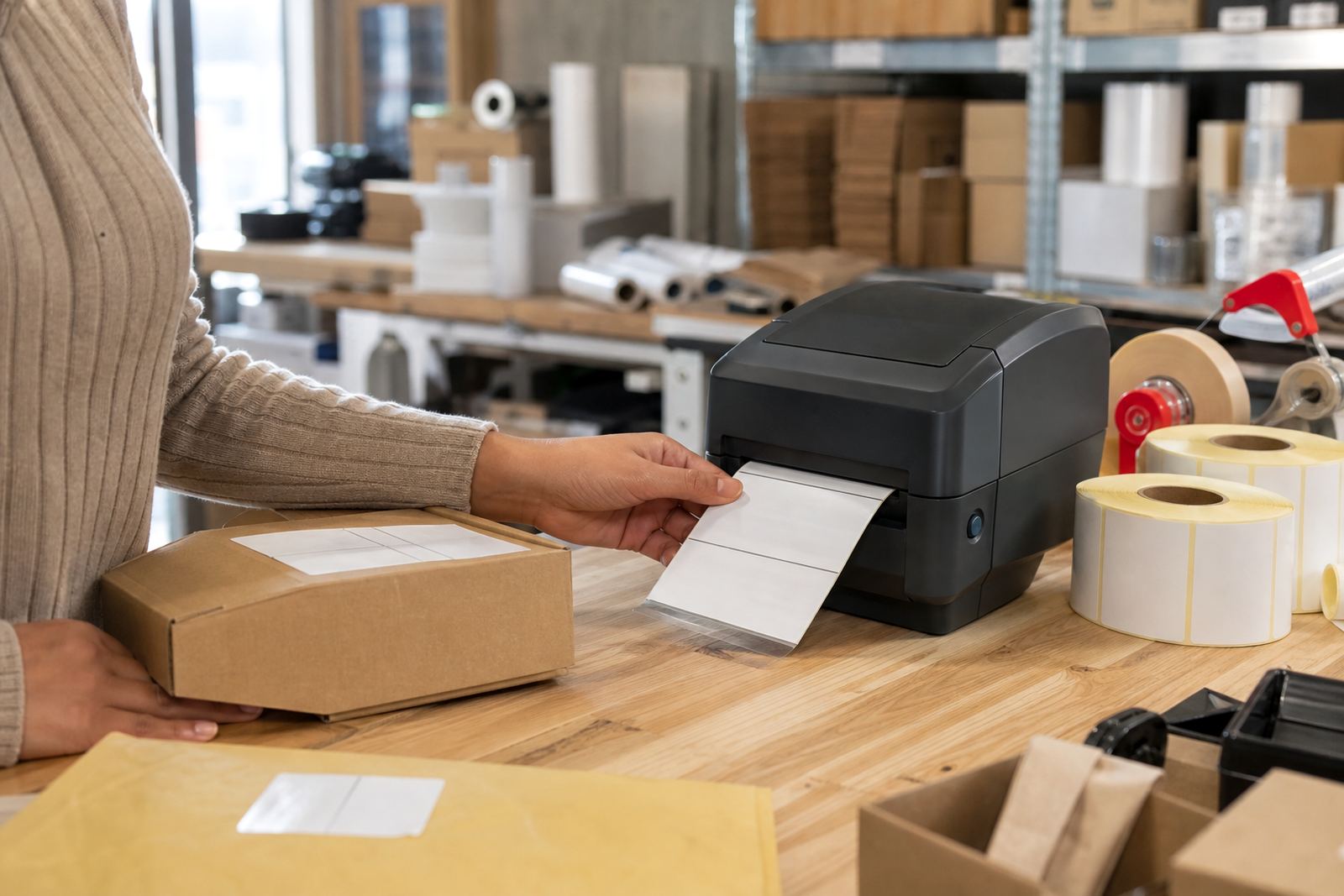
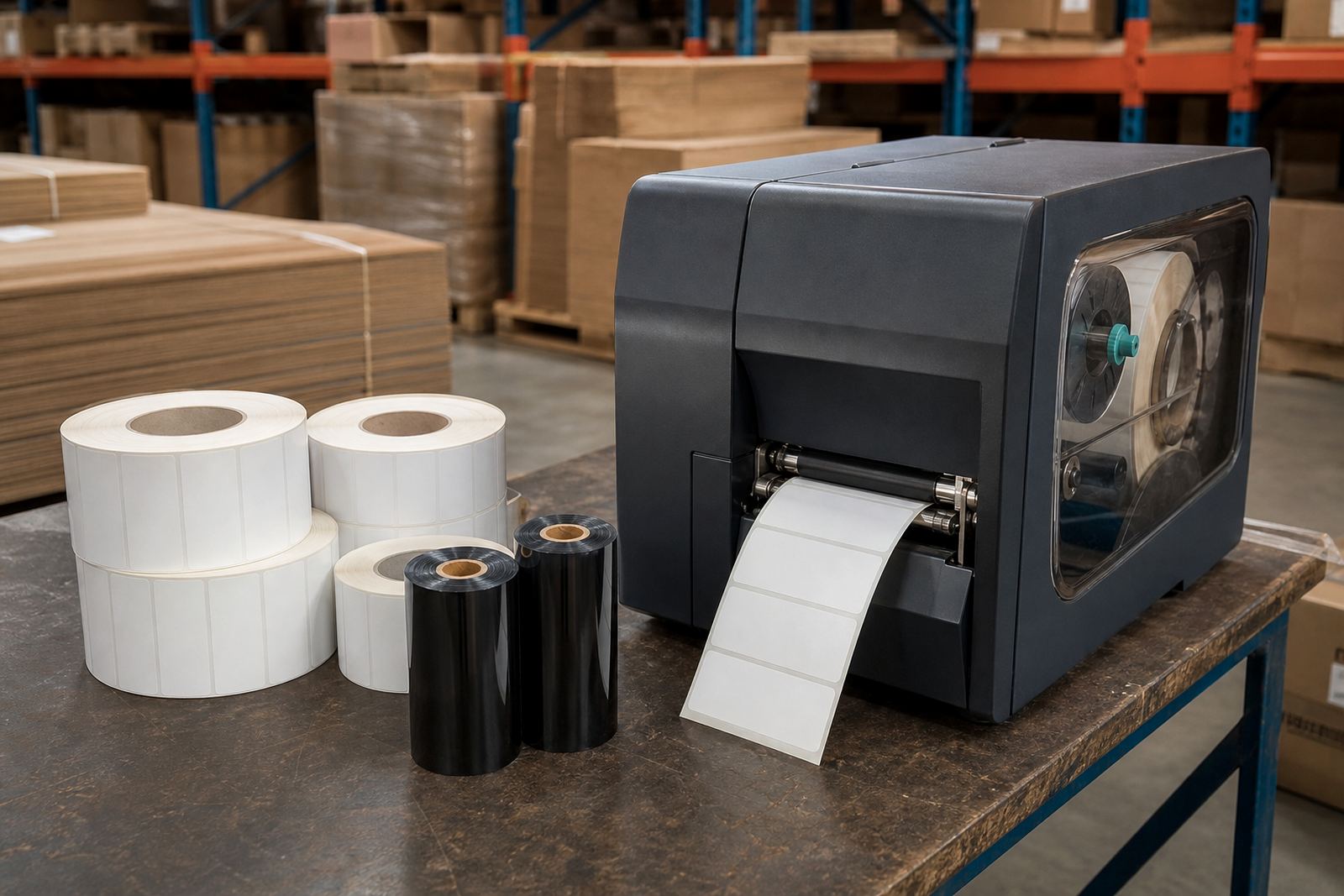
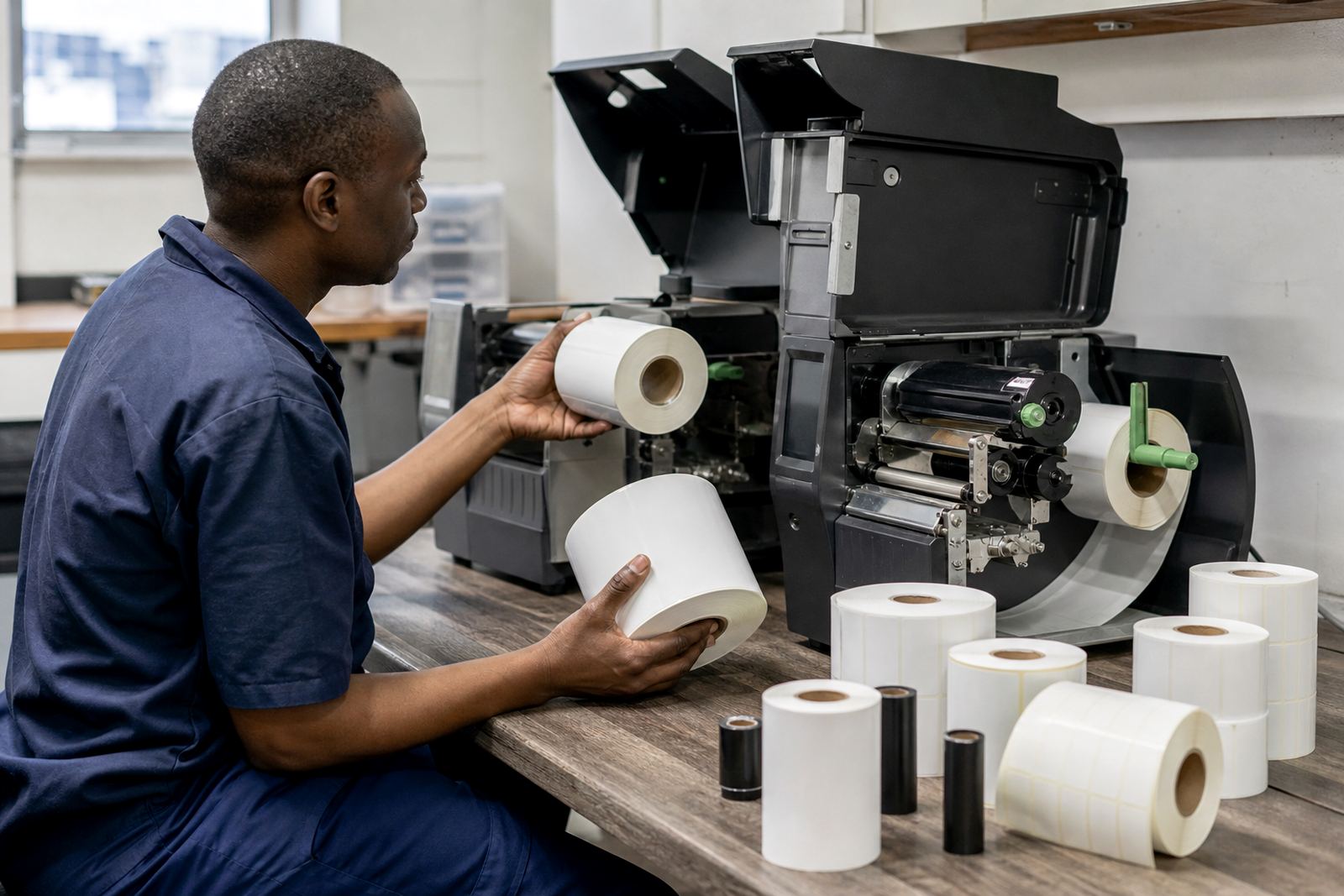
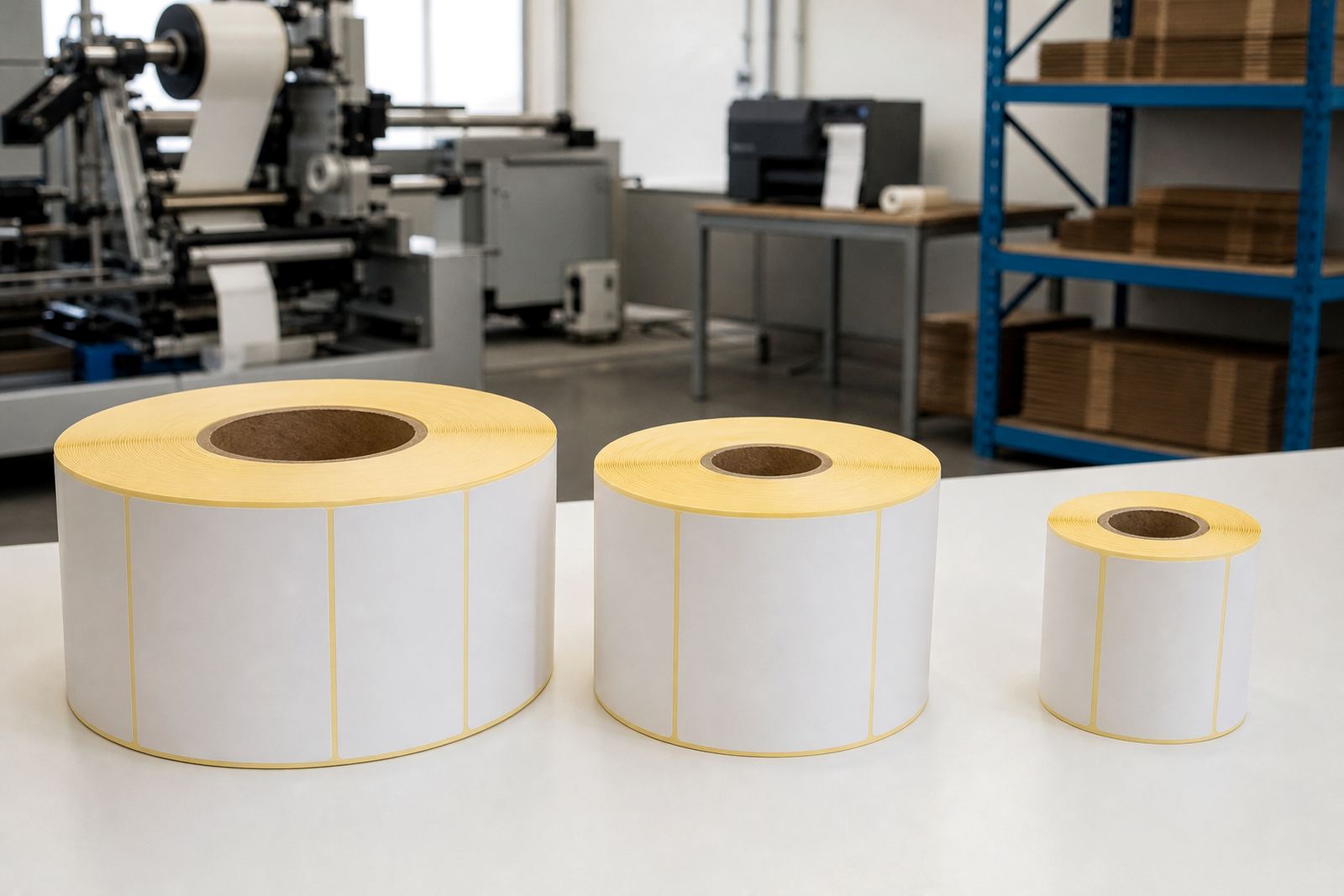


Start with the job, not the material name
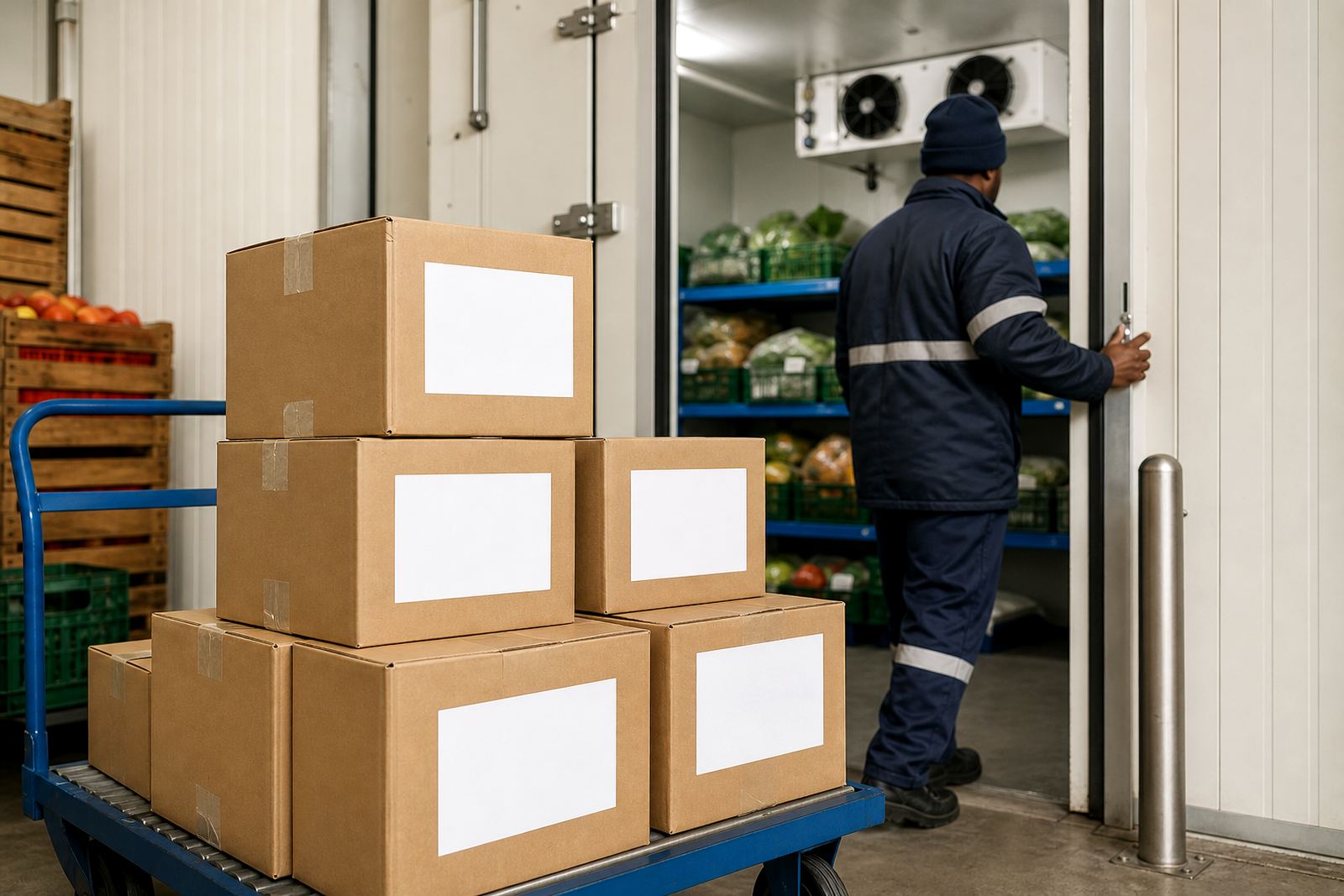
Every label choice starts with the surface, the environment and how the label will be applied. A carton label for a dry warehouse in Pretoria is not the same as a pack label going onto chilled goods in Durban, and a code label for a fast printer line has its own needs too.
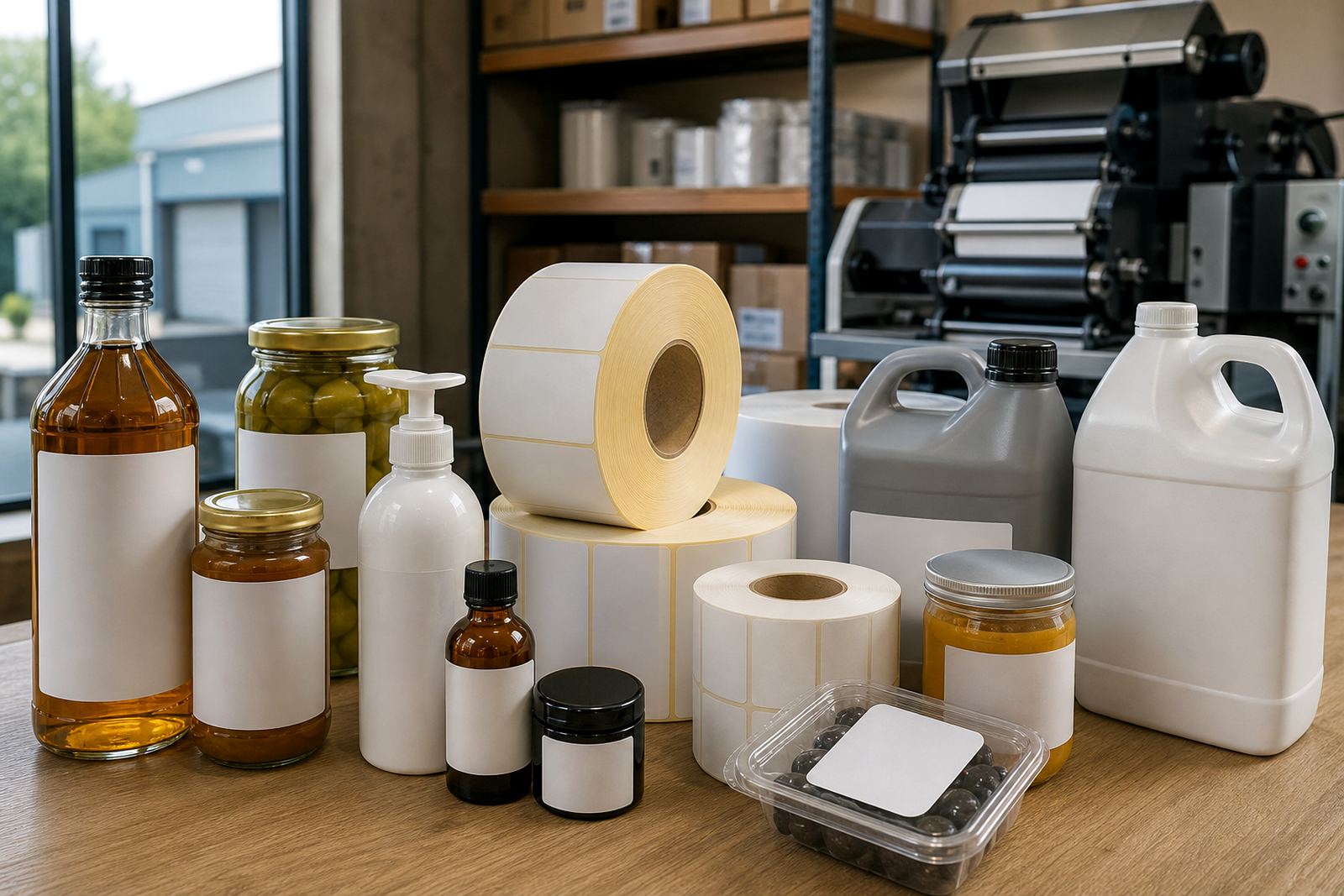
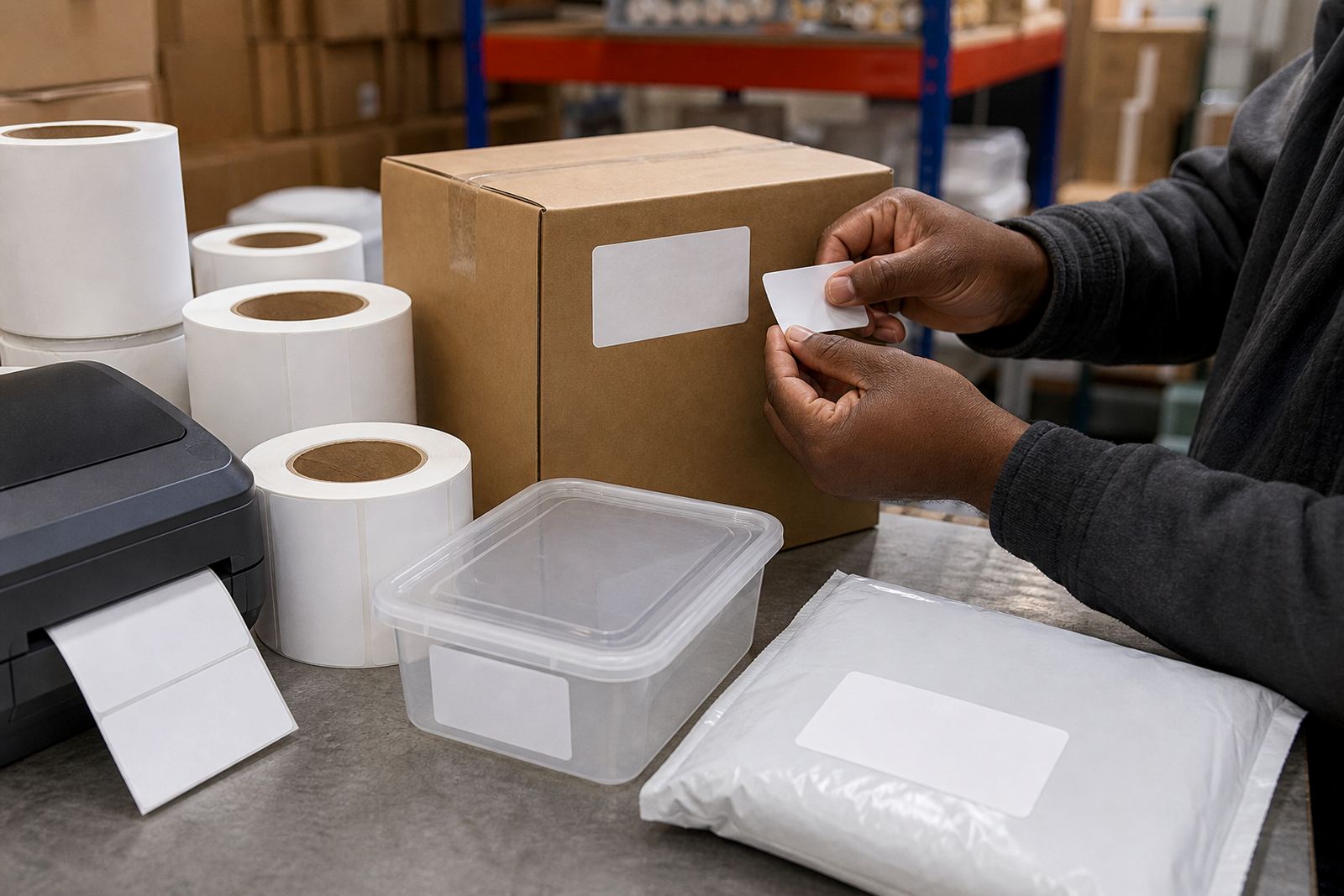
Think first about what the label must do. Some jobs need a clean white face for barcodes and product names, while others need durability for handling, rubbing or moisture. If the label must stay in place on plastic, glass, corrugated board or a coated pack, that changes both the face stock and the adhesive.
- Paper face stock for short to medium life labelling on dry packs and cartons
- Film face stock where water resistance or extra handling is needed
- Permanent adhesive for long staying power
- Removable adhesive where labels must lift off cleanly
Face stock choices that match the finish you need
Face stock is the top layer that carries the print, and it affects both appearance and performance. Paper stocks are common for retail, shipping and general packaging because they print clearly and convert well. Film stocks are chosen when the label must resist scuffing, damp conditions or frequent touch.
Gloss and matte finishes each have their place. Matte can suit barcodes, handling notes and plain product information. Gloss can improve presentation on retail packs, though it may show scratches more easily if the parcel is moved around a lot. In coastal areas like Pinetown and Durban, humidity can make poor material choice show up fast, so it pays to match the finish to the storage area and the route the parcel takes.
- Paper for cartons, sleeves and general retail labelling
- Film for moisture, rubbing and longer wear
- Matte for legibility and a quieter finish
- Gloss where presentation matters and the label will not be heavily handled
Adhesives are chosen by surface and temperature
The adhesive does the holding, so it must suit the pack surface and the conditions the label will face. A freezer label needs different hold from a box label in a dry storeroom, and a rough kraft carton needs different tack from a smooth plastic pouch. When the adhesive is wrong, labels edge lift, slide or lose grip before the pack reaches the customer.
For many jobs, a permanent adhesive gives the safest hold. Removable options are useful for temporary instructions, promotions or internal stock control. If the application area is dusty, damp or cold, that must be taken into account before roll production starts. A little testing on the actual pack is worth it, because a label that works on one surface can misbehave on another.
- Permanent for shipping, sealing and product identification
- Removable for temporary marking and rework
- Freezer or cold-room use where low temperatures affect tack
- High tack for difficult surfaces and textured packs
Liners, cores and roll build affect how the job runs
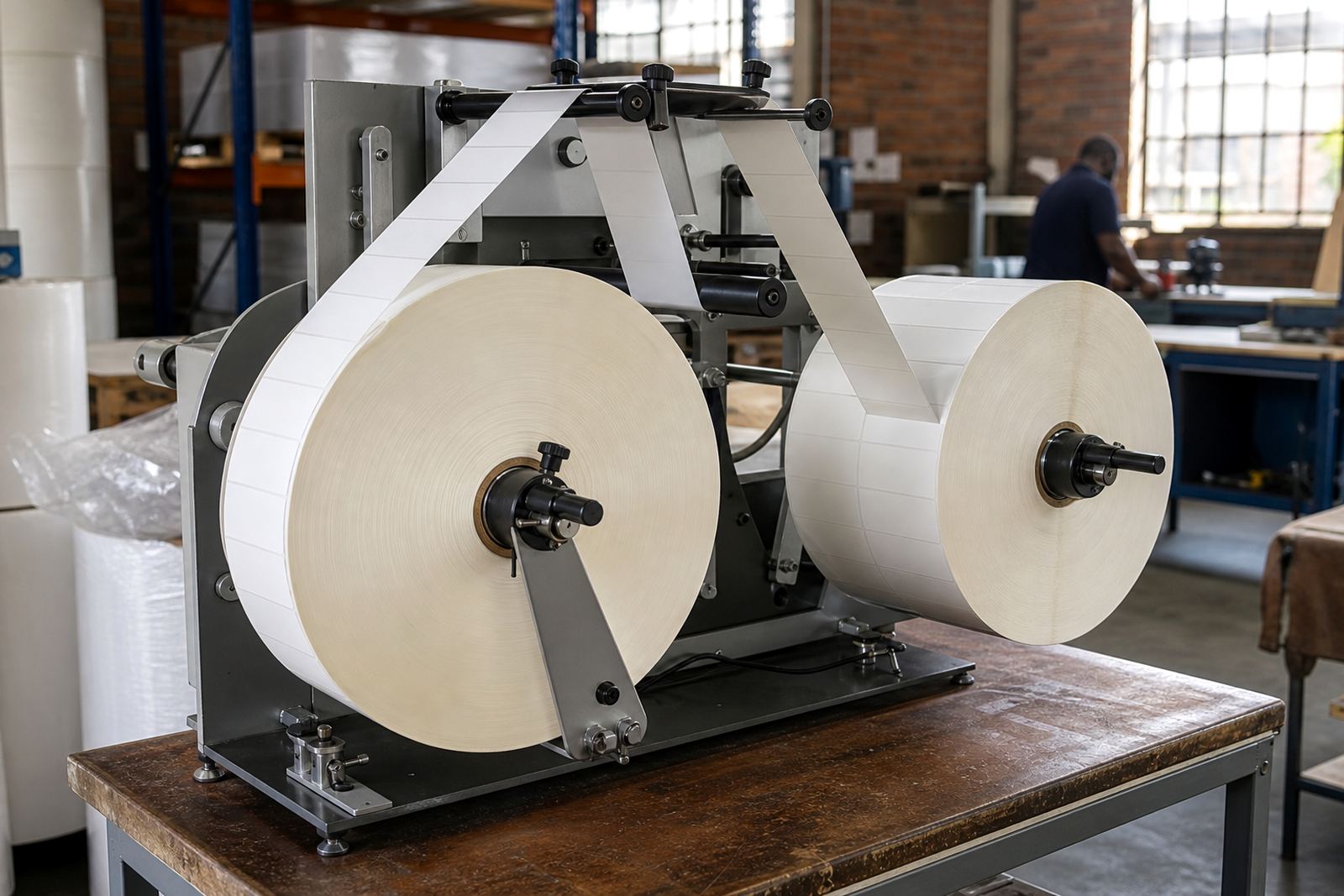
The liner is the backing sheet that carries the label before application. Glassine and similar liners are commonly used because they release cleanly and handle well in converting and dispensing. The wrong liner can cause feeding issues, especially on faster lines or where the label count per roll is high.
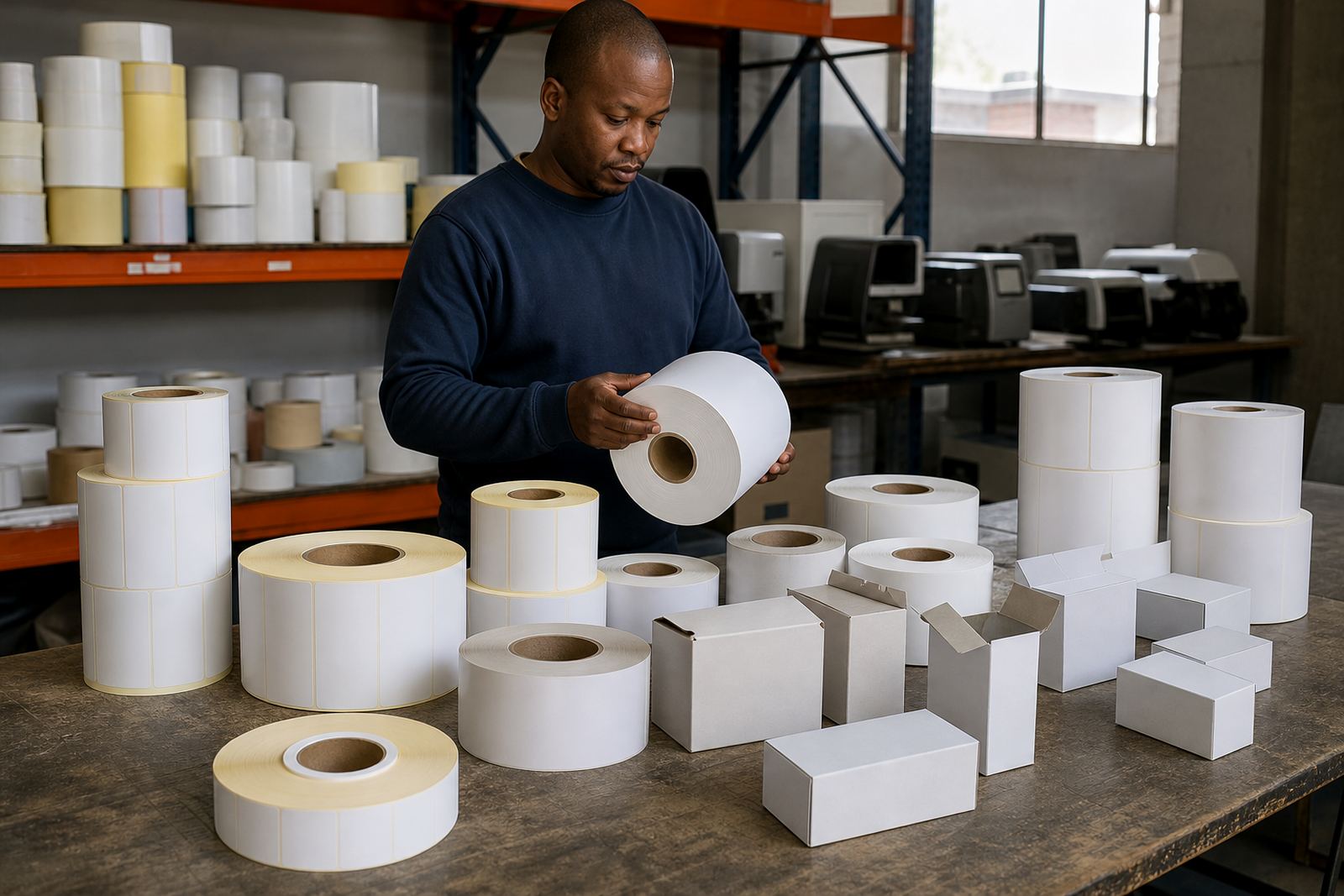
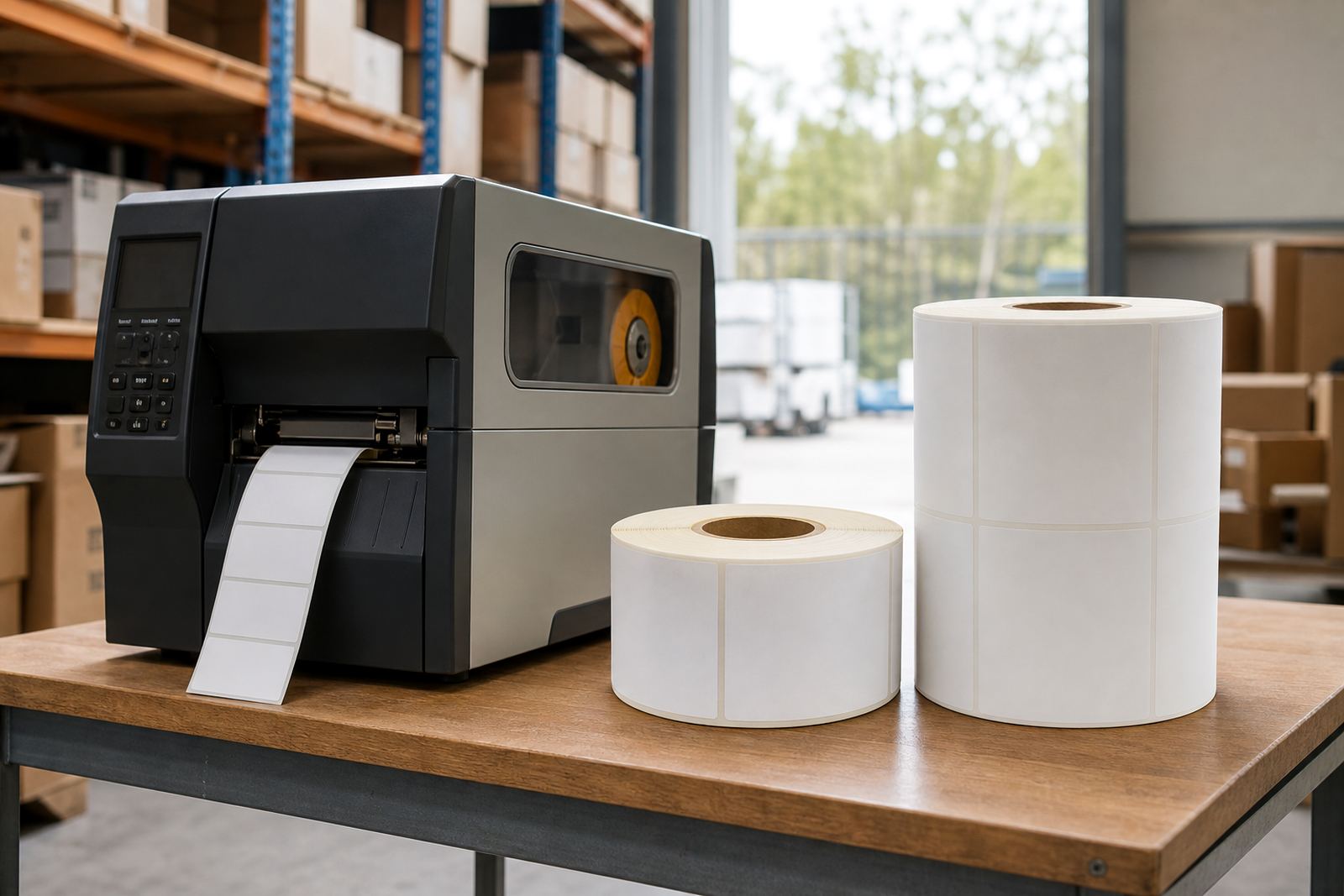
Core size matters too. Smaller cores suit compact benchtop printers, while larger cores are often used on industrial units that take bigger rolls and longer runs. Roll length planning must suit the printer, the dispenser and the space available on site. If the roll is too large for the machine, the job stops and wastes time. If it is too small, changeovers become frequent.
- Core size matched to printer spindle and roll holder
- Roll length balanced against run time and changeover rate
- Winding direction set for smooth feeding
- Sample rolls useful before a full order is scheduled
Direct thermal or thermal transfer, and why the difference matters
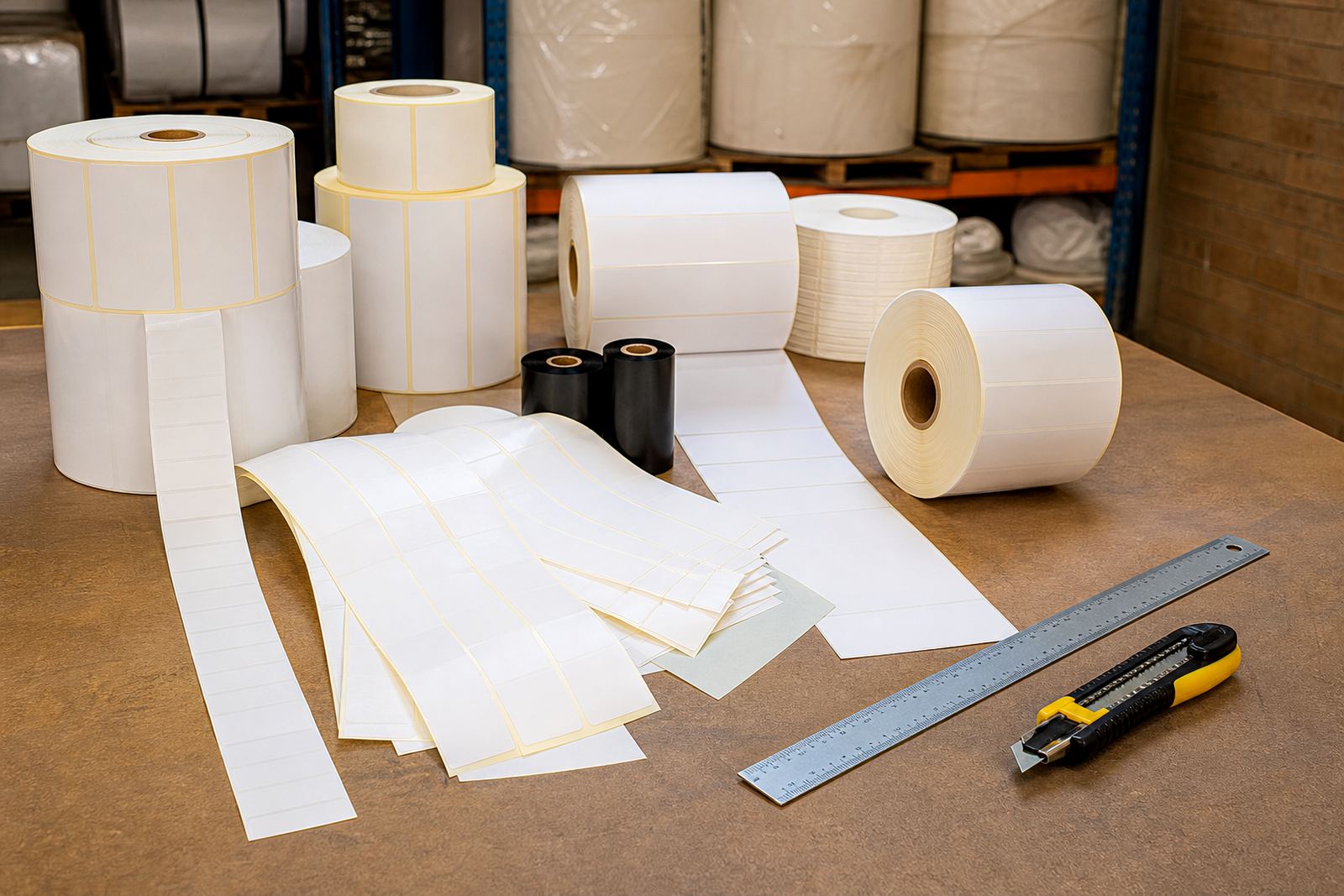
Direct thermal rolls print without a ribbon. They suit short life labels such as dispatch notes, shelf tags and many shipping applications, but the print can fade with heat, light or abrasion. Thermal transfer rolls use a ribbon, which gives a more durable print and is better for labels that must last longer or face rough handling.
The printer must match the roll type. Some machines handle both methods, while others are set up for one only. A proper fit check looks at print width, core size, outer diameter and the way the roll feeds through the printer. That saves stoppages on busy loading bays and packing tables where time is tight.
- Direct thermal for short life, fast changing labels
- Thermal transfer for longer life and better resistance
- Ribbon choice linked to face stock and print durability
- Printer compatibility checked before production begins
How to narrow the order before production starts
Good label planning is less about guesswork and more about matching the stock to the job. Once the surface, environment, printer and run length are known, the rest becomes much clearer. That is where slitting, rewinding and roll length planning help, because they turn a broad requirement into a usable format for the floor.
If you are ordering for several sites, the same stock may need different winding directions or core sizes for different printers. A warehouse in Johannesburg may run one format while a production line in Pietermaritzburg uses another, even when the label face looks identical. Small differences can save a lot of rework later.
- Confirm the pack material and the label surface
- Check whether the print must last days, weeks or longer
- Match the roll format to the printer and applicator
- Review future supply if the job volume changes