How this heat-sensitive roll behaves on the floor
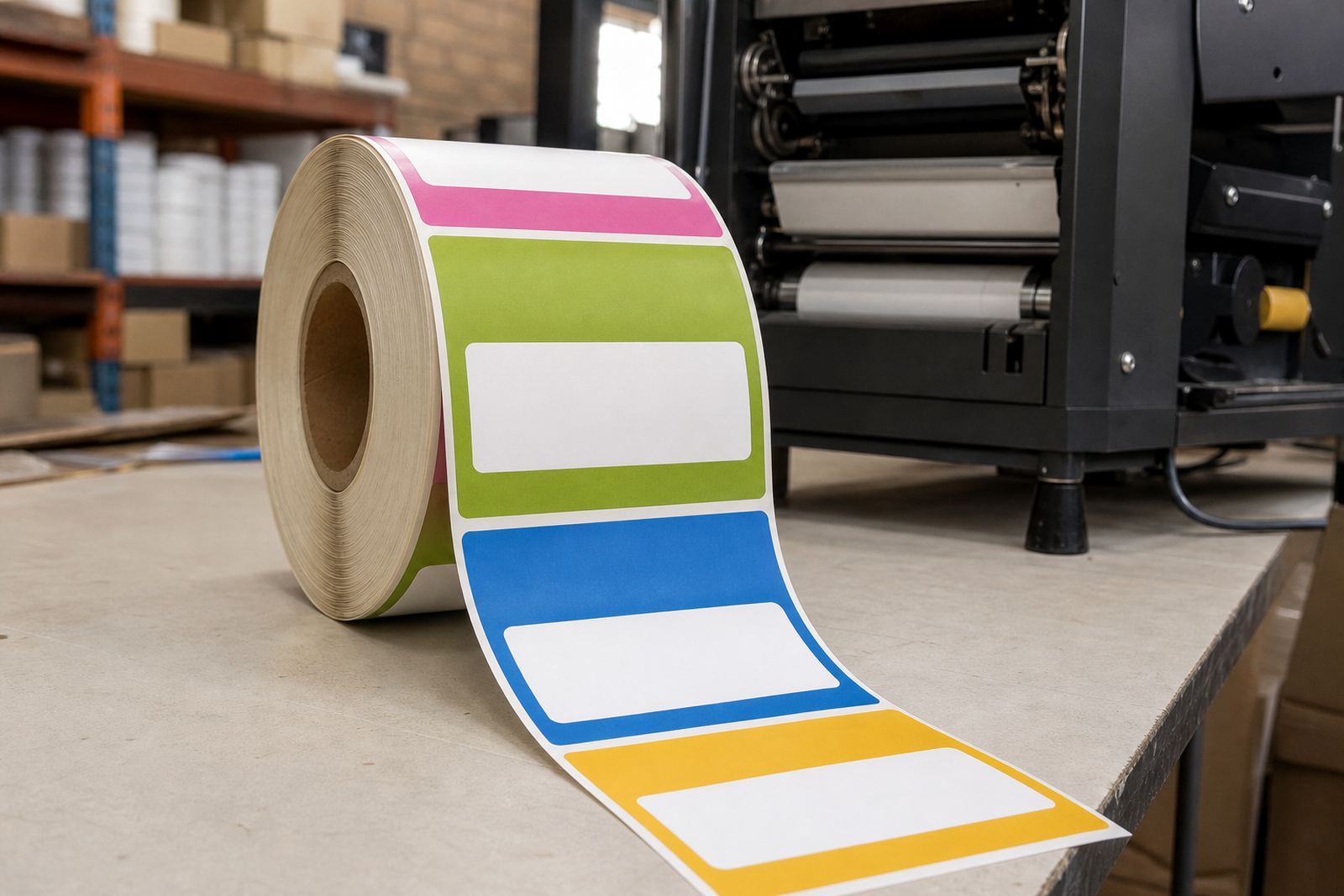
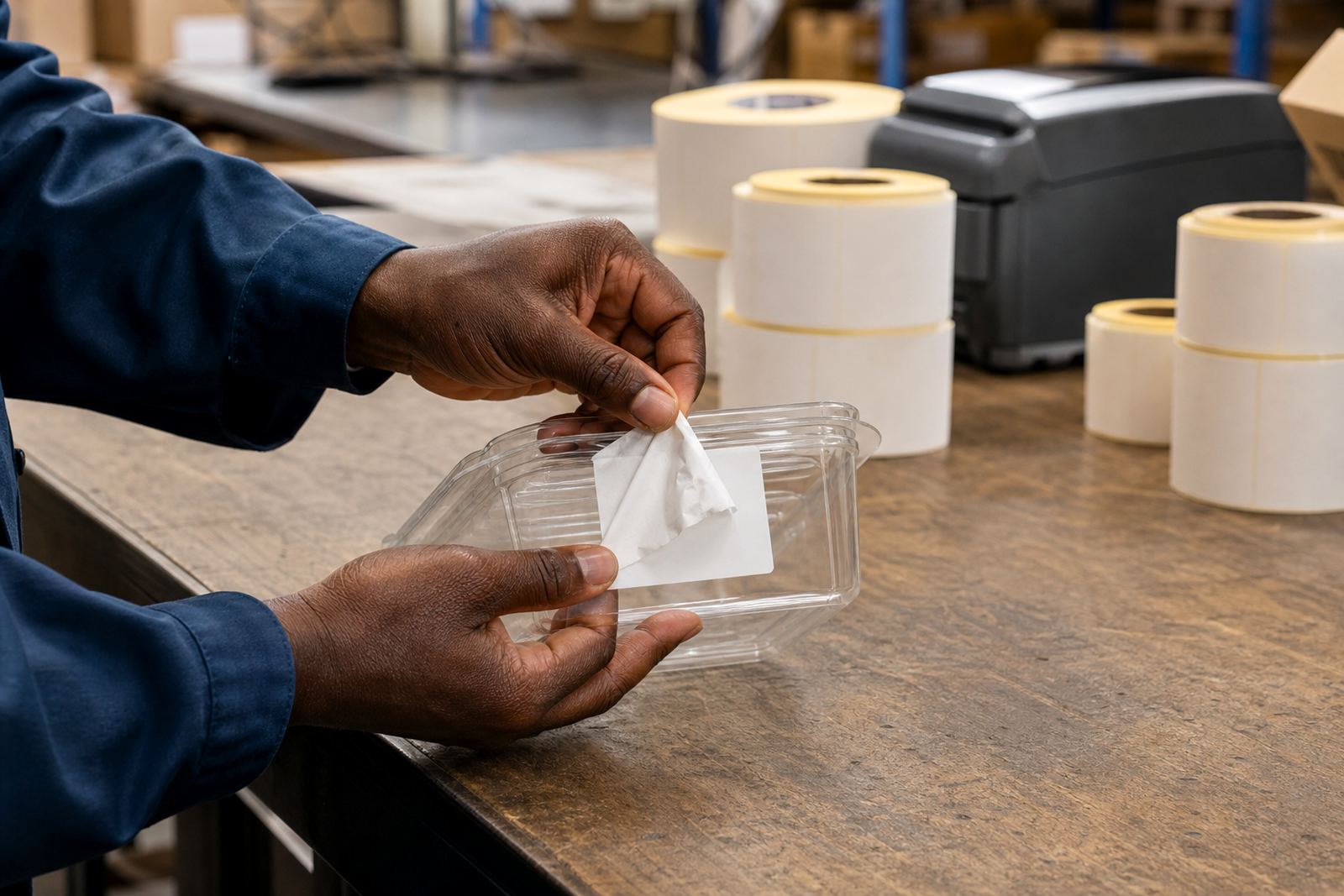
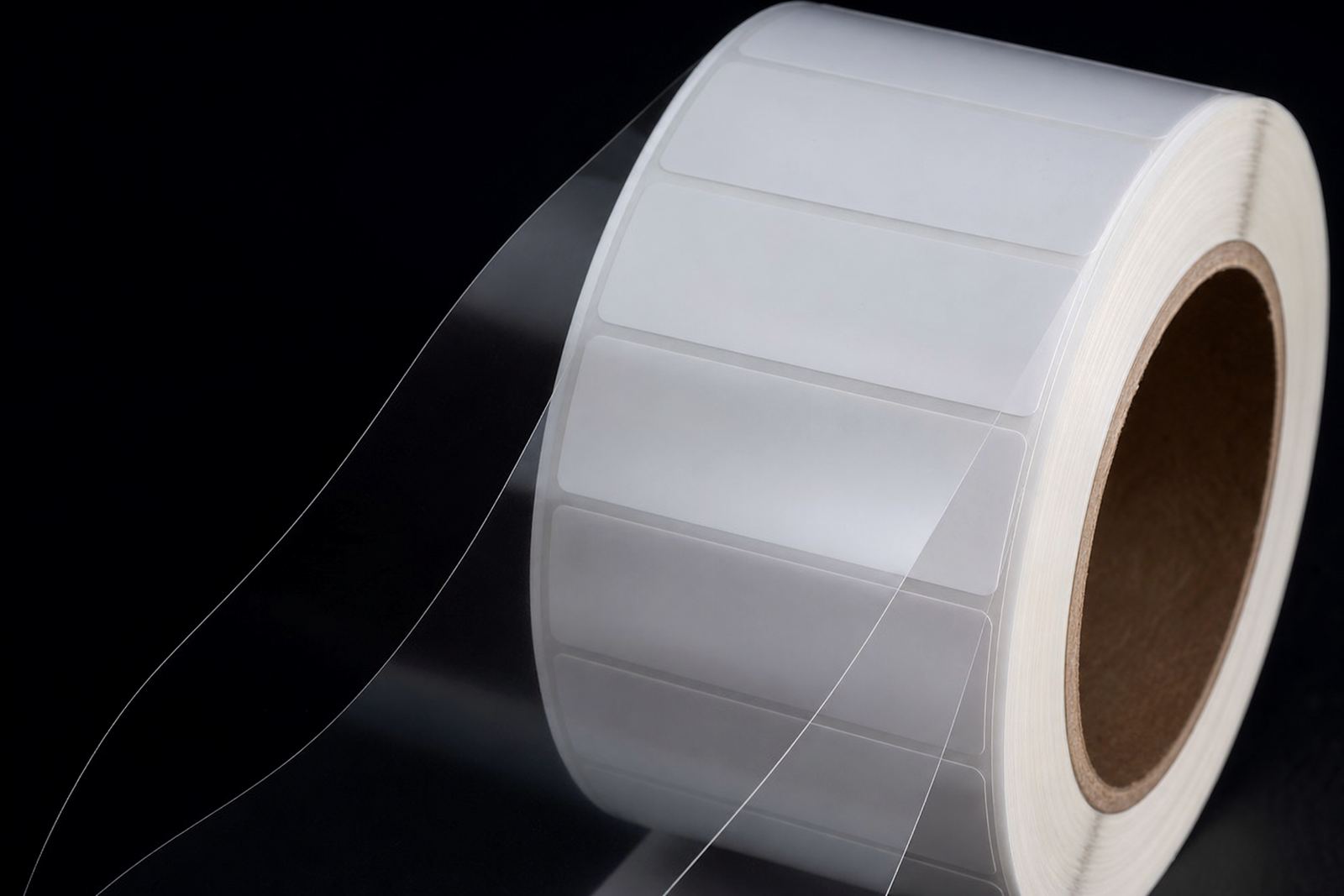
Direct thermal paper has a coated face stock that darkens where the printhead applies heat. The sheet build is usually a top coating, a paper face stock, adhesive where required, and a release liner on self-adhesive formats. It is widely used for shipping, weighing, barcode labelling and point-of-sale work because the image is produced quickly and the roll changeover is straightforward during busy shift periods.
In South African sites, this type of stock is often chosen where labels move fast through packing benches, despatch tables and receiving bays. It works well in warehouses, courier depots and retail back rooms in Durban humidity, inland winter dryness in Johannesburg, and the mixed conditions seen in Cape Town and Pretoria. The paper is practical for short-life labels but the print should be protected from heat, sunlight and abrasion once applied.
- Image is created by heat, so the printhead condition matters
- Usually supplied as plain rolls or self-adhesive labels
- Common for barcodes, batch marks, routing labels and shelf labels
- Best kept away from direct sun, hot vehicles and rough handling
Sizes, cores and roll build that match your machine
Direct thermal paper is supplied in many widths and roll lengths to suit different printers and applications. Common widths include 40 mm, 50 mm, 75 mm, 100 mm and wider formats for parcel and pallet identification. Roll length depends on the printer roll capacity and the label size, so the same width can be wound short for benchtop units or longer for high-volume lines.
Core size is one of the most important checks. Smaller benchtop printers often use a 25 mm or 40 mm core, while larger industrial units may use 76 mm cores. Roll outside diameter must also fit the printer tray, so a roll that is too large can jam the cover or rub on the feed path. We plan roll length carefully when the label is going into a thermal printer that runs through a full shift with little downtime.
- Widths can be cut to suit label applicators, weigh scales or parcel printers
- Core sizes are matched to benchtop and industrial printer formats
- Roll direction and unwind need checking on side or front load printers
- Perforation can be added where hand tear off is needed at the bench
Where direct thermal stock earns its place
This stock suits operations that need clear print quickly and can use labels within a limited life span. It is common for courier manifests, warehouse bay labels, retail shelf tickets, food packing date labels and weigh scale tickets. In logistics, it helps with scan-ready barcodes that need to move from packing to dispatch without a ribbon change or extra setup.
In manufacturing and packing lines, it is useful for product identification during staging, kitting and internal movement. For retail, it can support pricing and promotional labelling where turnover is high and the label is replaced often. If the label will face sunlight, freezer condensation, oil or long storage, that job may need a different face stock or a protected print method, but direct thermal is still the fast choice for many daily tasks.
- Parcel labels and consignment stickers
- Weigh scale and deli ticket printing
- Temporary warehouse location labels
- Short-life product and batch identification
Fitting the roll so the printer feeds cleanly
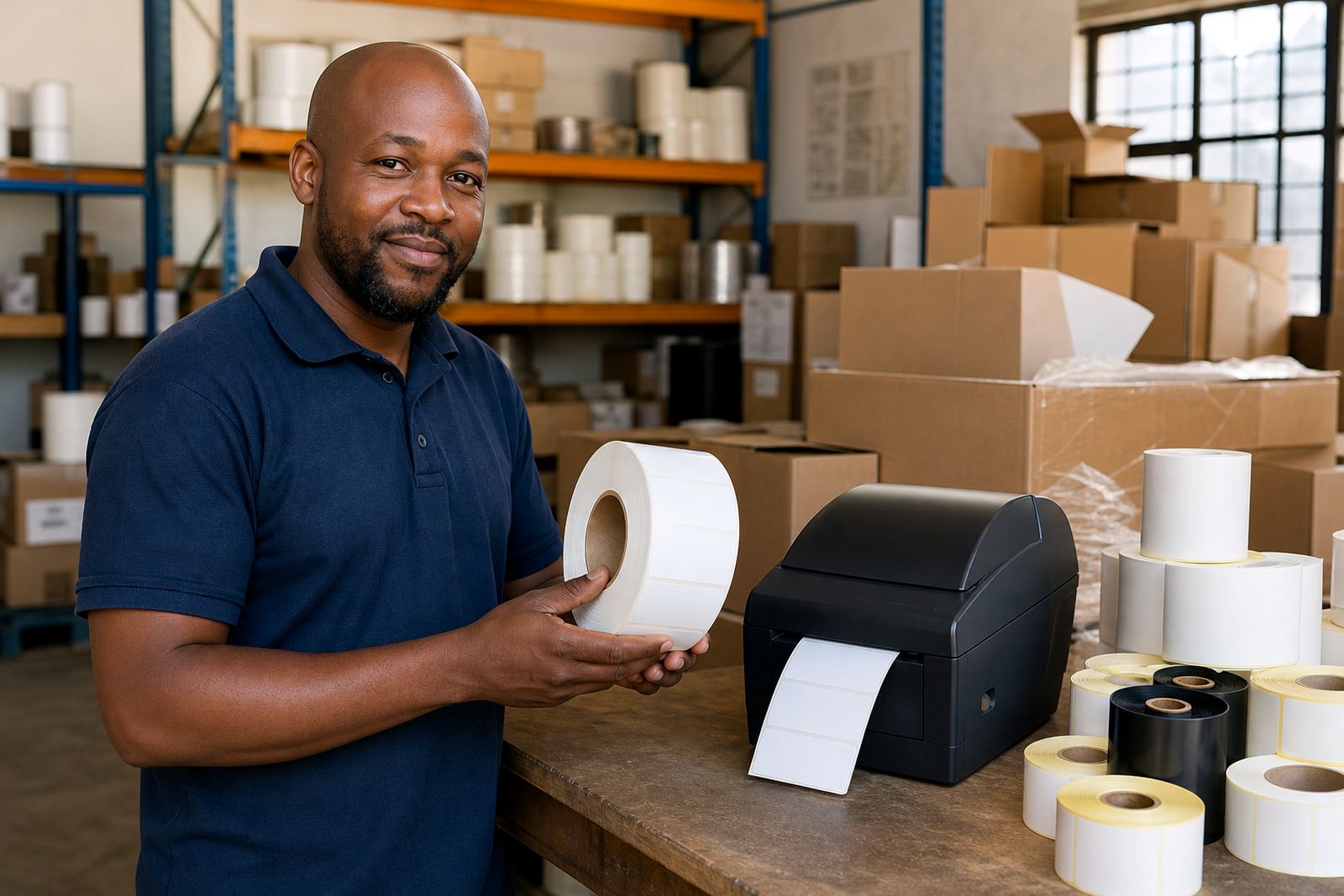
Getting the roll into the printer properly saves a lot of wasted labels. The roll must sit square on the spindle or holders, with the unwind direction matched to the printer path. If the label face is reversed, the print may appear on the backing side or the sensor may miss the gap. We also check whether the printer reads black mark, gap, notch or continuous stock, because the media sensor setting changes how the machine feeds.
For benchtop units used in offices, depots and small production areas, the roll needs to close without pressure on the lid. Larger industrial printers need enough clearance for the roll diameter and a clean feed path, especially where dust from cartons or packaging tape builds up.
- Confirm printer model and media sensor type before ordering
- Check core diameter, roll width and outside roll size
- Match unwind direction to the feed path
- Keep the platen roller and printhead free of dust and adhesive build-up
Care that keeps the print readable longer
Direct thermal images are sensitive to heat, sunlight and rubbing, so care starts with storage. Rolls should be kept indoors in a cool dry place, away from roof heat and open windows. On the factory floor or dispatch bench, avoid leaning labels against warm equipment or leaving them in parked vehicles. Coastal humidity can also affect roll condition over time, especially where packing rooms are open to outside air.
When labels are applied, the surface should be clean and dry. Dust, moisture and oily cartons reduce bond strength and can lift the corners. If the stock is used on cold chain packaging or chilled rooms, allow the surface to settle and wipe off condensation first. The printhead should be cleaned on a routine basis, since dirt or adhesive can cause faint bars, pinholes or uneven darkness across the label.
- Store rolls in the original wrap until needed
- Avoid heat, direct sun and damp floors
- Apply to clean dry surfaces only
- Clean printheads and rollers on a regular cycle
What to confirm before we cut and dispatch
Before ordering direct thermal paper, it helps to confirm the exact use so the stock can be matched to the job. We look at the printer type, label width, core size, roll length, whether the job needs perforations and if the adhesive must grip carton, plastic, glass or chilled packaging. If the label is going through a top of line on a fast pack bench, the unwind and length planning matter as much as the face stock.
For sites in Westmead, Pinetown, Durban, Johannesburg, Cape Town, Pretoria, Pietermaritzburg and Hammarsdale, we also factor in the packing environment and dispatch method. A roll for a courier client may need a different length plan to a roll used on a retail scale, and a label going onto rough fibre board may need a stronger adhesive than one used on smooth cartons. That detail avoids waste and keeps the printer running clean.
- Printer make and model, plus media sensor type
- Label width, length and core size
- Continuous, gap, black mark or perforated format
- Surface type and expected storage time after printing
Key facts
| Product type | Direct thermal paper rolls and labels |
|---|---|
| Print method | Heat-sensitive imaging without ribbon |
| Common widths | 40 mm, 50 mm, 75 mm, 100 mm and custom cuts |
| Core sizes | 25 mm, 40 mm and 76 mm options |
| Formats | Continuous rolls, die cut labels, perforated rolls and fan fold on request |
| Typical uses | Courier labels, weigh scale tickets, shelf labels, batch marks and short-life barcode labels |