When a seal must tell the story
Void label stock is made for applications where the label itself should leave evidence behind if anyone tries to peel it off. The adhesive and face stock are built so the surface shows a VOID pattern, or a similar removal message, once lifted from the item. That makes it useful for boxes, containers, coded packs and warranty or inspection seals where the condition of the closure matters as much as the product inside.
In Westmead, Pinetown and across Durban, Johannesburg, Cape Town, Pretoria and Pietermaritzburg, these labels are used on carton flaps, plastic tubs, drums, envelopes and machine access points. They are also common in logistics yards, retail back rooms and small manufacturing lines where staff need a quick visual check. On humid coastal routes or in warehouses with dust and heat, the right combination of face stock and adhesive helps the label stay put until removal is attempted.
- Indicates opening or lifting at a glance
- Used on cartons, seals, closures and inspection points
- Available for manual application or machine applied runs
Face stock, adhesive and liner choices that change the result
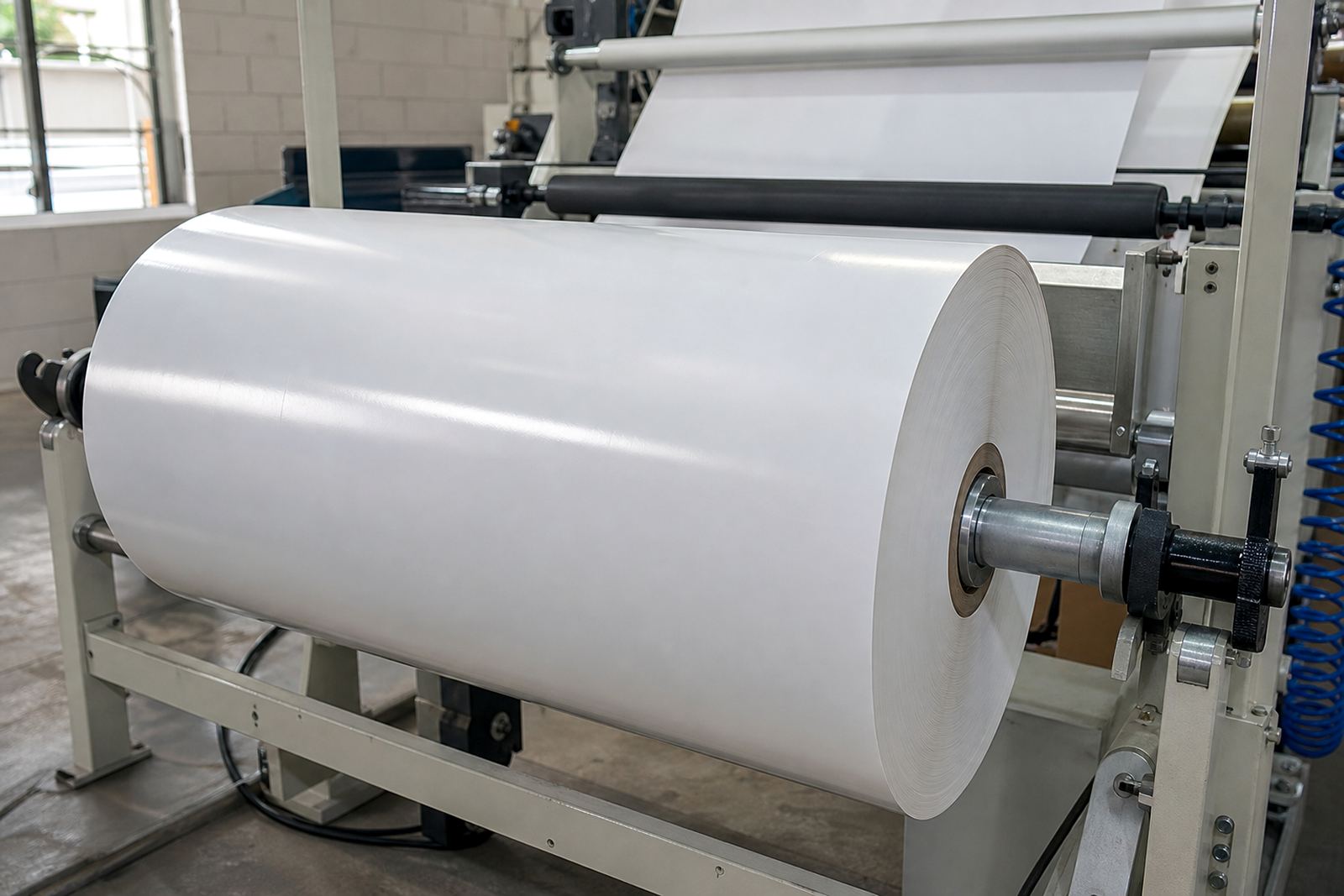
The base construction starts with a face stock, the visible top layer that can be paper or film depending on how much handling the label will see. Paper face stocks suit clean indoor use and short to medium life packaging. Film face stocks are better where abrasion, moisture or repeated contact is part of the job. For a tamper-indicating label, the face stock must release in a controlled way so the void message appears clearly and not in patches.
Adhesive choice matters just as much. A permanent adhesive is usually selected when the label is meant to stay on for the life of the pack. High tack options help with textured cartons, some plastics and slightly dusty surfaces, though a clean surface still gives the best hold. We also consider the liner, which needs to release cleanly during dispensing and rewinding. Silicone coated liners are commonly used for stable release, and the liner thickness affects both roll stiffness and how the roll performs in printer feed paths.
- Paper face stock for general packaging and shorter exposure
- Film face stock for handling, moisture and scuff resistance
- Permanent or high tack adhesive depending on the surface
- Glassine or similar liners for cleaner dispensing and rewinding
A label that seems fine in a cool storeroom can behave differently on a busy dock, so it helps to match the stock to the actual site conditions.
Roll formats for hand use, thermal printers and rewinding
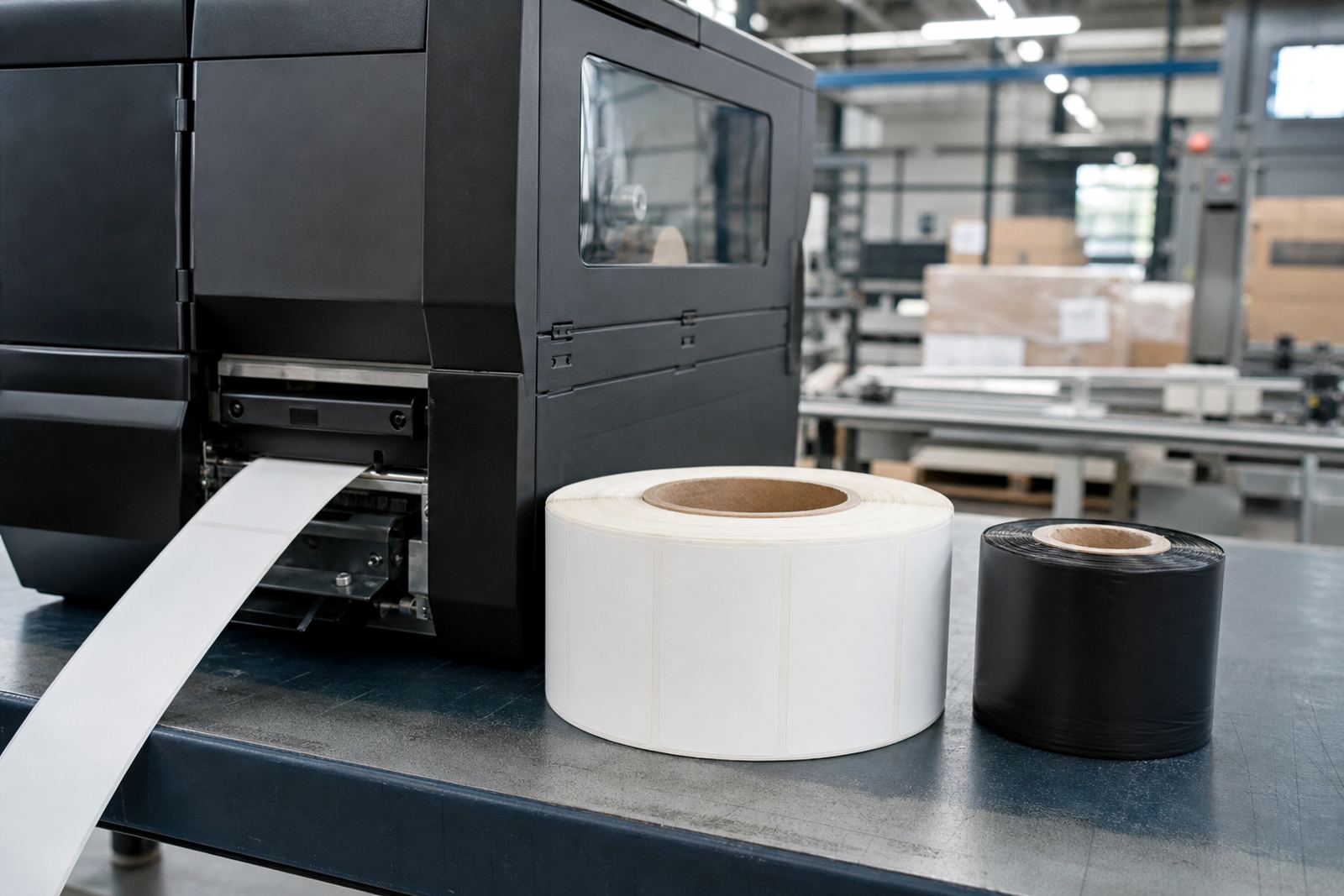
Void label stock can be supplied in roll form to suit hand application or label printers, depending on how the labels are produced and issued. For printing systems, the core size, outer diameter, winding direction and gap or black mark setup need to match the machine. Common core sizes include 25 mm and 76 mm, though the right core depends on the printer and the label width. If the roll sits incorrectly in the printer path, feeding can become uneven and print registration can shift.
For direct thermal printers, the stock is selected so the image is created by heat on the print face. For thermal transfer printers, the label stock is paired with a ribbon that transfers the image onto the face stock. Void label jobs often need a transfer ribbon and face stock combination that can cope with handling without smudging. We also plan winding direction, because a roll wound the wrong way can cause feed issues on benchtop, industrial or inline units.
- Core sizes matched to the printer spindle or mandrel
- Roll length planned to suit run size and printer capacity
- Winding direction set for your feed path
- Direct thermal or thermal transfer compatibility confirmed
Where tamper evidence earns its keep
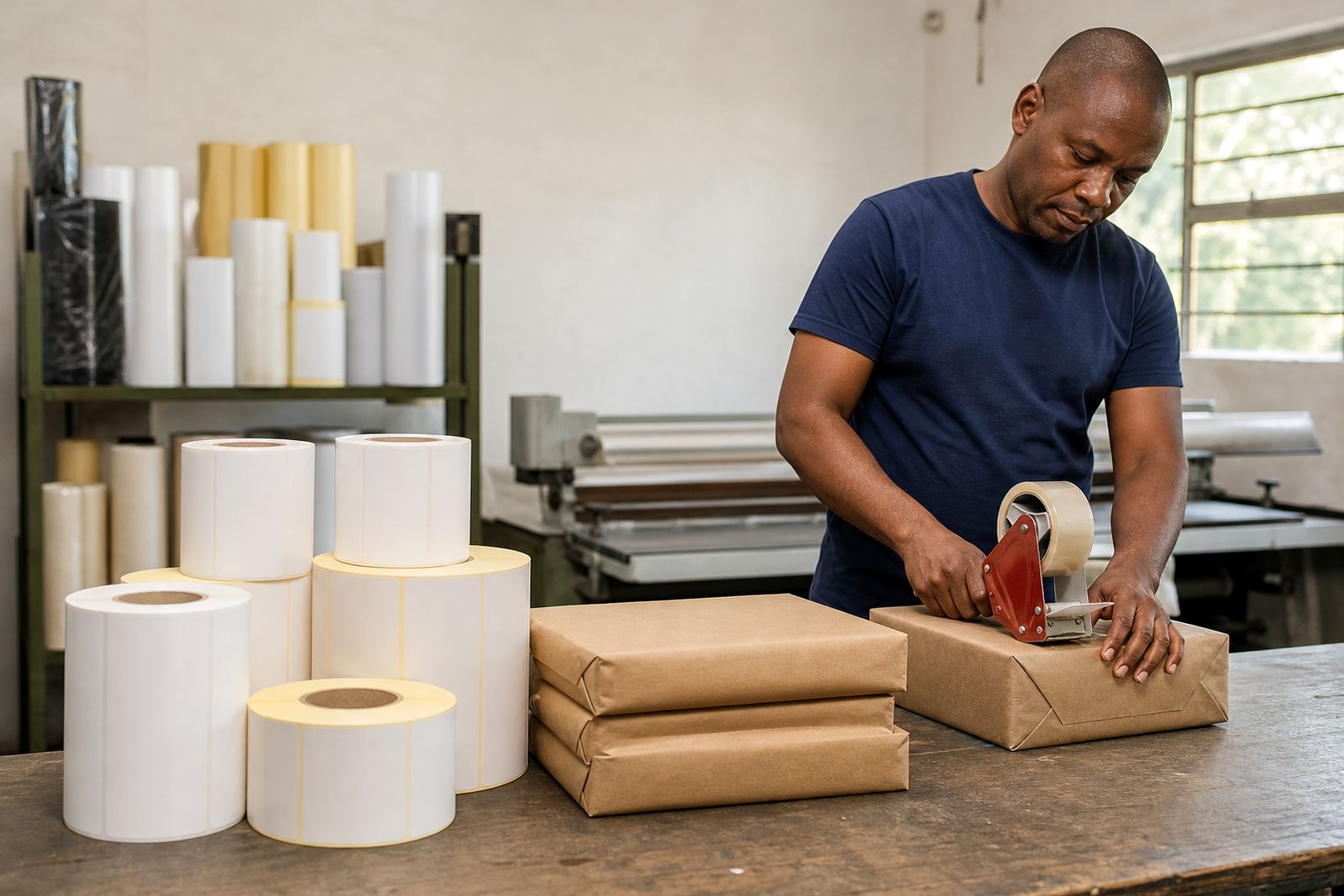
This stock suits packaging and sealing work where a broken closure could lead to complaints, returns or safety concerns. It is often used for dispatched parcels, sealed cartons, test kits, calibration packs, service covers and product bundles. In retail stockrooms it helps with shelf packs and storage containers, while in manufacturing it can support quality checks on access panels and internal pack-outs. For logistics teams moving pallets between KwaZulu-Natal, Gauteng and the Western Cape, it gives a clean check point before goods leave the site.
It also works well for operations that need a clear internal control without making the pack look overdone. A void label can sit discreetly across a flap seam or across a closure point, so any attempt to remove it becomes visible without extra fuss. If the label must survive chill rooms, sunlight near loading bays or rough handling on courier routes, the materials need to be chosen accordingly and tested on the actual substrate.
In some cases a sample roll is the best first step, especially when the surface is unusual, like powder coated metal, recycled board or textured plastic. A small test run can show whether the adhesive bites properly and whether the void message appears cleanly after lifting.
Fitting and setup details that stop avoidable waste
Installation depends on whether the labels are applied by hand or through a printer. For manual use, clean the surface first and press the label down firmly from one edge to the other. On packaging lines, make sure the dispense angle, label spacing and tension are correct so the stock peels smoothly from the liner. If the roll is going through a printer, the sensor setting, darkness level and speed should be checked against the material, especially when switching from paper to film.
Void stocks can be affected by dust, oils, condensation and the type of carton board used. A label that bonds well on a flat corrugated box may behave differently on a curved drum or a slightly rough recycled surface. That is why adhesive matching, printer fit checks and sample rolls are part of the order process. If your line uses rewinding for later application, the roll length and winding direction must stay consistent from one batch to the next.
- Surface must be dry, clean and free of loose dust
- Check printer width, core, sensor type and ribbon match
- Use consistent pressure during manual application
- Test on the actual pack material before full production
What to confirm before the roll leaves Westmead
When ordering void label stock, the main details to confirm are the label width and length, the gap between labels or the repeat pitch, the core size, the roll outer diameter and the winding direction. You should also specify whether the job is for direct thermal or thermal transfer printing, and whether the face stock must be paper or film. If the pack surface is difficult, say so upfront so the adhesive can be matched to the application.
It helps to note where the labels will be used, for example on cartons in a warehouse, on retail sealed packs or on outbound courier parcels. That lets us factor in handling, temperature swings and the roughness of the substrate. For larger users in Durban, Johannesburg or Cape Town, roll length planning can reduce changeovers. For smaller batches, sample rolls can save time before a full run is approved. Our team in Westmead, Pinetown handles custom slitting, rewinding, core sizing and dispatch packing for supply across South Africa.
To keep stock usable, store the rolls in a cool dry area away from direct sun and excess moisture. Avoid stacking heavy boxes on the roll edges, as that can distort the cores and affect printer feed. If the labels are for a packed production schedule, repeat order planning helps keep dimensions and winding consistent from batch to batch.