Why carton seal labels are used on real packing lines
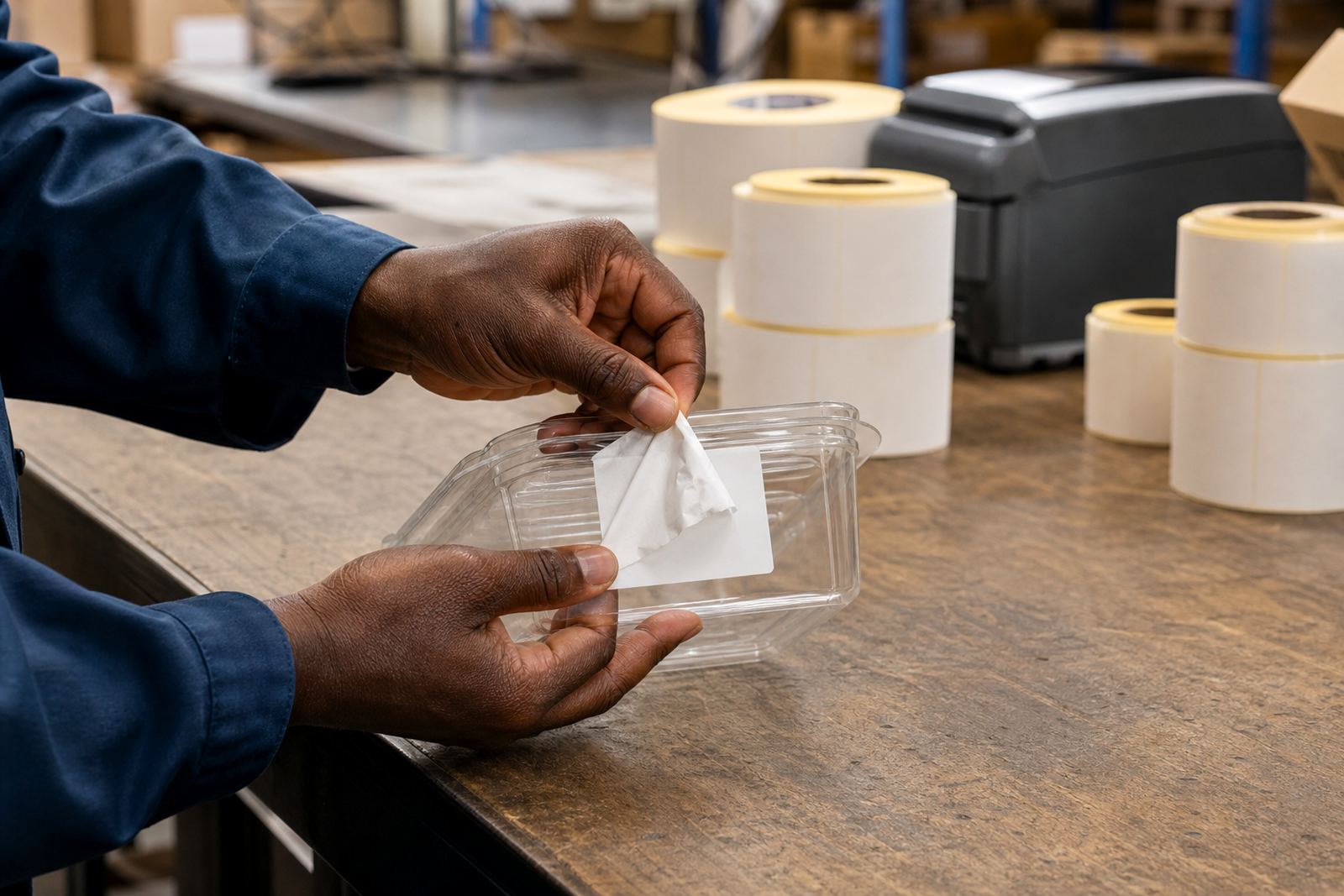
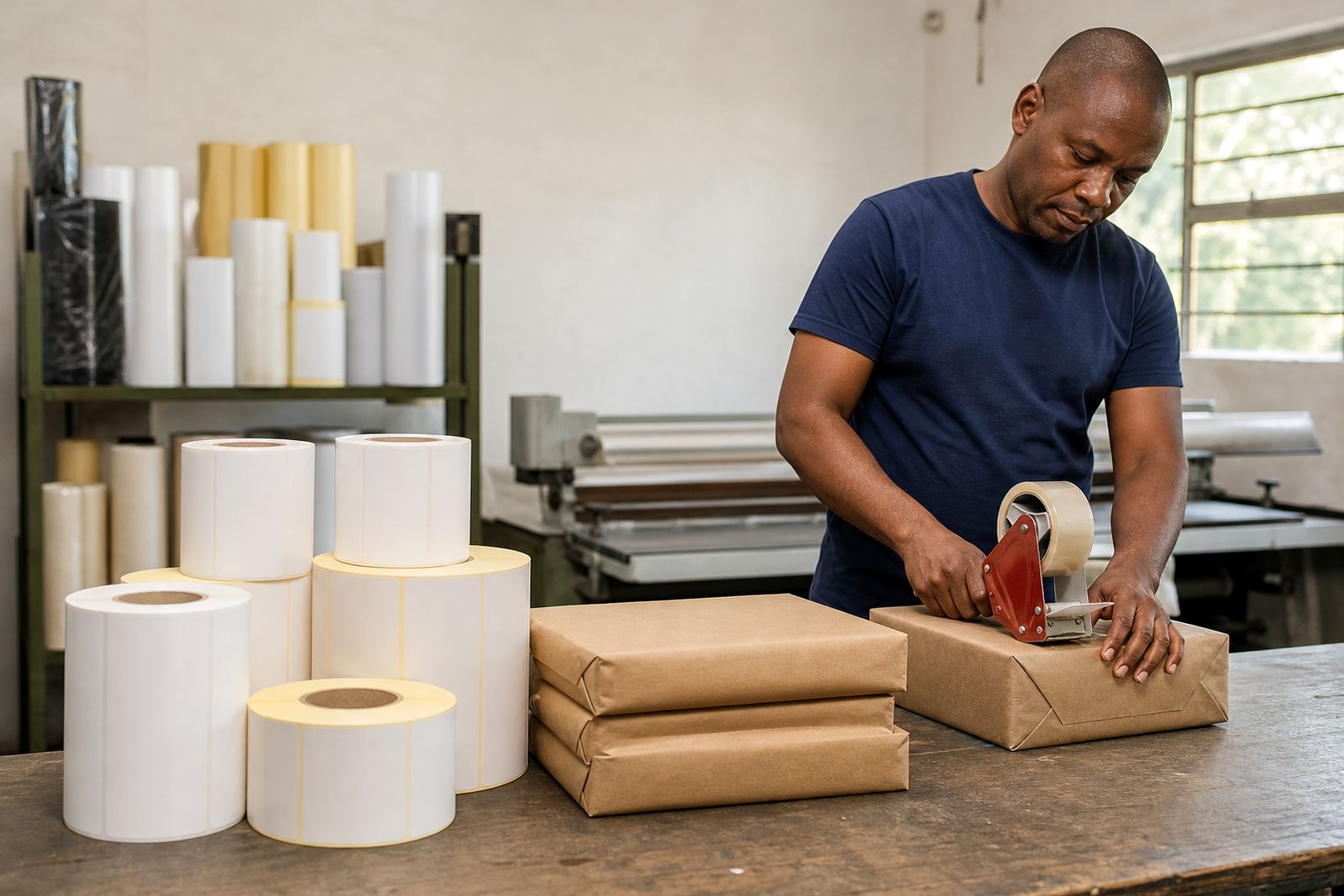
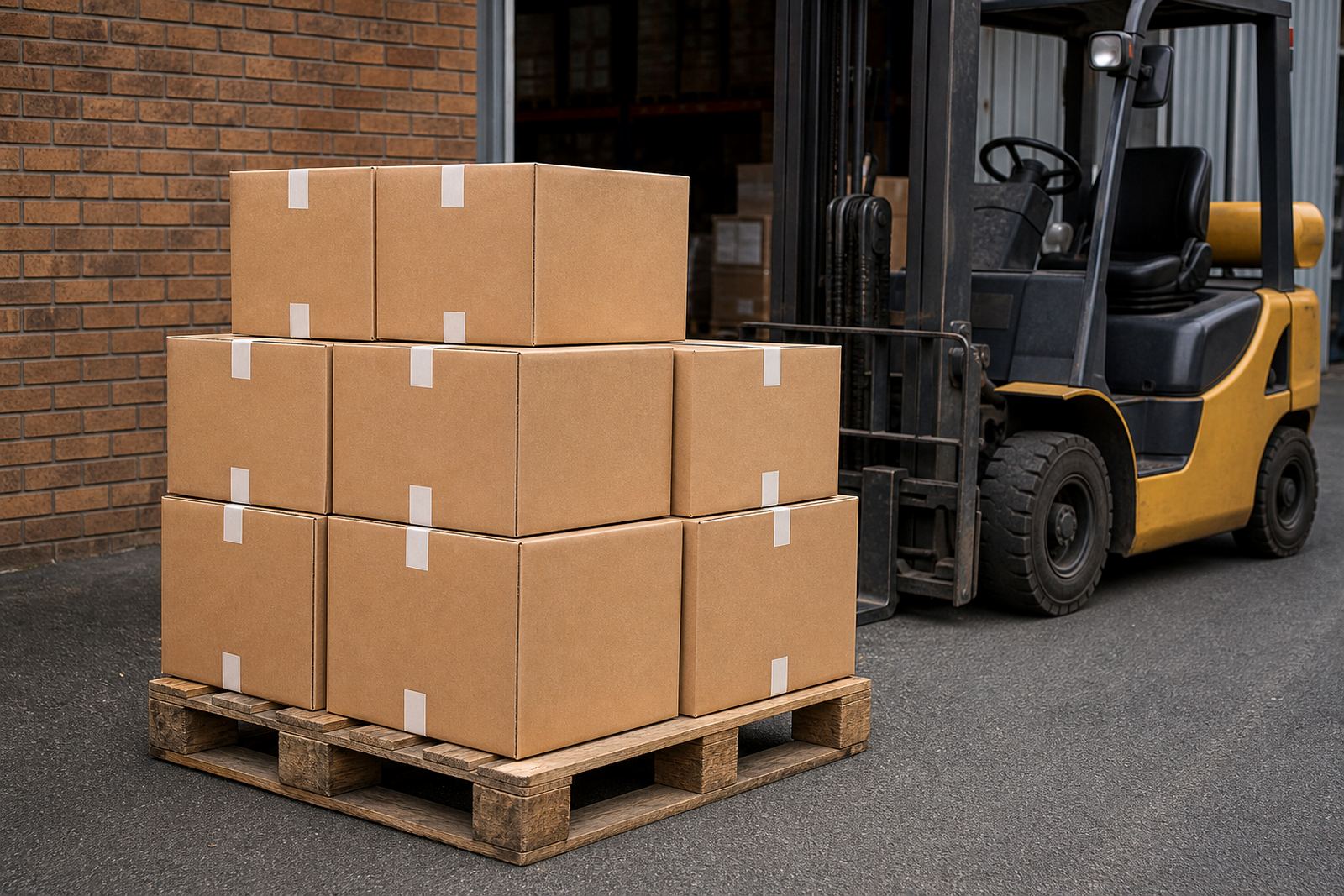
Carton seal labels are normally placed across the opening seam, flap edge or closure point of a box so the pack is easier to identify and harder to open without leaving a mark. In day-to-day dispatch work they are used for outbound cartons, rework cartons, store transfers, stock holding, and sealed packs that need handling notes in plain sight.
For many Durban, Johannesburg and Cape Town operations the label must hold on through short-term handling, stacking and courier movement, while still giving a clean print for barcodes, route notes, batch details or fragile warnings. On humid coast-side sites around Pinetown and Durban, adhesive choice matters a lot because carton dust, moisture and cold-room condensation can affect grip. In inland stores and warehouses, the bigger issue is often heat, mixed corrugated board surfaces and fast application at the packing bench.
- Used on regular slotted cartons, half-slotted cartons and top-seal packs
- Can carry handling text, barcodes, dates and internal reference codes
- Suitable for hand application or label dispensing at packing stations
Face stock, adhesive and liner choices that affect the hold
The face stock is the top layer that takes the print. For carton seal work, common face stock options include direct thermal paper for short-life labels, thermal transfer paper for better rub resistance, and synthetic face stock where moisture, abrasion or rough handling is expected. Matte paper gives a clean print surface and is often used for warehouse labels, while coated paper can improve print sharpness for small text and scanning marks.
Adhesive choice is just as important as the face stock. Permanent adhesive is normally used when the label must stay put through transport and storage. Removable adhesive may suit temporary sealing or internal pack control, while freezer grade and high-tack options are chosen for cold rooms, textured board or cartons with recycled fibres. We also check liner type because the release layer must suit the application speed, waste removal and the label dispenser setup.
- Paper face stock for standard carton marking and short to medium shelf life
- Synthetic face stock for moisture, scuffing and tougher handling conditions
- Permanent, removable, freezer grade and high-tack adhesive options
- Glassine or other release liners selected to suit manual or semi-automatic use
Roll formats that fit Zebra, TSC, Honeywell and similar printers
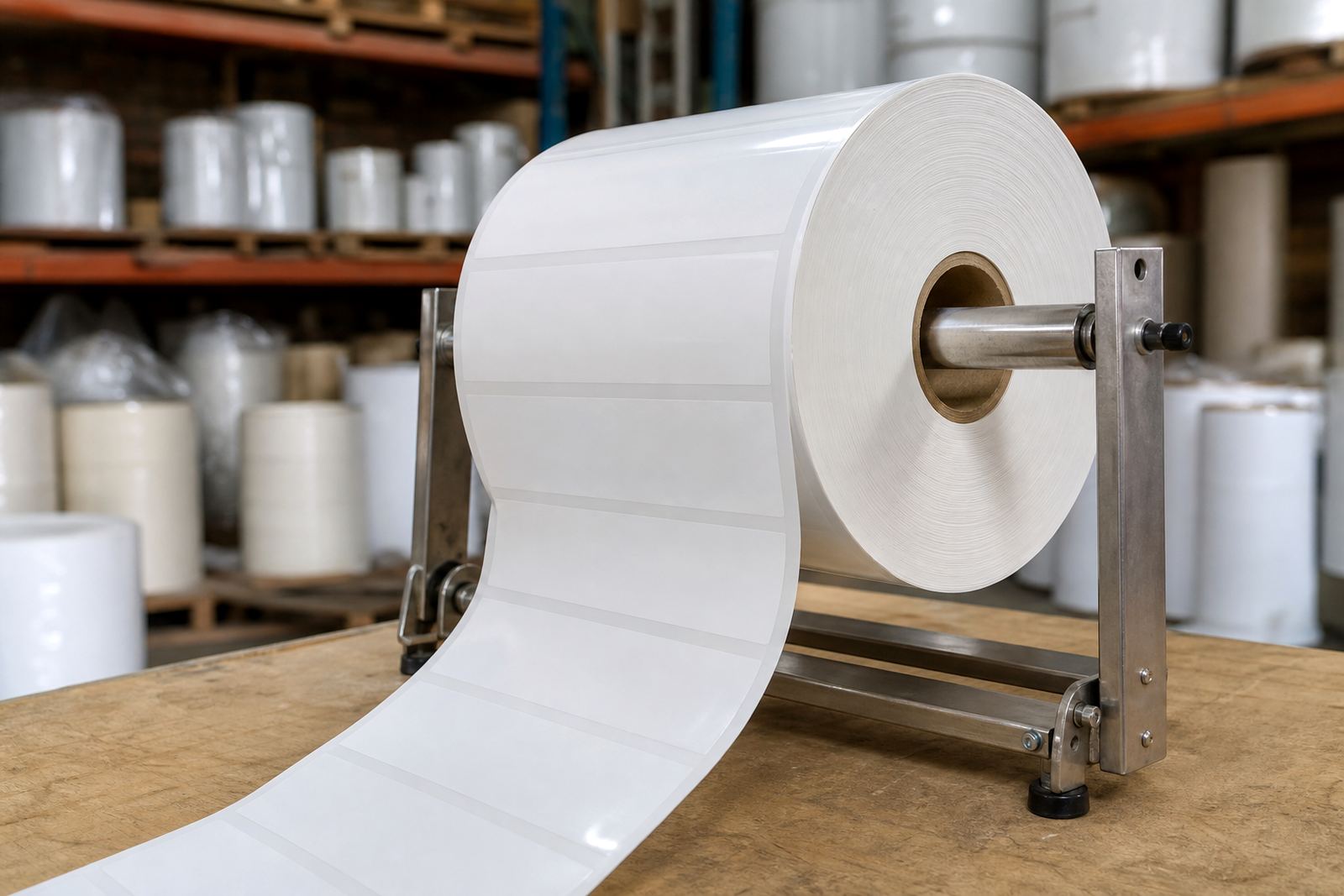
Carton seal labels can be supplied as individual labels on a roll or as continuous formatted roll stock, depending on the print method and the pack layout. Thermal rolls are common where fast printing is needed for dispatch bays, line side packing and warehouse re-labelling. Direct thermal rolls suit short-life use where the print is expected to move through the supply chain fairly quickly. Thermal transfer rolls are better where the label must remain readable for longer or where the carton may be rubbed during transit.
We plan core size, outer diameter and winding direction to match the printer path and label feed. Common core sizes include 25 mm and 76 mm, with roll width and unwind set to suit benchtop printers, industrial printers and print-and-apply units. If the wrong core or winding direction is supplied, the roll can jam, feed badly or trigger ribbon and sensor issues. That is why printer fit checks matter before a repeat order goes through.
- Direct thermal for short-life carton seals and dispatch labels
- Thermal transfer for more durable print in storage and transport
- Core sizes, roll length and unwind direction matched to printer model
- Compatible with common benchtop and industrial thermal printers
Sizes and carton layouts that work on the bench
Carton seal labels are usually sized to bridge the flap area without curling at the edges. Smaller formats suit light cartons and simple handling notes, while wider labels are often chosen for large cartons, product identifiers and layered printing with barcodes plus text. If the label is too narrow it may not span the join properly; if it is too wide it can fold over corners or lift on rough board.
We can help with standard and custom sizes, custom slitting and roll length planning for operations that use more than one box size. That is useful for sites in Pinetown, Hammarsdale and Pietermaritzburg where one line may pack several carton types in the same shift. For printed work, the artwork also needs enough quiet space for the scanner to read a barcode and enough room for a human to see handling wording at a glance.
- Typical widths used for carton sealing, identification and handling notes
- Custom widths and lengths for mixed carton ranges
- Space for barcodes, batch text, dates and route information
- Useful for hand packing, tape over-label use and dispatch bays
Where these labels suit South African packing and dispatch work
Carton seal labels are widely used in retail distribution, logistics, light manufacturing, food packing, e-commerce fulfilment and general goods dispatch. They suit cartons that leave the warehouse same day, cartons that are held for stock counting, and cartons that need a visible seal point for quality control.
For coastal sites, we often look at adhesion on slightly damp board and the risk of edge lift. For inland routes into Gauteng and the Free State, transport vibration and temperature swings can affect how the label settles on the carton. If the carton is handled repeatedly, a stronger adhesive and a tougher face stock are usually worth considering.
- Retail cartons, warehouse transfers and stock movement packs
- Courier and palletised goods that need visible seal confirmation
- Sites with humidity, dust, vibration or mixed carton grades
- Suitable for short run batches and repeat label schedules
What to confirm before we cut or print the roll
To get carton seal labels right first time, we need the carton size, label width and height, whether the label must bridge a seam or sit on one flap, the required print method, and the expected storage or transport conditions. We also need to know if the label must carry a barcode, serial number, handling wording or variable data. If the label is going onto recycled cartons or rough board, that changes the adhesive choice.
It helps to confirm printer model, core size, roll outer diameter, unwind direction and whether you need sample rolls before a larger run. If your team uses manual application, tell us how the label is placed and whether the pack is sealed before or after final inspection. That lets us plan the slit width, liner format and dispatch packing properly, with less waste and fewer stoppages.
- Carton dimensions and the exact area where the label must sit
- Direct thermal or thermal transfer requirement
- Printer model, core size, roll length and winding direction
- Adhesive strength, face stock type and any cold room or coastal exposure
Care, handling and repeat ordering without waste
Store label rolls in a dry place away from direct sun, dust and open warehouse doors. Direct thermal stock should be kept away from heat sources because the print layer can darken if the rolls sit near hot equipment or in a truck cab. Thermal transfer labels should be handled cleanly so the face stock stays free of dust, oil and board fibres that can affect print clarity.
For busy sites, repeat order planning matters because a carton seal label that changes width or unwind direction can slow the line and cause mix-ups at dispatch. We keep note of the work spec, slitting pattern and print setup so the next order matches what is already in use.
- Keep rolls sealed and dry until use
- Avoid hot storage areas and direct sun on thermal stock
- Track the size, adhesive and print method used on each line
- Repeat label supply works better when the same core and unwind setup is kept
Key facts
| Product type | Self-adhesive carton seal labels |
|---|---|
| Face stock | Direct thermal paper, thermal transfer paper, or synthetic stock |
| Adhesive options | Permanent, removable, freezer grade, high-tack |
| Liner | Glassine or similar release liner, selected to suit application |
| Core sizes | 25 mm and 76 mm common, other sizes on request |
| Printer fit | Benchtop and industrial thermal printers, with unwind matched to the machine |