A paper face that takes pen, stamp and overprint neatly
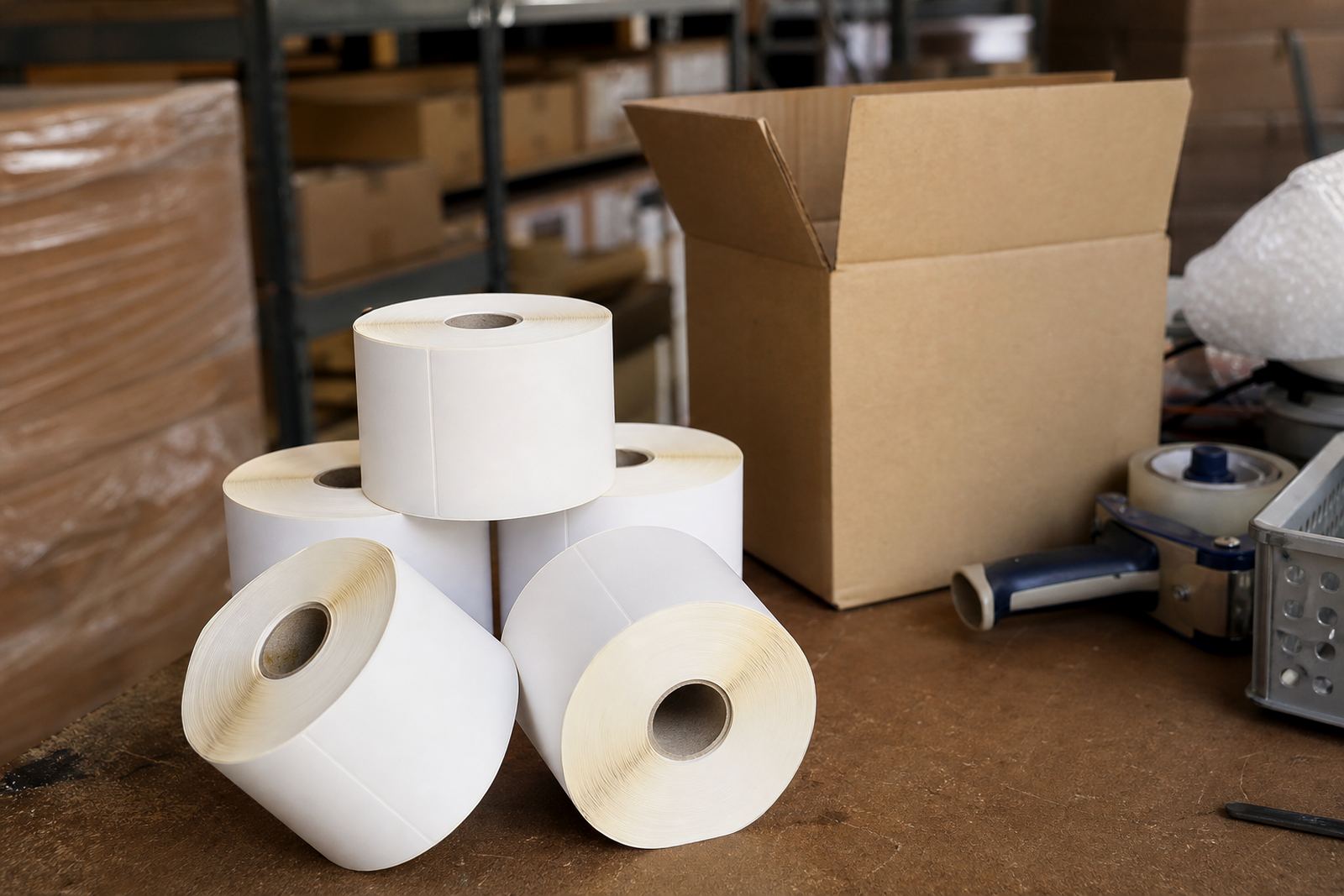
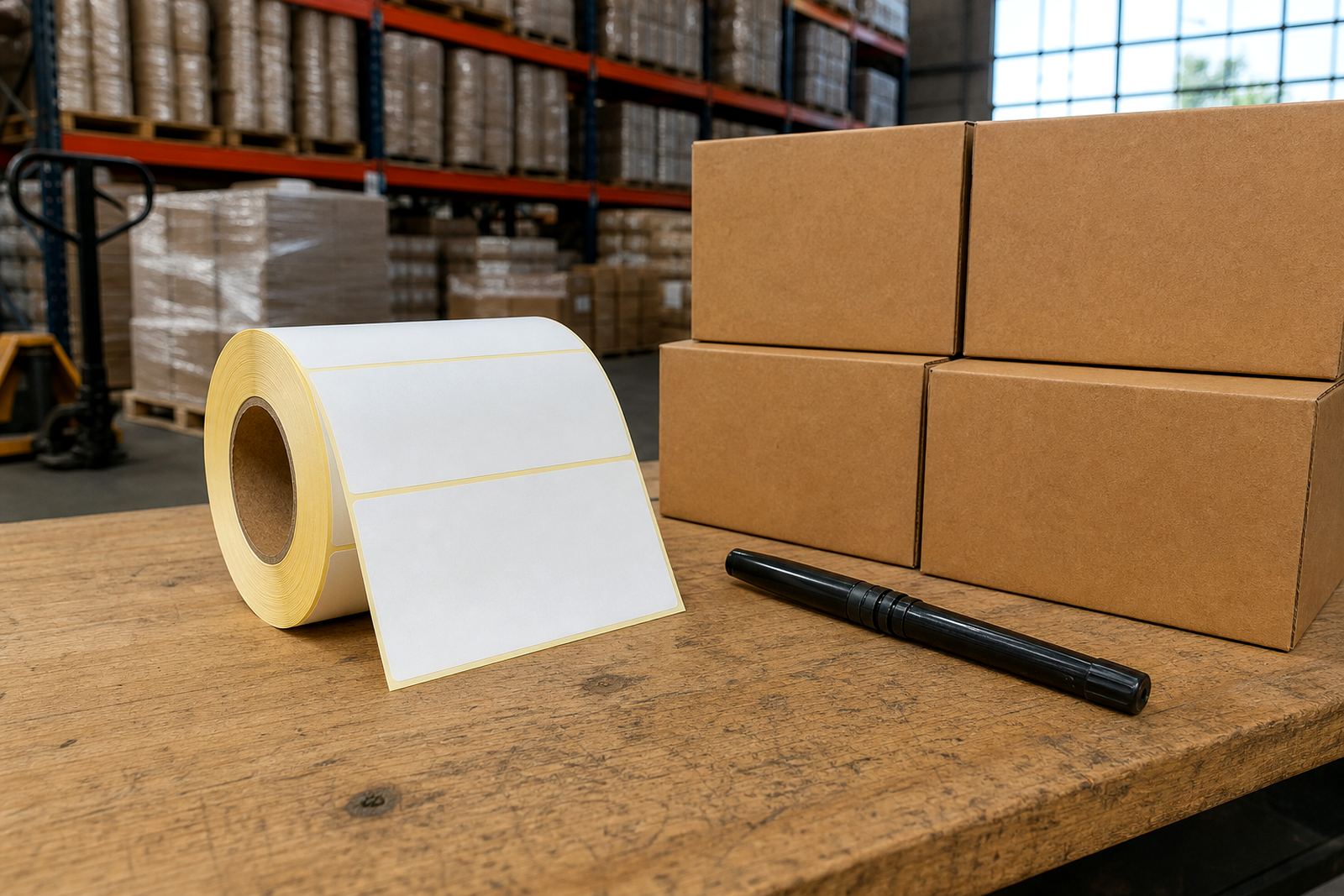
Matt paper label stock is a paper-based face material with a non-gloss surface, chosen where handwriting, batch marking, or quick overprinting must stay legible. The finish reduces shine, which helps when labels are read under bright retail lighting, in cold rooms, or on packed pallets moving through a dispatch area. It gives a cleaner written surface than gloss stocks and can suit plain product labels, shelf labels, carton identification, and short-run compliance marking.
For South African packhouses and distribution sites, matt paper is often selected where the label needs to look tidy without a reflective surface. It works well for general-purpose labelling on cartons, pouches, trays, and sleeves, and it can be supplied in roll form to suit benchtop, industrial, and narrow-web print set-ups. Depending on the adhesive chosen, the same face stock can be used for short-life or longer hold applications, so the label builds can be matched to the real handling conditions not just the artwork.
Face stock, adhesive and liner choices that change how the label behaves
The feel and performance of a matt paper label is shaped by the full construction, not only the top sheet. We supply matt paper face stock with different adhesive types and liner options so the roll suits the surface, handling, and dispensing method. A standard permanent adhesive is often used for clean dry cartons, retail packaging and general warehousing. A removable adhesive may suit temporary shelf marking or internal routing, while a stronger tack can be useful on slightly textured packaging or where labels are applied in a hurry. In humid areas like Durban or near the coast, adhesive selection matters because moisture and surface dust can affect hold.
Common construction details to confirm include:
- Face stock weight and finish, such as plain matt paper or a smoother coated matt paper
- Adhesive type, including permanent, removable or higher tack options
- Liner type, usually glassine or a kraft-style backing depending on dispensing needs
- Whether the label will face manual application, semi-auto dispensing or print and apply use
- Any requirement for freezer, chilled room, or moisture exposed handling
Roll formats, core sizes and printer fit for the line you already run
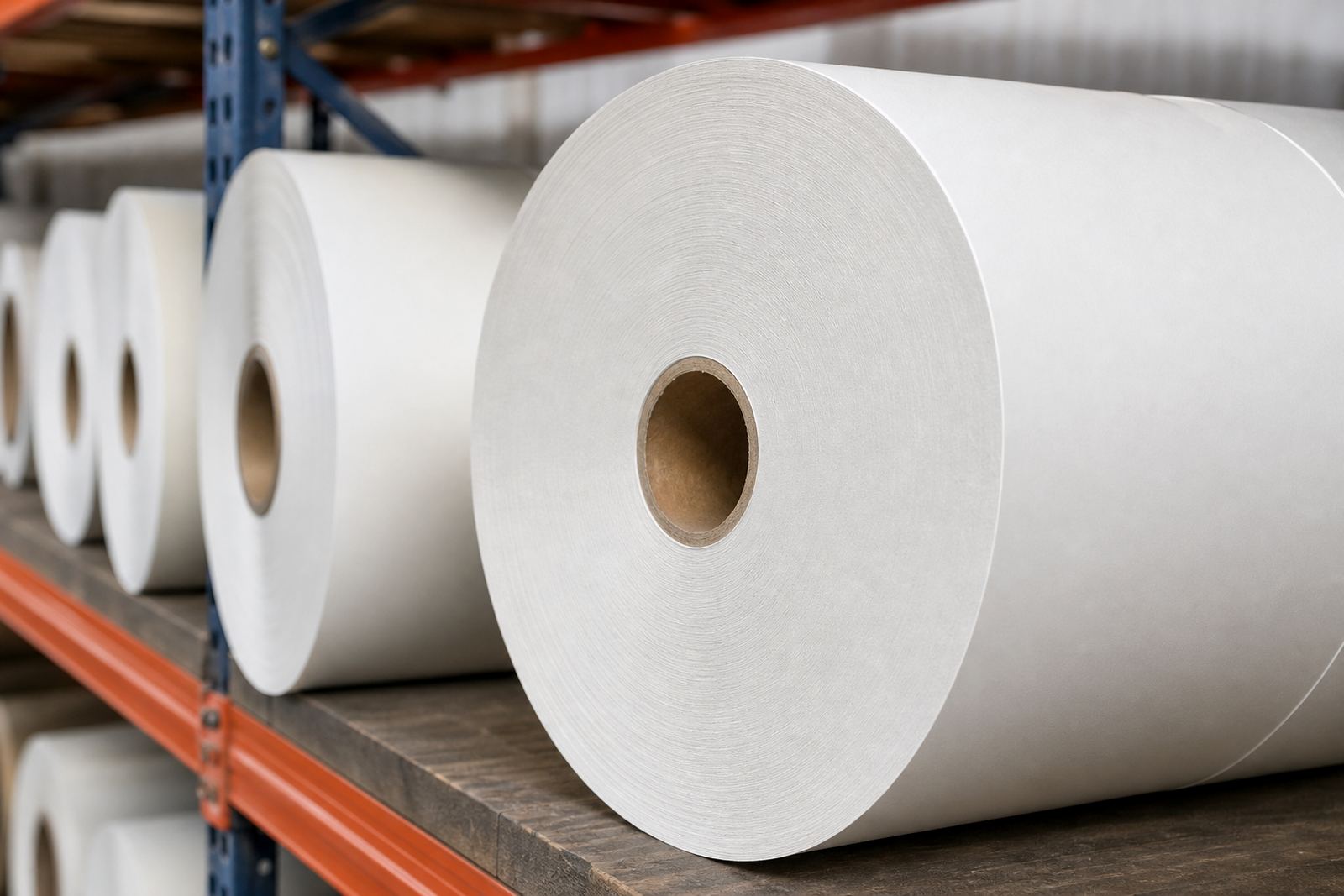
Matt paper rolls are supplied in sizes that suit the printer and the way the labels are applied on site. Core size is one of the first points to confirm because it must match the printer spindle and unwind setup. Common core sizes include 25 mm, 40 mm and 76 mm, with roll diameters planned around the printer capacity and the label length. Narrow benchtop printers often need smaller rolls for smooth feeding, while larger production printers and converting lines can take bigger outer diameters and wider web formats.
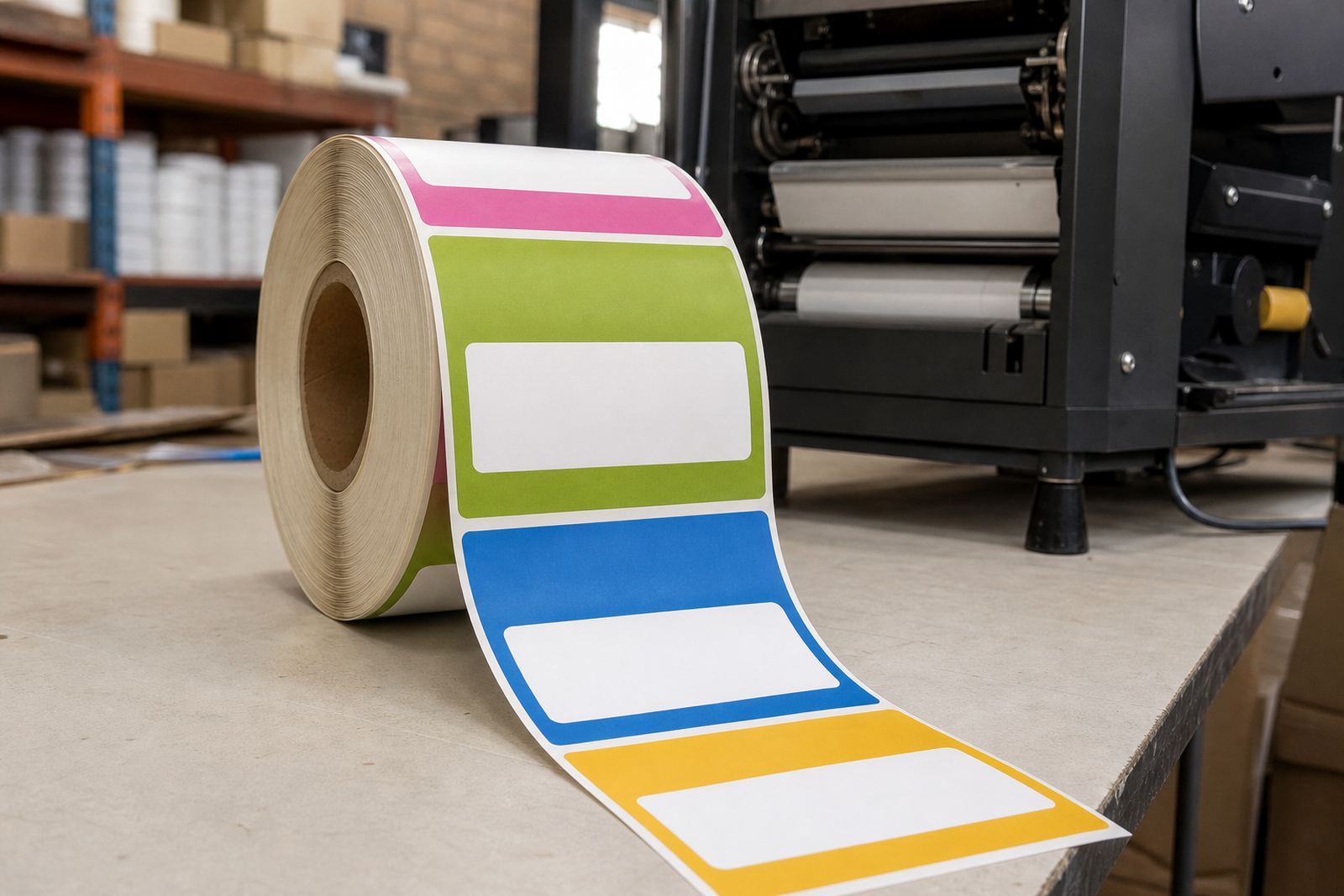
We help with printer fit checks, winding direction, roll length planning and core sizing so the label roll matches the machine and the way your team feeds stock. That matters for common thermal transfer printers used in logistics, and for systems that run pre-printed matt paper labels for retail or manufacturing. In many cases, the label width, gap, core and unwind direction are just as important as the face stock itself.
- Core size to suit the printer shaft or holder
- Roll width to suit the label panel and print head width
- Outer diameter based on the machine capacity and label count
- Gap, notch or black mark sensing if your printer reads registration
- Winding direction for correct feed through the printer or dispenser
Where matt paper earns its keep in day to day operations
This product suits labels that need a neat, practical appearance rather than a high-shine finish. It is widely used for retail shelf tickets, price marking, carton labels, internal batch identification, dispatch labels, and product information on dry goods. In packaging rooms and warehouses, matt paper is also handy where people write dates, quantities or route notes by hand. The writable surface gives a little more grip for pens and markers than many gloss materials, which helps on busy lines where a label may be completed quickly before the carton is sealed or moved.
It can also be used on products that are frequently handled, provided the adhesive and liner are chosen to suit the surface. For example, a logistics operation in Gauteng may need a label that stays readable through sorting, while a manufacturing site in Pietermaritzburg may need short-term internal labels that are easy to mark and scan. If the label must pass through a thermal transfer printer, the ribbon grade must also be matched to the stock so the print stays crisp and does not rub off during normal handling.
Fitting, print setting and handling points that save rework
Most matt paper labels are straightforward to apply, but a clean result still depends on the surface and the printer setup. The substrate should be dry, dust free and within a sensible temperature range before application. On corrugated cartons or rough sacks, a stronger adhesive and a slightly more aggressive face stock build may be needed. For freezer or chilled goods, the label and adhesive should be chosen with the application temperature and storage conditions in mind so the edge lift does not start after packing. A printer that is set too hot can also darken the print or shorten head life, so the heat setting needs to suit the face stock and ribbon combination.
Good handling habits help the rolls perform properly in daily use:
- Keep rolls in a cool dry area, away from direct sun and workshop dust
- Store cartons flat so the rolls do not pick up a twist
- Avoid bending the core or crushing the outer pack during dispatch
- Use the correct ribbon if the labels are printed by thermal transfer
- Test the label on the actual packaging surface before full production
The details we need before cutting your matt paper order
To quote and prepare the right matt paper label stock, we need the label size, the number of labels per roll, the core size, and the printer model or application method. It also helps to know whether you need direct thermal print, thermal transfer print, or plain pre-cut labels for manual writing. If the label will go onto a box, pouch, tub or pallet, tell us the surface type and whether the pack is dry, chilled, oily, or slightly textured. That information affects the adhesive and liner choice. For sites in Durban, Cape Town, Johannesburg, Pretoria and surrounding industrial areas, transport and storage conditions can also influence which roll build will work best.
When you order through the enquiry form on our contact page, include the roll width, length, unwind direction, and whether you need sample rolls first. If the job is for a repeat packing line, we can keep the roll build consistent for future runs and plan dispatch packing to suit your stock room. Small details such as winding direction or a 1 mm width change can make a difference on a busy line, so it is worth confirming them before production starts.
Key facts
| Face stock | Writable matt paper for low-glare labelling |
|---|---|
| Finish | Non-gloss, suitable for pen, stamp and overprint |
| Adhesive options | Permanent, removable and higher tack variants |
| Liner options | Glassine or kraft-style backing, depending on application |
| Core sizes | Commonly 25 mm, 40 mm and 76 mm, subject to printer fit |
| Print compatibility | Suitable for direct thermal or thermal transfer setups when specified correctly |