Why top coated paper earns its place on the line
Top coated paper is a paper face stock with a surface treatment that helps ribbon ink sit more evenly on the label. In practical terms, that means clearer print, better barcode definition and less feathering on fine text when the printer settings are matched properly. It suits short to medium life labelling where the label must look neat and stay readable through packing, warehousing and distribution.
The coating also improves how the face stock handles friction during printing and packing. If your labels move through sorting, carton sealing or hand application, the finish gives a cleaner appearance than plain uncoated paper, with a more professional look on boxes, sleeves and pouches.
- Face stock: top coated paper for thermal transfer printing
- Use case: packaging, retail tickets, internal tracking and dispatch labels
- Print finish: sharper barcodes and more consistent solid areas
- Typical application: cartons, bags, trays, shelf labels and product wrap labels
Roll formats, widths and core sizes we usually plan around
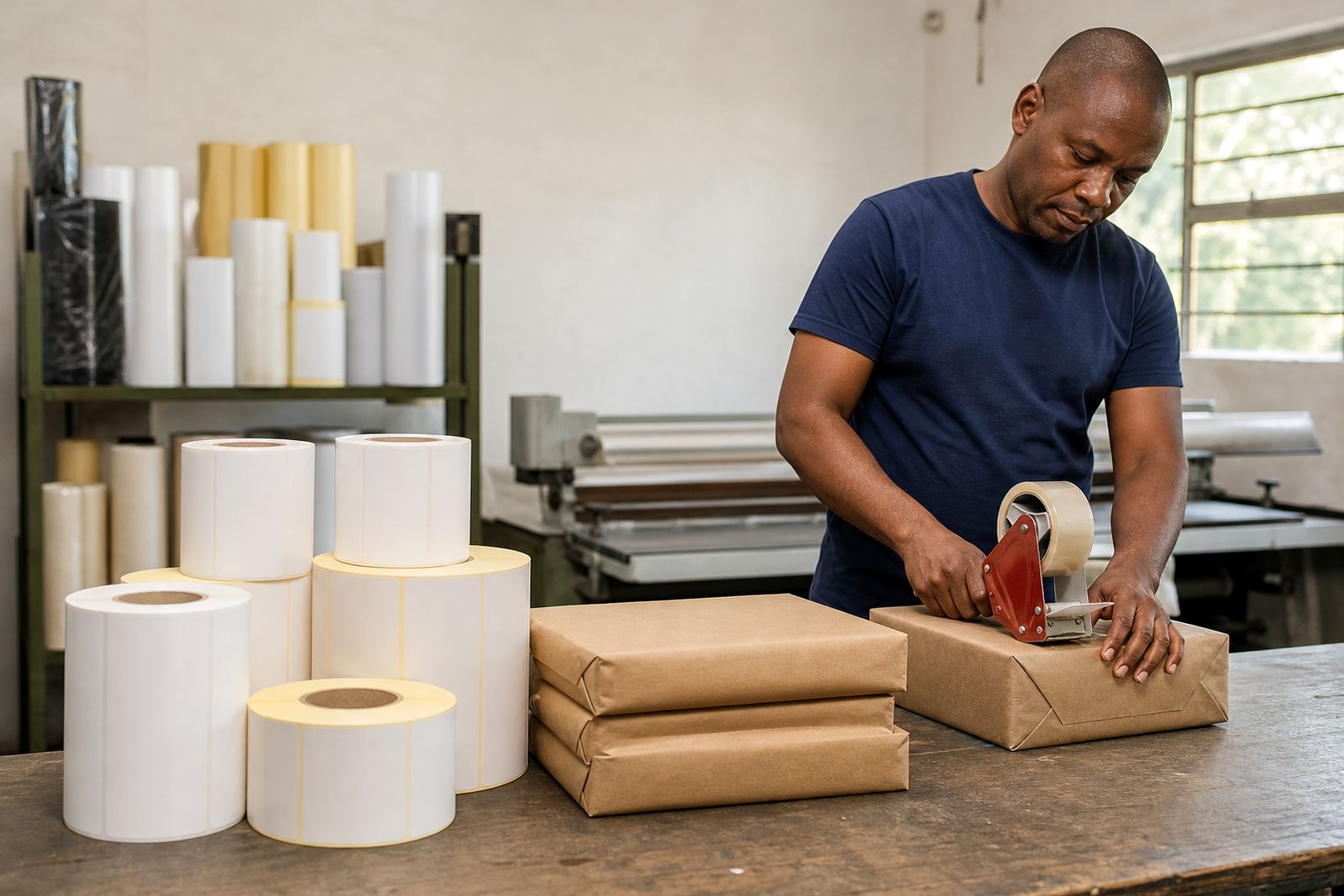
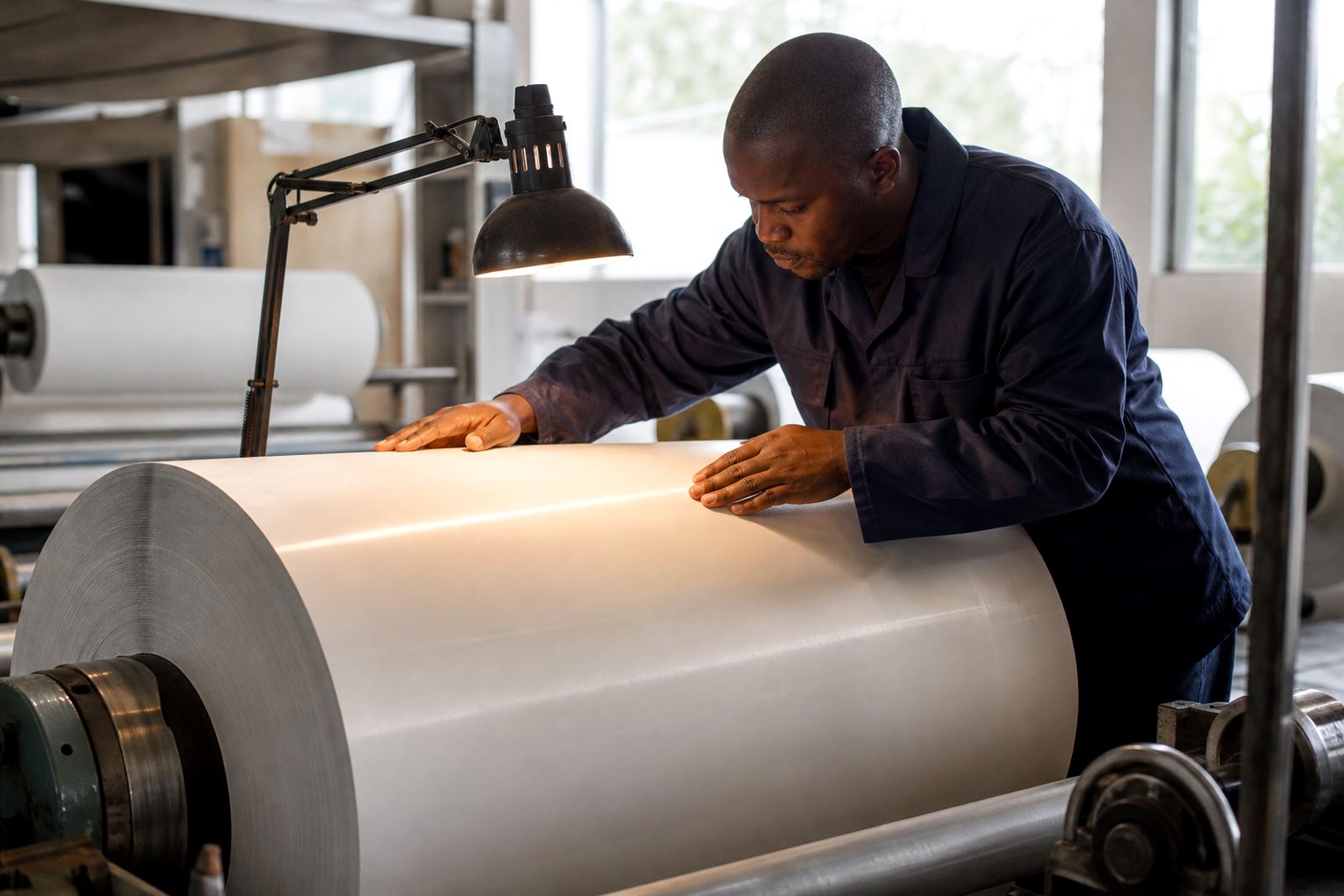
Top coated paper is supplied as rolls cut to the width and length that suit your printer and your application. We can slit to common label widths, rewind to the direction you need and plan the roll length around your printer capacity so the rolls run properly without waste. Core size matters because the printer must grip the roll correctly, and the wrong core can cause poor feeding or edge wandering.
For benchtop units, the common core is 25 mm or 40 mm depending on the machine. For heavier duty label printers, a 76 mm core is often used. Roll OD, unwind direction and the gap or black mark layout need to match the machine and the label stock, otherwise the sensor may miss the label gap and print will drift.
- Common widths: 25 mm up to wider formats for carton and pallet labels
- Core sizes: 25 mm, 40 mm and 76 mm depending on printer type
- Roll length: planned to suit print volume and changeover timing
- Finish options: top coated paper with matching liner and adhesive choice
Matching the paper to the printer on your floor
Top coated paper is used on thermal transfer printers with a ribbon, and the printer setup must be right for the result you want. We check fit against the printer model, core size, roll diameter, sensor type and ribbon width before rolling the job.
In plant and warehouse environments, the practical details matter more than the sales pitch. A label that fits the printer, feeds straight and stays flat on the carton is worth more than a glossy promise. If your line runs in a hot area in Durban or in coastal humidity, we also look at how the adhesive and liner behave in the real storage conditions.
- Check printer type: benchtop or industrial thermal transfer
- Confirm ribbon width: it must cover the print area correctly
- Confirm sensor style: gap, notch or black mark as required
- Check unwind direction: left hand or right hand feed as needed
Where top coated paper works best in South African operations
This stock suits businesses that need clean print on packaging and handling labels without moving to a synthetic face stock. It is often chosen for retail price labels, stock control, carton marking, picking labels, dispatch notes, tray identification and product information labels that move through the supply chain fairly quickly. It is also useful where the label must be easy to read under mixed warehouse lighting and during scanning.
For stores, factories and contract packers in Westmead, Pinetown and the wider KZN corridor, the stock gives a tidy result on paper, plastic film and coated cartons when the adhesive is matched properly. It can be a good fit for Gauteng distribution centres as well, especially when the labels are applied in batches and stored indoors before use.
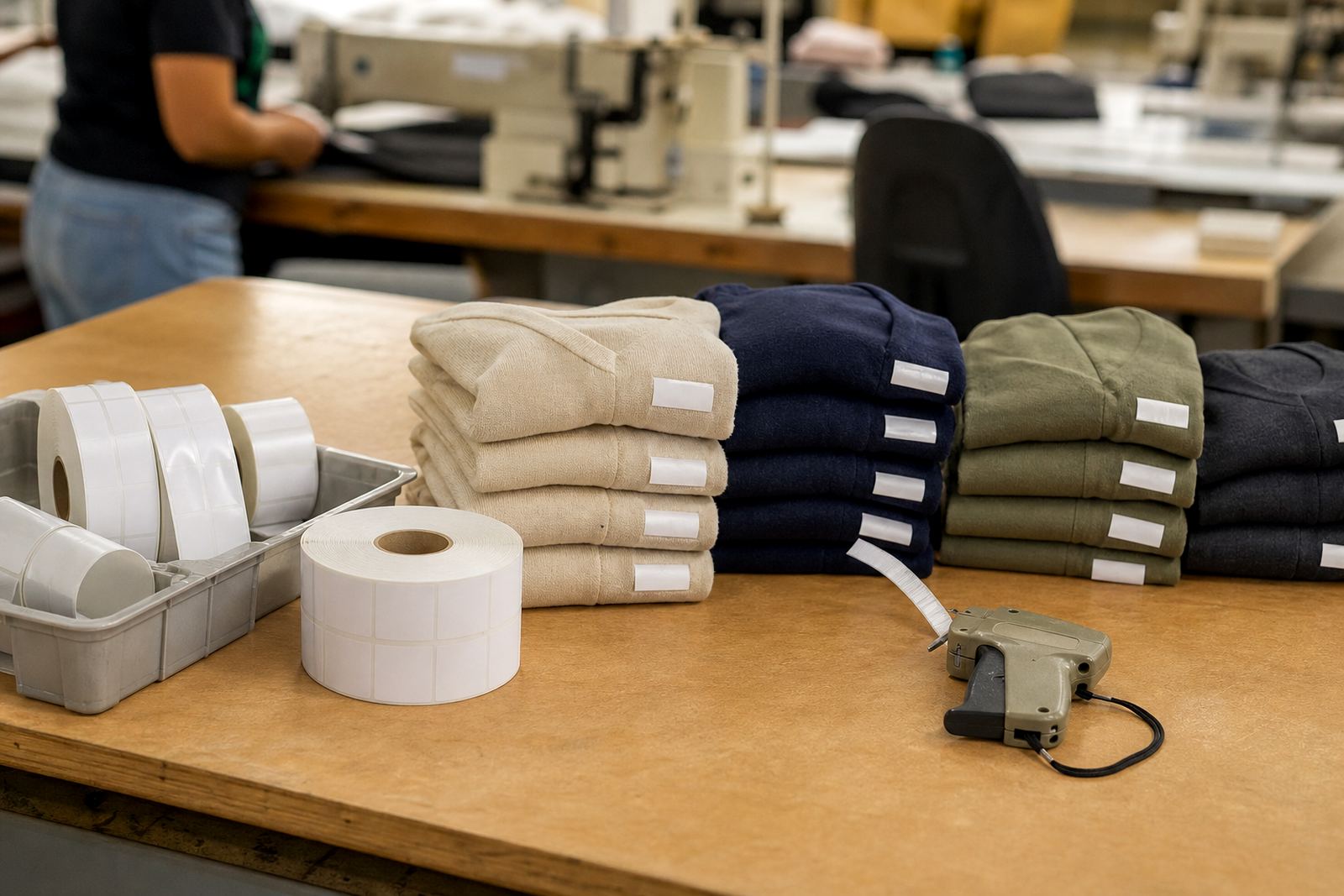
- Retail: shelf, price and stock movement labels
- Logistics: dispatch, routing and carton ID labels
- Manufacturing: batch, component and work-in-process labels
- Packaging: product sleeves, pouches and outer carton marking
Adhesive, liner and surface choices that change the job
The face stock is only one part of the label. The adhesive and liner affect how the label applies, how it holds on the surface and how neatly it dispenses. For top coated paper we can match permanent, removable or freezer-style adhesives, depending on whether the label must stay put, lift cleanly or cope with colder storage. The liner can be glassine or other release liners, chosen for feeding, die-cut performance and the way the label peels off the backing.
On rough cartons, recycled board, slightly dusty surfaces or chilled packs, adhesive choice matters a lot. A label that looks fine on the sample but lifts on the line costs time and product. We can plan adhesive matching and sample rolls for testing before a full run, especially where coastal moisture or cold rooms are part of the daily routine. That little step saves a lot of hassle later.
- Adhesive options: permanent, removable and specialist cold room types
- Liner choice: selected for release quality and smooth dispensing
- Surface compatibility: cartons, wraps, pouches and selected plastics
- Sample rolls: useful for line testing before full production
What to confirm before you place the roll order
To get top coated paper right first time, it helps to confirm the exact label size, core size, printer model and expected print method. We also need the unwind direction, roll length, label shape, any black mark or gap sensing requirement and whether the label will face heat, chill or rough handling. If the barcode must scan at distance, that changes the print and material choice too.
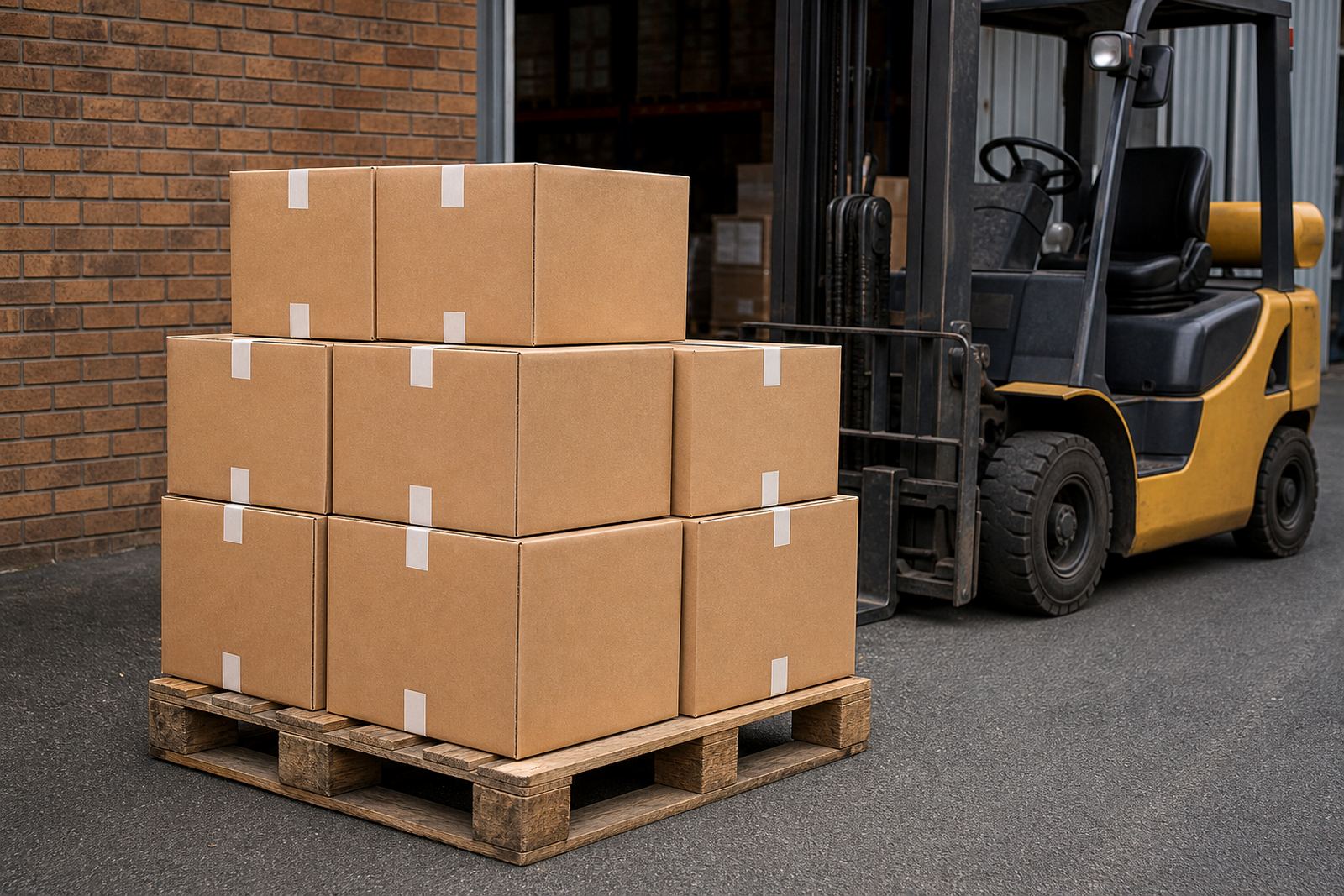
For customers in Durban, Johannesburg, Cape Town, Pretoria and Pietermaritzburg, we can arrange dispatch packing to suit the route and the storage conditions. If you are unsure, send the measurements and the printer details through the enquiry form on our contact page and we will work through the fit checks with you. It is better to sort that out before the rolls are packed than after the line is standing still.
- Label width and height in millimetres
- Printer make, model and core size required
- Thermal transfer ribbon width and colour
- Adhesive type, liner type and unwind direction
- Use conditions: indoor, chilled, humid or handled frequently
Key facts
| face stock | Top coated paper for cleaner thermal transfer print |
|---|---|
| print method | Thermal transfer with ribbon |
| core sizes | 25 mm, 40 mm or 76 mm depending on printer |
| formats | Die-cut labels, slitted rolls and custom rewind options |
| adhesives | Permanent, removable and specialist options on request |
| applications | Packaging, retail, logistics and manufacturing labels |