Rolls that keep pace with weighing and price marking
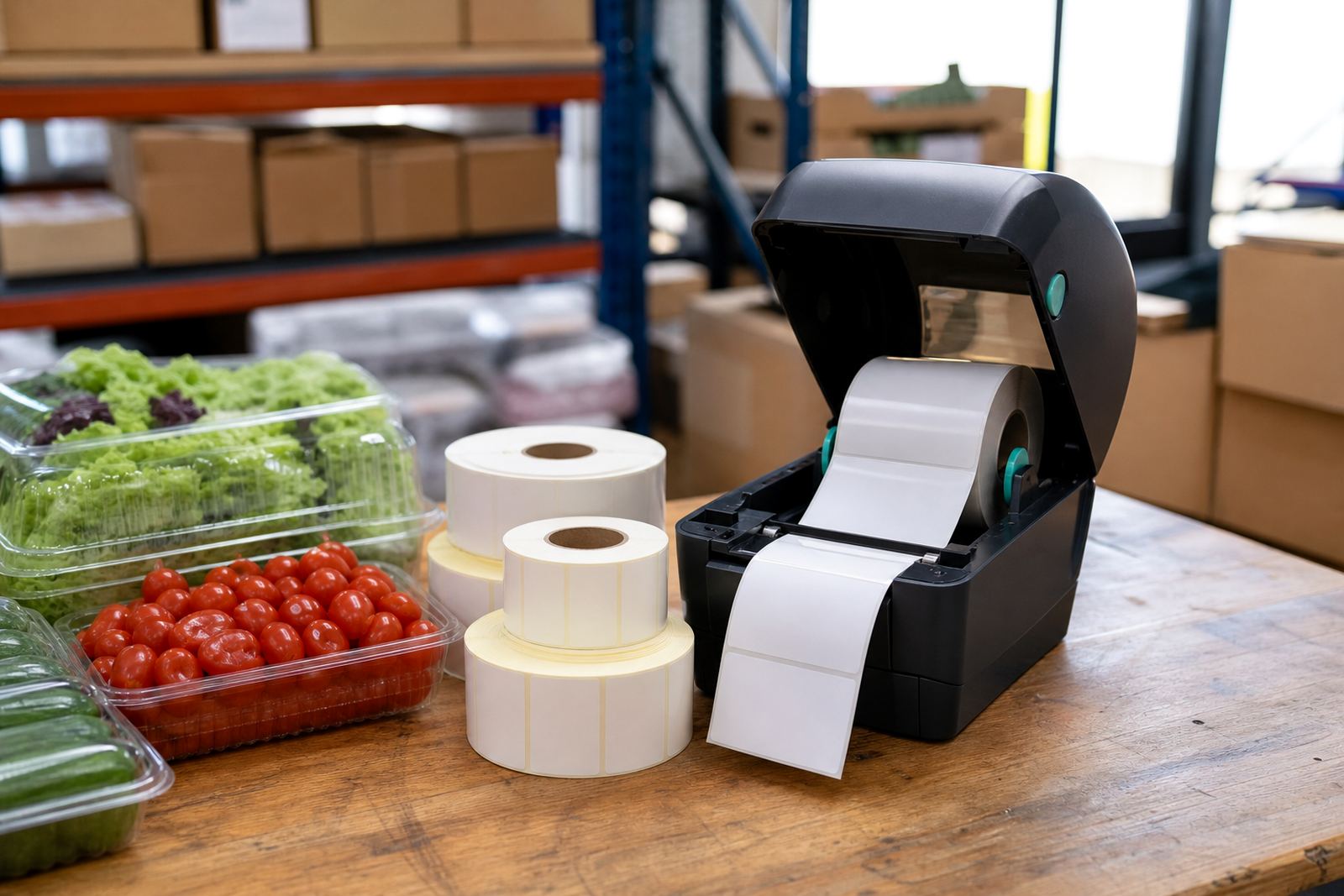
Scale label rolls are made for printers built into weighing systems, where each label carries product details, weight, price per kilogram and a final sell price. In busy fresh food counters, packing rooms and back-of-house prep areas, the roll has to feed cleanly, print sharply and release without jamming. That is why the face stock, adhesive and liner all matter, not just the finished label size.
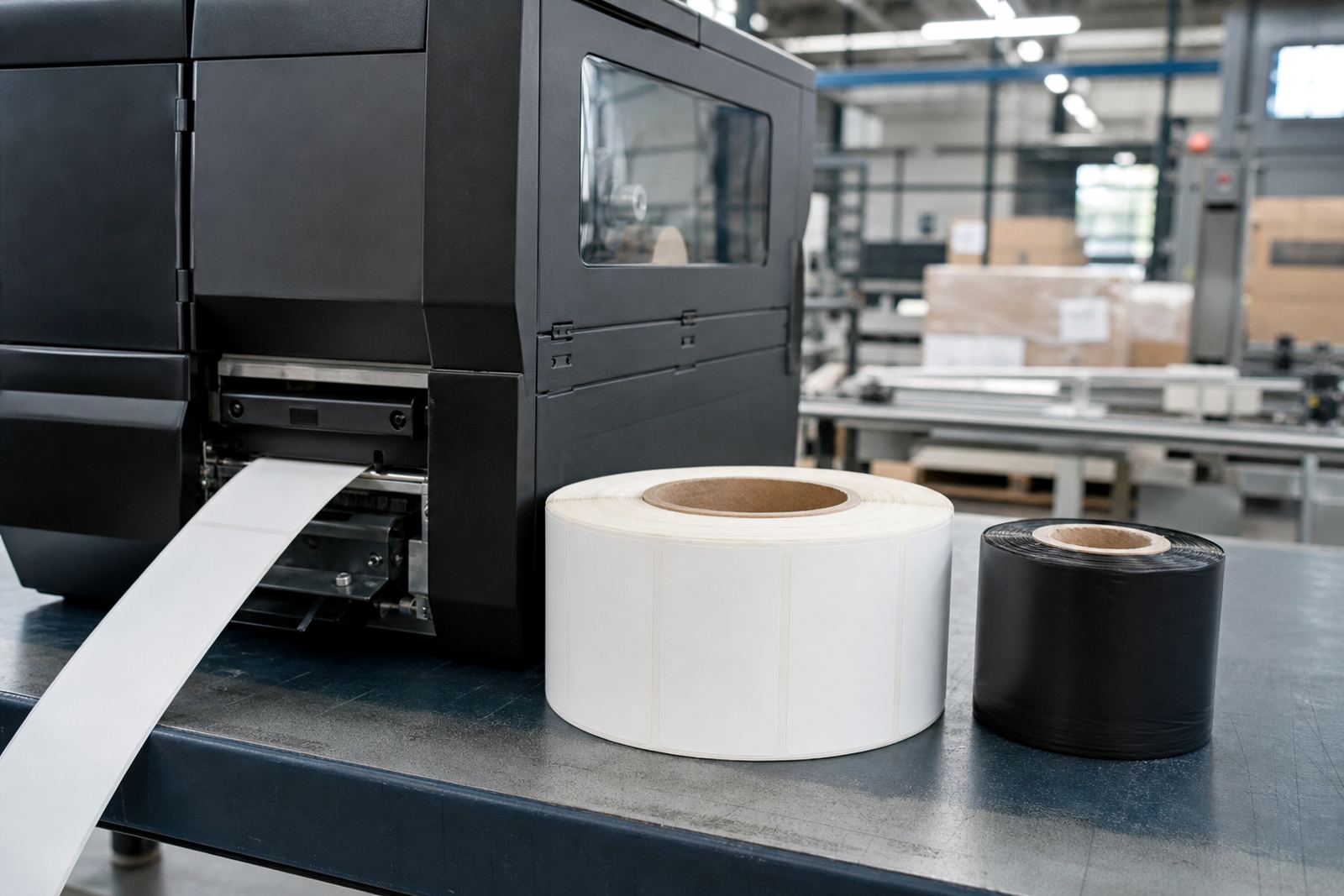
We supply scale label rolls in thermal formats suited to short-run, variable data printing. Direct thermal rolls suit fast turnover applications where the label is printed and used within a practical time frame, while thermal transfer stock is selected when longer life, better resistance to rubbing or exposure is needed. The right choice depends on your printer type, the product surface and how the labelled pack is handled before sale.
In Westmead and across Pinetown, many customers use these rolls for trays, punnets, wrapped meat, deli packs and prepacked grocery items. The same product family also suits warehouse pricing labels, dispatch codes and short-term internal identification where neat, accurate print is important.
Thermal face stock, adhesive and liner choices that matter
The front face of the label can be paper, a coated paper, or a synthetic face stock depending on how the pack is handled. For chilled cabinets and standard retail handling, coated paper gives a clean print surface and good legibility. For more demanding handling, a synthetic face stock can hold up better against moisture and scuffing. In coastal towns like Durban and Richards Bay humidity can affect how labels behave, so the stock needs to be chosen with that in mind.
Adhesive choice is just as important. A permanent adhesive is commonly used where the label must stay in place for the life of the pack. A removable or freezer grade adhesive may be selected where cold storage, condensation or later removal is part of the process. Some materials grab quickly and others need a bit more wet out time, so adhesive matching should be done against the actual pack surface, not only the label size.
The liner is usually a silicone coated backing that lets the label release neatly through the printer. Liner thickness affects feed consistency, waste and roll diameter. If the liner is too heavy for the printer path, the roll can track badly or waste the available space in the hopper. That is why core size and overall roll build should be checked together, not separately.
- Paper face stock for short term retail and weigh scale use
- Coated face stock for clearer print and better handling
- Synthetic face stock for moisture, scuffing and longer wear
- Permanent, removable or freezer grade adhesive options
- Silicone coated liners for clean release through the printer
Sizes, core sizes and roll builds matched to your machine
Scale label rolls are supplied in a range of widths, diameters and core sizes, depending on the printer or scale unit in use. Common widths are often set by the label layout required on the scale, such as product name, tare, weight and pricing fields. Roll diameter must suit the hopper space and the feed path, while the core must fit the spindle and support the roll properly during printing.
We can help with core sizing, roll length planning and winding direction so the roll feeds the right way into the printer. In many cases the machine needs a specific outer diameter, a certain core width and either face-in or face-out winding. If any one of those details is off, the label can track badly or the printer may stop mid roll, especially on busy shifts where loading must be quick.
For lower volume work, shorter rolls can be practical because they are easier to handle and replace. For higher output lines, longer rolls reduce changeovers and help with production flow. The right choice depends on your label size, print coverage and the speed of the line, not only the number of labels on the roll.
- Widths matched to scale label layouts and printer guides
- Core sizes commonly checked at 25 mm, 40 mm or 76 mm, depending on machine fit
- Outer diameter planned to suit the printer hopper and unwind path
- Face-in or face-out winding direction selected for the equipment
- Roll length set for either short run or higher output use
Where scale label rolls do their best work
These rolls are widely used in fresh produce, butchery, deli counters, bakeries, warehouse pricing stations and light manufacturing lines. They suit places where products are weighed one by one and labels need to print quickly without slowing the process. In Johannesburg, Pretoria, Cape Town and Pietermaritzburg we often see them used where there are multiple pack sizes on the same line and the label format must change throughout the day.
Scale label rolls also work well where municipal trading rules or store labelling policies require clear product identification and readable weight information. In food rooms, the label must stay legible on chilled packs and not lift at the corners when condensation forms. In logistics, the same style of roll can be used for price codes, internal pack identification and short term stock movement, provided the face stock and adhesive are matched correctly.
For outdoor loading areas, please factor in heat, dust and handling. A label that performs well in an air conditioned prep room may behave differently near a back door or dispatch bay. That is why sample rolls are useful before a full run is placed.
Fitting checks before a roll goes onto the line
Before ordering, confirm the printer model or scale unit, the core size, the maximum outer diameter and the label width required by the format. It also helps to know whether the printer uses direct thermal or thermal transfer printing, because that decides the roll type and ribbon requirement, if any. Some systems also need a specific unwind direction or a smaller roll build to clear the cover and guides.
When fitting is off by only a few millimetres the roll may still load, but it can drift, scrape or cause uneven tension during the run.A printer fit check now is usually cheaper than sorting out feed problems later.
We can assist with sample rolls, printer fit checks and usage review for businesses that want a better match between the scale and the label stock. If you use more than one machine, each one should be checked separately, as two printers from the same line can still need different core or roll dimensions.
- Printer or scale model and label layout size
- Core diameter and roll width needed for the spindle
- Maximum outer diameter and roll length allowed
- Direct thermal or thermal transfer print method
- Winding direction and preferred unwind orientation
Storage and handling so the roll prints cleanly
Label rolls should be kept dry, flat and away from direct sun, dust and high heat. In humid coastal areas, unwrapped stock can absorb moisture and the liners may curl slightly, which affects feed consistency. In hot inland storage rooms, face stock can also shift if rolls are left near windows or against warm machinery.
Handle rolls by the core rather than pressing on the edges. Keep cartons sealed until use, and avoid stacking heavy loads on top of finished rolls. If the adhesive is freezer grade or designed for chilled packs, let the stock acclimatise to the packing area before use so the labels lay down properly. Small details like this save time on the line, and they reduce wasted labels too.
If your operation runs across more than one site, such as Westmead, Hammarsdale, Durban or Johannesburg, it helps to keep the same storage routine at each branch. Consistent handling makes future supply easier to plan and gives more predictable print results from batch to batch.
Key facts
| Product type | Scale label rolls for weighing and pricing systems |
|---|---|
| Print methods | Direct thermal and thermal transfer options |
| Face stock | Paper, coated paper or synthetic |
| Adhesives | Permanent, removable or freezer grade |
| Core sizes | Matched to printer spindle requirements |
| Supply area | Westmead, Pinetown and nationwide dispatch |