
A counter job that had to move quickly
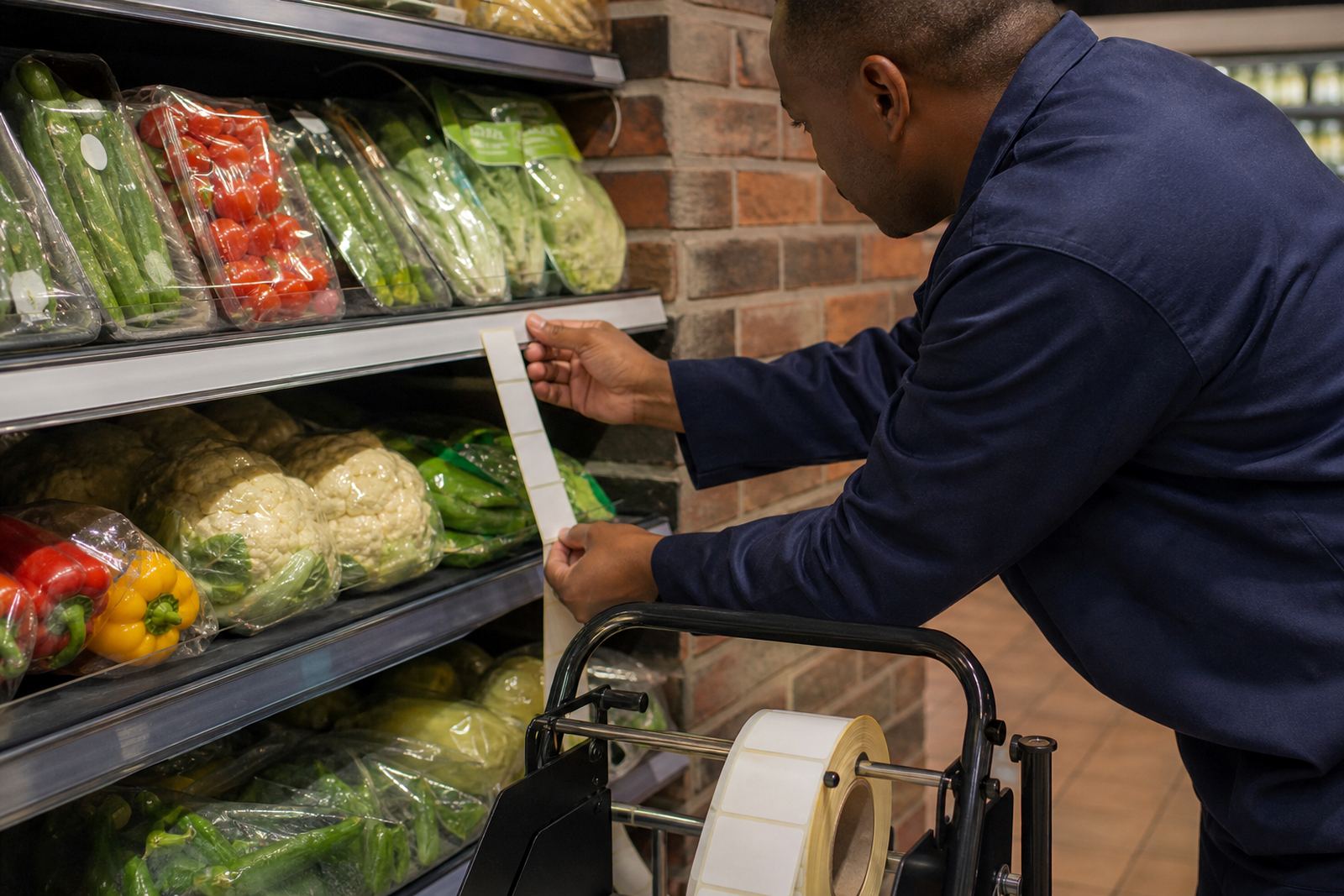
The client was a fresh produce operation in Cape Town that weighed fruit, vegetables and deli items through the day and needed scale rolls that would not snag during peak trading. Their counters sat close to cold room traffic and open doorway airflow, so the roll had to keep its shape, feed evenly and print legibly without leaving powdery residue on the print head.
We started with the printer model, roll width and the size of the label the scale was cutting, then matched the roll to the way the operator tears and applies it. The printed ticket needed enough face area for product name, mass, date and price, with a clean edge so the label stayed readable after handling in the packing area.
- Project type: compact thermal scale rolls for fresh product weighing
- Town: Cape Town
- Use case: retail weighing, packed produce, quick point of sale tickets
- Environment: cool rooms, changing humidity and fast counter use
The brief was about fit, feed and legibility
The main brief was to supply thermal rolls that matched the scale printer and the operator's pace. The client needed a roll that would drop into the holder without trimming, unwind cleanly and keep the print head from getting dirty too quickly. That mattered because missed prints at the weighing station slow the line and cause reprints.
We also had to account for how the rolls would be stored. Cape Town coastal air can soften weak paper edges, and if the wound roll is too loose it can telescope or drift on the core. We planned the winding tension, core size and outer diameter so the rolls could sit neatly on the shelf and still feed straight after a busy shift.
- Targeted printer fit on standard scale units with 25 mm core and selected outer diameter
- Direct thermal face stock for short-life tickets and weight labels
- Neat unwind direction to suit the operator's hand movement
- Short lead time planning for repeat use across the week
What went into the roll build
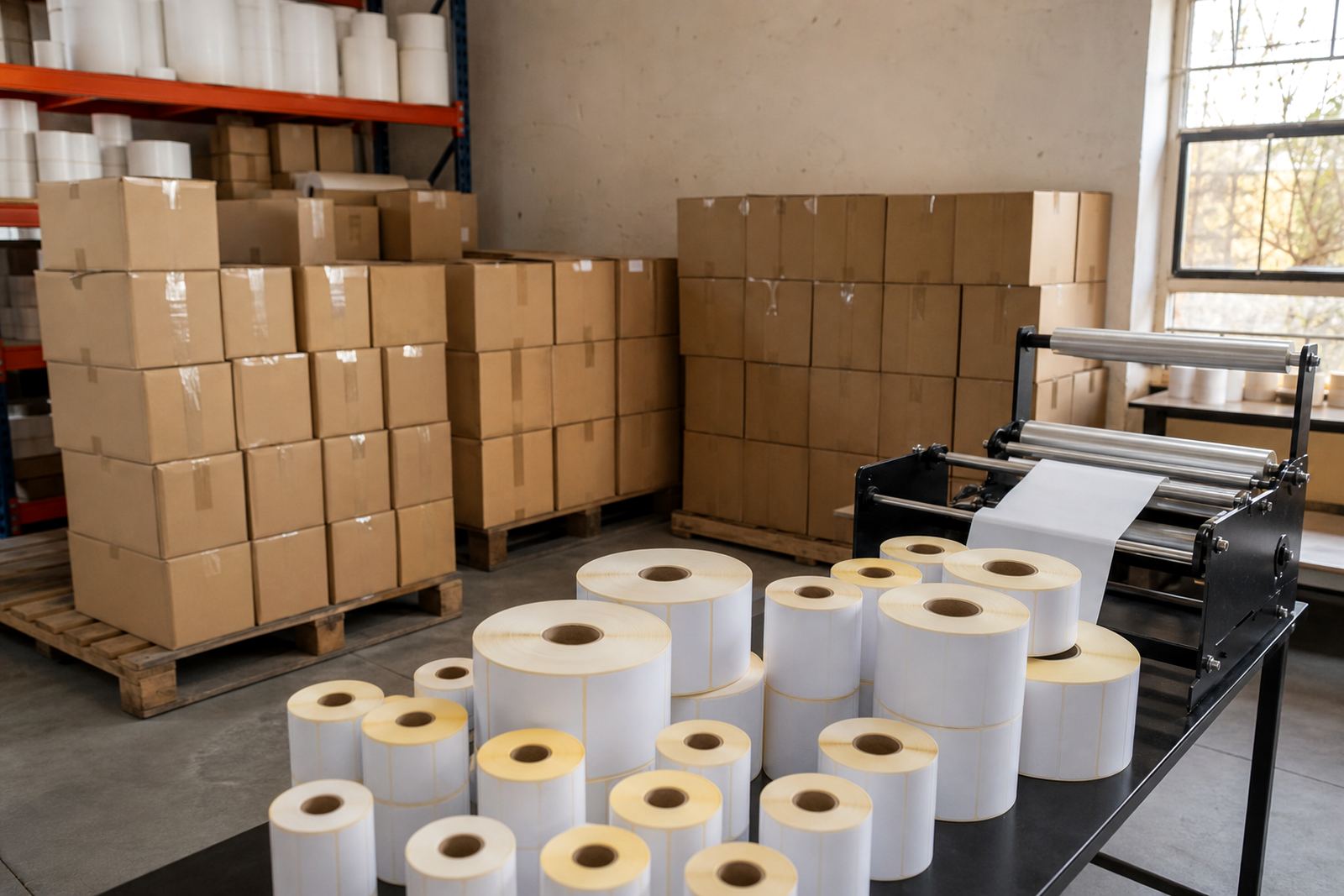
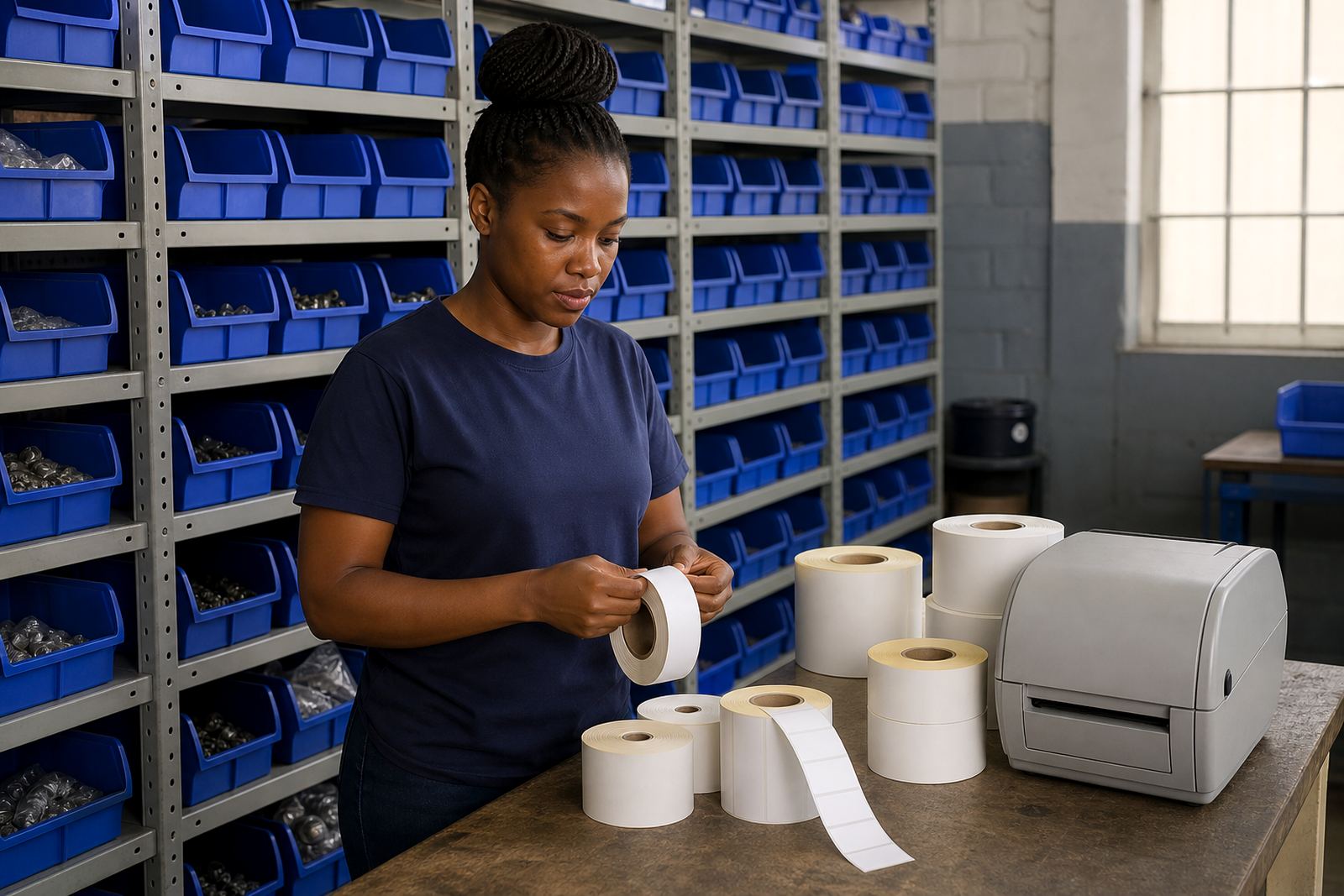
For this job we supplied direct thermal scale rolls, because the tickets were used soon after printing and did not need a ribbon. The face stock was chosen for clear black imaging, with a smooth topcoat feel that helped the print stay sharp on short runs. We matched the liner and core arrangement to the scale holder so the roll sat square and did not wobble during use.
On the technical side, we checked the roll width against the printer path, made sure the wind direction matched the dispensing side, and set the core size to suit the unit in the shop. The result was a roll that loaded quickly and stayed consistent from first ticket to the last. Where the client needed packing labels for chilled products, we kept the adhesive side consistent so the label would grip carton board and plastic trays without lifting at the corners.
- Direct thermal rolls for fast print, no ribbon required
- Core sizing matched to the printer spindle
- Wind direction set for smooth dispense
- Face stock selected for clear text and barcode readability
- Adhesive chosen for short-term hold on retail packaging
Three weeks from first sample to dispatch packing
The project ran over three weeks. In week one we confirmed the scale model, measured the ticket size and reviewed the print area. In week two we produced sample rolls and checked feed, tear lines and print darkness on the client's equipment. In week three we completed the main run, packed the rolls for dispatch and grouped them for easy counting on arrival.
We also kept the packing practical for a Cape Town site with limited backroom space. Rolls were bundled in counts that suited stock rotation, and the cartons were marked clearly so staff could identify the right size without opening every box. That saved time at receiving and reduced the chance of rolls being mixed across different weighing points.
- Week 1: printer checks, measurements and application review
- Week 2: sample rolls and fit testing
- Week 3: production, packing and dispatch
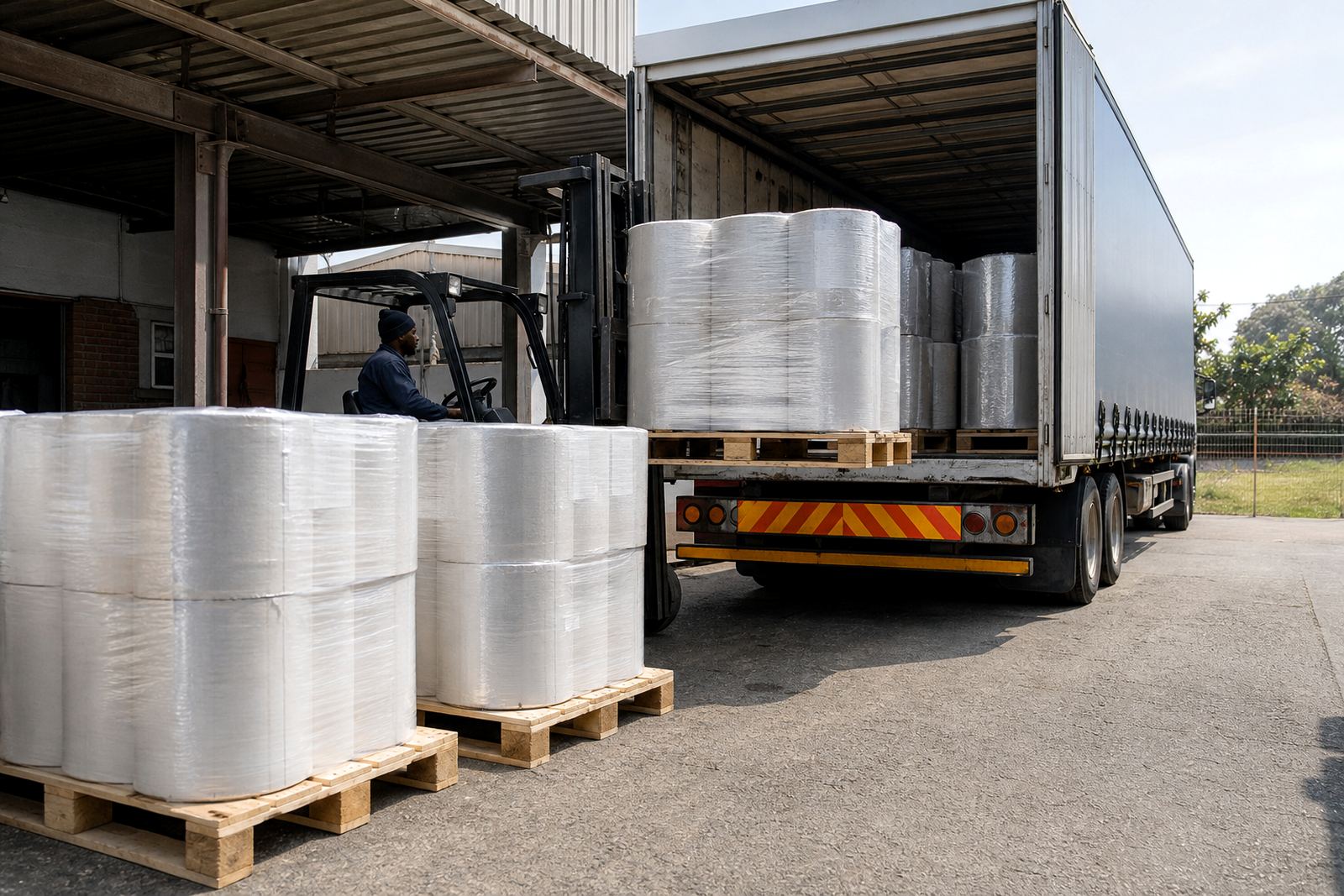
- Dispatch arranged for secure stacking and easier store handling
What changed on the weighing point after fit was sorted
Once the correct rolls were in place, the weighing station ran with fewer pauses for reloading and fewer prints that came out too pale. Staff could move from weigh to pack without fiddling with the roll holder, and the labels stayed consistent enough for quick scanning and product identification. That made the counter flow steadier during busy trade periods.
For the client, the practical gain was better control over stock movement and less waste from misprints. The print head also stayed cleaner for longer because the roll surface was suited to the job, which matters on thermal equipment that sees constant use. In a busy produce section, that sort of stability is worth more than any fancy feature.
- Smoother loading on the scale printer
- Clearer tickets for mass, price and product code
- Less reprinting and less paper waste
- Cleaner print head operation over repeated use
What we would do for a similar Cape Town site
For any similar Cape Town fresh produce site, we would repeat the same process: check the printer first, confirm the ticket size against the weighing format, then set the core, wind and roll length to match how the staff actually work. If the labels are used near chilled rooms or sea air, we would keep the material selection practical and avoid overcomplicating the spec.
We would also keep sample rolls in the process from the start, because a scale roll can look right on paper but still feed badly if the core is tight or the printer path is slightly off. That extra check saves time later and keeps the counter moving. For this type of work, the best result is not flashy, just steady and easy to use, which is what the client needed.
- Confirm scale model before converting the rolls
- Test feed on the actual counter unit, not only off-site
- Plan for coastal humidity and cool room storage
- Keep repeat order details on file for the same format
Key facts
| Project type | Cape Town scale rolls for fresh product weighing |
|---|---|
| Roll type | Direct thermal thermal scale rolls |
| Core size | 25 mm core, matched to printer fit |
| Format | Compact roll length for fast point of sale use |
| Application | Fresh fruit, vegetables, deli and packed produce |
| Timeline | 3 weeks from sample check to dispatch |