The warehouse brief in plain terms
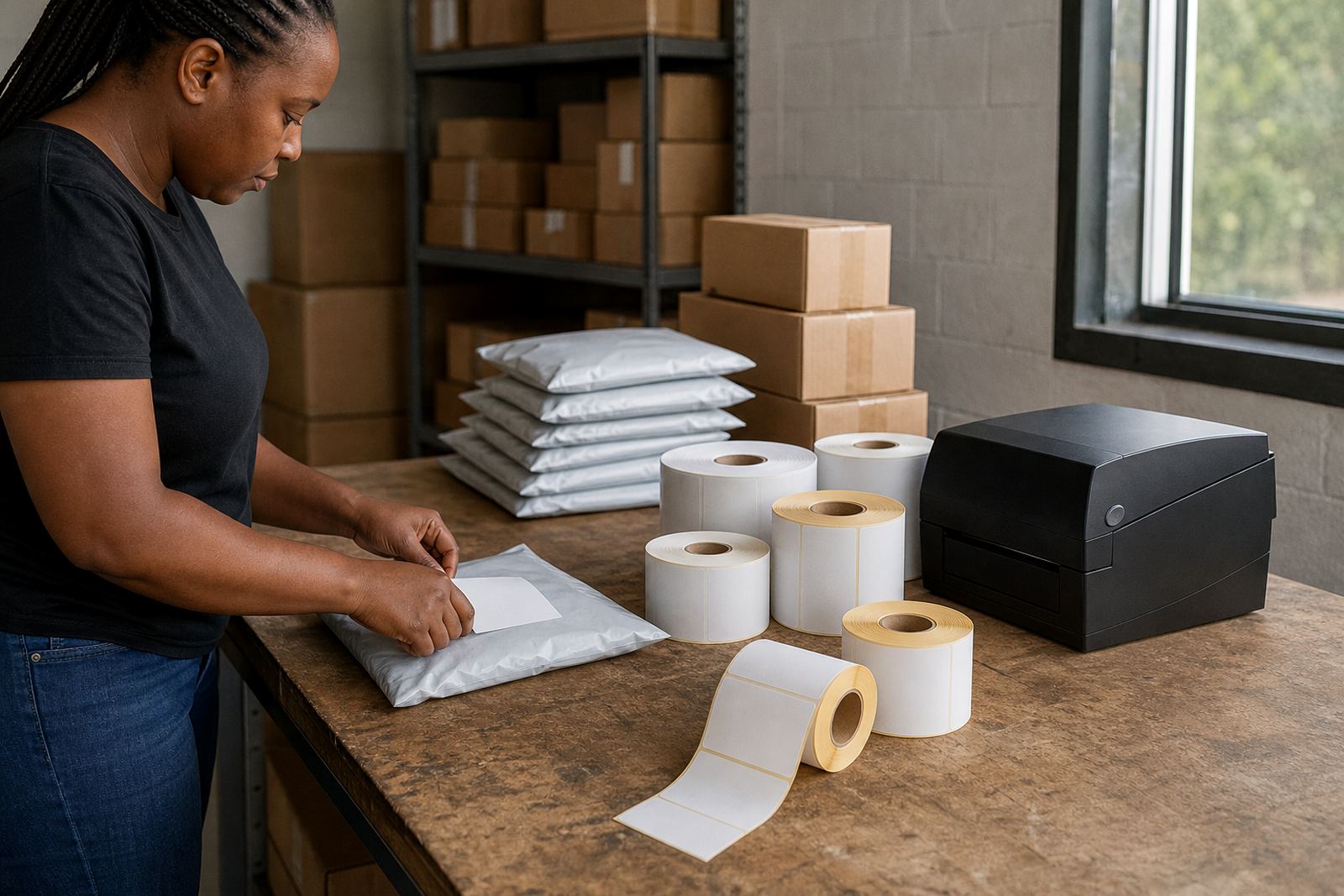
The client was a logistics operation in Johannesburg moving parcels, cartons and pallet labels through a high-volume dispatch floor. Their team needed self-adhesive label stock on larger cores so the rolls could run for longer on label printers without stopping every few minutes to swap reels. That mattered because the site was working across multiple shifts, with mixed packing tables and a fair amount of dust, vibration and handling.
The brief covered more than one roll size. They wanted a repeatable supply for shipping labels, internal routing labels and carton identification, with the roll width and core size matched to their machines. We also had to make sure the rolls would stay neat in storage, not telescope in transit, and not give the operators a fight when the printer pulled the stock through at speed.
Why the roll build mattered on site
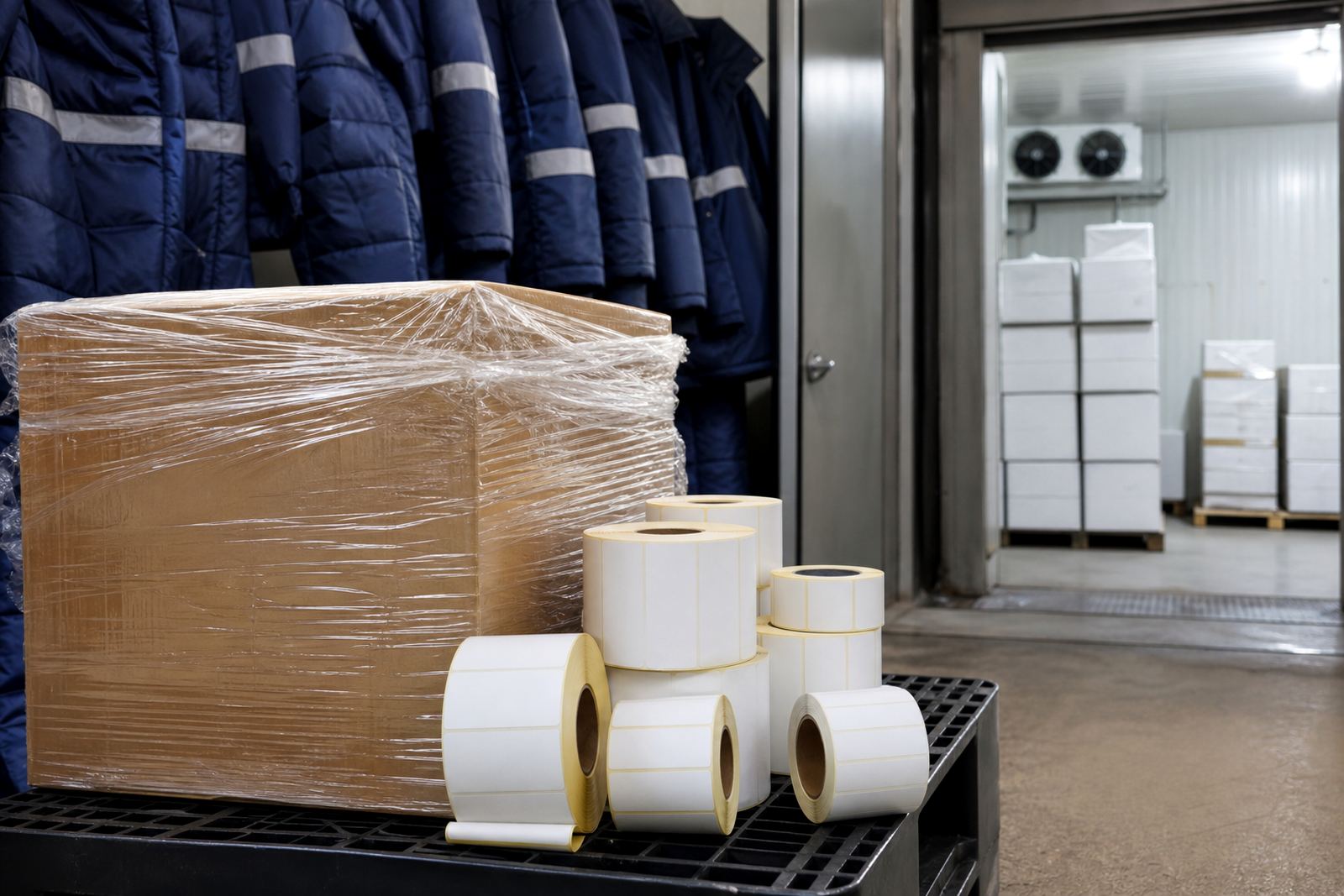
In logistics, the label is only useful if it feeds correctly every time. We looked at the face stock, adhesive and liner combination first, then matched the roll length to the printer run time. The face stock needed a clean print surface for clear barcodes and routing details, while the adhesive had to bond properly to corrugated cartons, plastic mailers and wrapped bundles. For colder mornings and warmer afternoons in Gauteng, that balance is important.
We specified a construction suited to direct thermal or thermal transfer use depending on the printer set-up. Direct thermal is better where the label is used quickly and does not need ribbon, while thermal transfer is preferred where the print must last longer or handle abrasion better. The client’s mix of applications meant printer fit checks were worth doing before any full production. The core size was checked twice and the rolls were wound for steady feed in long shifts, not a stop-start office environment.
What we supplied from Westmead
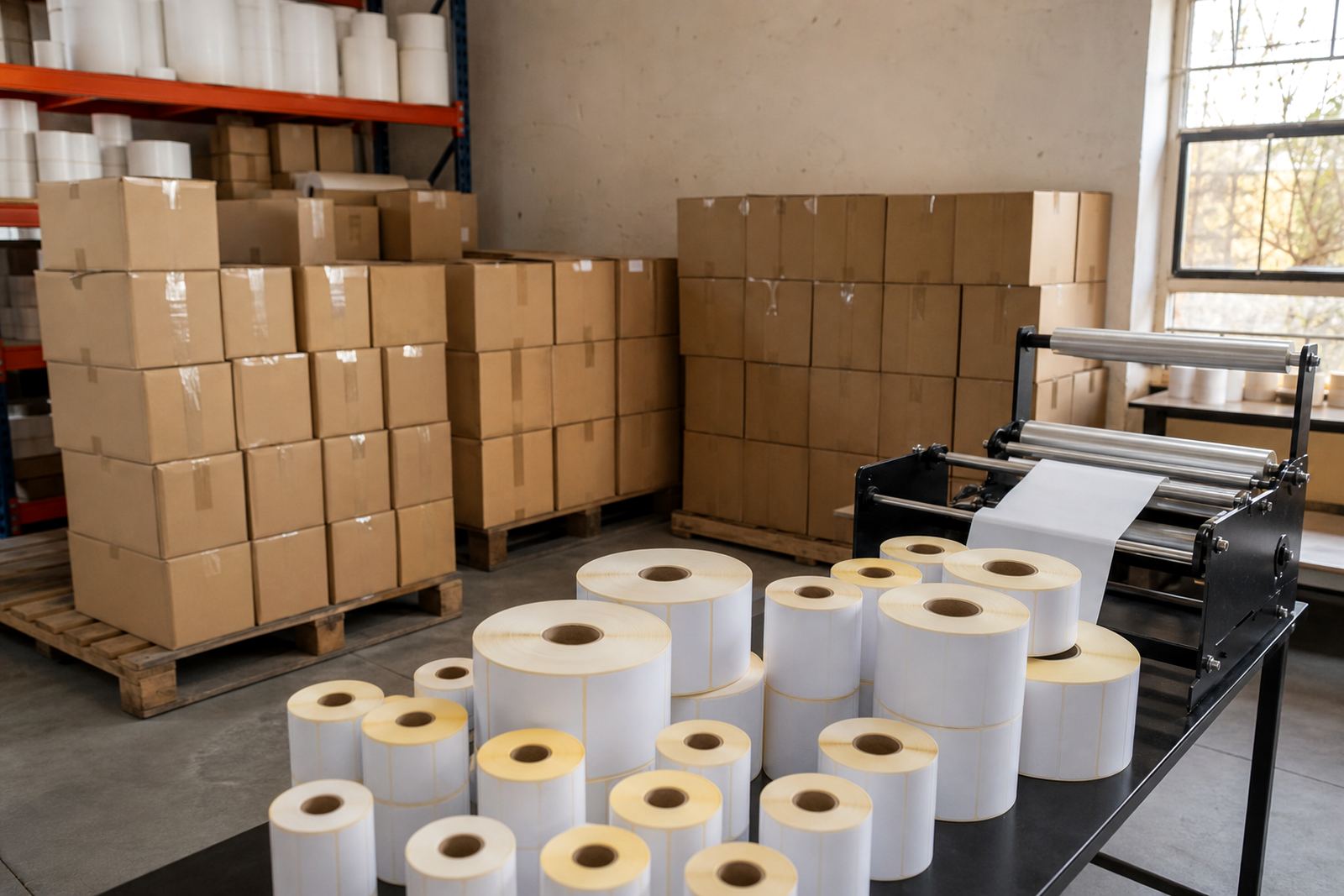
From our Westmead base in Pinetown, we supplied label rolls built for the Johannesburg site’s printer setup and packing rhythm. The supply included custom slitting to the required widths, rewinding to consistent tension, and roll length planning so the operators had fewer interruptions during dispatch peaks. We also prepared sample rolls first, which helped confirm print quality, adhesive grip and the way the roll behaved in the machine before the main run was released.
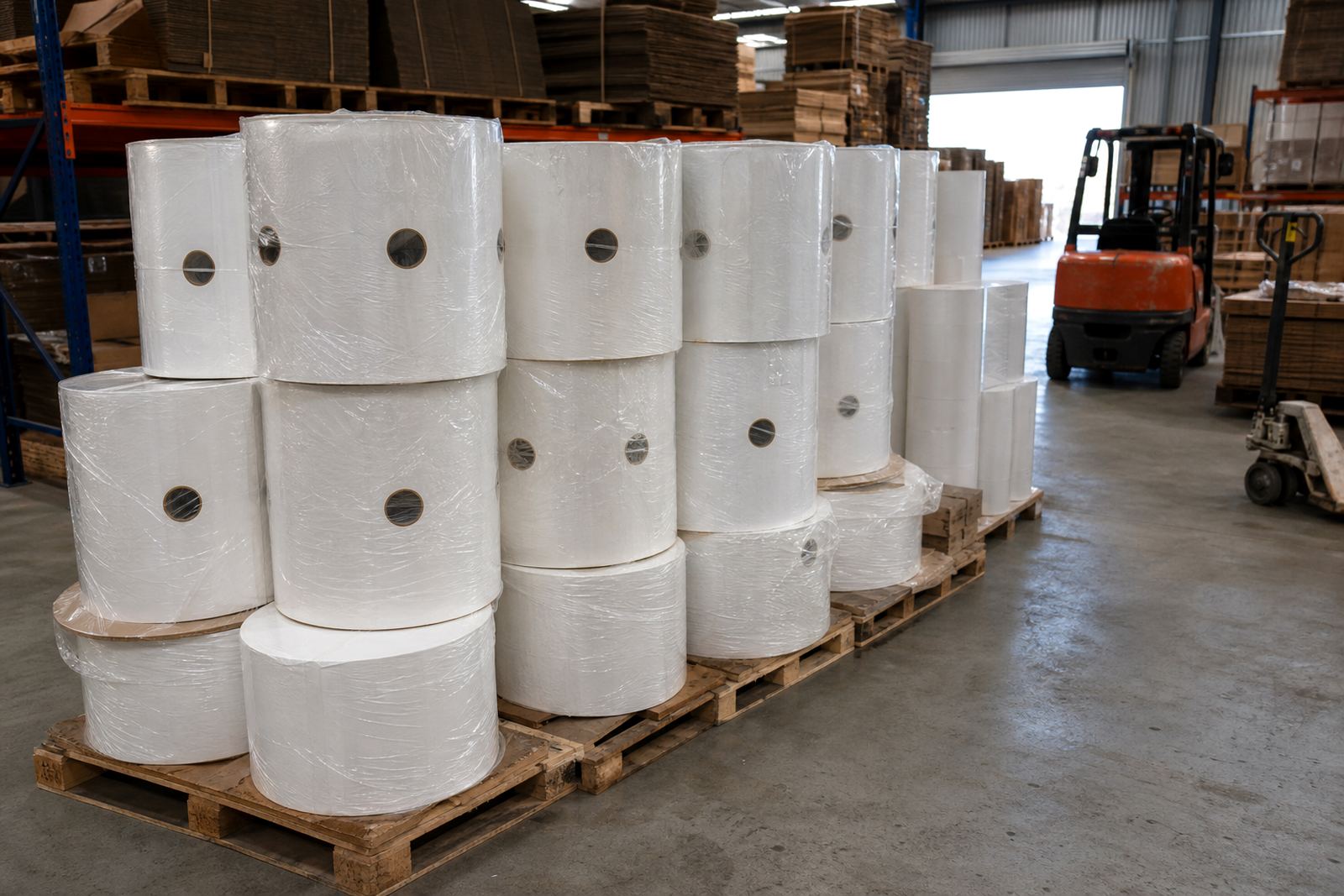
Because the site was using the rolls in a logisitics setting, we focused on packing that would protect the edges and keep dust out during transport. Dispatch was arranged so the labels arrived ready for the warehouse floor, not loose in a carton. Where the team needed more than one format, we kept the winding direction and core sizing consistent to reduce loading errors across shifts.
The timeline from first check to release
The project ran over three weeks. Week one covered the brief, printer checks and sample roll preparation. Week two dealt with adhesive matching, face stock selection and roll length planning so the labels would suit the site’s run times. Week three was for final conversion, packing and dispatch coordination out of Westmead to Johannesburg. That sequence kept the supply orderly and reduced the risk of getting the wrong roll into the wrong printer.
The team involved was practical and hands-on: Sibusiso Lourens oversaw the job, Naledi Mdlalose handled the supply discussions, Johan Reddy checked the conversion settings, Megan Moonsamy planned the production run, Ayanda Ntsele handled customer support queries and Themba Kotze coordinated dispatch. That line-up helped keep the details tight, from core sizing through to the final pallet count.
What changed after the new rolls went in
Once the larger core rolls were in use, the site had fewer changeovers during busy dispatch windows and less stop-start loading at the printer station. That cut down on operator frustration and helped the team keep pace when volumes climbed. The barcode print came through cleanly, and the label edges stayed consistent, which matters when cartons move fast and get handled more than once.
The customer also benefited from having the roll format standardised across the team. When one shift hands over to another, the same core size, unwind direction and roll length reduce mistakes. It sounds small, but in a warehouse moving goods across Durban, Johannesburg, Cape Town, Pretoria and Pietermaritzburg routes, small details make the difference between a smooth run and a messy one. The site reported steadier use, fewer wasted labels and better control over spare stock.
When we would repeat the same approach
We would use the same process again for any Johannesburg logistics site that needs continuous label supply. Start with the printer model, check the core size, confirm the outer roll diameter and decide whether direct thermal or thermal transfer is the better fit. Then match the adhesive to the pack surface, because cartons, shrink wrap and plastic bags do not all behave the same. That is where a short sample run can save a lot of trouble later.
If the labels are going into a warehouse with high throughput, the right roll build is as important as the print file. A careful start avoids production delays, and it keeps the team working with stock that behaves the way it should.
Key facts
| Project | Johannesburg Logistics Rolls |
|---|---|
| Client type | Logistics operation |
| Town | Johannesburg |
| Base supplied from | Westmead, Pinetown |
| Core size | Larger core shipping rolls |
| Timeline | 3 weeks |