
When the cold room starts testing the label
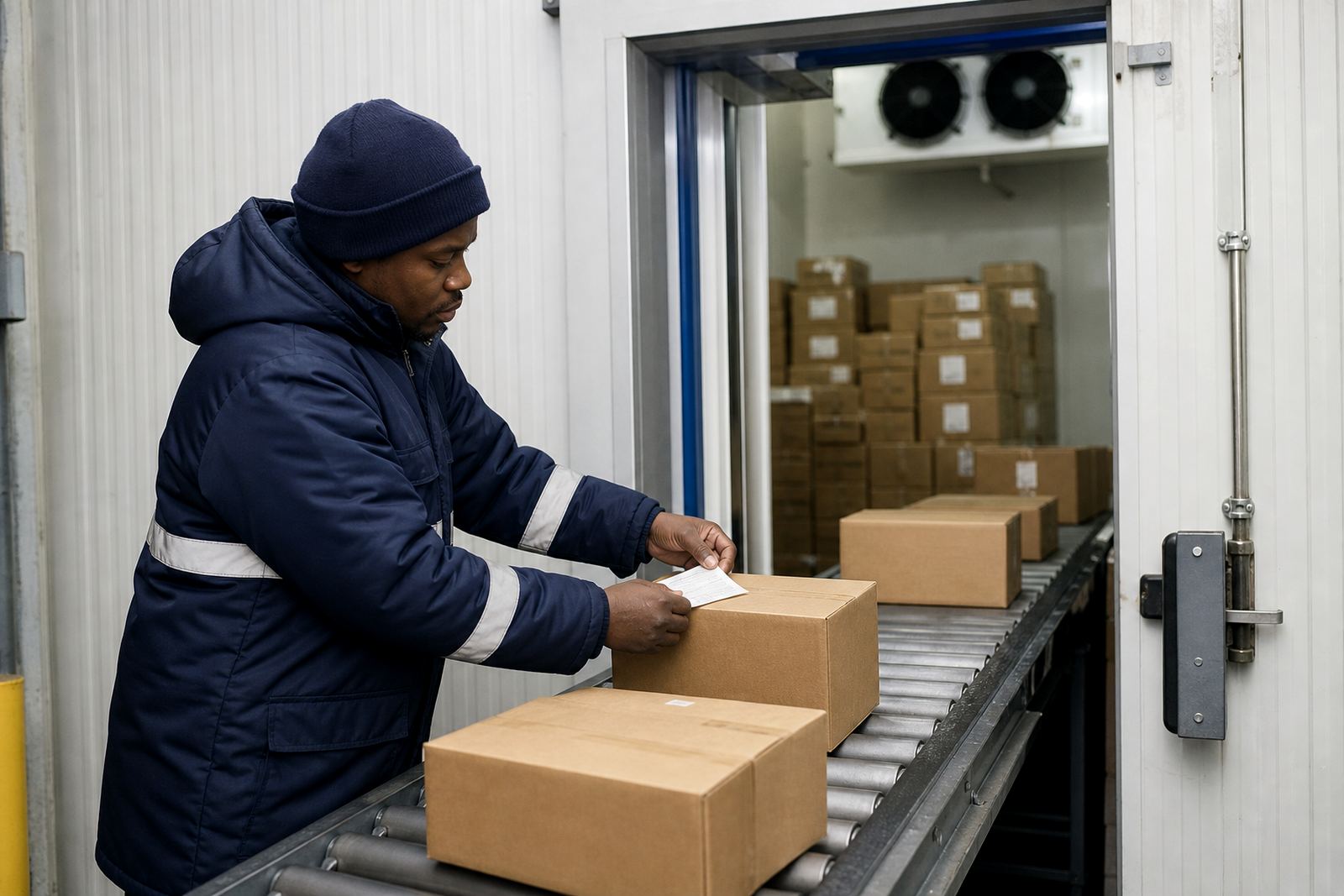
In chilled stores and packhouses, labels face more than a neat shelf presentation. They must stay put on cartons, bags, crates, tubs and wrapped packs while product moves from ambient air into cold rooms, blast chillers and dispatch lanes. In Durban’s humid conditions, and in inland sites where the room is cold but the packing bay is warm, condensation is often the first problem. A label that works on a dry office shelf can fail after a single temperature shift.
For cold room use, the full construction matters. The face stock needs to print clearly and hold up to handling. The adhesive must grip well on the actual pack surface, whether that is corrugated board, plastic punnets, or a film wrap. The liner must feed cleanly through the dispenser or printer, especially where operators are working fast and gloves are on. We supply self-adhesive label stock and thermal rolls for businesses that need labels to stay readable and attached in chilled conditions.
Typical use includes stock rotation labels, date codes, batch marks, carton IDs, shelf labels, and dispatch labels for chilled goods. In many sites the issue is not the printer first, its the wrong label build.
Choosing the face stock for cold and damp surfaces
Face stock is the printed top layer, and in cold storage it needs to suit the job rather than just look tidy. Paper face stocks are often used for carton labelling and internal identification where the label does not need to stand up to long moisture exposure. Film-based face stocks are better where rubbing, splash or cold condensation is more likely. A smoother face stock also helps if small text, barcodes or QR codes must stay sharp after printing.
The surface texture matters too. Very absorbent papers can take ink differently and may not give the same crisp result across a whole roll. On the other hand, some film surfaces need the right ribbon type when using thermal transfer printing. If the wrong combination is used, print can fade, scratch or smear before the product leaves the cold room.
We help match the face stock to the application, not just the printer. That includes label size, finish, storage time and whether the pack will be touched, stacked or wiped down. For cold room applications, a smaller, well cut label often performs better than a large label that lifts at the corners.
- Paper face stocks for carton IDs, stock movement and shorter hold periods
- Film face stocks for higher moisture exposure and more handling
- Smoother surfaces for fine text and crisp barcode printing
- Face stock choice guided by the pack surface and storage time
Adhesives that still hold after the door opens
Adhesive choice is where many cold room labels succeed or fail. Standard adhesive can perform well at room temperature but lose grip when the surface is cold, damp or slightly dusty. In chilled spaces, a label may need a tackier adhesive, a freezer grade option, or a formulation that bonds after application and keeps holding through temperature changes. The wrong choice often shows up as corner lift, edge peel or labels dropping off trays and cartons.
Surface type matters as much as temperature. Corrugated cartons, shrink film, plastics and coated wraps all behave differently. For example, a label placed on a slightly moist carton may need a different adhesive response than one applied to a dry plastic tub. A label on a curved pack or uneven seam also needs enough conformability to stay in contact across the full base.
When planning adhesive matching, think about the whole trip from packing table to cold room to dispatch. If product moves through wet floors, frequent washdown or forklift handling, the label must cope with more than just cold. We recommend sample rolls where possible, because a small test in your own conditions often saves a lot of waste later.
- Freezer grade or stronger tack for low temperature service
- Adhesive matching for carton board, plastic film and chilled trays
- Testing on the actual pack surface before full production
- Allowance for washdown, condensation and repeated handling
Direct thermal or thermal transfer for chilled stock
For cold room labelling, both direct thermal and thermal transfer have a place. Direct thermal is useful where the label life is short to medium and the environment is controlled, because it does not need a ribbon. It is often chosen for dispatch, internal sorting and date-sensitive movement where speed matters. Thermal transfer uses a ribbon and is usually the better option when print needs to last longer, or when resistance to rubbing, cold and handling is important.
In chilled operations, thermal transfer often gives more dependable barcode quality and better durability. That said, if the label is only needed for a few days and then discarded, direct thermal can be perfectly suitable. The choice depends on how long the label must remain legible, how much moisture it will face and whether the text must survive wiping or repeated contact.
Printer compatibility is important too. Core size, roll diameter, unwind direction and gap sensing all need to match the machine. Many label problems are actually feed problems, not print problems. A label that is the correct width but wrong core or winding direction can jam, skew or waste time. We plan for that before the rolls leave Westmead, Pinetown.
- Direct thermal for shorter-life labels and faster changeovers
- Thermal transfer for stronger print durability and sharper codes
- Core sizes, roll diameter and winding direction checked against the printer
- Gap, black mark or notch sensing considered where relevant
Planning the roll size before the first jam
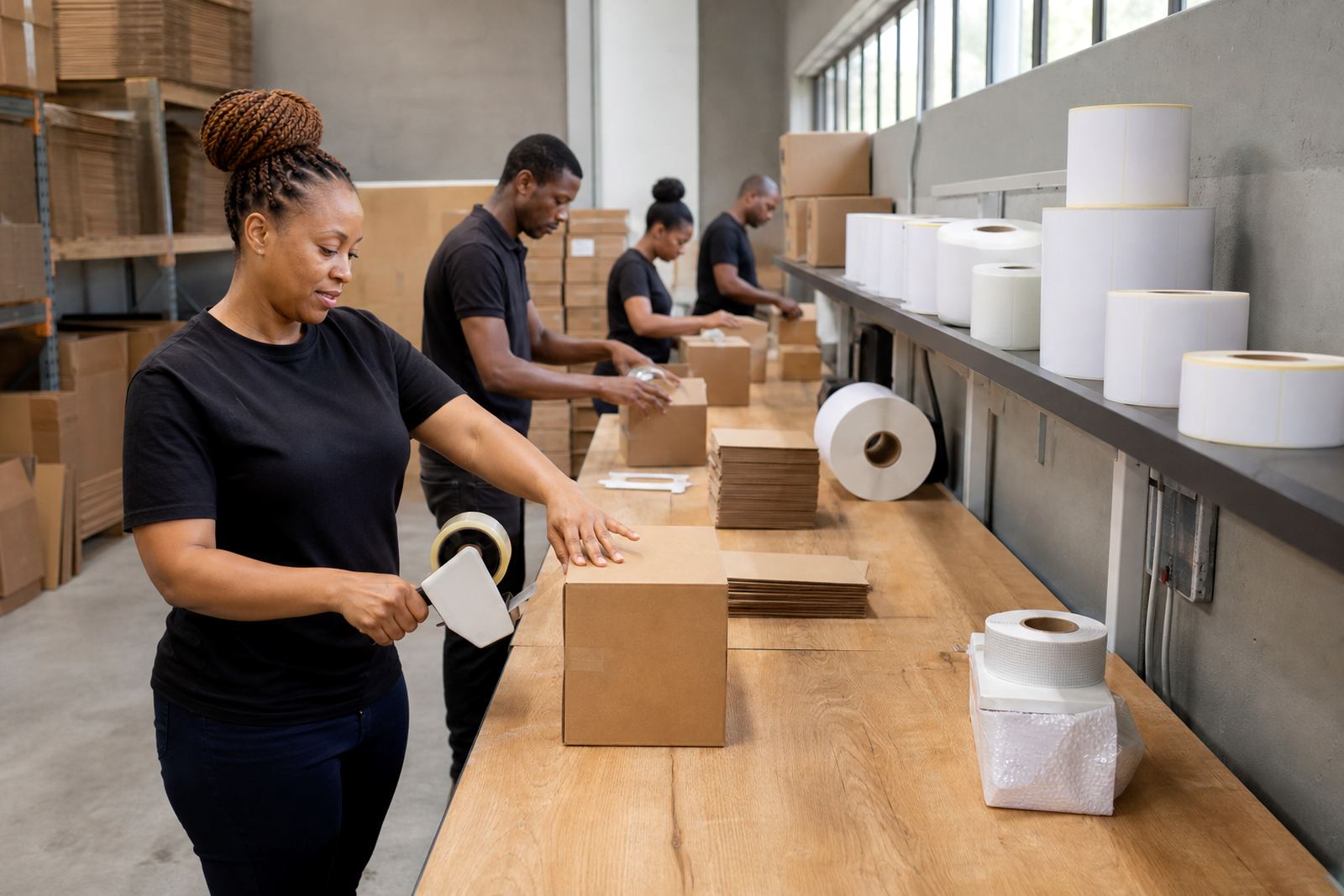
Cold room sites often run a mix of printers, from compact units at the packing bench to wider machines at dispatch. That means roll planning has to be practical. Core size, outer diameter and roll length should suit the printer, the operator and the volume of labels used per shift. If the roll is too large it can stress the printer path. If it is too small, staff spend too much time changing rolls during busy periods.
Winding direction matters for print head entry and label presentation. So does the label layout on the roll. A pack line using small date labels may need a different setup from a pallet label station. Roll length planning also helps with stock control, because regular usage can be balanced against storage space and dispatch timing.
In many facilities, the best setup is one that keeps the printer clean, reduces stoppages and allows for predictable changeovers. That is especially useful in cold rooms where gloves, moisture and limited time make fiddly handling frustrating. A roll that loads correctly every time is worth more than a cheaper roll that causes constant corrections.
Budget ranges and the mistakes that cost more later
Cold room label budgets vary with the label build, the print method and the amount of testing needed. As a practical guide, smaller utility rolls for internal use may fall into lower Rand ranges, while freezer grade constructions, custom slitting and matched thermal transfer rolls sit higher because the materials and setup are more specific. A better label can cost more per roll, but it often lowers waste, reprints and product relabelling.
Common mistakes include choosing paper where a film would hold better, using a generic adhesive for a cold surface, ordering a roll that does not fit the printer core, and assuming labels will behave the same in a warm packing area and a cold room. Another frequent problem is not allowing for condensation at the point of application. If the label is applied to a damp surface, even good stock can struggle.
We also see sites under-ordering sample rolls. Testing a small batch first is often the smartest spend, especially when product moves between Pinetown, Durban, Johannesburg, Cape Town, Pretoria and Pietermaritzburg supply chains. A short usage review after the first run can show whether the label is holding, lifting or printing cleanly.
- Budget for testing before full roll volumes
- Allow extra where freezer grade adhesive or thermal transfer ribbon is needed
- Avoid oversizing the roll if the printer or operator cannot handle it comfortably
- Review label performance after the first cold room cycle
How Label Paper supports chilled operations from Westmead
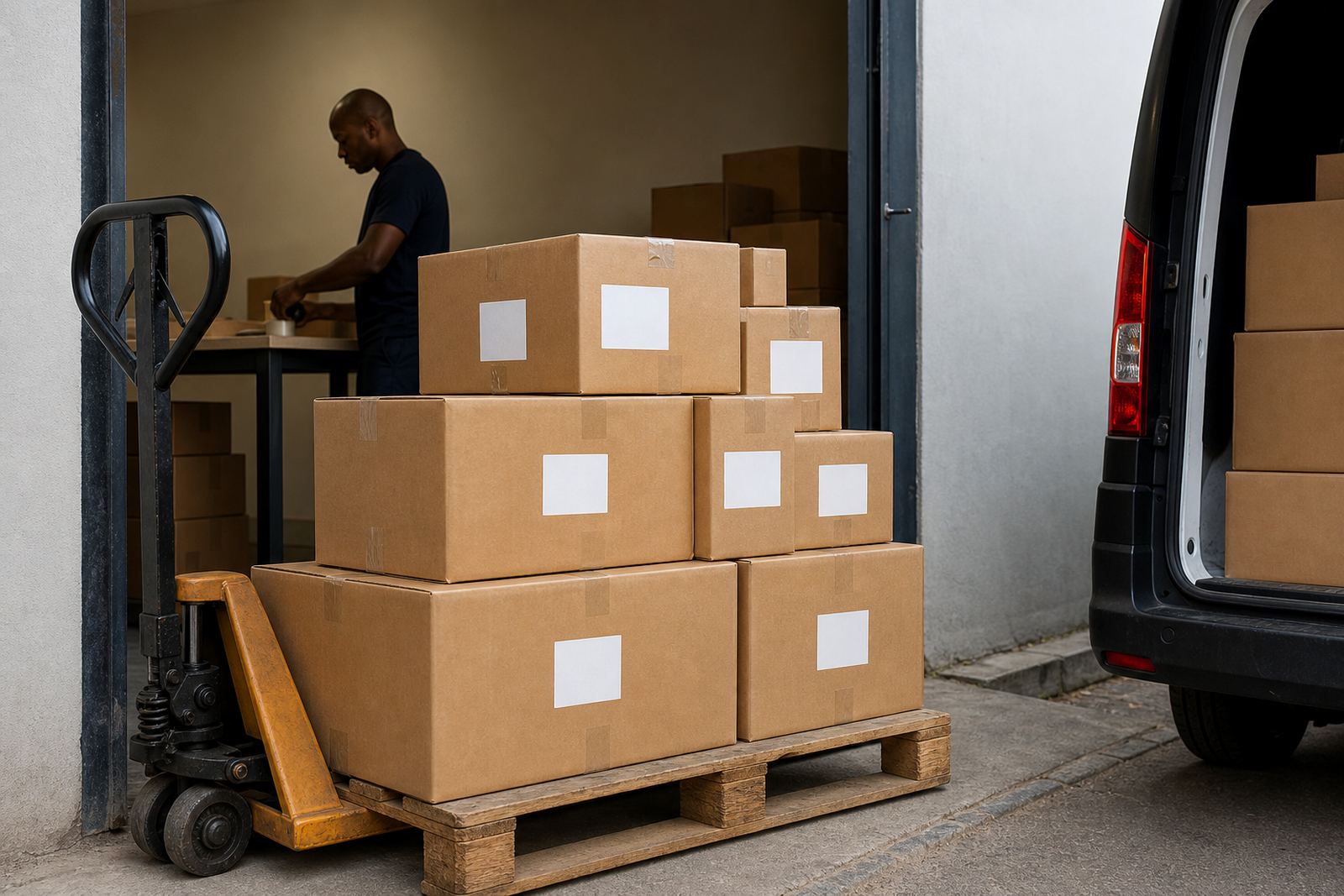
From Westmead, Pinetown, we supply label stock and thermal rolls for chilled stores, packhouses, logistics teams and manufacturing sites across South Africa. Our service covers custom slitting, rewinding, core sizing, roll length planning, winding direction, sample rolls, adhesive matching, face stock selection, printer fit checks, dispatch packing, repeat order planning and usage review. That matters where a business needs the label to fit the line and the cold room, not just the artwork.
The team includes Sibusiso Lourens, Naledi Mdlalose, Johan Reddy, Ayanda Ntsele, Megan Moonsamy and Themba Kotze, with each stage handled in a practical way from enquiry through dispatch. Clients reach us through the enquiry form on our contact page, and we work with orders for Durban, Johannesburg, Cape Town, Pretoria, Pietermaritzburg and nearby industrial areas such as Hammarsdale. Cold storage labels should do their job without fuss, and that starts with matching the stock to the actual conditions on site.