Why the core matters before the first label prints
The core is the round tube in the centre of the roll, and it does more than hold the label stock together.
On many benchtop and industrial label printers, the wrong core size can cause side play, misfeeds, and uneven tension. That is why core size should be checked together with roll diameter, printer width, and the direction the labels unwind. If the roll is for packaging, retail pricing, or barcoding in Durban humidity or a busy warehouse in Gauteng, the fit still has to be correct.
The core sizes you will hear about most often
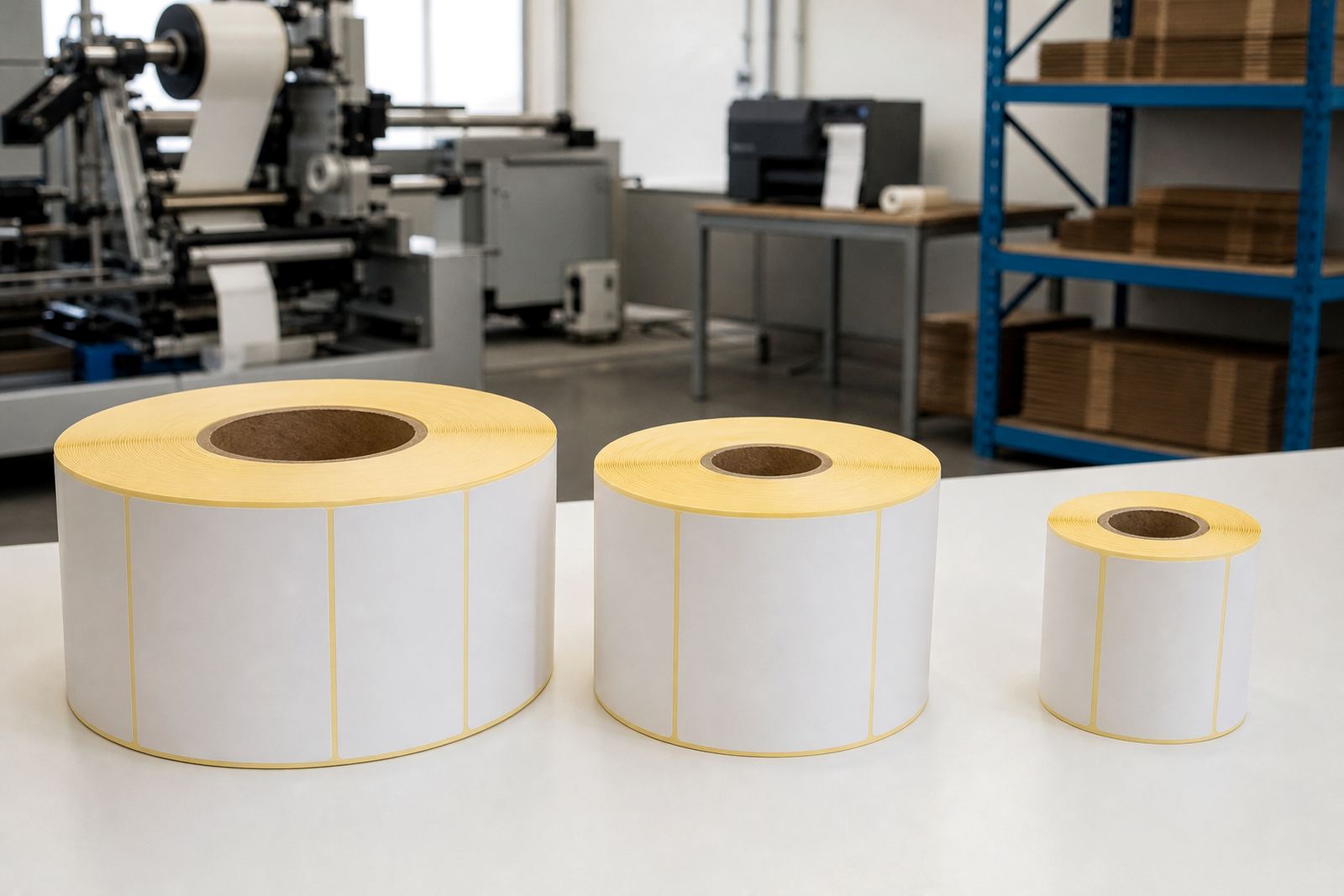
In South African labelling work, the common core sizes are usually 25 mm, 40 mm and 76 mm. Some lighter benchtop printers use smaller cores, while many industrial printers and rewind jobs run better on 76 mm cores because the roll is more stable and can handle longer lengths.
A 25 mm core is often found on compact rolls for lighter printers. A 40 mm core sits between benchtop and heavier duty use. A 76 mm core is common for higher volume printing, especially where the label face stock is thicker or the roll length is higher. The right choice depends on the printer mechanism, the inside mounting width, and how the roll is packed for dispatch.
- 25 mm core for compact benchtop units and lighter rolls
- 40 mm core for mid range use and selected thermal applications
- 76 mm core for industrial printers and longer roll lengths
Match the roll to the printer, not the other way round
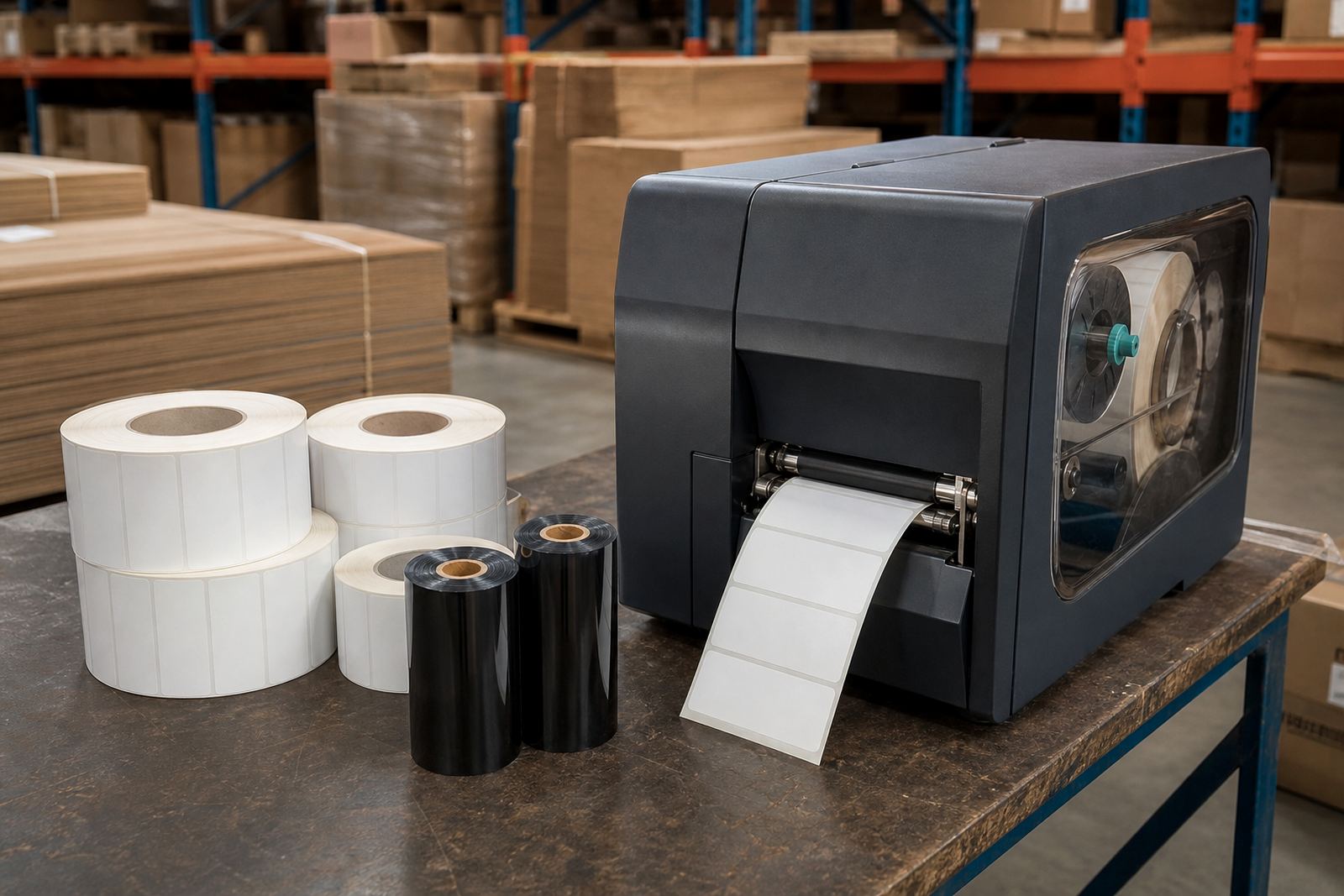
Printer compatibility starts with the spindle or holder inside the machine. Check the maximum core diameter it accepts, the roll width it can carry, and whether the printer needs a specific unwind direction. Some printers are more forgiving, but many will jam if the roll is even a few millimetres out.
Direct thermal rolls and thermal transfer rolls can both be supplied on suitable cores, but they behave differently. Direct thermal stock is printed by heat on a coated face stock and suits short to medium life labels. Thermal transfer stock uses a ribbon and is better where the print must last longer, or where heat, handling, or sunlight is a concern. The core choice still needs to suit the printer, whether you are running carton labels in Pretoria or parcel labels heading out of Pinetown.
- Check printer model and internal roll holder width
- Confirm core size and winding direction
- Check if the printer uses direct thermal or thermal transfer
- Allow for roll outside diameter so the cover closes properly
What changes the core choice on the packing bench
Core size is often linked to the label material itself. A heavier face stock, thicker adhesive layer, or wider label web can make the roll bulkier, which may call for a larger core and a shorter roll length. Thin paper labels can often be wound tighter, while synthetic face stocks and stronger adhesives may need more careful roll planning.
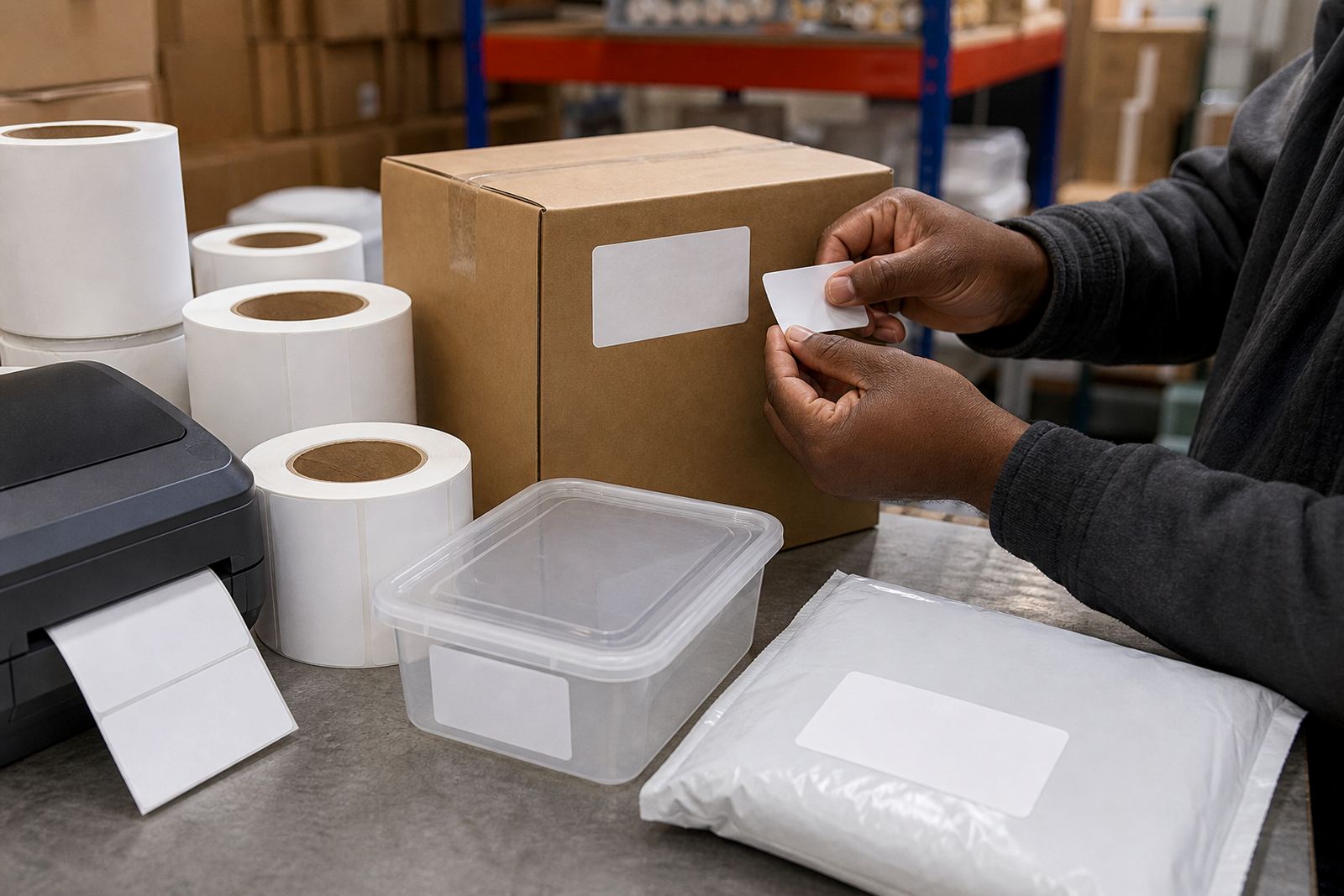
In warehouses where staff are printing all day, a stable roll matters as much as the label itself. If the roll wobbles on the printer, the print can drift. If the unwind is too tight, the motor works harder. If the roll is too loose, the edge can telescope. That is why core sizing should be checked with the adhesive type, face stock and machine speed together.
A quick checklist before you send through the order
Use this checklist before you confirm a label roll or thermal roll order. It helps avoid rework, especially when the labels are going into retail packs, dispatch bins, or manufacturing lines with tight turnaround times.
- Core size required: 25 mm, 40 mm or 76 mm
- Printer type: direct thermal or thermal transfer
- Roll width and maximum outside diameter
- Winding direction: top out, bottom out, left or right as needed
- Label face stock: paper, matte, gloss or synthetic
- Adhesive type: permanent, removable or freezer grade where needed
- Application: packaging, sealing, coding or logistics
If you are not sure, a sample roll is worth asking for before the full run. That can save time on the line and prevent stock being held up in dispatch.
How we plan rolls for Westmead and beyond
From Westmead, Pinetown, we supply label stock and thermal rolls for customers in Durban, Johannesburg, Cape Town, Pretoria and Pietermaritzburg. Core sizing is handled alongside slitting, rewinding, roll length planning and printer fit checks, so the roll arrives ready for the machine it was made for.
The correct core helps the roll sit properly, keeps feed steady and makes repeat supply easier to plan. If your team uses different printers across sites, we can hold the core size and winding direction steady from one order to the next.