

Start with the label job before you price the roll
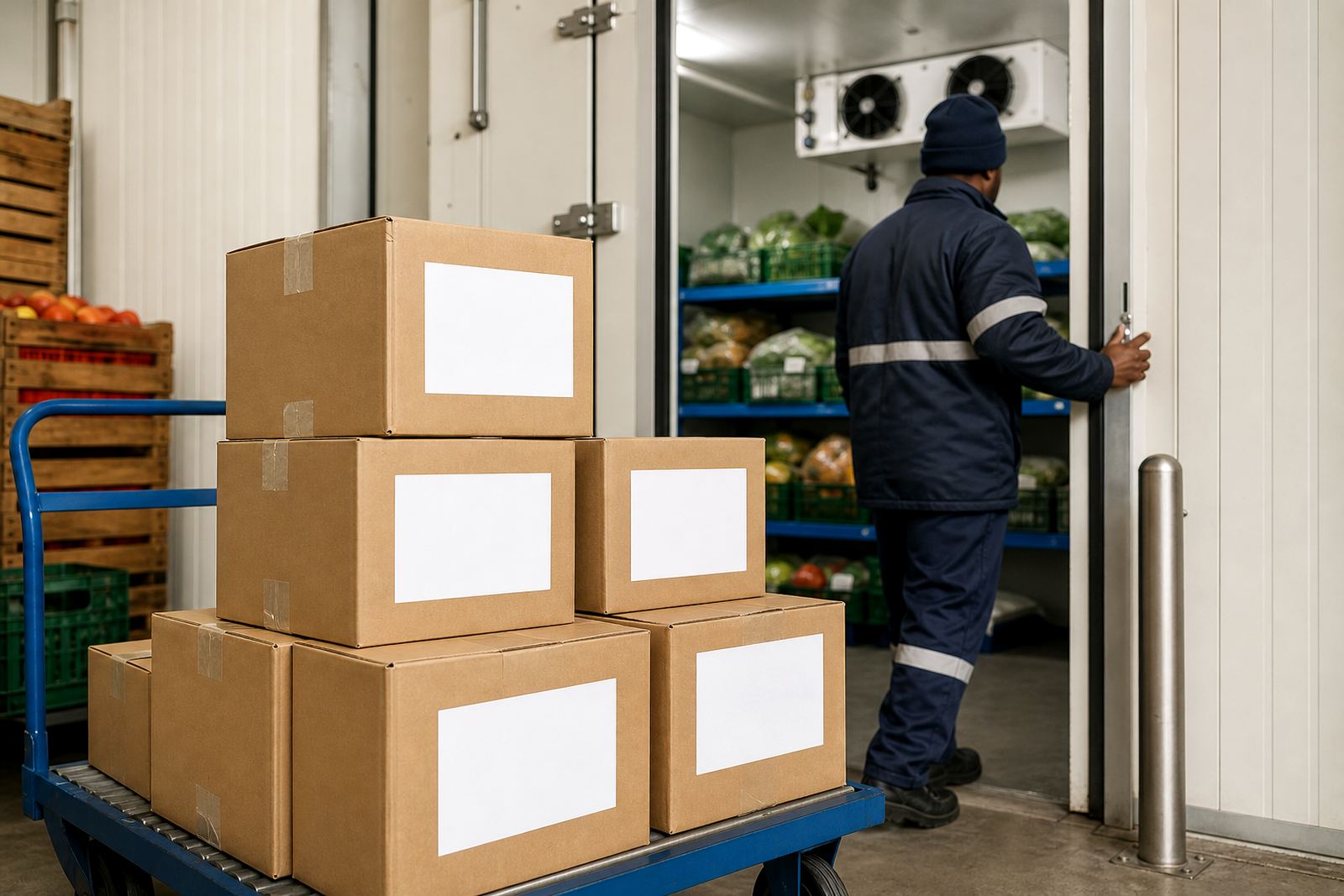
Retail buying is easier when you match the label to the task first. A price label on a dry indoor shelf has very different needs from a barcode label on a chilled pack, a courier label on a box, or a short-life promotion label that must peel off without leaving glue behind.
In Westmead, Pinetown and across Durban, Johannesburg, Cape Town, Pretoria and Pietermaritzburg, store teams often need a mix of shelf labels, product labels, pack seals and dispatch labels. The first check is whether the label must stay put for days, weeks or months, and whether it will face heat, moisture, dust or frequent handling. That tells you a lot about the face stock and adhesive you should ask for.
- Indoor shelf label with light handling: standard paper face stock can work well
- Chilled or damp area: ask for a label and adhesive suited to lower temperatures and condensation
- Short promotion or remnant stock: request an adhesive that removes more cleanly
- Barcode or courier work: confirm the print must stay sharp through scanning and movement
Face stock, adhesive and liner all change the result
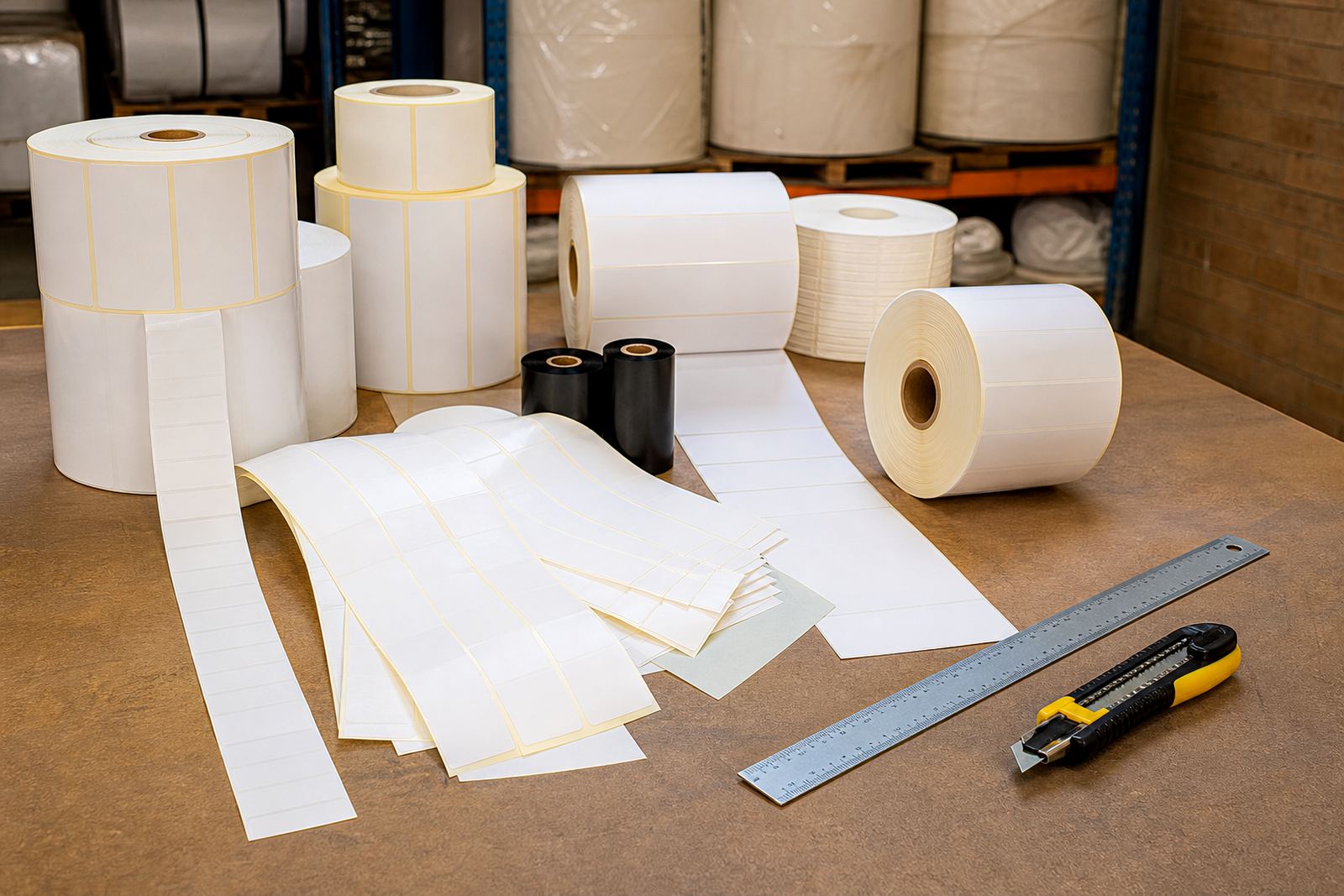
Label face stock is the top layer that takes the print. For retail use, the common choices are paper for general pricing and shelving, and synthetic materials where you need more water resistance or tear resistance. Paper is usually easier for everyday price marking. Synthetic face stock is better where cartons, cold rooms or moisture can make paper curl or weaken.
The adhesive matters just as much. Permanent adhesive is the usual choice for price and barcode labels that must stay in place. Removable adhesive is more suitable for temporary promotions, internal marking or returnable containers. Some jobs need an aggressive adhesive for rough cartons, while others need something more controlled for glass, plastic tubs or coated packaging.
The liner is the backing sheet or film that the label is carried on before dispensing. A smooth liner helps with clean feeding through the printer and easier peel-off.
- Paper face stock: common for pricing, shelf tickets and general retail labels
- Synthetic face stock: useful for moisture, handling and longer display life
- Permanent adhesive: best for labels that must stay fixed
- Removable adhesive: better for temporary markings and changeable stock
Direct thermal or thermal transfer, which one fits your shelves
Direct thermal rolls are printed by heat alone, so they do not need a ribbon. They are convenient for fast retail work, short-life labels and barcode printing where the label will be used relatively quickly. They are often chosen for till-point labels, short-term shelf tags and courier dispatch labels.
Thermal transfer rolls are used with a ribbon, and the ribbon transfers the image onto the label. This method is generally better when you need longer-lasting print, stronger resistance to rubbing, or better performance in tough conditions. For retail buyers, thermal transfer is worth considering where labels will sit in storerooms, on stock cages or in areas with more abrasion.
For stores in coastal areas like Durban and Cape Town, humidity can shorten the life of some label materials if the wrong combination is chosen. In hotter inland sites such as Johannesburg and Pretoria, heat and dust can also affect storage and print quality. The right roll type depends on the life of the label, not just the printer on hand.
- Direct thermal: no ribbon, fast, suitable for shorter life labels
- Thermal transfer: uses ribbon, better for longer lasting print
- Check the storage area: heat, humidity and dust can change the choice
- Match the method to the use, not just to the machine
Core size and printer fit are worth checking twice
Roll size is often where retail buyers trip up. A label may be the right width and length, but still not fit the printer spindle, holder or winding path. Core size is the hollow centre of the roll. Common core sizes are used across benchtop and industrial printers, and the wrong one can cause feeding issues or wasted time in the back office.
It also helps to check roll outer diameter, label gap or black mark sensing, winding direction and whether the printer feeds the roll from the inside or outside. A label that is perfectly made on paper can still jam if the winding is wrong for the machine. This is especially important where one printer is shared between store rooms, price changes and dispatch work.
When you order for multiple branches, ask for printer fit checks before the job is run. That saves repeat work and avoids store staff having to trim, respool or rework rolls on site.
- Confirm core size before ordering
- Check printer width limits and roll diameter limits
- Confirm winding direction and print face out or face in
- Make sure the roll suits all printers that will use it
A store checklist for pricing, shelf and barcode labels
Retail labels need to be readable, affordable and consistent across branches. Start with the information the label must carry: price, product code, barcode, weight, batch, or shelf location. Then check how often the text changes. A label that changes daily may need a different setup from a long-term shelf marker.
It is also worth thinking about the finish. A slightly stronger adhesive may stop corner lift on curved packets, while a cleaner liner may help when staff are applying labels at speed. If labels are going onto chilled food packaging, frozen items or stock that moves through cold rooms, tell the supplier that upfront.
For stores with central buying and several branches, a usage review helps to keep things consistent. One branch may be using a wide barcode label on cartons while another is using a smaller label on shelf strips. A repeat order plan can keep those patterns straight and reduce waste.
- What is being labelled: shelf, price, barcode, pack or dispatch
- How long the label must last
- What surface the label sticks to
- Whether the stock sits in heat, cold or humidity
- Which printer and ribbon setup will be used
Small test runs save trouble on the shop floor
Sample rolls are useful when a buyer wants to check print darkness, adhesion and tear strength before placing a larger order. A small test run can show whether the label peels cleanly, scans properly and survives packing or shelf movement. That is especially useful when switching between paper and synthetic face stock, or when changing adhesive on a product range.
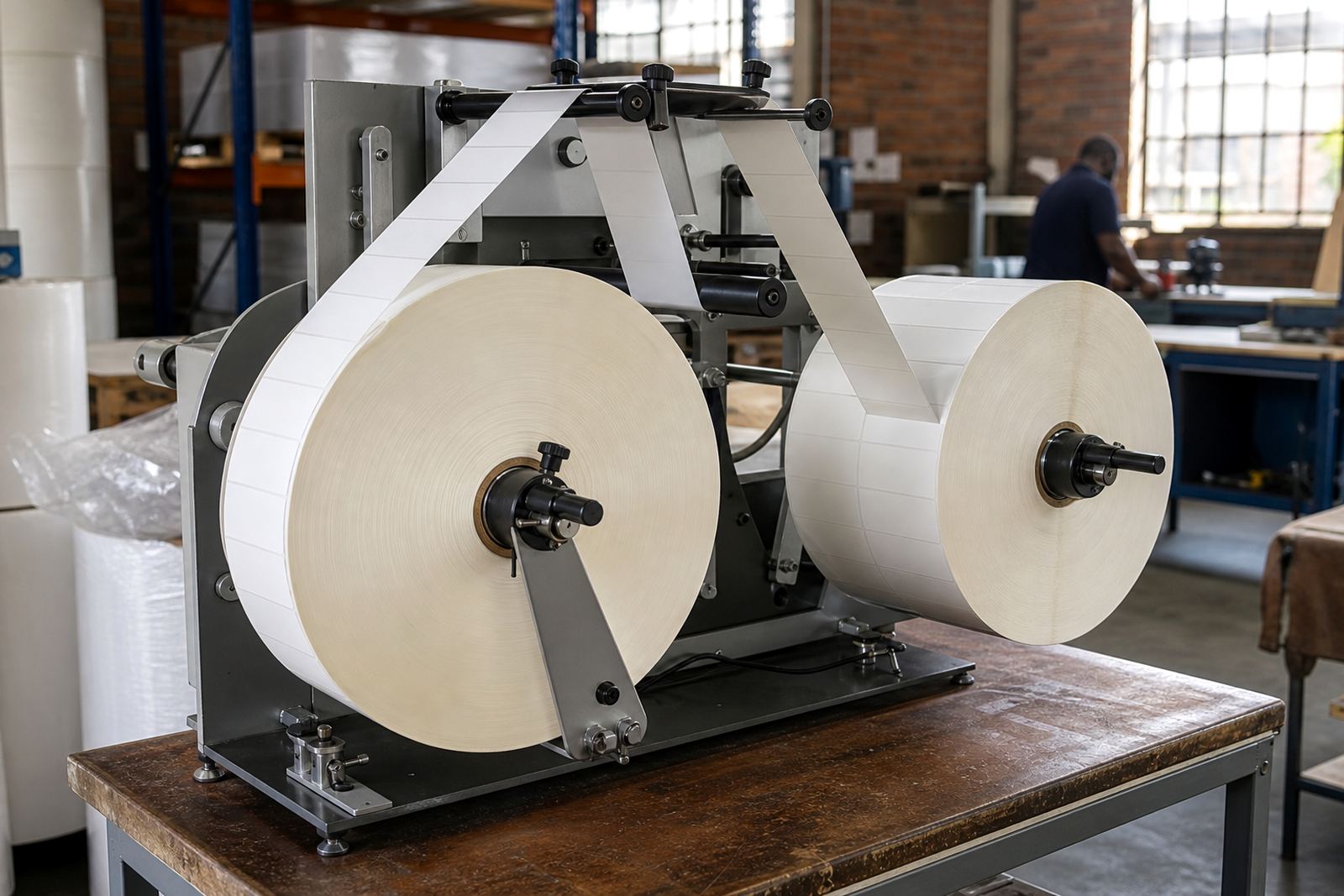
At Label Paper, the practical side of the job matters. Custom slitting, rewinding, core sizing and roll length planning help fit different store setups and printer types. Dispatch packing also matters when branches in Pinetown, Hammarsdale, Durban or farther afield need rolls grouped clearly for store use.
To place an order, clients reach us through the enquiry form on our contact page. From there, the team can help with adhesive matching, face stock selection, printer fit checks and repeat order planning for retail use.