What the liner does before the label reaches the pack
The liner is not just a carrier. It controls how the roll feeds, how the adhesive side stays protected, and how easy it is to peel labels at packing benches or on applicators. In Westmead, where many businesses work through heat, dust and regular power interruptions, a liner that releases evenly can save a lot of fiddly handling. A poor liner can curl, split at the edge or leave the operator fighting with the roll.
For packaging lines in Durban, Johannesburg or Cape Town, the liner choice should match the speed of application, the size of the label, and the printer setup. A light duty hand-applied label does not need the same backing as a high-speed logistics roll. If the liner is too thin, it can wrinkle during rewinding. If it is too heavy, it may waste material and make the roll bulkier than necessary.
Paper liner or film liner for your run
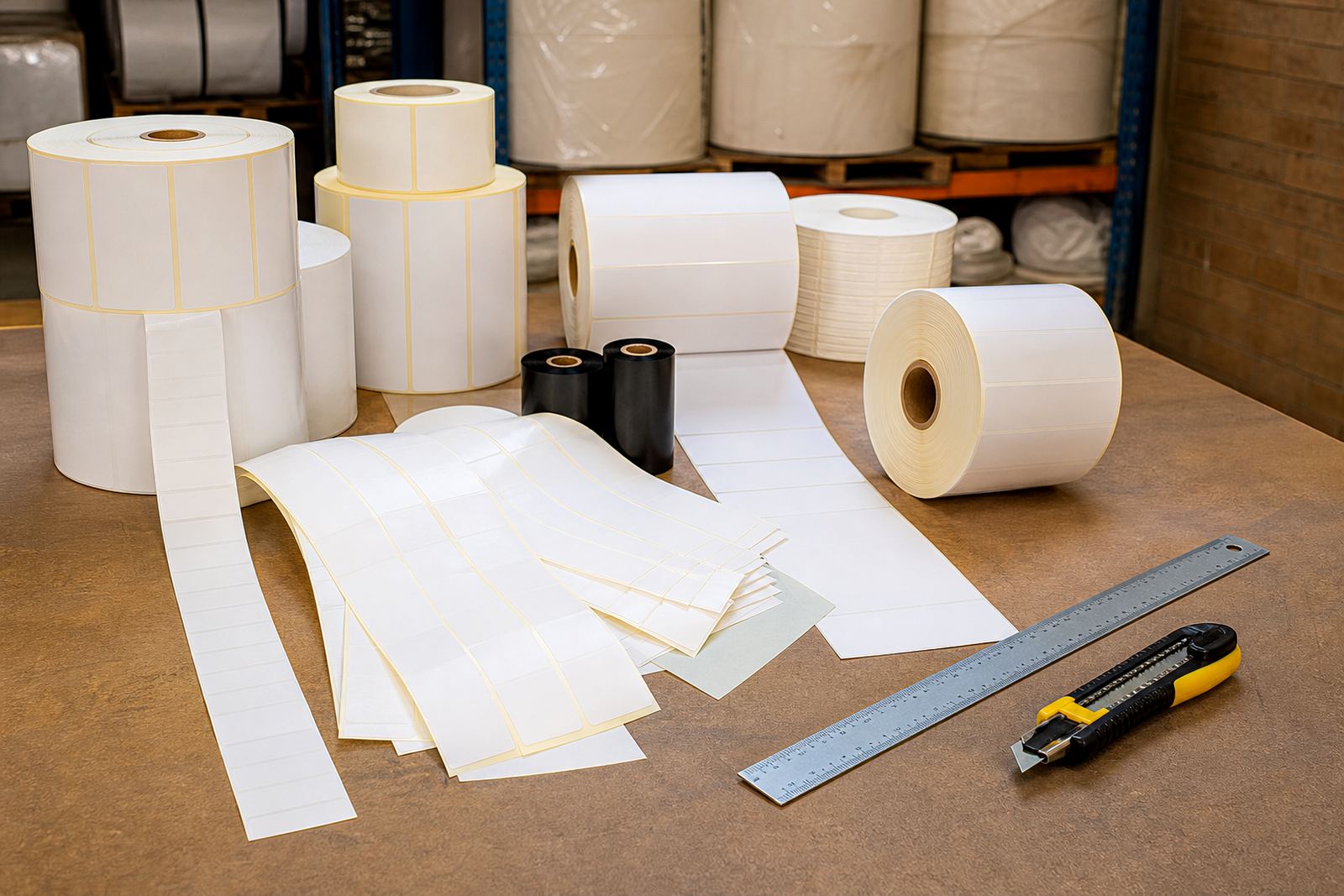
Most label stock uses either a paper liner or a film liner. Paper liners suit many general purpose jobs and are common where labels are printed, slit and applied in batches. They are practical for retail, shelf marking and general packaging. Film liners are smoother and often preferred where very fine die-cuts, cleaner release or a more stable feed is needed.
The better choice depends on how the roll will be used, not just the label face stock. If your operation uses thermal transfer printing for barcodes and product information, liner stability matters because the printer must keep the image aligned across the full width. For direct thermal work the liner still affects handling, even though there is no ribbon involved.
- Choose paper liner when you need general purpose handling and straightforward release.
- Choose film liner when you want smoother feed and more consistent web movement.
- Check whether the application is hand peel, semi-automatic or machine applied.
- Match the liner strength to the label size and the rewind tension on your line.
How liner release affects feeding at the printer
Release is the way the adhesive label lets go of the liner. Too much release and labels can shift or lift during rewind. Too little release and the strip may drag, jam or leave the user peeling hard at each break. That is why liner and adhesive need to work together as a pair, not as separate choices.
When the release is balanced, the roll feeds with less resistance, which helps on benchtop and industrial printers alike. It also matters in humid coastal conditions around Durban and the KZN south coast, where backing materials can feel different from those in drier inland areas. If your label is going to be stored, transported or used over time, a consistent liner helps maintain neat stacks and tidy end rolls.
- Watch for edge lift during rewinding.
- Check whether the label peels cleanly without tearing.
- Look for feed drift on longer print runs.
- Confirm that the liner stays flat after slitting and winding.
Core size and printer fit checks that prevent wasted stock
Core size is one of the first things to confirm before ordering. Common options include small cores for benchtop printers and larger cores for bigger production machines. If the core does not fit, the roll simply will not load properly. That can stop a packing line, waste time and create loose stock that cannot be used where it was intended.
Printer compatibility is about more than the core. You also need the right outer roll diameter, winding direction, gap or mark sensing and the correct face stock with liner thickness. A roll that looks right on paper may still miss the printer guide, the label sensor or the ribbon path. The practical check is to match the roll to the actual machine, not only the label size.
- Confirm core diameter before you place the order.
- Measure the available roll width inside the printer.
- Check whether the printer reads gaps, black marks or continuous media.
- Make sure the winding direction suits the applicator or printer path.
Matching liner choice to packaging, retail and logistics
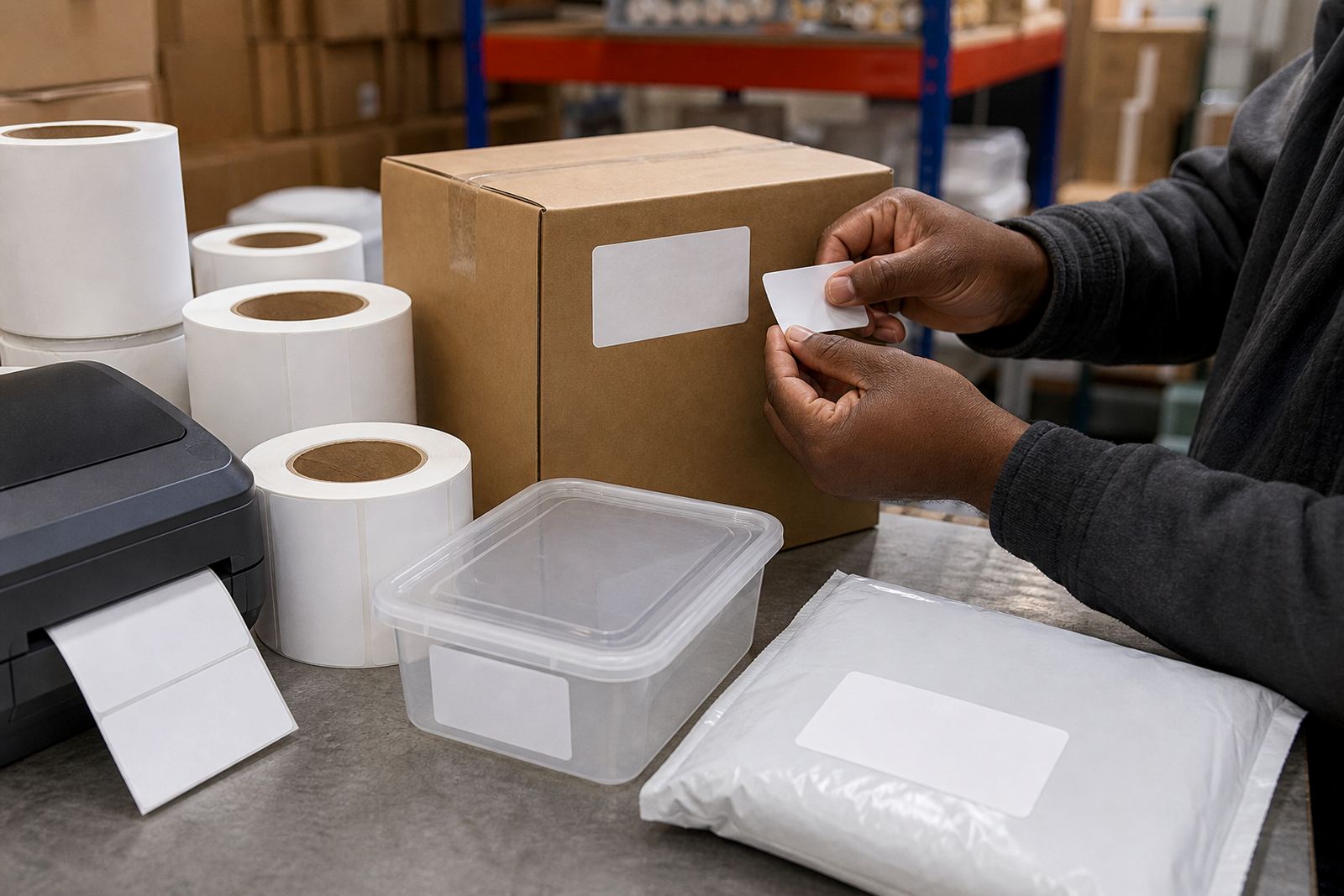
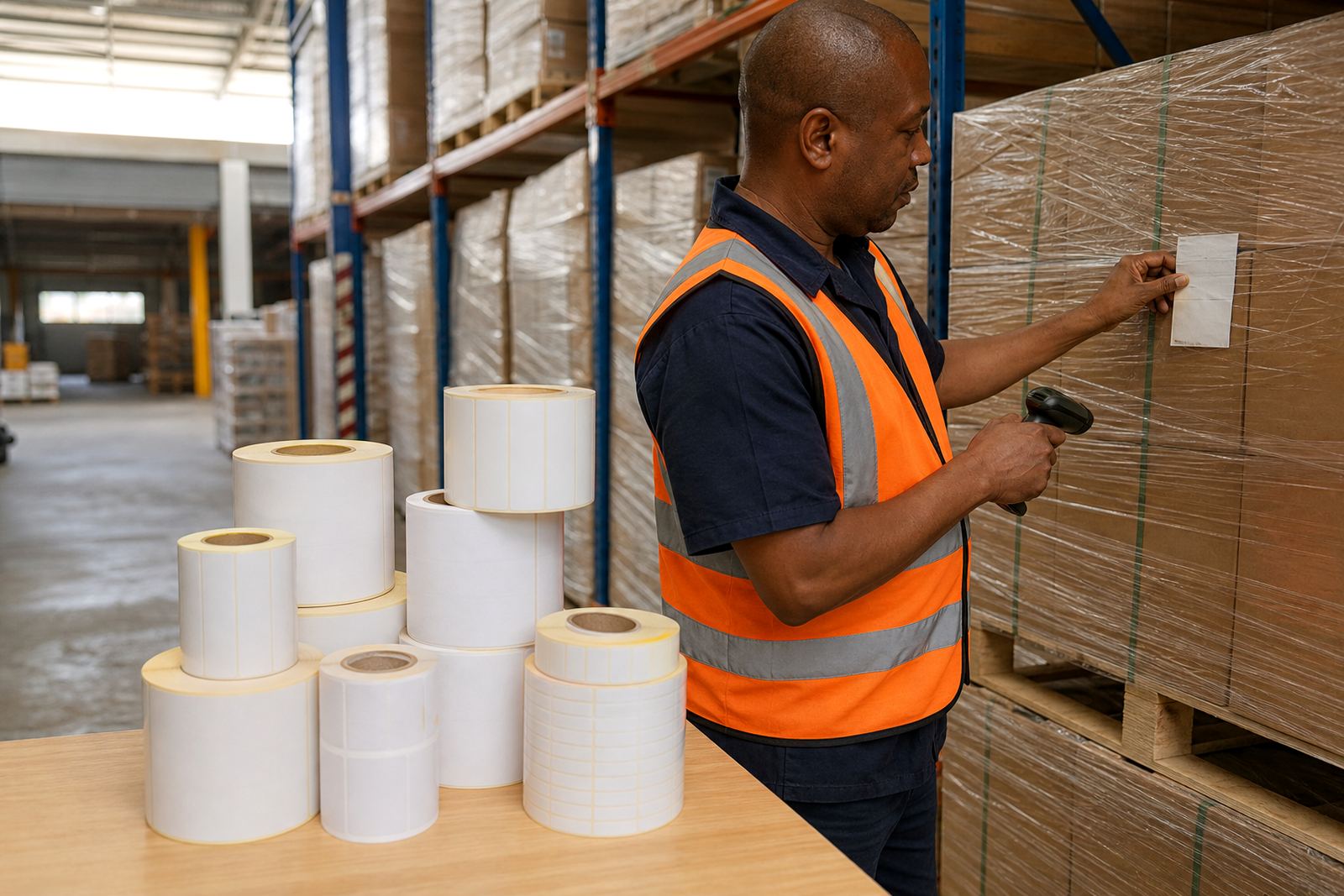
Packaging labels often need a liner that allows neat peeling at speed, especially for cartons, pouches and sealed packs. Retail labels may need a smoother hand peel so staff can reprice, mark promotions or prepare stock without struggling. Logistics labels often need strong feed consistency because barcodes, routing details and carton identifiers must remain legible right through dispatch.
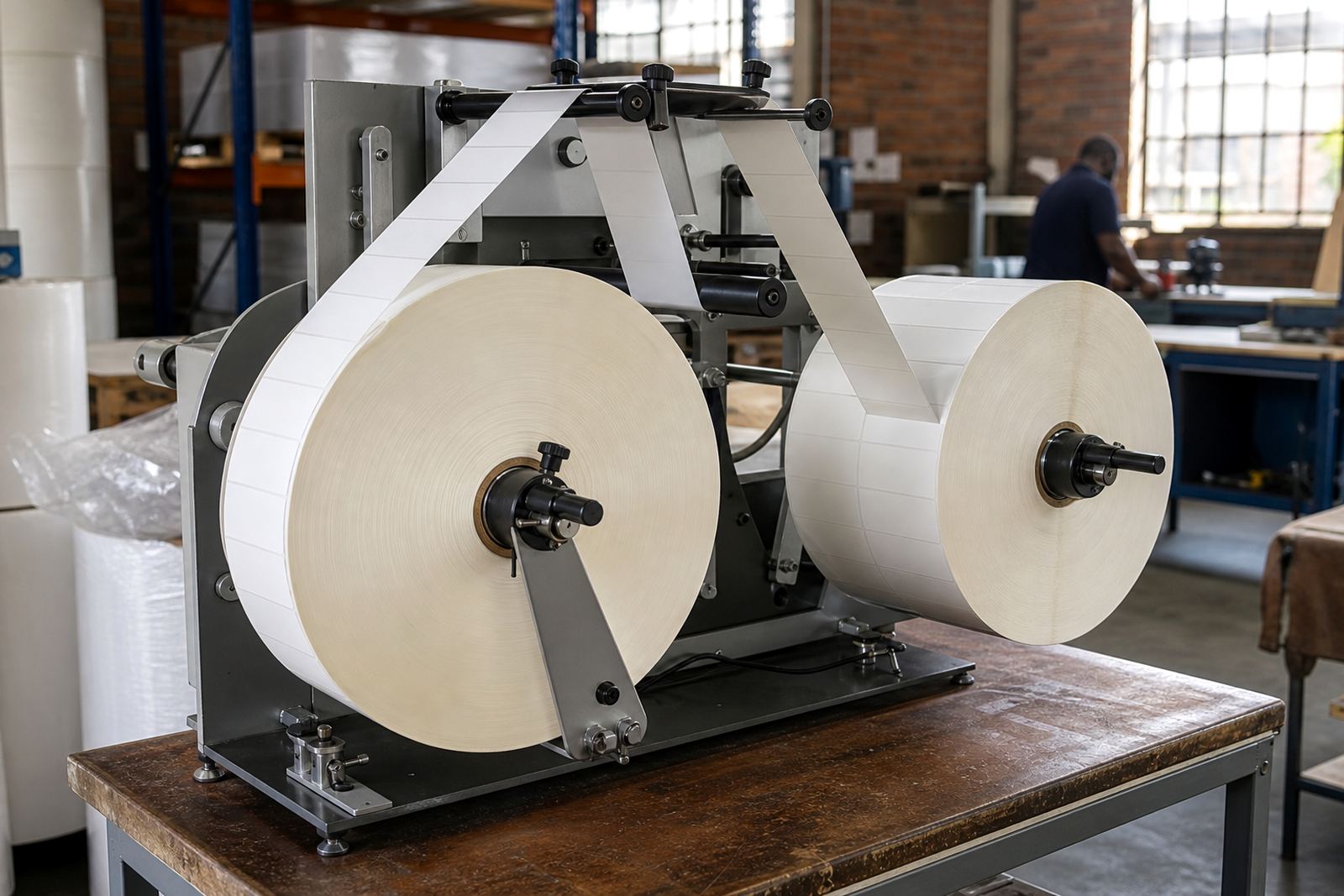
For manufacturing and warehouse work, the liner can also influence how easy it is to rewind finished rolls, sort duplicate runs and keep batches tidy. If you are running multiple SKUs through the same printer, a sensible liner choice can reduce setup issues and make repeat order planning more predictable. Small changes in liner thickness or release can affect the feel of the whole roll.
- For retail, prioritise easy peel and clean presentation.
- For logistics, prioritise feed stability and barcoding consistency.
- For packing rooms, prioritise roll handling and tidy rewind.
- For humid stores or coastal depots, check storage conditions and curl behaviour.
A quick checklist before you approve the roll spec
Before a roll goes to print, slitting or dispatch, it helps to run through a short checklist. This keeps the liner choice aligned with the adhesive, face stock and printer type. It also reduces surprise issues after delivery, especially when the stock needs to move between Westmead, Pinetown and sites in other provinces.
Use these checks as a practical sign-off. They do not replace a proper sample roll, but they help you catch the main mismatches early. If your labels are for coded packs, cartons or shelf stock, the right liner can make the rest of the job run more smoothly.
- What printer or applicator will use the roll?
- Is the label hand applied or machine applied?
- Do you need paper liner or film liner?
- What core size and roll diameter will fit the machine?
- Does the winding direction match the feed path?
- Will the roll sit in storage before use, and for how long?
- Do you need sample rolls before a full run?