When a plain paper face stock is the right call
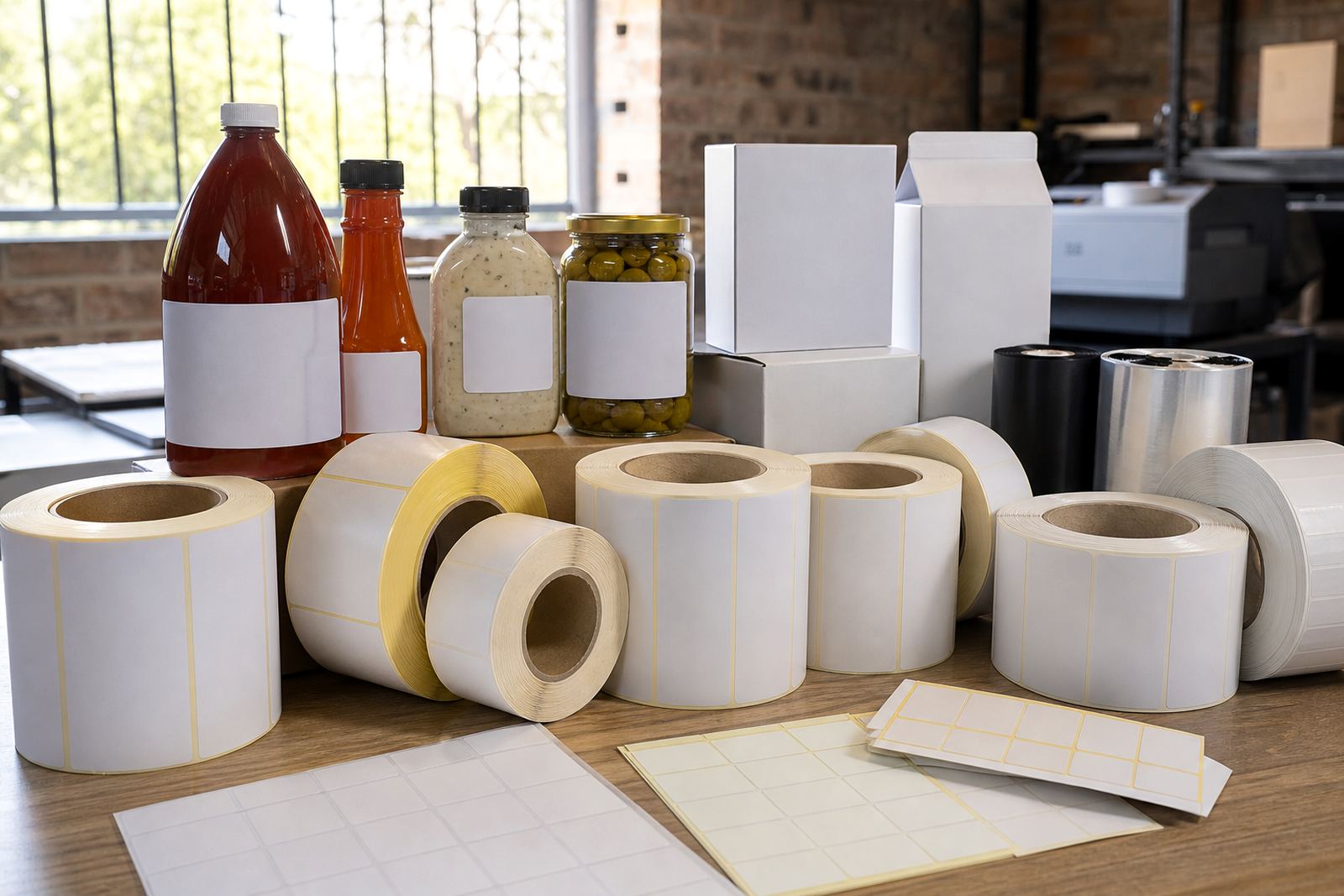
Uncoated label stock is often the quiet workhorse in a warehouse or packing room. It has no glossy coating, so the surface takes print readily and gives a matte finish that reads well under fluorescent lights, in storerooms and on shelving. For many businesses in Westmead, Durban or Johannesburg, that is enough.
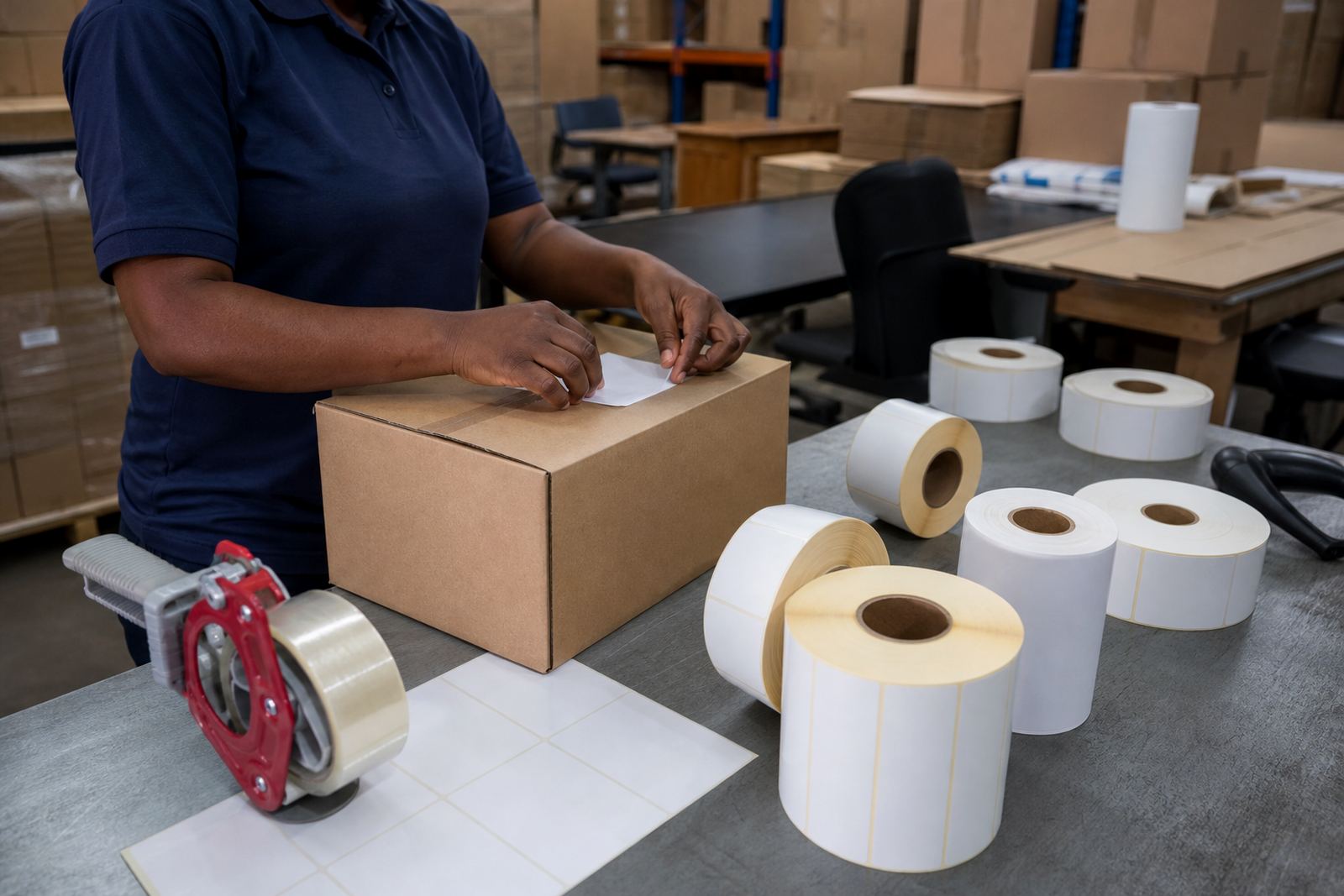
It is a practical choice when the label does not need to survive rain, direct sun or heavy rubbing for months on end. If the product is moving quickly through packing, dispatch or internal storage, an uncoated face stock can be a sensible fit because it is easy to print, easy to write on by hand and usually more economical than coated alternatives.
- Carton identification and internal stock labels
- Delivery notes, tote labels and picking labels
- Retail shelf tags for dry indoor areas
- Short run packaging labels for sealed packs
Adhesive choices that matter more than the paper
With uncoated stock, the adhesive matters just as much as the face paper. A general purpose permanent adhesive works for many cartons, sleeves and retail packs. If the label must be removed later, a removable adhesive is often better, though it depends on the surface and how long the label stays on.
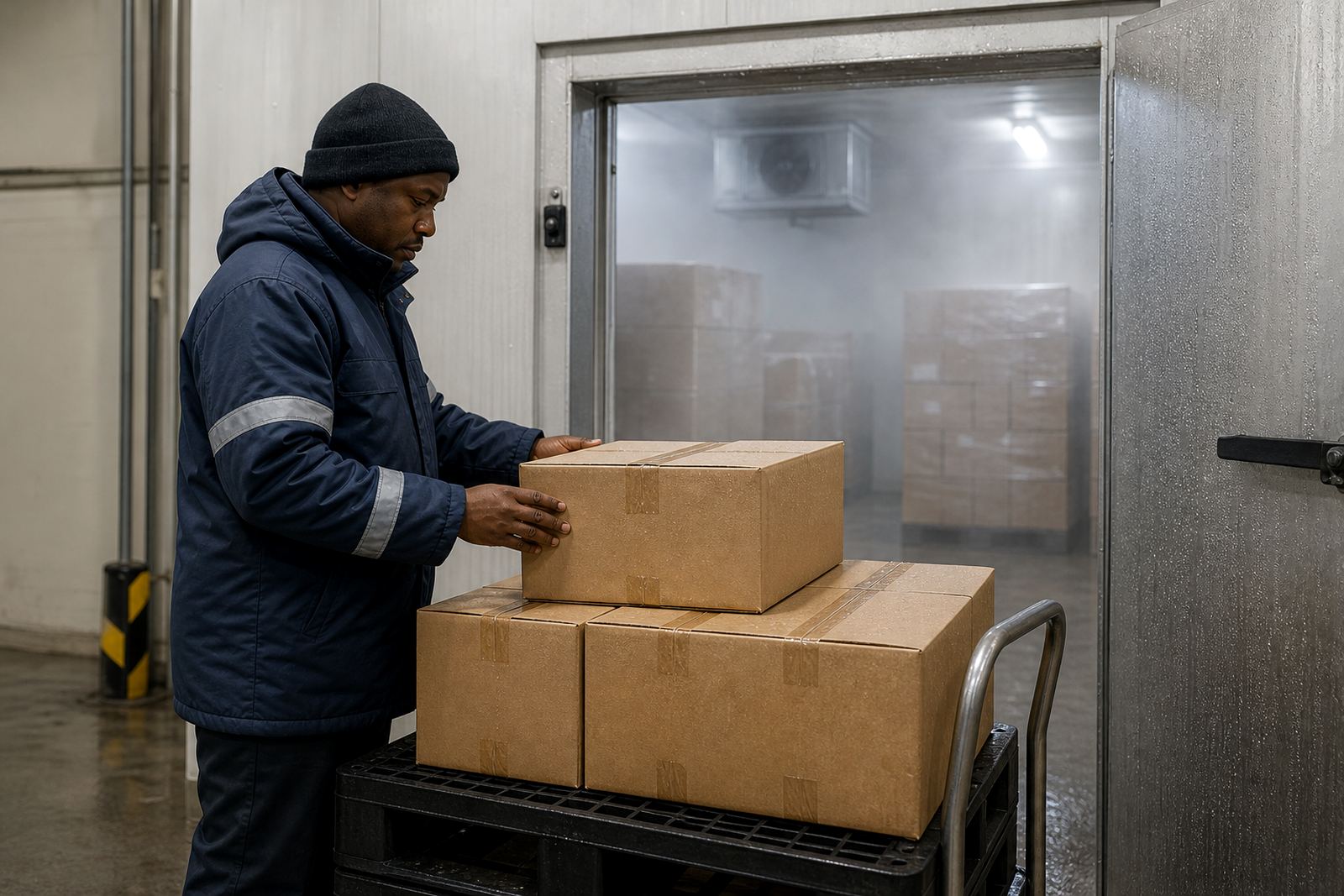
In humid coastal conditions around Durban and Pietermaritzburg, or in stores where packaging gets handled often, adhesive selection can make the difference between a label staying put and one lifting at the edges. Dusty cartons, chilled goods and recycled board all affect grip, so it is worth matching the adhesive to the surface instead of using one roll for every job.
- Permanent adhesive for cartons, drums and sealed packs
- Removable adhesive for temporary pricing or returns handling
- Freezer aware options for chilled logistics, subject to the exact surface and application temperature
- High tack options for textured or slightly dusty board
Direct thermal or thermal transfer, and why the choice changes the result
Uncoated labels can be printed in different ways, and the printer method shapes the finish. Direct thermal labels are made for printers that apply heat straight to the label face, so there is no ribbon. They are handy for short term use such as dispatch, barcodes, parcel routing and shelf marking. The print is clear, but it can fade faster with heat, friction or sunlight.
Thermal transfer labels use a ribbon, which transfers print onto the label surface. That gives better resistance for longer use, especially when the label may face handling, storage or mixed conditions. For uncoated paper stock, thermal transfer is often the better choice where the label must stay legible beyond the immediate job.
- Direct thermal for short life labelling and fast turnaround
- Thermal transfer for longer lasting print and better abrasion resistance
- Label face stock should suit the ribbon type and printer settings
- Printer fit checks help avoid wasted rolls and poor print quality
Core sizes, roll direction and printer fit are not small details
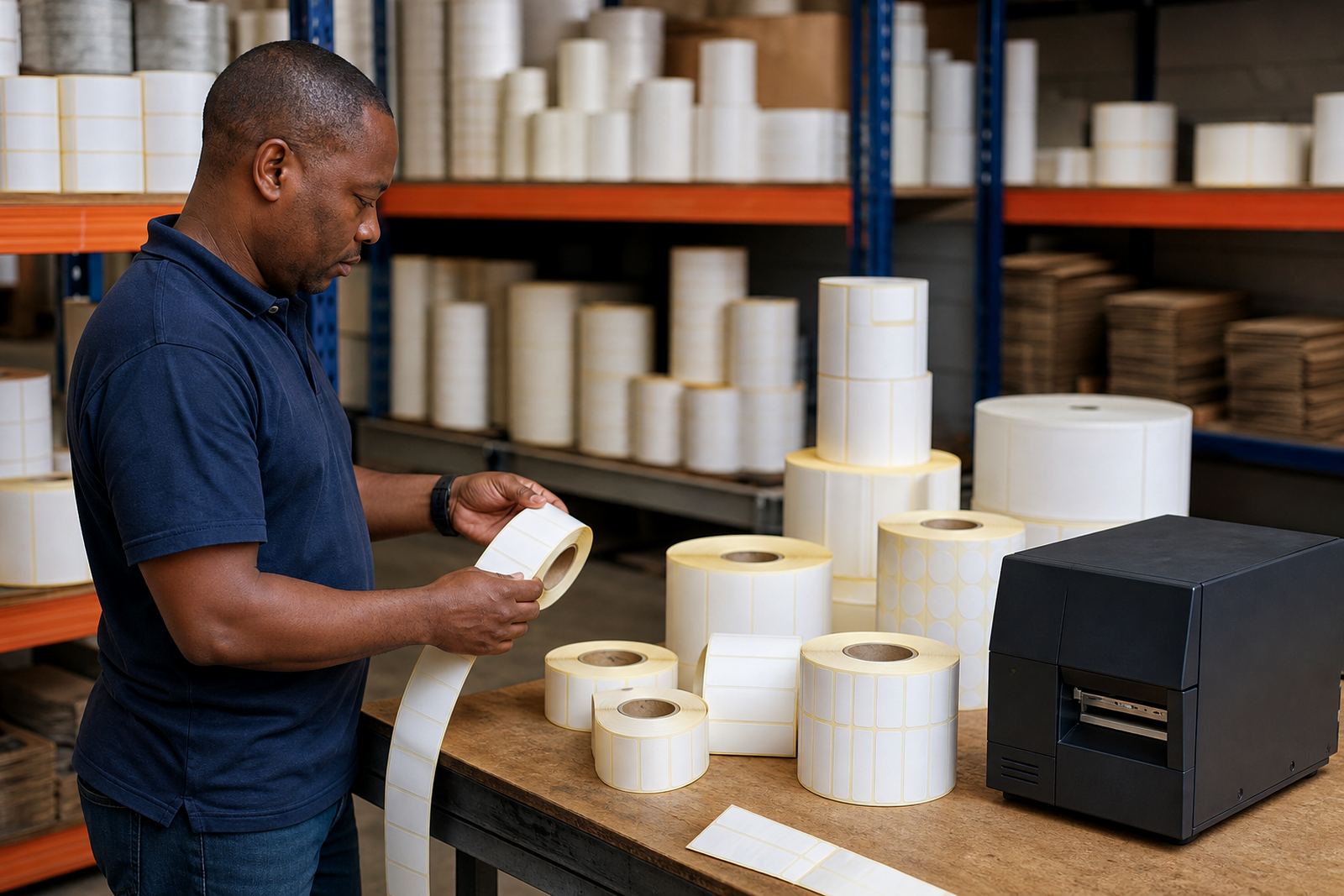
Even when the label itself is plain paper, the roll spec must suit the printer. Core size, outer roll diameter, winding direction and gap or black mark sensing all affect whether a roll runs smoothly or causes feed issues. In a busy packing line, a roll that fits badly can slow dispatch more than a more expensive label ever would.
Benchtop printers, industrial printers and compact label units often need different core sizes and roll dimensions. That is why planning matters for shops, depots and factories from Pinetown to Cape Town. A roll that seems fine on paper may still need slitting or rewinding to match the printer bay, spindle and sensor setup.
- Common core sizes vary by printer and application
- Winding direction must match the printer path
- Roll length planning helps with fewer changeovers
- Sample rolls are useful before a full order is run
Where uncoated labels make everyday sense in South African operations
There are many jobs where an uncoated paper label is still the sensible option. It suits dry goods, boxed items, warehouse shelves and internal handling where the label is mostly there to organise stock or carry basic product information. It also works well where a plain finish is preferred and there is no need for a glossy look.
A typical local example is a wholesaler in Hammarsdale packing cartons for distribution to Gauteng and the Western Cape. The cartons may be handled several times, then stored under cover. In that setting, an uncoated label with the right adhesive and printer match can do the job without paying for features that are not needed.
- Box labelling in warehouses and distribution centres
- Simple product identification for dry indoor stock
- Handwritten batch notes or date marking
- Short term retail or promotional labels
Where uncoated stock starts to fall short
Uncoated paper is not the answer for every label. If the product will be exposed to moisture, oil, sunlight or rough handling, a different face stock may be more suitable. The same applies where the print must stay sharp for a long time on chilled or coastal shipments, or where packaging gets wiped down during use.
It is also worth thinking about the label surface itself. A rough carton or uneven pack may need a stronger adhesive, while a clean flat surface can manage with a standard permanent grade. Choosing correctly saves time on reprints, rework and labels lifting off during transit.
- Outdoor exposure usually needs a more durable material
- Cold rooms and humid areas can affect adhesion and print life
- Greasy or textured surfaces need careful adhesive matching
- Long storage periods may call for a more durable face stock
Setting the order up for repeat supply
For businesses that order labels regularly, the best outcome is usually the one that keeps printing and packing predictable. That means agreeing on the face stock, adhesive, core size, winding direction and roll length so the same job can be repeated without surprises.
At Label Paper in Westmead, Pinetown, the aim is to keep that decision practical. A plain uncoated label can be the right fit when the application is straightforward, the environment is controlled and the print life requirement is modest. The trick is matching the roll to the real job, not to a general assumption about what labels should do.