Why the top coat changes the print on paper
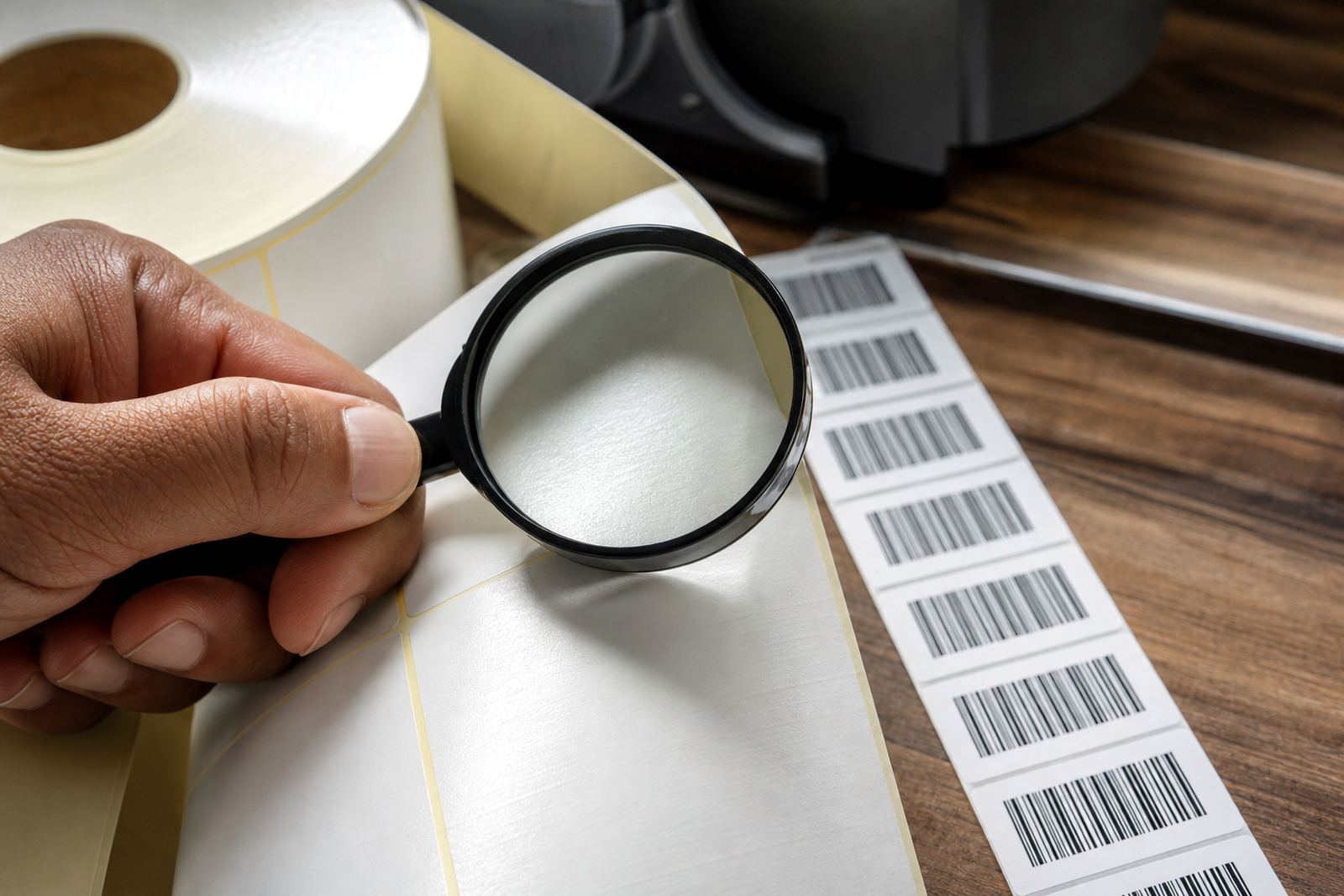
Top coated paper has a prepared surface layer over the face stock that helps the ribbon release more evenly during thermal transfer printing. That gives the print a more settled look, with less spreading at the edges of text and better definition on barcodes, batch codes and ingredient lines.
On uncoated paper, the ribbon can sit a little more unevenly on the surface. That is fine for some short term jobs, but when a client needs neater black print for dispatch labels or product identification, the top coat gives the printer a better surface to work with. It is not magic, but it does help the image stay consistent when the label size is small or the artwork carries a lot of detail.
For many South African sites, the choice is practical. A pack house in Pietermaritzburg may need labels that stay legible in cool storage, while a distribution site in Johannesburg may need crisp scan quality after the cartons have been moved around a few times. Top coated face stock can support both of those conditions when matched properly to the adhesive and liner.
When thermal transfer needs a cleaner finish
Thermal transfer printing is often chosen where the label must last longer than a direct thermal print. That can include stock labels, shelf labels, carton panels, shipping labels and product wrap tags. If the print has to survive rubbing, handling, light moisture or a bit of heat, the right paper face stock matters.
Top coated paper is often a better fit when you need:
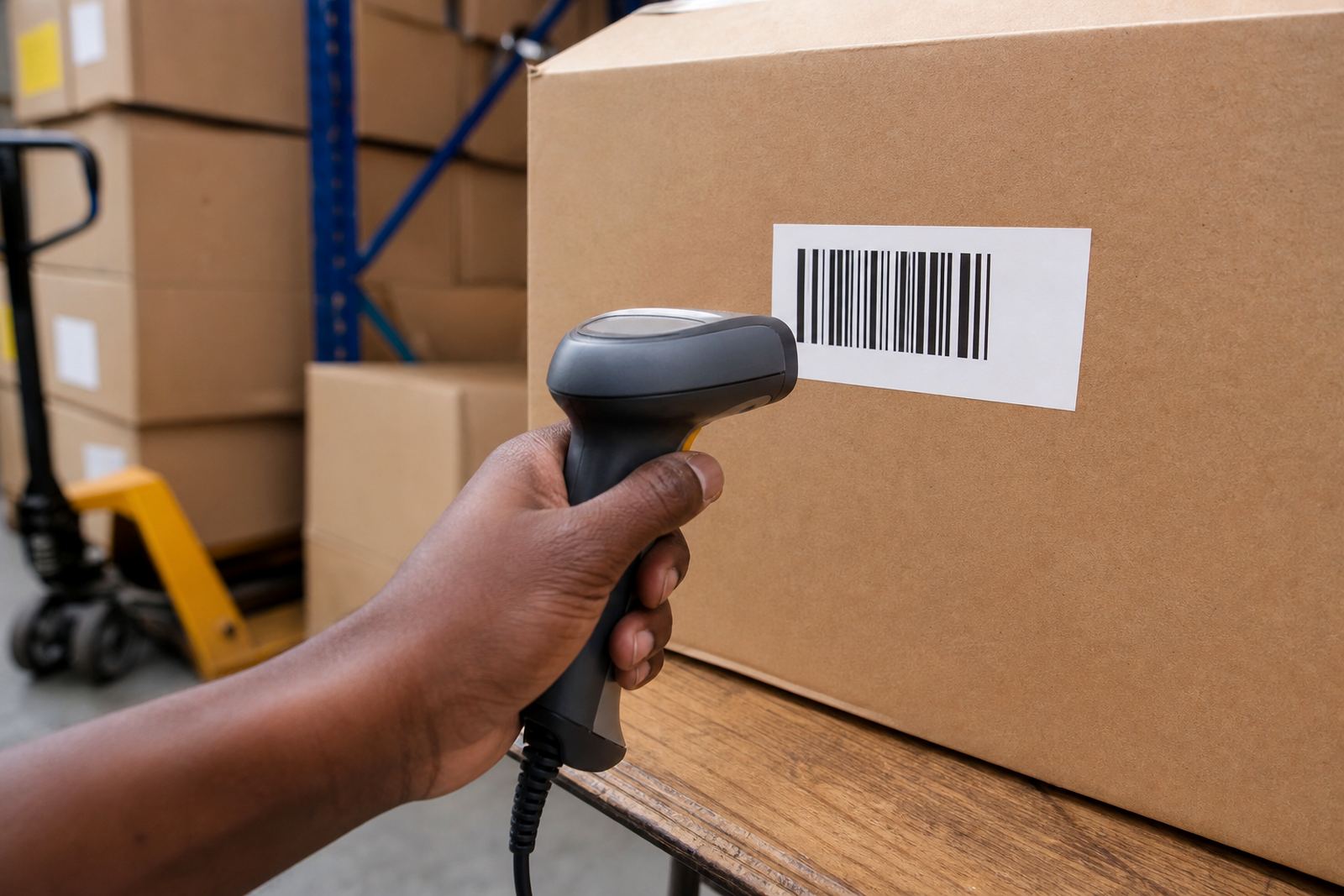
- Sharper barcodes that scan cleanly after packing and sorting
- Small text that remains readable on a narrow label face
- Better ribbon release for solid blacks and cleaner logos
- More even print coverage on long runs
- A neater finish for retail presentation or internal traceability
In practice, it is about matching the job to the finish. A plain paper label may work on a short life carton, but a top coated grade can give more control where the print has to look tidy on the shelf or stay readable through a longer delivery cycle.
Where top coated paper earns its place
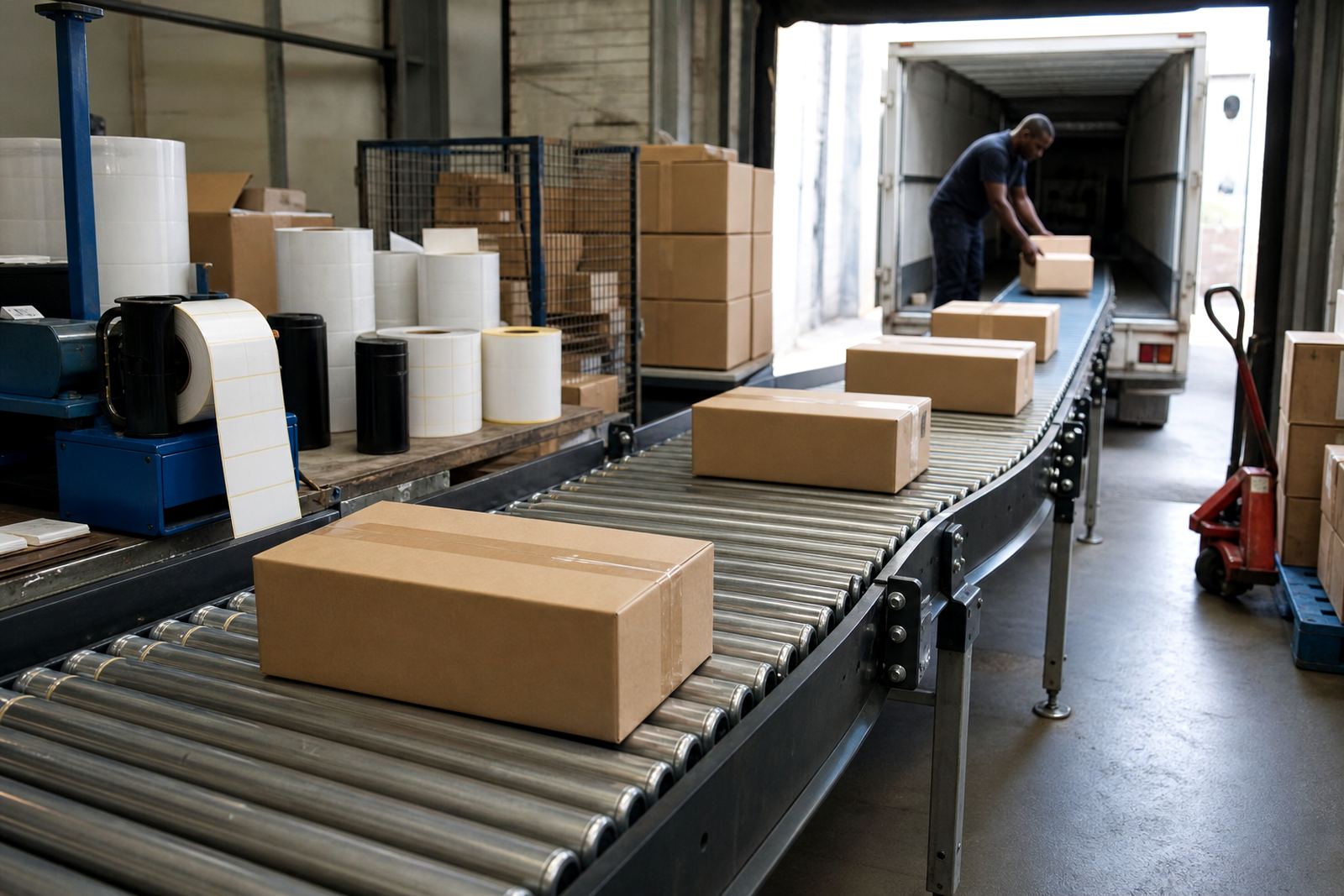
Top coated label stock is useful across a wide mix of business tasks. Retailers use it for price labels, stock rotation and carton ID. Warehouses use it for picking labels, bin markers and outbound parcel markings. Manufacturers may use it for batch identification, product sealing and internal process labels.
It is especially useful where the label is exposed to repeated touching. Staff on a loading bay in Durban might handle the same carton more than once before it leaves the site, and a smoother printed finish can help the code stay readable through that handling. In coastal areas the air can carry more moisture, so a well matched paper face stock and adhesive can help the label settle better on the pack.
- Carton and case labelling
- Retail shelf and price labels
- Dispatch and waybill labels
- Warehouse location and bin labels
- Product identification and traceability labels
Top coating does not replace the need for a suitable adhesive or a proper printer setting, but it gives the job a better base. When the label must present neatly and scan first time, that extra surface preparation can be worth it.
Matching the face stock to the adhesive and liner
A good thermal transfer label is not only about the printed side. The adhesive and liner have to suit the surface, the temperature and the speed of application. Paper labels used on cartons, plastic punnets, bags or wrapped trays may need different adhesive behaviour, even if the face stock looks similar.
For rough carton board a stronger general purpose adhesive may be enough. For chilled goods, a tackier option may help the label grip better. For packaging that sees dust or light oil, the adhesive choice can matter just as much as the face stock. We also look at liner thickness and release so the labels run cleanly through the printer and rewind neatly after converting.
Core size matters too. Smaller benchtop printers often take 25 mm or 40 mm cores, while larger industrial units may use bigger rolls for longer runs. If the roll build is wrong, even a good top coated stock can cause feeding trouble. That is why printer fit checks, winding direction and roll length planning all sit together in the same order review.
A Westmead example from a mixed packing floor
A packing site in the Westmead area handling mixed retail cartons needed labels that stayed sharp after printing and did not smudge when staff stacked the boxes straight away. The job ran on a thermal transfer printer, and the first trial on a basic paper face stock showed a few faint bars on the barcode and some light feathering on the smaller type.
After switching to top coated paper with the correct ribbon match, the print settled better and the barcode read more cleanly across the batch. The team also adjusted the roll width and core size so the printer fed more evenly. That meant less stopping, fewer reprints and less waste on the floor. It was a straightforward change, but it saved time every shift.
That kind of result is common when the label has more than one job to do. It must print well, look tidy and hold up during handling.
Picking the right roll build before you order
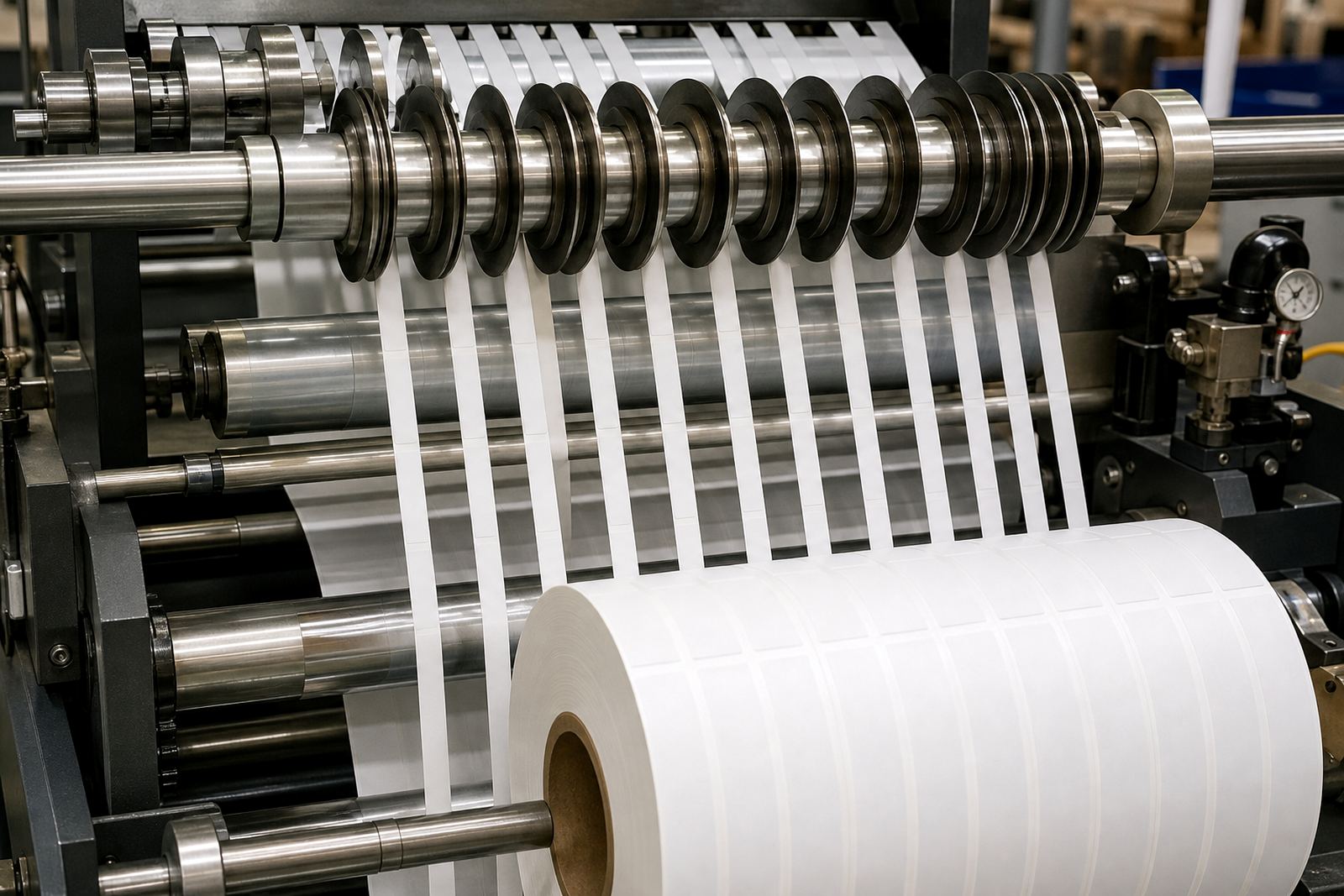
Before a thermal transfer roll is made up, the roll build needs to suit the printer and the way the labels will be used. That includes width, length, core size, outside diameter, gap or black mark sensing and winding direction. If those details are off, the print can still look fine on paper but the line will slow down once production starts.
Some useful checks are:
- Confirm the printer model and the core size it accepts
- Measure the label width and the printable area needed
- Check whether the printer uses gap sensing or black mark sensing
- Match the ribbon grade to the top coated face stock
- Confirm whether the labels need to face out or face in on the roll
When the build is planned properly, the label stock feeds cleanly, the ribbon transfers evenly and the final print holds its shape. That is what makes top coated paper useful in day to day operations, not just on a sample test.