Why shorter rolls earn their keep on busy lines
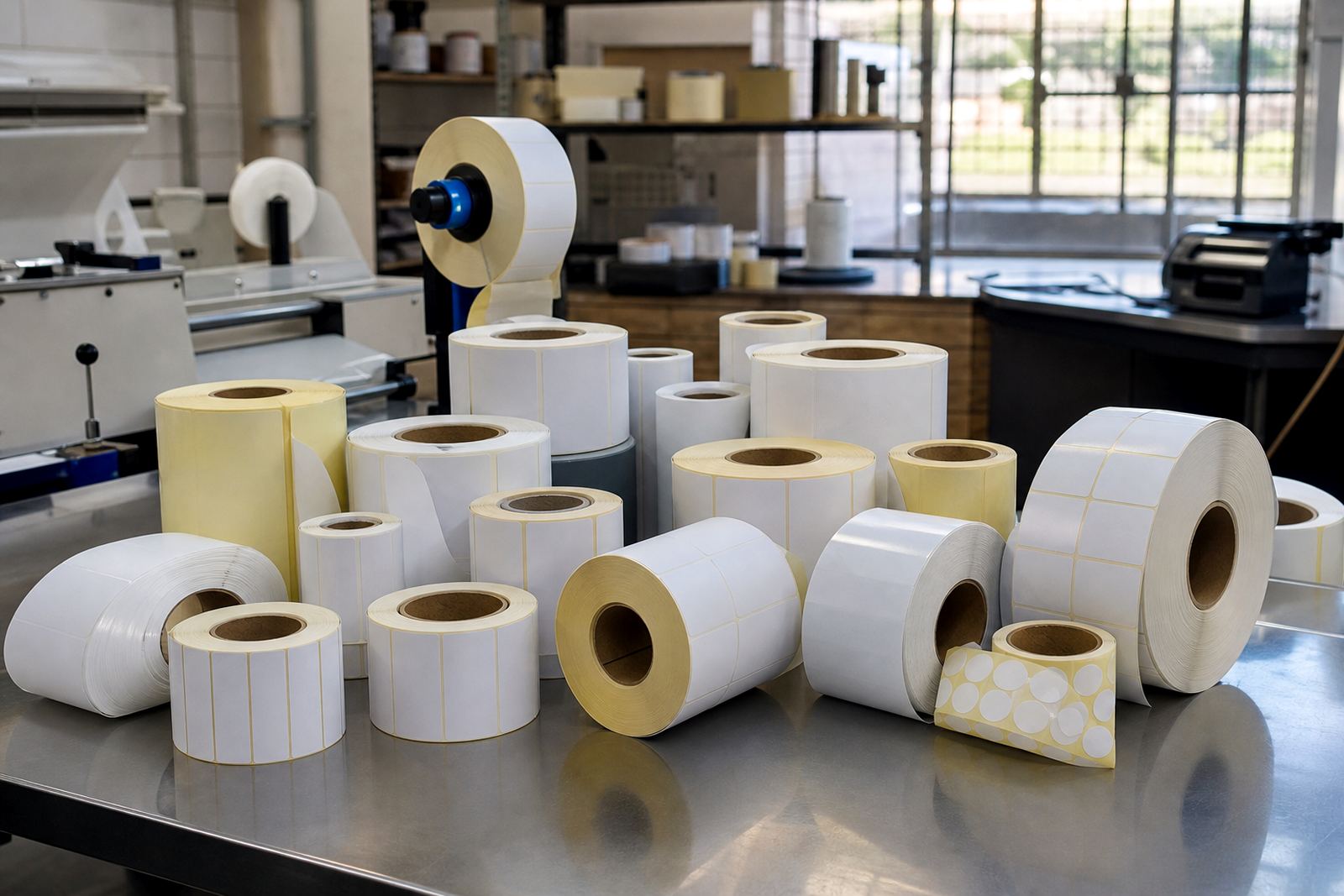
Short run label rolls are practical when a line does not run the same product every day. If you are launching a new pack size, testing a seasonal item, or handling mixed batches for retail and logistics, a shorter roll can be easier to manage than a large one that sits in store for months. It reduces the chance of damage, dust build-up and curling, especially in coastal areas like Durban where humidity can affect label edges.
They also help when labour is stretched. A lighter roll is easier to lift, thread and replace, which matters on a packing table or in a small production area.
Testing a label before you commit to full volume
When a new product is being introduced, it is sensible to test the label first. A sample roll or a short production length lets you check print quality, adhesion and finish before ordering larger quantities. That is especially useful if you are comparing face stocks for gloss, matt, synthetic or paper surfaces, or if the label must survive handling, fridge storage or transport vibration.
- Check how the label feeds through your printer.
- Confirm that the adhesive grips on the actual pack surface.
- Look at print darkness, barcode contrast and edge lift after application.
- Make sure the core size and winding direction suit the machine setting.
For small manufacturers in Pietermaritzburg or Hammarsdale, this step can prevent wasted product and rework. A short run gives you a proper test without tying up storage space with excess stock.
Shorter lengths for frequent changeovers and mixed SKUs
Retailers, packers and logistics teams often handle many stock keeping units in one day. When the line changes often, shorter rolls make those changeovers less awkward. You can finish one job, move to the next and avoid cutting off half-used material that gets damaged in the bin. That is real value when the team is working to tight dispatch times and the job list keeps moving.
Shorter rolls are also helpful where label content changes often, such as batch numbers, expiry dates, weights or customer references. If the same printer is used for several products, it is easier to keep the right roll on the right job. There is less confusion at the machine, and less chance of using a roll that does not match the adhesive or release liner required.
The practical bits that matter most
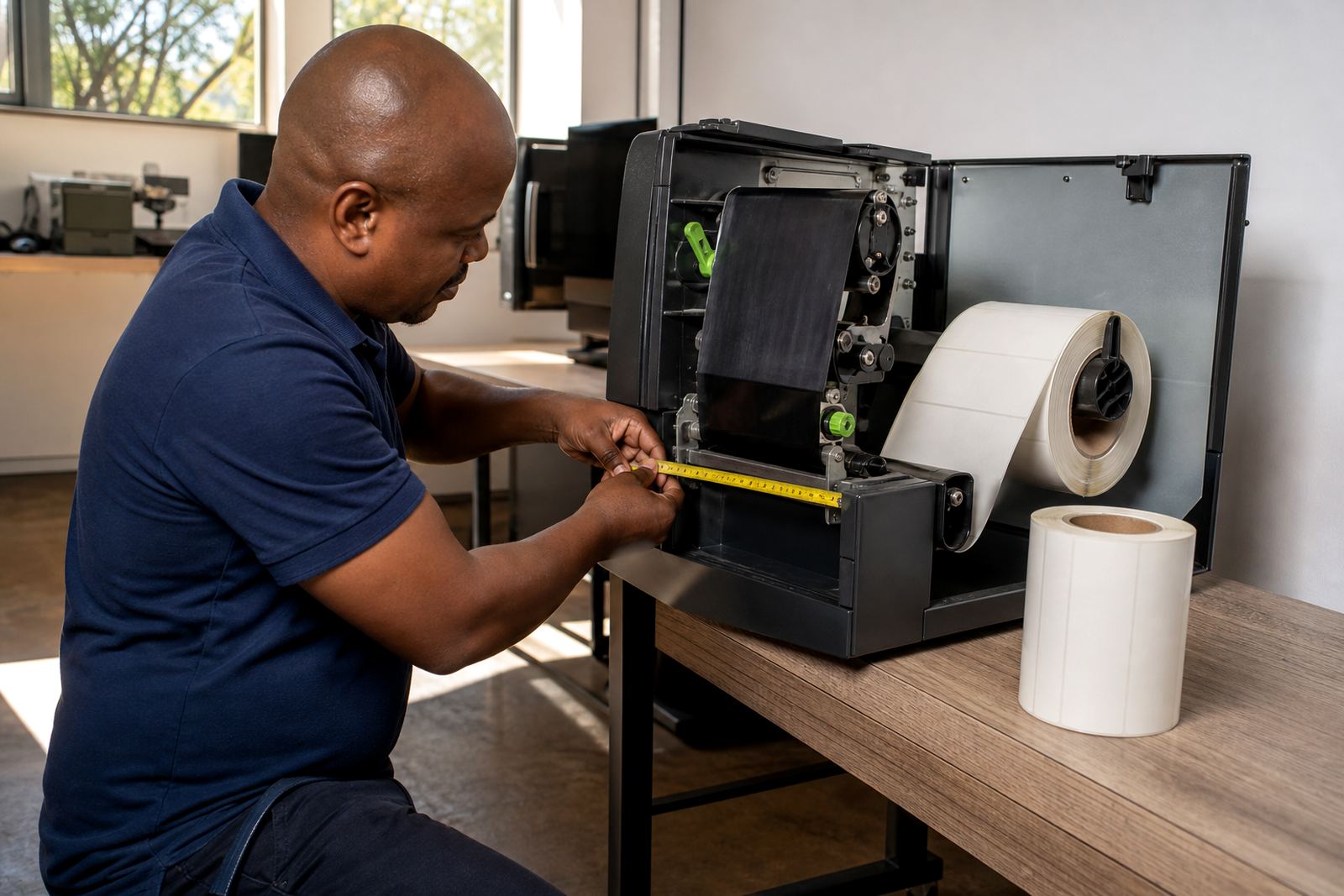
Not every short roll is the same. The way the roll is wound, the core size and the number of labels per roll all affect how it performs on your printer. A benchtop unit, a small bench printer or an industrial machine may each need a different core and roll diameter. If the setup is wrong, the roll can wobble, feed badly or stop the print job halfway through.
We usually look at the whole job, not only the label face stock. That means the adhesive strength, liner type, release behaviour and label size all need to match the pack and the printer. For frozen goods, dusty cartons or smooth plastic tubs, the correct adhesive makes more difference than people expect.
- Paper face stock suits general packaging and retail use.
- Synthetic face stock is better where moisture and handling are a concern.
- Permanent adhesive is useful for long-term application.
- Removable or freezer-grade options may suit special applications, depending on the pack surface.
Short runs can lower waste in real production spaces
Small and medium operations do not always have the luxury of large storage rooms. A shorter roll means less shelf space, less chance of old stock being pushed to the back and less material being written off if a label artwork changes. That is useful in Westmead, where many businesses work from compact stores and dispatch areas and need stock to move quickly.
There is also less risk of opening a big roll only to find the job changes before it is finished. With short runs, you can match quantity more closely to demand. That can help when a client wants a limited batch, a trial pack or a short production cycle for a market test in Durban, Johannesburg or Cape Town. It just keeps the job cleaner, no fuss.
A Pinetown example that makes the point
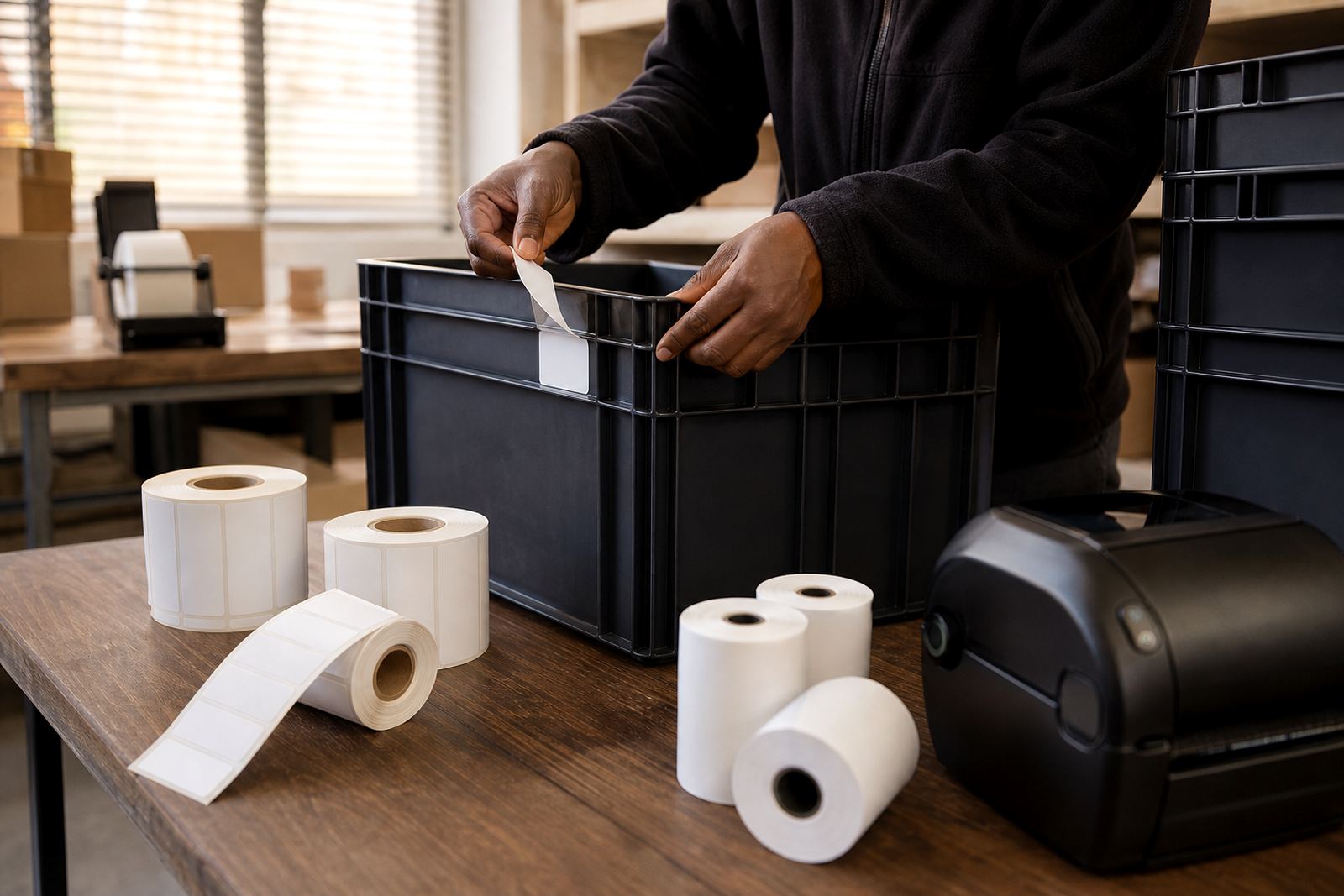
A local food packer in the Pinetown area may run one product for a supermarket order, then switch to a smaller batch for a deli chain the next day. If the label artwork changes for each pack size, a short roll is easier to manage than a long one. The team can load the machine, finish the job and move on without storing half-used material for weeks.
That same packer may need direct thermal rolls for fast, low-duration printing on dispatch labels, and thermal transfer rolls where better durability is required for shelf labels or coded information. The short run approach helps both formats because it reduces downtime and keeps the right roll available for the right task. It is a small change, but it saves time in a place where every hour counts.
When the roll length, core and winding are planned properly, the operator spends less time fiddling at the printer and more time getting orders out the door.
Where short run planning helps most
Short runs are useful wherever there is movement in the product mix, label design or order size. They are not only for tiny businesses. Larger operations use them too when they need trial batches, promotional labels or one-off dispatch requirements. The benefit is control: you order what you can use, and you keep the line moving.
- Trials of new packaging or label artwork.
- Low volume products with irregular demand.
- Frequent line changes and short production windows.
- Sites where storage space is limited.
- Jobs that need different printer setups for different labels.
For South African businesses working across retail, manufacturing and logistics, a shorter roll often fits the way the work actually happens. It gives you room to test, adjust and repeat the order only when the format has been proved on the floor.