Labels that survive a shopping day, not just the first hour
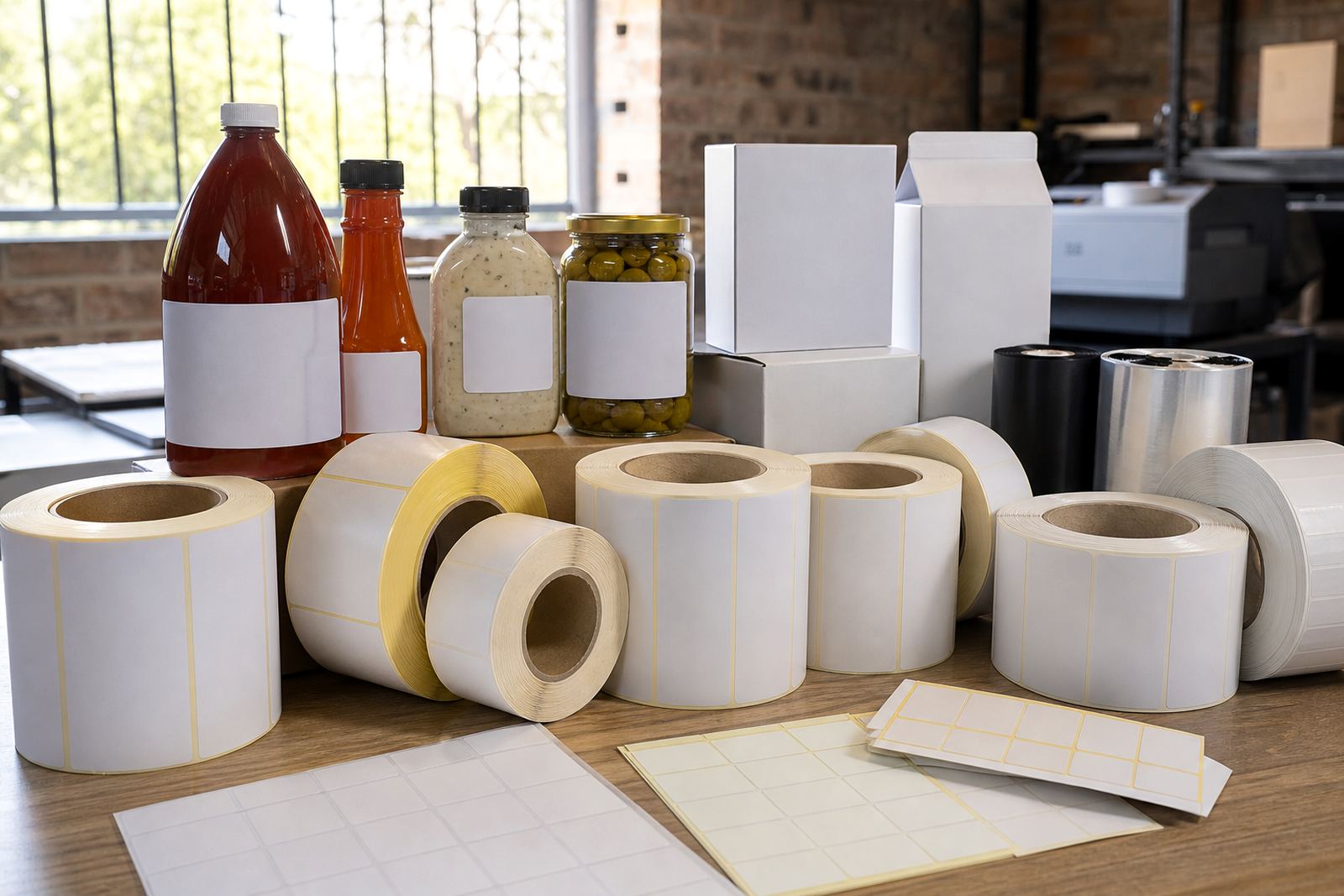
Retail labels get touched, scanned, peeled, restuck and bumped against baskets, shelves and stock trolleys. That means the label has to be matched to the job, not just chosen for size. A price label on a dry boxed product has a very different requirement from a fresh food label in a cold cabinet, and a shelf edge strip has different demands again.
For stores in Westmead, Pinetown and surrounding trading areas, the practical question is usually whether the label must stay put for days, weeks or months. If the stock moves quickly, a clean peel and clear print matter most. If the product sits in a hot storeroom or near a window, heat resistance and adhesive hold matter more. On busy shop floors there is little patience for labels that curl, lift at the corners or leave residue.
Common retail label priorities are:
- clear print contrast for barcodes, prices and product codes
- adhesive strength matched to cardboard, plastic, glass or coated packaging
- sheet or roll format suited to the printer in use
- liner that feeds smoothly without tearing or jamming
- face stock that looks neat on the shelf and stays legible under store lighting
Face stock choices affect the look on shelf
Face stock is the top layer that carries the printed information. In retail, the finish matters because it affects both reading and presentation. A bright white paper face stock is common for prices, shelf labels and barcode labels because it gives strong contrast and prints well. A coated paper stock can give a sharper image and better resistance to scuffing, while a synthetic face stock is used where moisture, cold or handling are a concern.
In a grocery or pharmacy setting, condensation and repeated touching are often the issue. In hardware or clothing retail, the label may need to look clean and neat for longer even if the product is handled often. The right face stock also affects how well a thermal printer image holds up over time. Direct thermal labels are convenient for short term use, but they can darken with heat and fade in sunlight. Thermal transfer printing, using a ribbon, is better where durability matters.
- paper face stock for everyday retail pricing and shelf use
- coated paper for cleaner print and improved scuff resistance
- synthetic face stock for moisture, chill rooms and longer display life
- white face stock for strong barcode and text contrast
That choice may sound small, but it is often the difference between a neat aisle and a shelf full of curled corners and smudged codes.
Adhesive strength must match the product, not the theory
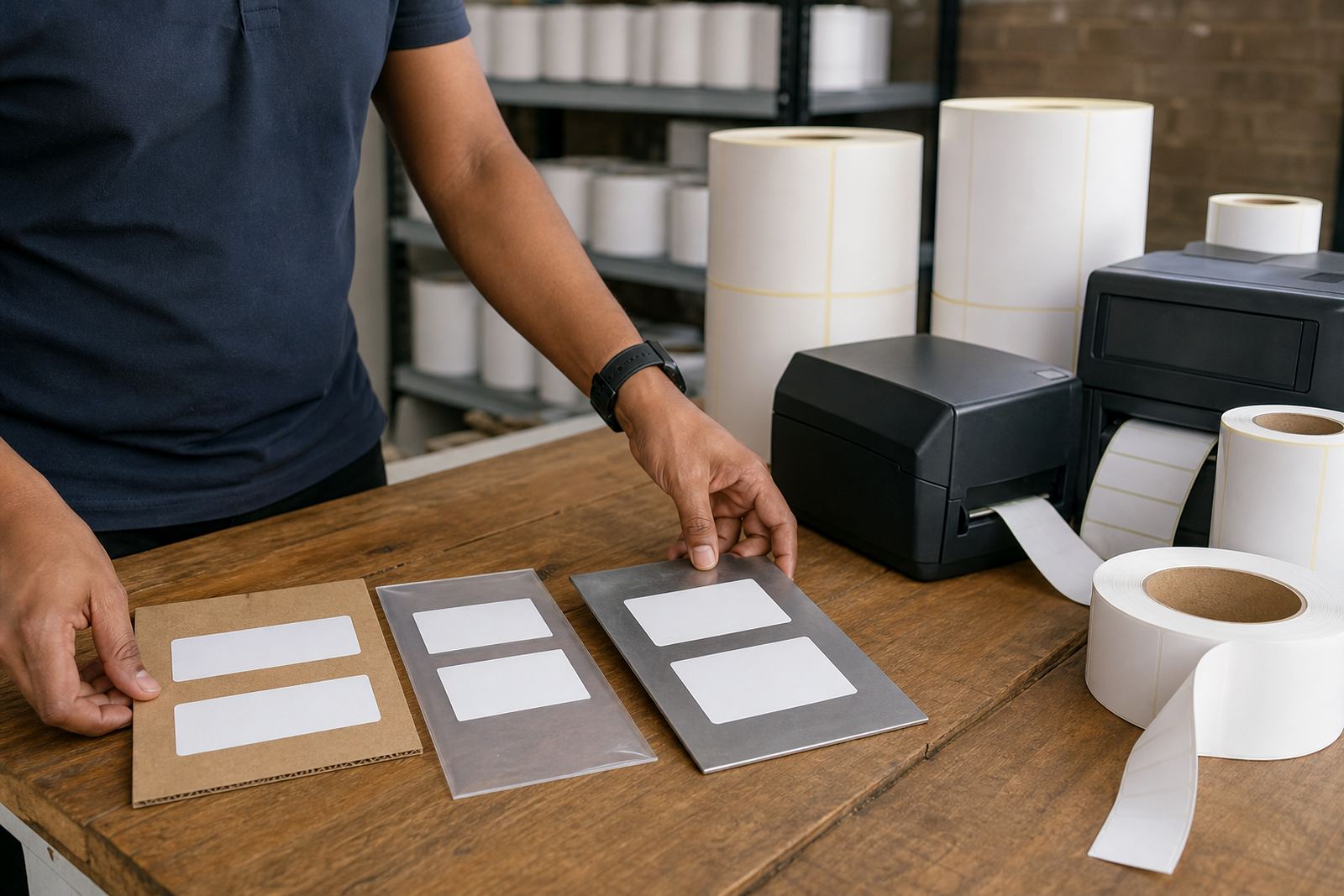
Adhesive choice is where many retail label problems start. A label that sticks well on a corrugated carton may lift on a glossy plastic tub. A label that holds on a dry packet may fail on a cold bottle. The surface, temperature and time on shelf all influence performance. Removable adhesive is useful for promotions, temporary pricing and short term shelf changes. Permanent adhesive is better for product IDs, barcodes and packaging that stays in circulation for longer.
For South African retail conditions, temperature changes can be real, especially when stock moves between an air conditioned shop and a hot delivery area. In coastal places such as Durban and Pinetown, humidity can soften weak adhesive performance. In inland distribution, dusty handling and warm loading areas can also interfere with label bond. That is why adhesive matching is worth doing properly before a full run.
- removable adhesive for short term promotions and temporary shelf marking
- permanent adhesive for cartons, sealed packs and long use labels
- freezer or chill room adhesive for cold-chain retail use
- higher tack adhesive for rough or uneven surfaces
When the adhesive is matched well, staff spend less time reprinting and reapplying, and that saves a surprising amount of time over a month.
Liner and roll construction matter at the till and in the back room
The liner is the backing material the label sits on before application. In retail, a good liner should release cleanly and feed consistently through the printer. If the liner is too weak, it can tear during dispensing. If it is badly wound or the roll length is wrong, staff may get stoppages, wasted labels and frustrated operators. That becomes more noticeable during peak trading, when a printer jam slows down shelf prep or receiving.
Roll length planning and winding direction are not glamorous details, but they make a difference. A store using frequent small batches may prefer shorter rolls for easier handling, while a central warehouse can benefit from longer rolls to cut changeovers. Core size matters too. Many benchtop label printers use smaller cores, while larger industrial units need different core sizes and outer roll diameters. Printer fit checks help avoid the common problem of a roll that looks right but does not feed correctly.
Practical roll points to check:
- core size suited to the printer spindle and holder
- winding direction matched to print head and feed path
- roll length planned for batch size and shift routine
- dispense format that suits hand application or machine application
For a store in Pietermaritzburg handling weekly promotions, the best roll is not always the biggest one. It is the one that keeps moving through the printer without trouble.
Direct thermal or thermal transfer depends on how long the label must last
Retail teams often ask whether direct thermal or thermal transfer is better. The answer depends on use. Direct thermal labels print without a ribbon and are efficient for short term pricing, dispatch or temporary stock marking. They are useful where labels are replaced often and where the printed information does not need to stay perfect for months. Thermal transfer uses a ribbon to create a tougher image, which is better for longer life, abrasion and more demanding environments.
For shelf labels, both methods can work. If the label will sit under bright lights, near heat or in a cool room, thermal transfer usually gives more staying power. If the label is for a short retail cycle or fast moving special, direct thermal may be enough. The printer model, ribbon type and label face stock all need to line up. A label that works on one machine may not suit another if the settings or roll format differ.
Useful checks before choosing print method:
- how long the label must remain readable
- whether the label will face heat, moisture or sunlight
- what printer type is already in the store or warehouse
- whether barcode readability must stay stable during the full shelf life
That kind of planning avoids reprints, especially when a store has more than one outlet and wants the same label standard across sites.
A local example from shelf prep to the receiving bay
A common retail setup in the Westmead and Pinetown area is a distributor sending stock to several stores across Durban, Johannesburg, Cape Town, Pretoria and Pietermaritzburg. The receiving team wants labels that scan quickly, peel cleanly and stay put on cartons. The shelf team wants clear prices, neat presentation and labels that do not curl in the heat of a storeroom or lift after a few hours on a chilled shelf.
In that kind of operation, one label specification rarely suits every use. Carton labels may need stronger adhesive and a paper face stock that prints well on transfer ribbon. Shelf edge labels may need cleaner release and a format that fits the in-store printer. Promotional labels may need to be removed without damaging the shelf edge strip. Sample rolls and usage review help confirm which combination works before a larger run is planned.
What usually helps in practice is a short check on the actual surface, the actual printer and the actual shelf life. Once those are matched, retail labels stop being a recurring irritation and become just another part of the stock flow.
How Label Paper supports store labelling decisions
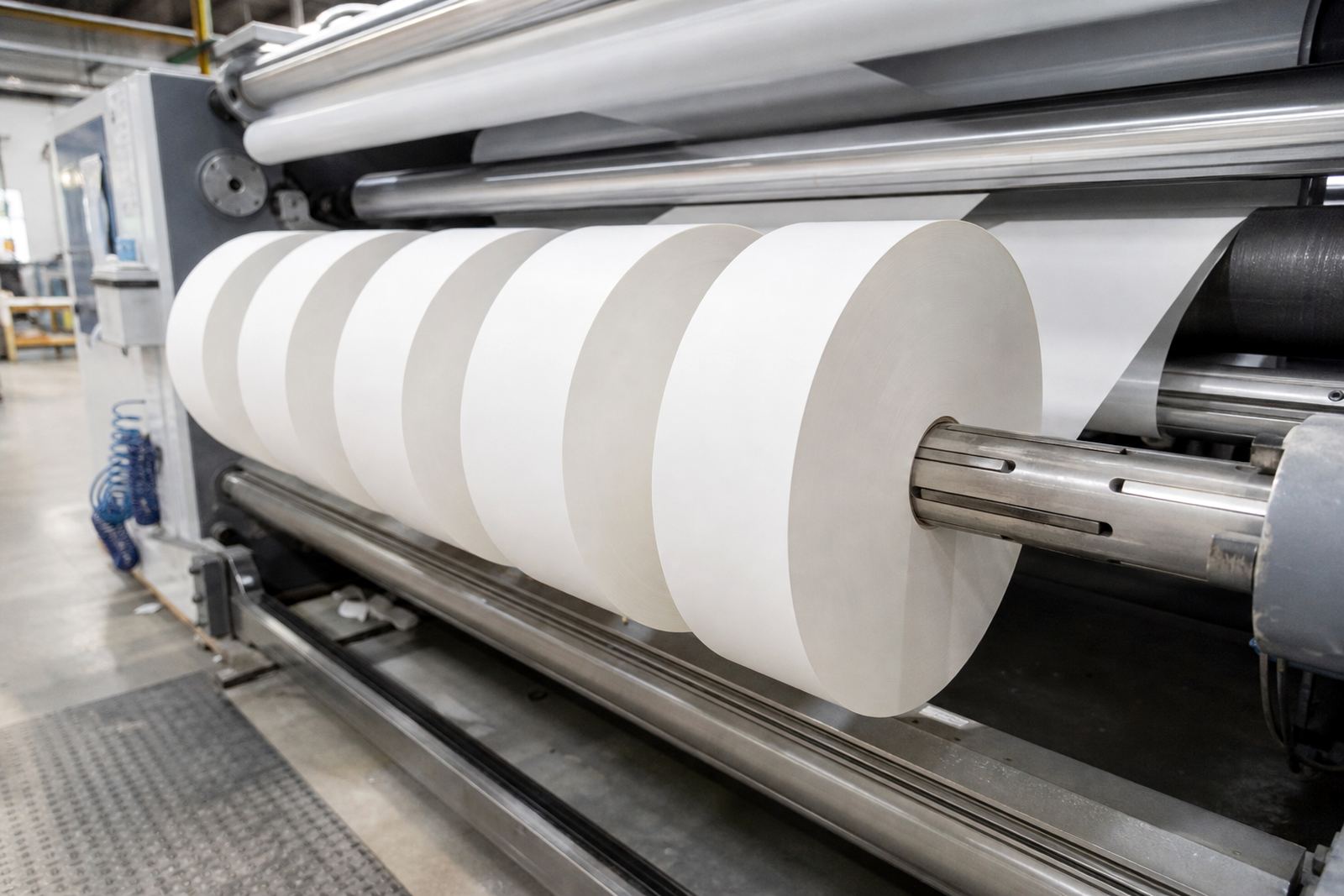
Label Paper works with self-adhesive label stock and thermal rolls for packaging, retail and logistics across South Africa, with supply into Durban, Johannesburg, Cape Town, Pretoria and Pietermaritzburg from Westmead, Pinetown. The useful part is not just the stock itself, but the planning around it. Custom slitting, rewinding, core sizing, roll length planning and winding direction all help make the labels fit the printer and the workflow.
For retail customers, services such as adhesive matching, face stock selection, printer fit checks, sample rolls, dispatch packing, repeat order planning and usage review help reduce waste and keep ordering steady.The aim is straightforward: labels that print properly, apply cleanly and suit the way your team actually works.
Enquiries are handled through the enquiry form on the contact page, which keeps the process neat for first orders, reorders and format checks.