When the roll keeps going, the line keeps moving
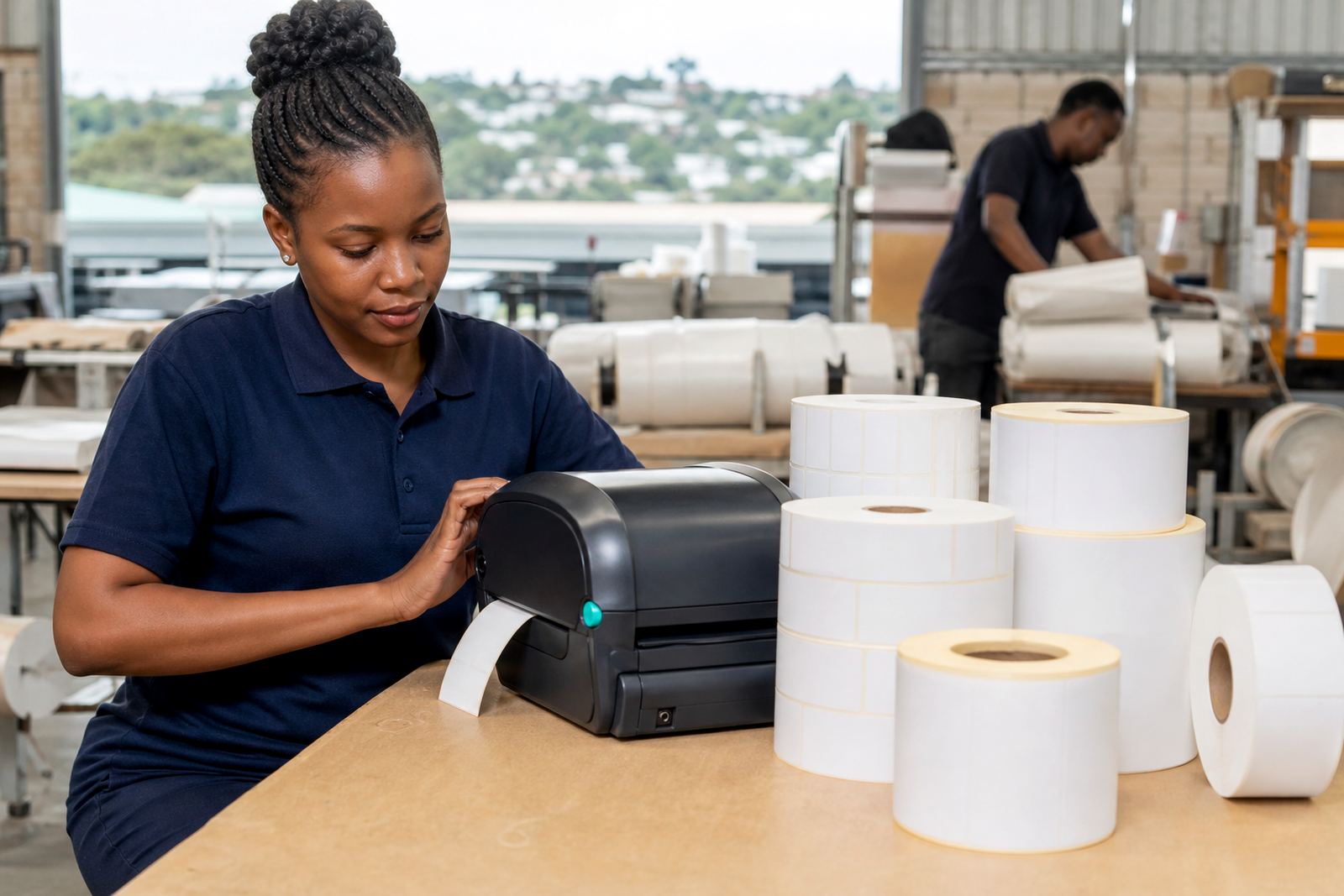
In packing rooms, dispatch areas and small print rooms, interruptions often start with a roll running out at the wrong moment. A longer label roll can reduce those stops, which matters when the same label is used all day on cartons, pouches or sealed packs. If the job runs in bursts, a smaller roll may be better. If the job is steady, a longer roll usually gives better flow and fewer handovers between operators.
The main benefit is not just convenience. It is the time saved each time someone has to open the printer, remove a short core and load a new roll.One less changeover can mean one less delay, and sometimes thats all a shift needs to stay on track.
Where longer rolls earn their keep
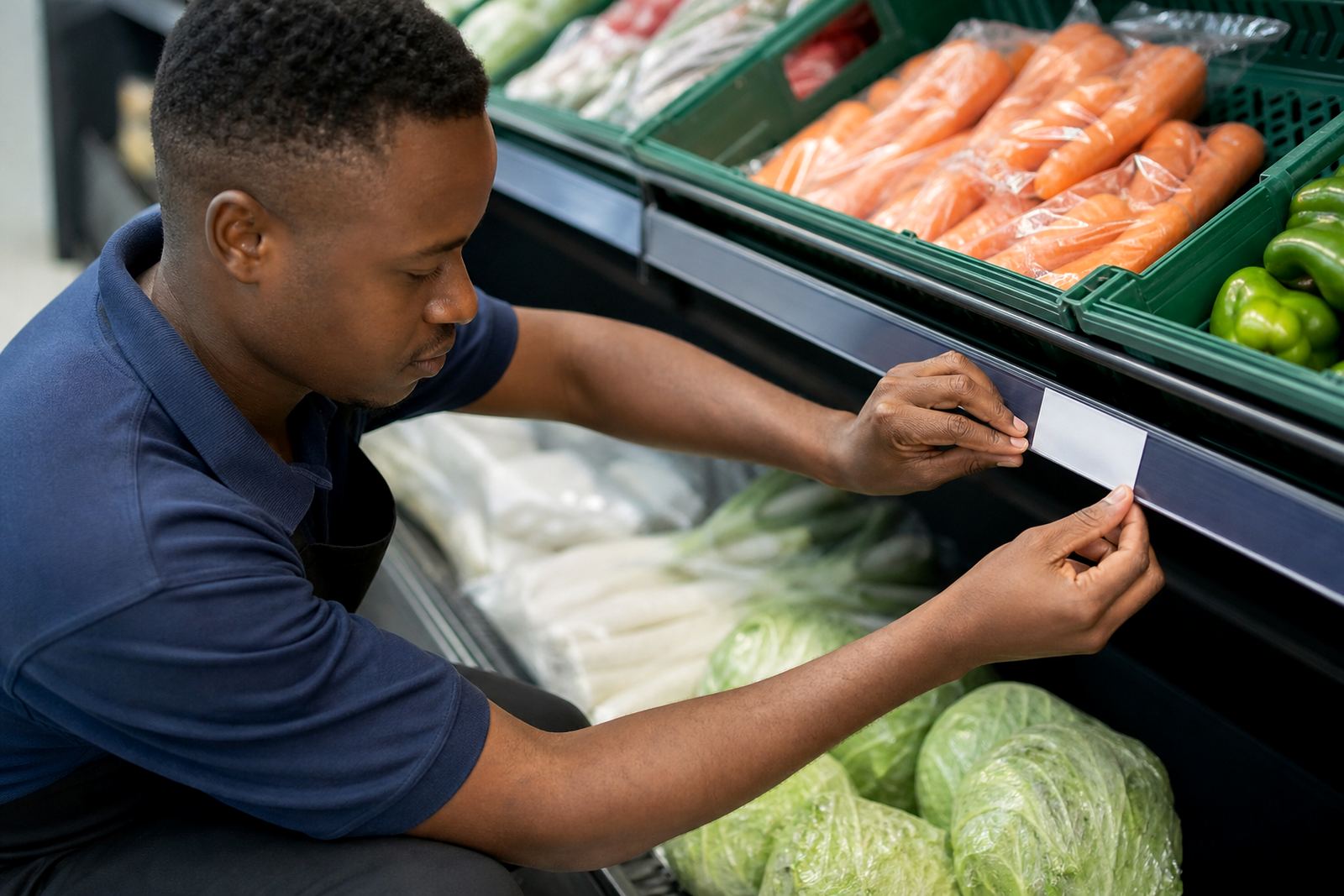
Longer rolls suit work where label size stays the same and print volumes stay fairly even. That includes barcoded cartons, ingredient labels, shipping labels, shelf labels and coding labels on manufacturing lines. In Durban humidity or coastal storage areas, the roll also needs to be wound neatly so the edges stay clean and the labels peel properly.
- High-volume dispatch with the same label format all day
- Retail back rooms where the printer runs for several hours at a time
- Manufacturing lines that need fewer pauses for roll changes
- Sites where storage space for spare rolls is limited
- Teams that want to reduce handling and keep the printer area tidier
Longer rolls are not always the answer, but when the format is stable they can improve consistency and cut waste from partly used short rolls lying around.
The parts that must match before you order
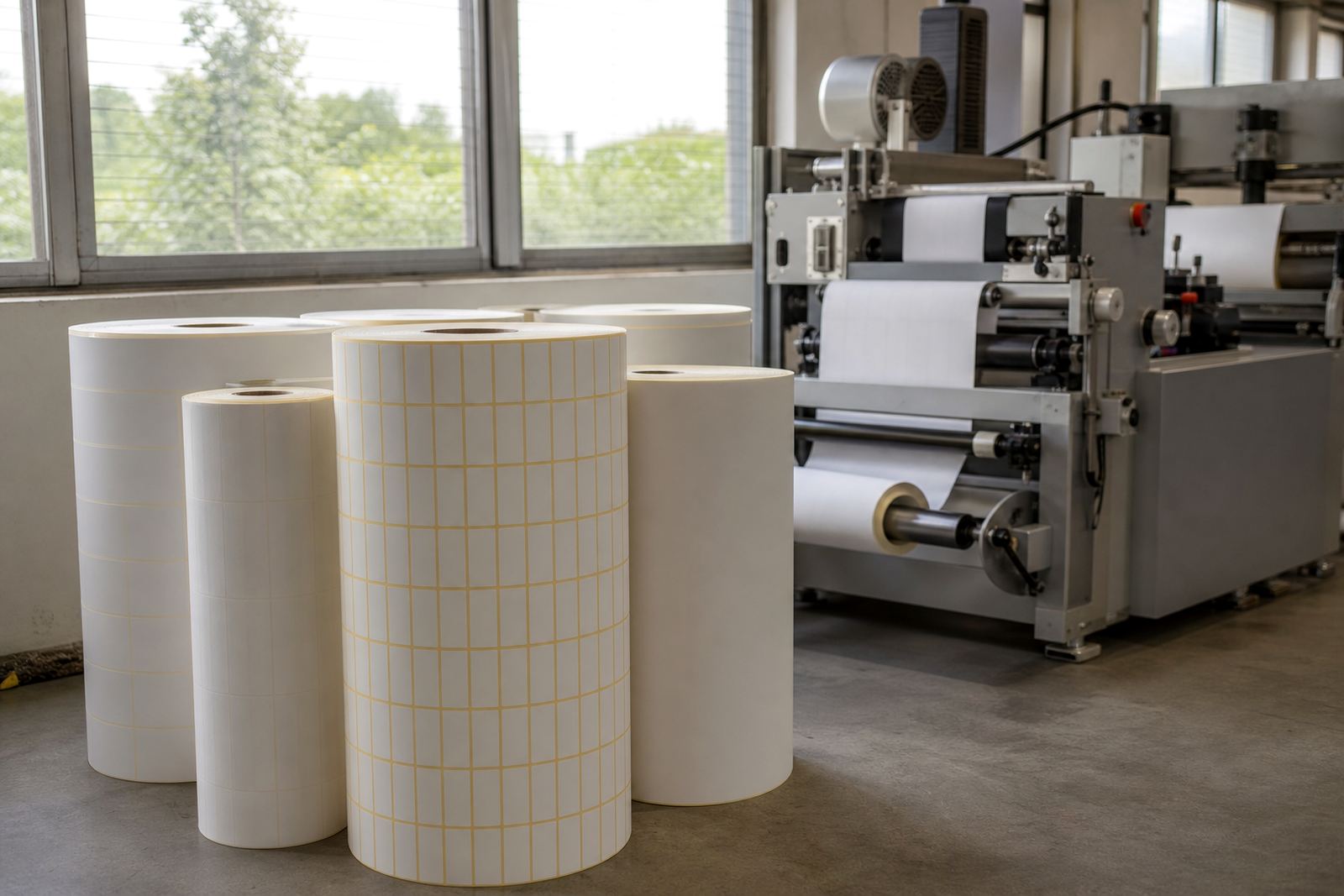
Long roll planning is not only about metres. The printer, core size, roll diameter, liner type and winding direction all need to match. A roll that is too wide for the media path or too large for the printer compartment will cause issues. The same goes for a liner that is too thin for the application, or an adhesive that does not suit the surface.
- Core size: common sizes include 25 mm and 76 mm, but the printer must accept it
- Roll diameter: longer rolls usually mean a larger outer diameter, so clearance matters
- Winding direction: the printed face must feed the printer the right way
- Printer type: direct thermal and thermal transfer printers use different label stock
- Adhesive: permanent, removable or freezer grade options suit different jobs
For a Pinetown packing site, a good fit check can prevent wasted material and a stopped printer. It is better to sort that out before the first pallet leaves the shop floor.
Direct thermal or thermal transfer, the choice changes the result
Direct thermal labels are used where the printhead activates a heat-sensitive face stock. They are handy for shorter life applications like courier labels, weigh labels and many retail labels. They do not need a ribbon, which keeps loading quick. Thermal transfer labels use a ribbon and are better when the print must last longer, or where heat, handling and abrasion are part of the job.
For longer rolls, the print method affects the material selection. Some face stocks handle handling better, while others are chosen for speed or appearance. A label that must survive warehouse racking in Johannesburg is not the same as a short-term dispatch label going out of Cape Town. The adhesive and liner choice also matter, because a strong label on the wrong liner can still feed poorly.
That is why it helps to plan the whole job, not only the roll length. A good label should print cleanly, peel neatly and stick where it is meant to. Nothing fancy, just consistent results.
What longer rolls change on a busy floor
On a practical level, longer rolls change the way the team works. Fewer roll changes mean less interruption, less chance of loading the wrong stock, and less scrap from partial rolls that never get used. When the pack table is under pressure, small time savings help more than people expect.
They can also reduce the number of spare rolls that need to be stored on site. That matters for businesses with tight storerooms or shared dispatch areas. In some cases, the saving is not only space but also control, because fewer loose rolls means fewer mix-ups between sizes, adhesives and print faces.
- Less printer downtime during repeat runs
- Fewer changeovers for operators to manage
- Better use of stock when the same label is used regularly
- Cleaner storage in small or shared work areas
- Lower chance of mixing the wrong roll into the wrong printer
If usage is irregular, long rolls can sit too long and take up space. So the real advantage comes from steady demand, not just wanting the biggest roll available.
A Westmead example: steady dispatch with limited room
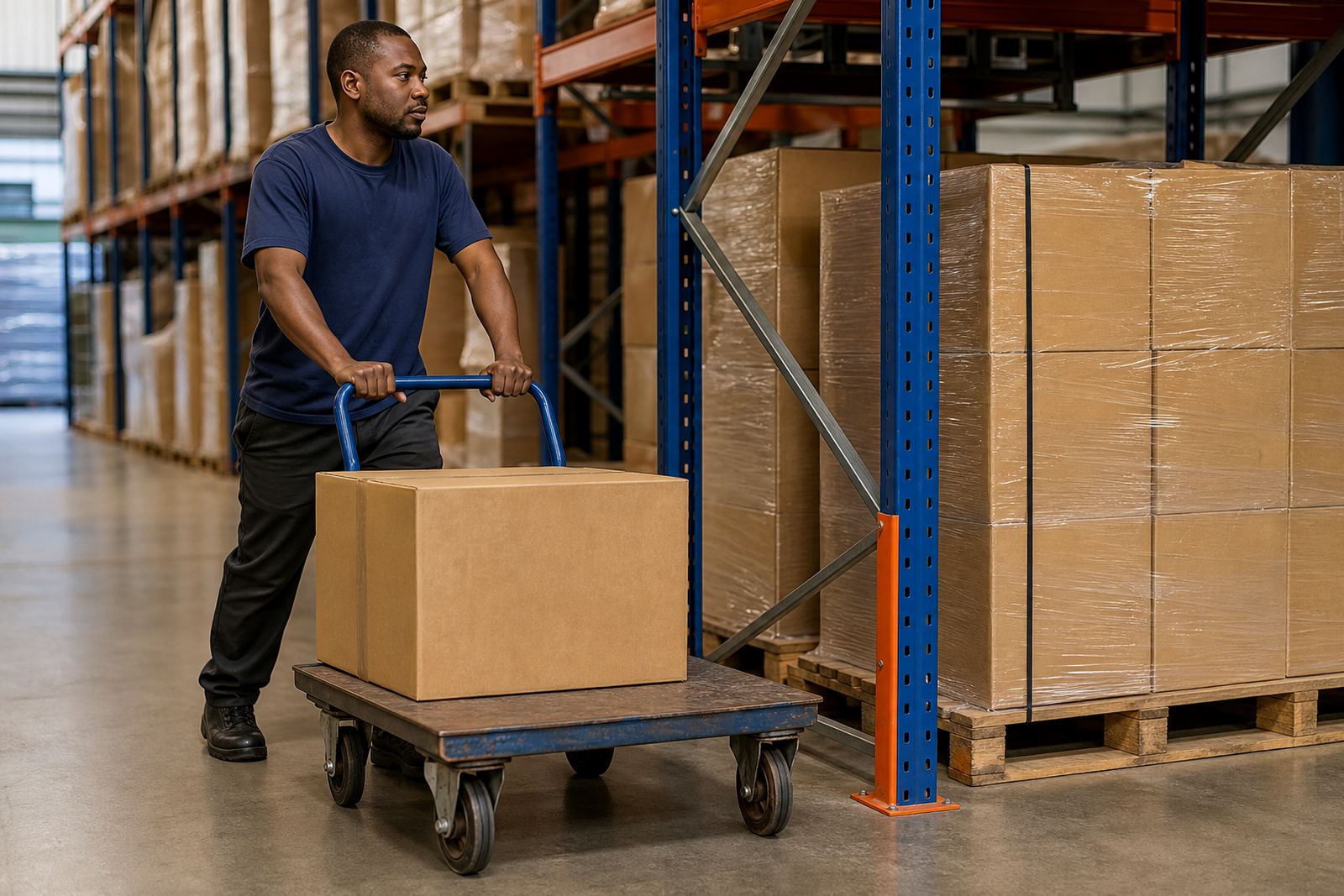
A dispatch team in Westmead sending cartons across Durban, Pietermaritzburg and Gauteng may use the same shipping label format every day. If they print through the morning and into the afternoon, a longer roll means the printer stays loaded for longer and the packing staff do not have to stop mid-run.
But the roll still has to fit the printer and the storage shelf. If the outer diameter is too large or the core size is wrong, the benefit disappears fast. That is why roll length planning should sit next to printer fit checks and dispatch packing, not after the order has already been placed.
For businesses sending stock from Pinetown to branches in Johannesburg, Cape Town, Pretoria and Pietermaritzburg, the best setup is usually the one that keeps the printer running, the labels readable and the packing bay clear. Longer rolls can do that, if the job suits them.