The hollow in the middle decides a lot more than people think
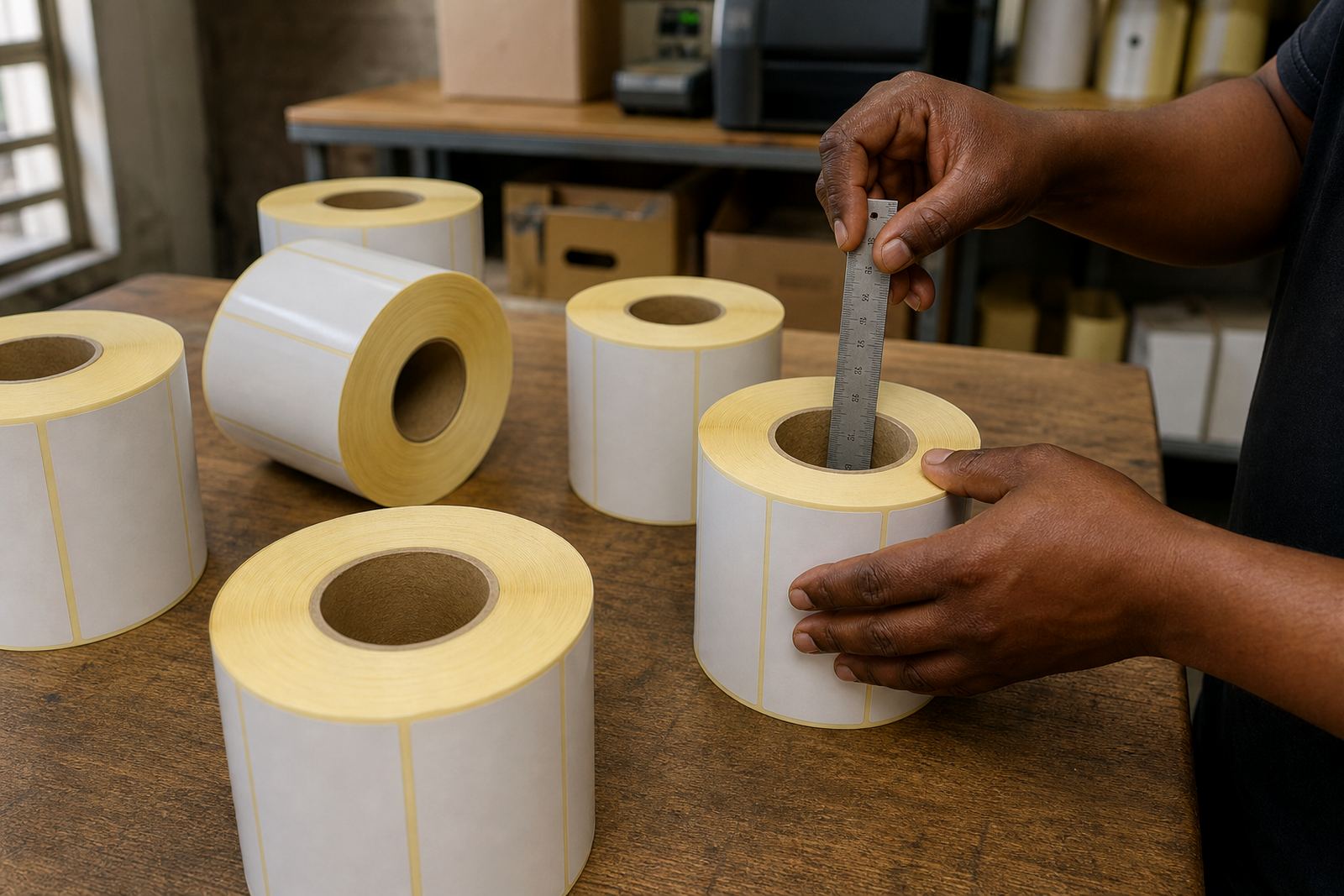
Core size means the cardboard or plastic tube in the centre of a label roll, measured by its inside diameter. In day to day use, that number matters because the printer spindle, holder or unwind stand has to match the core or the roll will wobble, bind, or not fit at all. Common sizes in the trade include 25 mm, 40 mm and 76 mm, with 76 mm often used on larger industrial printers and 25 mm or 40 mm on smaller benchtop machines.
It may sound like a small detail, but it affects the whole packing rhythm. A roll on the wrong core can track unevenly, create edge damage, or force the operator to keep adjusting the load. For businesses in Durban or Pinetown dealing with daily dispatch, those extra stoppages add up fast.
Printer fit is where core size shows its real value
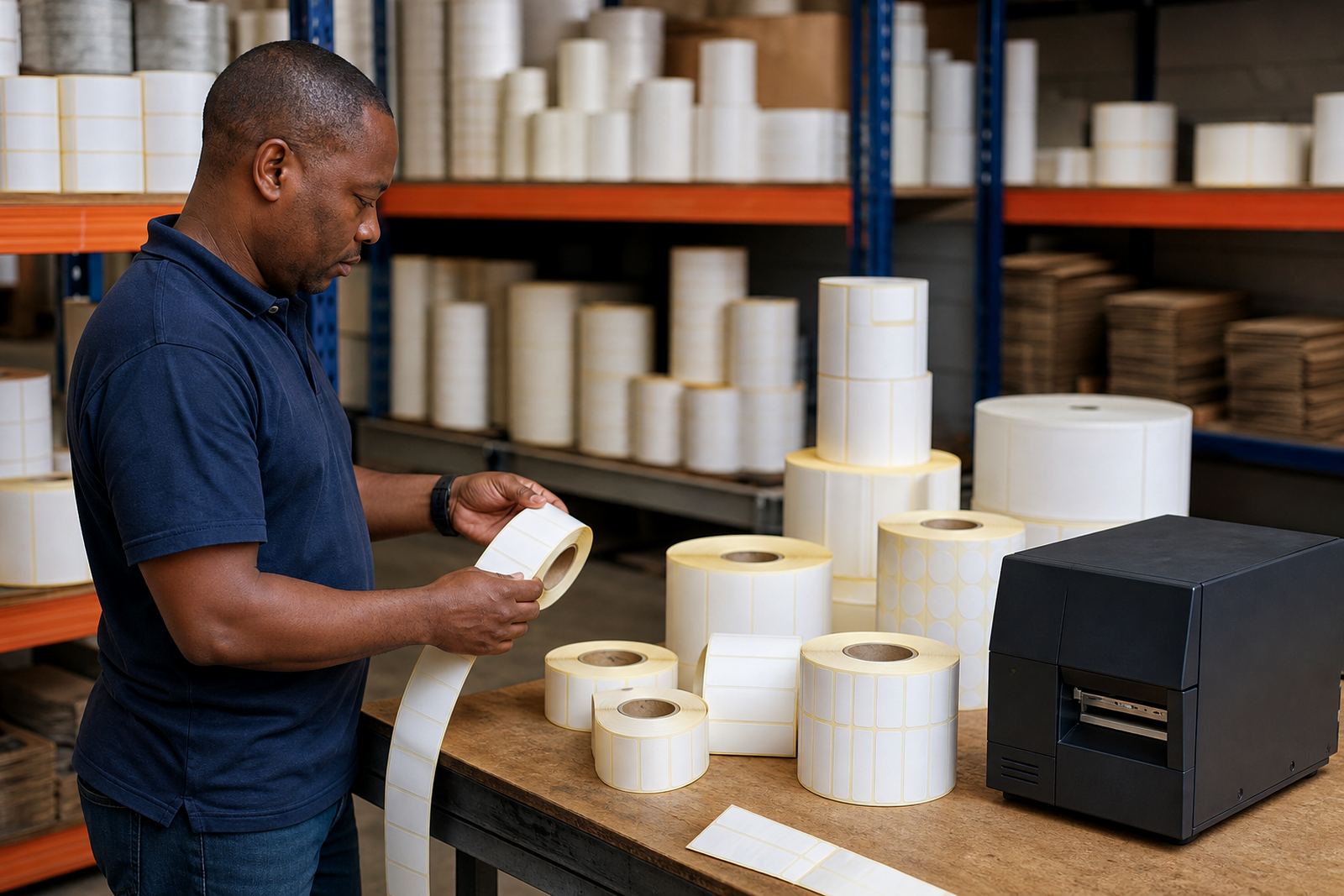
Printer compatibility is not only about the width of the label. The printer also needs the correct core diameter, outside roll diameter and unwind direction. Thermal printers, especially, are sensitive to how the roll sits on the spindle and how the media leaves the roll path. If the roll is too heavy for a small benchtop unit, the feed can drag. If the core is too small for the holder, the roll may not seat properly.
When matching stock to equipment, we usually look at:
- Printer type, whether direct thermal or thermal transfer
- Required core size and holder style
- Maximum outside roll diameter the unit can take
- Roll width and label pitch
- Whether the unwind direction must be in or out
Direct thermal rolls are used where heat-sensitive face stock is printed without a ribbon, while thermal transfer uses a ribbon and a compatible face stock for longer life or tougher handling. The core size still matters in both cases, because the feed system has to pull the roll cleanly from start to finish.
Why roll handling changes with the core
Once a roll leaves the printer room and moves into dispatch or production, core size continues to matter. A larger core can make a roll feel more stable and easier to mount on industrial equipment. A smaller core may suit compact machines and lighter label runs. The choice also affects how the roll behaves during rewinding, slitting and packing for shipment.
For a warehouse in Westmead, where pallets move through in a hurry, neat roll handling helps reduce scuffing and edge crush. In humid coastal conditions around Durban, properly wound rolls are less likely to pick up dirt or suffer from curling at the edges. If a roll is packed too loosely, it can shift in transit and the label edge may lift before it even reaches the printer.
Face stock, adhesive and liner all play their part
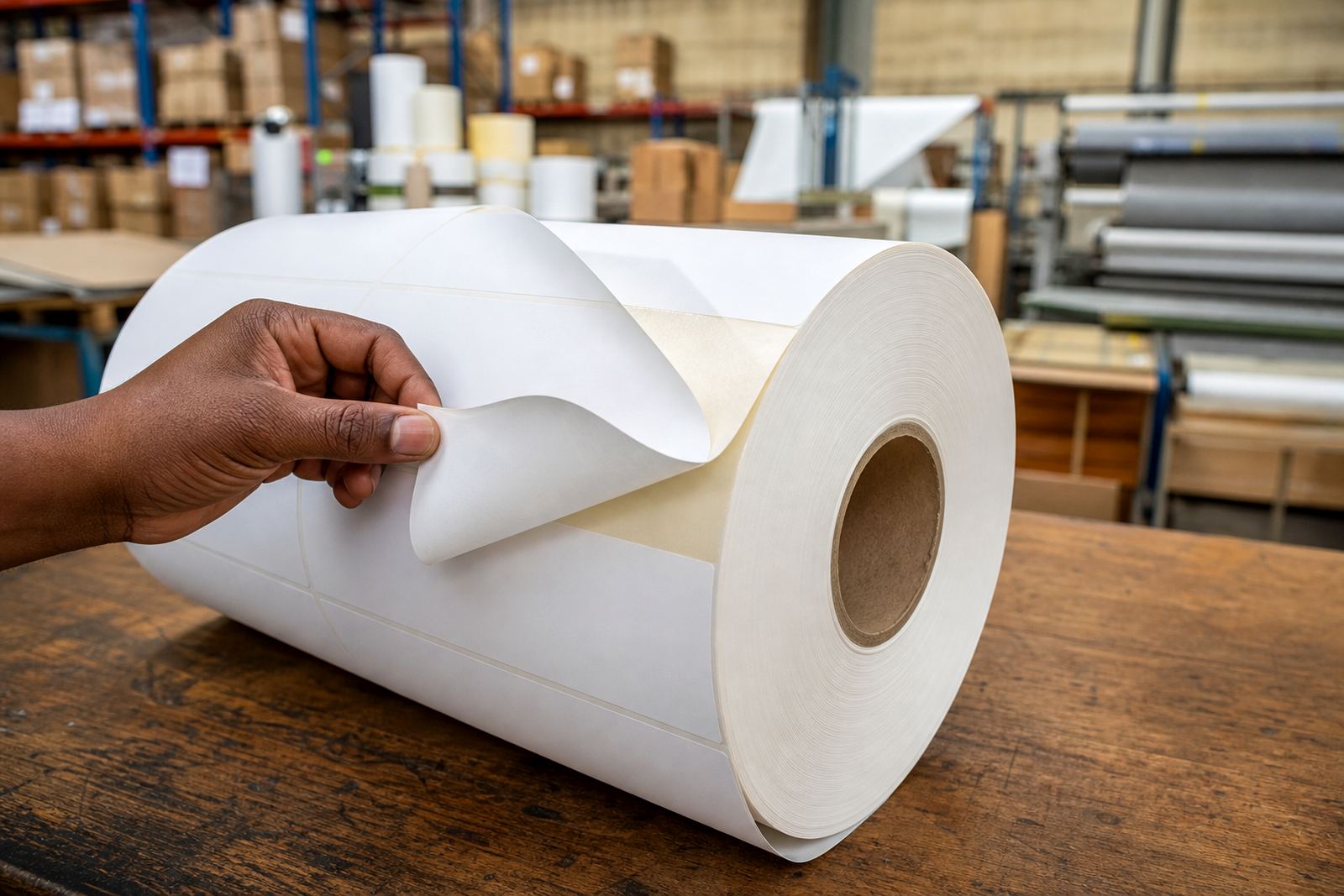
Core size cannot be judged on its own. The full roll structure matters: the face stock, the adhesive layer and the release liner all influence the finished roll and how it performs. A paper face stock for general packaging is different from a synthetic face stock used where moisture, abrasion or oil exposure is likely. Likewise, an adhesive for cartons is not the same as one meant for cold rooms or short term sealing.
We also look at liner strength and thickness, because the liner helps hold tension as the roll is wound and fed through the printer. Thicker liners can change the outside diameter of the roll and affect how many metres fit on one core. That is why two rolls that look similar from the outside can behave very differently on the machine.
- Paper face stock suits general product labels and carton markings
- Synthetic face stock is better for tougher handling and moisture exposure
- Permanent adhesive is used where the label must stay put
- Removable adhesive is useful for temporary identification or sorting
- Release liner thickness affects winding quality and roll stability
How to think about core size when ordering label rolls
If you are ordering for retail, logistics or manufacturing, start with the machine first and the roll second. Check the printer model, the spindle or holder style, and the maximum roll diameter allowed. After that, decide whether your application needs direct thermal or thermal transfer, then confirm the label width, roll length and core size. That order saves wasted stock and avoids returns.
A practical note for South African operations: if you run multiple sites, keep the specifications the same where possible. A roll that fits in Johannesburg may not suit a smaller printer in Pietermaritzburg if the core or outer diameter changes. Standardising the roll spec makes repeat ordering easier and reduces mix ups on busy shifts.
We also advise checking whether the labels will be applied by hand or by machine. Hand application gives a bit more leeway, while automatic applicators can be fussy about roll tension and core concentricity. If a label roll is going into a high speed line, even a small variation in core size can show up as feed drift.
A Westmead dispatch example that makes it practical
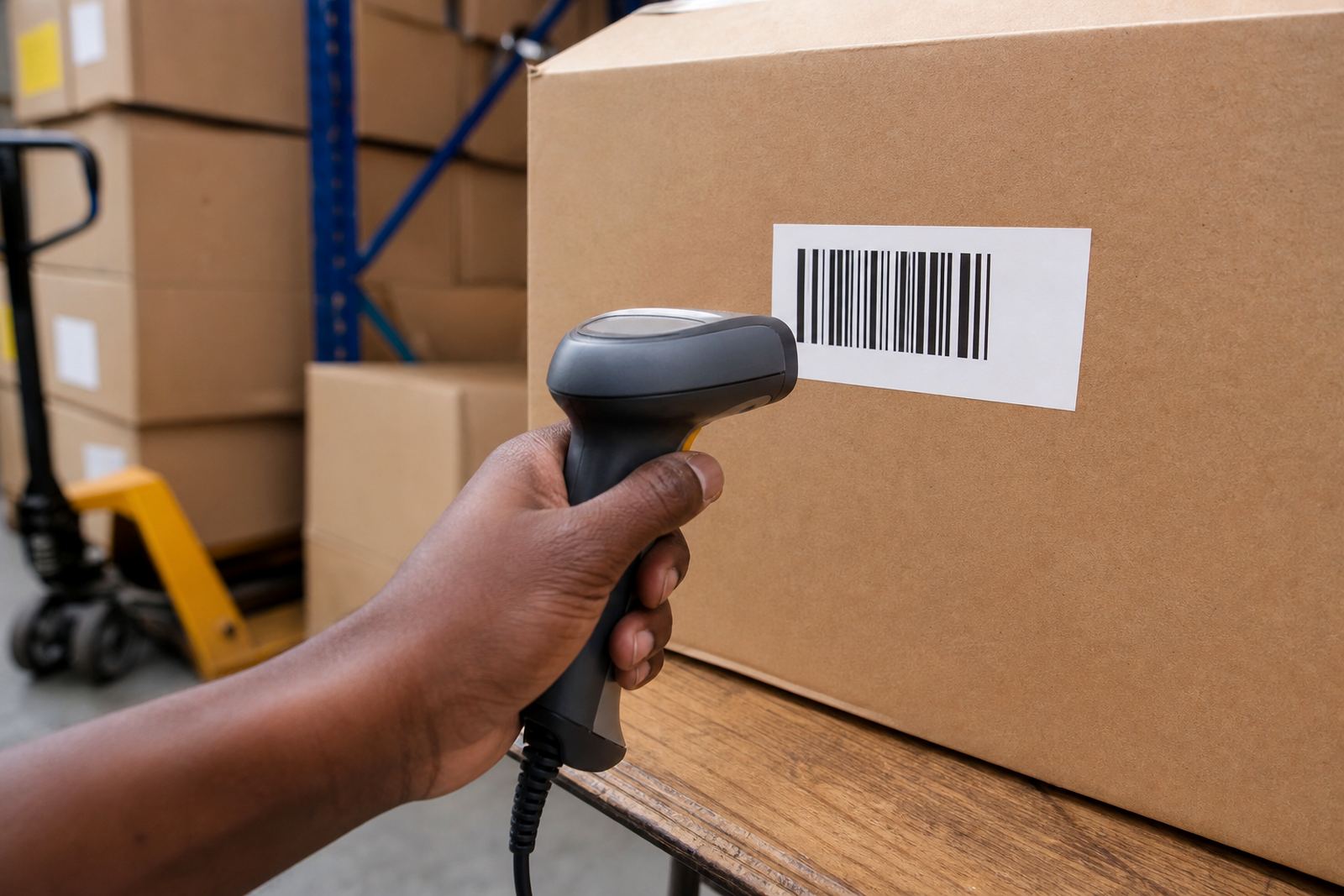
Say a packaging team in Westmead is running carton labels for daily courier work. The printer sits near the packing benches and the team wants one roll format for both the morning and afternoon shift. If they choose the wrong core size, the operator may have to pause every few rolls to reseat the spindle or clear a feed fault. If the roll is matched properly, the labels come off cleanly and the packing line keeps moving.
That same thinking applies across Durban, Cape Town, Pretoria and Johannesburg. The label itself may be plain white paper, a coloured face stock or a tougher synthetic face, but the core size must still suit the printer and the handling method. A correct fit also helps during dispatch packing, because the rolls stack better and hold shape in transit.
The questions worth asking before the roll is cut
Core size meaning becomes much clearer once you connect it to the equipment and the worksite. Before cutting or converting label stock, it helps to confirm the following:
- What core size does the printer or dispenser accept?
- Is the roll for direct thermal or thermal transfer printing?
- How many metres are needed per roll for the weekly usage pattern?
- Will the rolls be used in a cool store, warehouse or retail counter?
- Does the team need sample rolls before a full production run?
These checks are practical, not academic. They help prevent downtime, preserve label quality and keep the stock aligned with the job. In our view, core size is one of those details that only looks minor until the wrong one lands on the packing bench.