Rolls that feed the way your line expects
Rewinding is used when a roll arrives in the wrong winding direction, the core size does not suit the printer, or the roll is too bulky for easier loading. We rework self-adhesive label stock and thermal rolls so the labels unwind cleanly, stay flat, and feed in the order your machine expects. That helps on packing tables, print-and-apply units and benchtop thermal printers where the wrong roll build can cause skew, label drift or stop-start feeding.
Our rewound rolls are prepared for practical use in warehouses, retail back rooms and light manufacturing spaces around Durban, Johannesburg, Cape Town, Pretoria and Pietermaritzburg.
- Feed direction set to match printer or applicator path
- Tension adjusted for cleaner unwind and fewer web breaks
- Rolls reduced to a more manageable outer diameter
- Finished with a tidy edge for easier loading and storage
What we check before the rewind starts
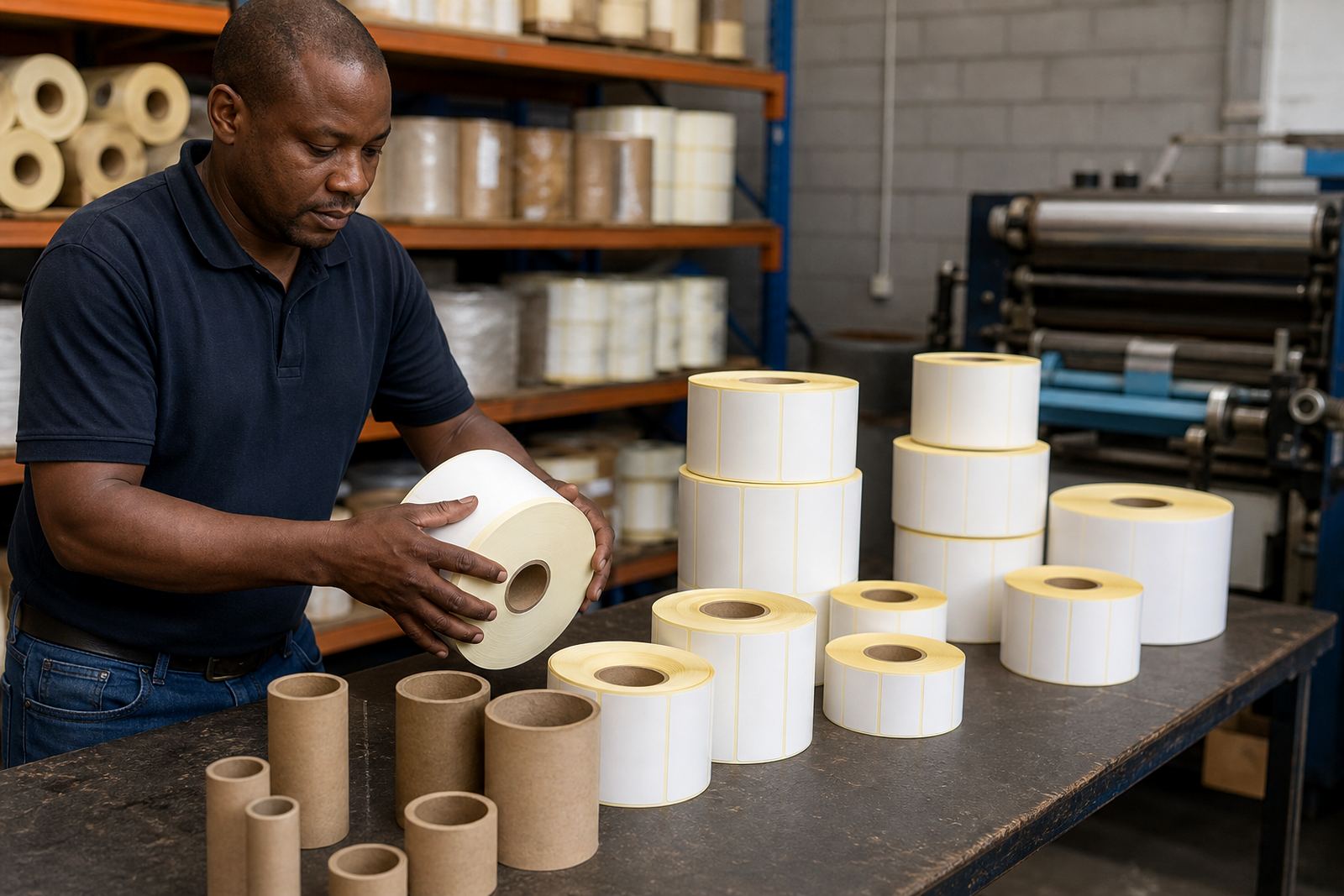
Every rewind starts with the roll you already have, plus the machine you plan to use it on. We check the face stock, adhesive type, liner type, core diameter and the way the labels are cut or spaced. Thermal transfer labels, direct thermal receipts and self-adhesive product labels all behave differently, so the rewind has to suit the material rather than a one-size rule. A 25 mm core, 40 mm core or 76 mm core may be right depending on the printer frame and spindle, and the roll width must stay true after converting.
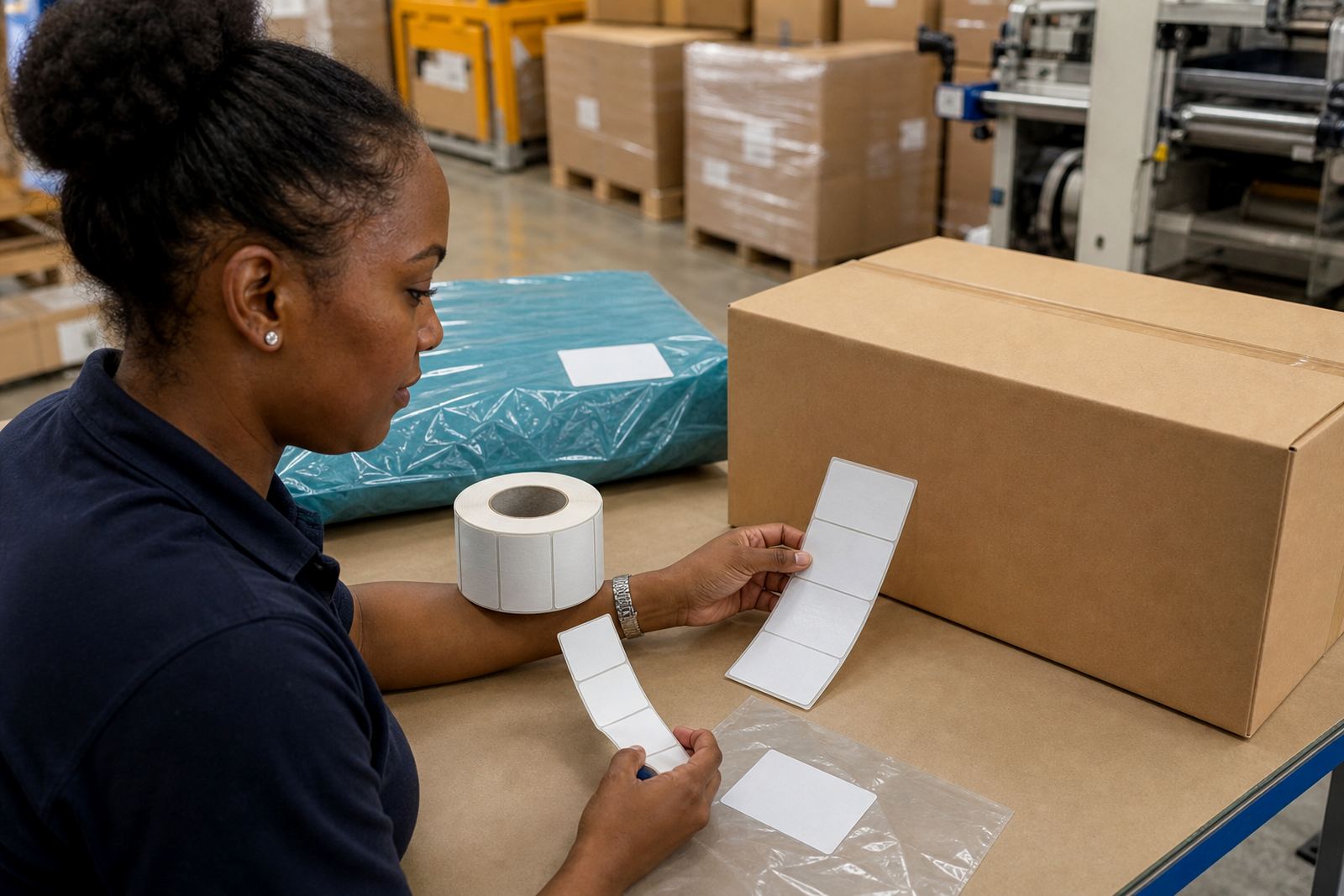
We also look at how the roll will be handled after rewinding. Some customers want smaller packs for easier dispatch packing, others want longer rolls to reduce changeovers on busy shifts. If a line uses high speed apply heads the winding needs to be tighter, while a benchtop unit may prefer lighter tension and a narrower outer diameter. That detail matters when labels are used for coding, shelf marking or sealing.
- Core size matched to the receiving printer or applicator
- Roll width kept within the required specification
- Winding direction matched to left-hand or right-hand feed
- Tension set for the material and end use
How the rewind work moves through our floor
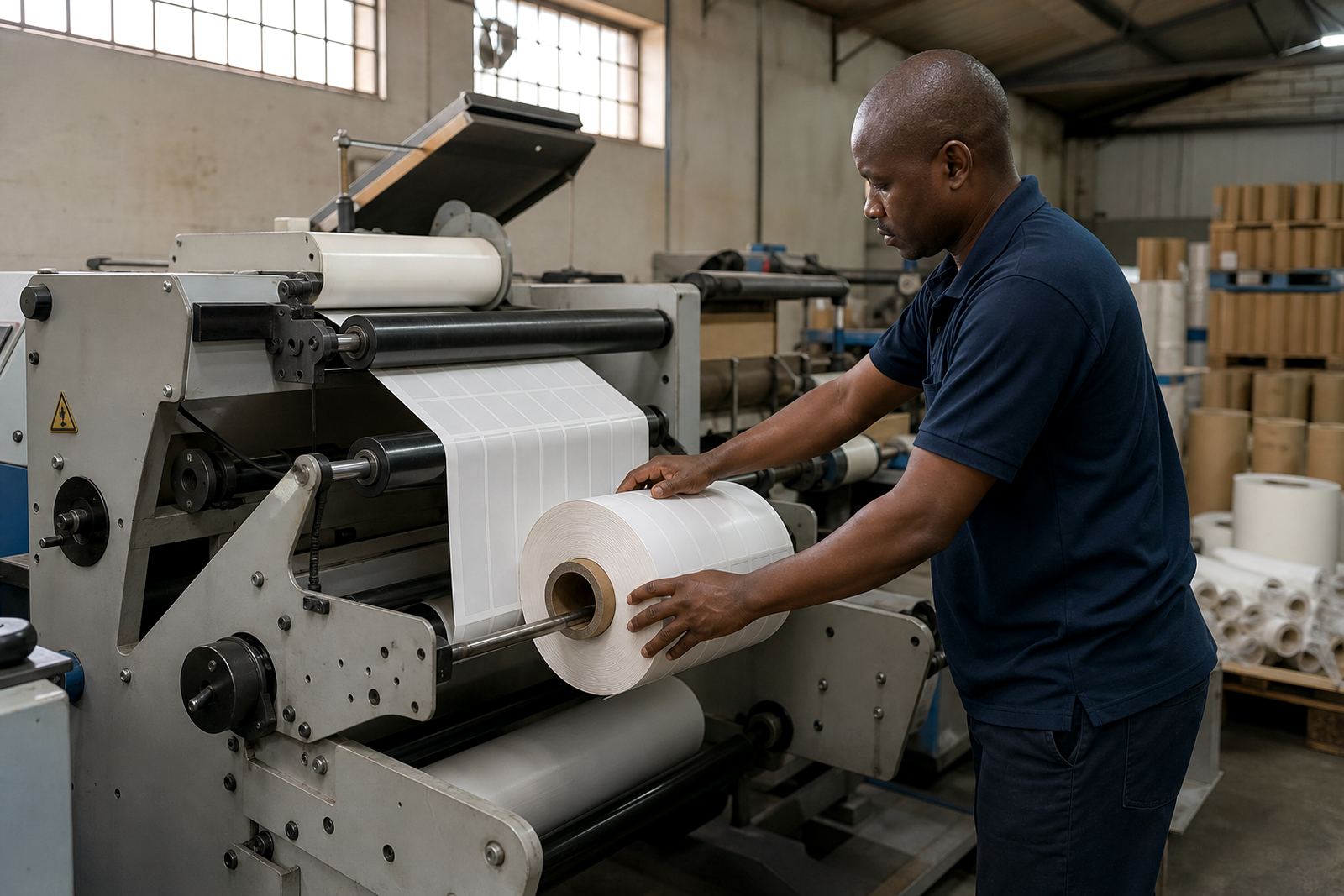
We begin by loading the parent roll onto rewind equipment and setting the unwind path to suit the stock. If the roll needs to be split, the web is guided through the slitting and rewinding path first, then built onto the target core size. Where required, we can change the roll length plan so the finished rolls are easier to use on the packing bench or in a dispatch bay. Our team keeps an eye on winding direction, edge alignment and roll firmness through the run.
For customers who want a sample before a full lot is converted, we can prepare sample rolls first. That gives you a chance to confirm printer fit, feed direction and handling before the rest of the stock is processed. It is a practical step when you are changing adhesive, moving from direct thermal to thermal transfer, or trying a different liner thickness.
- Load the parent roll and confirm stock details
- Set core size, width and winding direction
- Rewind under controlled tension
- Check finish, edge quality and roll build
Specifications that matter on the line
Rewinding is not only about making a roll look neat. It must suit the physical requirements of the printer and the job. We work with common label materials such as paper face stock, synthetic face stock, permanent adhesive, removable adhesive and freezer-grade adhesive options. Liner types can include glassine and other release liners, depending on the stock being processed. For thermal rolls, the coating or print method must also be respected because direct thermal stock reacts to heat while thermal transfer stock needs ribbon and a stable surface for print.
Common finished roll details include narrow labels for pricing, wider rolls for logistics and mid-size rolls for box marking or product ID. Core sizes are matched to printer compatibility, including benchtop units and larger industrial printers. If the roll is destined for a tight loading bay or a dusty storeroom, the finished pack may need extra wrapping or a firmer winding style so it stays clean and ready. Small things count here, and a loose roll can give more trouble than a misread barcode.
- Face stock: paper or synthetic, depending on wear and handling needs
- Adhesive: permanent, removable or freezer-grade where suitable
- Liner: glassine or similar release liner
- Core sizes: common small cores and larger industrial cores
- Printer fit: benchtop thermal, industrial thermal transfer and print-and-apply setups
Turnaround, pricing and the practical part
Turnaround depends on roll size, quantity, stock condition and whether other conversion work is being done at the same time. Small rewind jobs can move quickly once the stock is received and checked, while larger or mixed orders may need a fuller production slot. If the material needs measuring, sample confirmation or core changes, that is built into the schedule before the run starts so there are no surprises later.
Pricing is based on the labour time, machine setup, roll count, any core change and the condition of the original rolls. We do not price rewind work as a guess because one damaged parent roll can take longer than three clean ones. For businesses in Westmead, Pinetown and beyond, it helps to send the job details early so we can quote against the actual material and the finish you need.
- Timed by roll condition, quantity and conversion steps
- Core changes and length changes included in the quote
- Sample rolls can be priced separately where needed
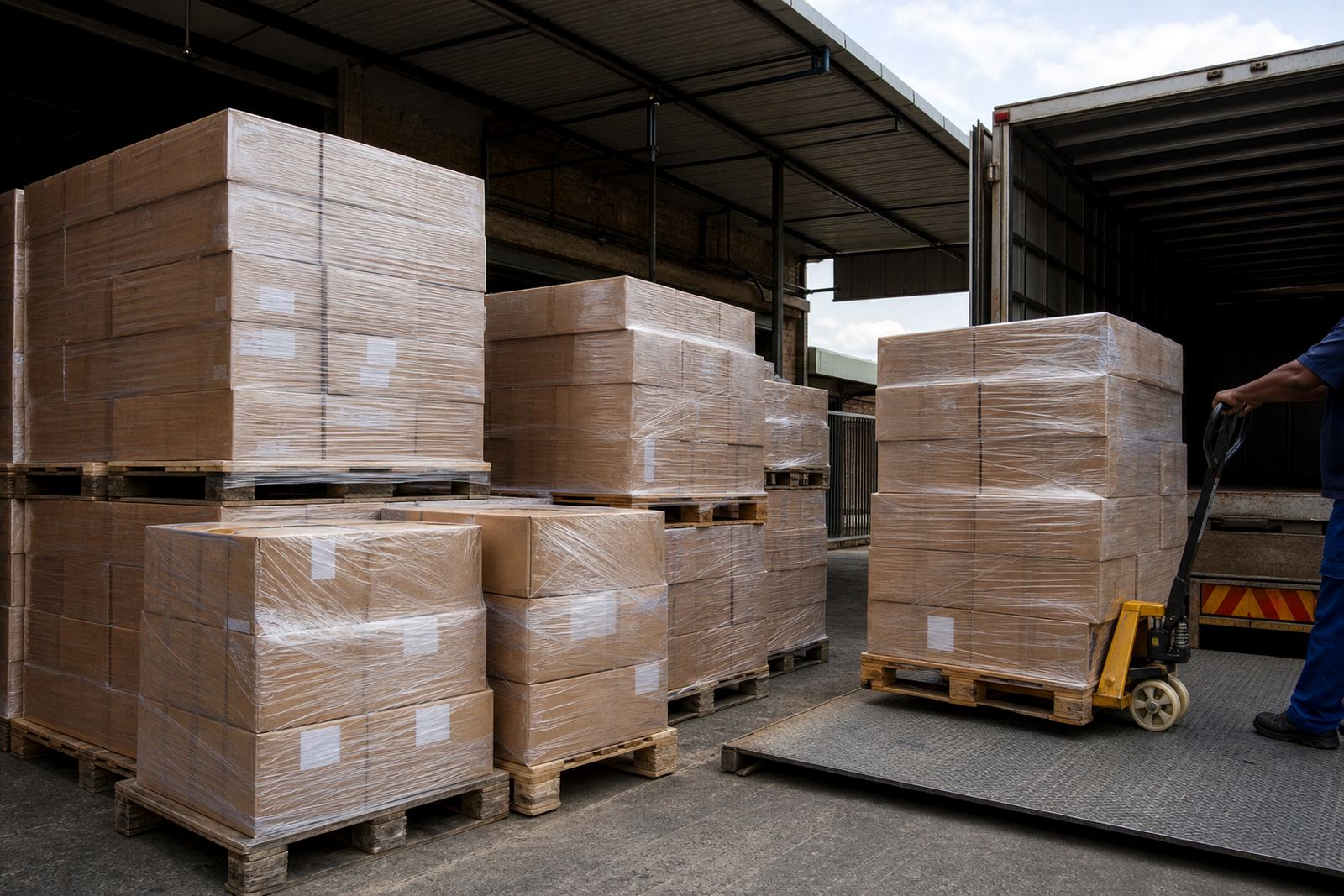
- Dispatch packing can be added for mixed or fragile orders
Aftercare for the next run
Once the rolls leave our floor, we still want them to work the way they should on your side. If a roll is loaded the wrong way round, prints off-centre or feeds too tight, we can review the winding direction, core fit and label choice for the next order. That aftercare is especially useful for customers changing printers, moving sites, or coping with storage conditions that shift through the seasons.
We also help with repeat order planning so the next batch arrives with the same rewind profile, or adjusted where your process has changed. For example, if your team now packs slower, a shorter roll may be easier to handle.The point is to keep the labels working for the site, not force the site to work around the labels.
- Review feed direction and tension if a job needs adjustment
- Keep future rolls consistent for scheduled reorders
- Adjust roll length or core size if the printer changes
- Plan packaging for transport and storeroom handling
Key facts
| Service | Rewinding of label stock and thermal rolls |
|---|---|
| Stock types | Self-adhesive labels, direct thermal rolls, thermal transfer rolls |
| Core sizes | Common printer-fit cores, including small benchtop and larger industrial cores |
| Winding options | Feed direction and tension set to match the receiving machine |
| Typical uses | Packaging, retail pricing, logistics labels and product coding |
| Location | Westmead, Pinetown, supplying across South Africa |