The bits that must stay the same from one run to the next
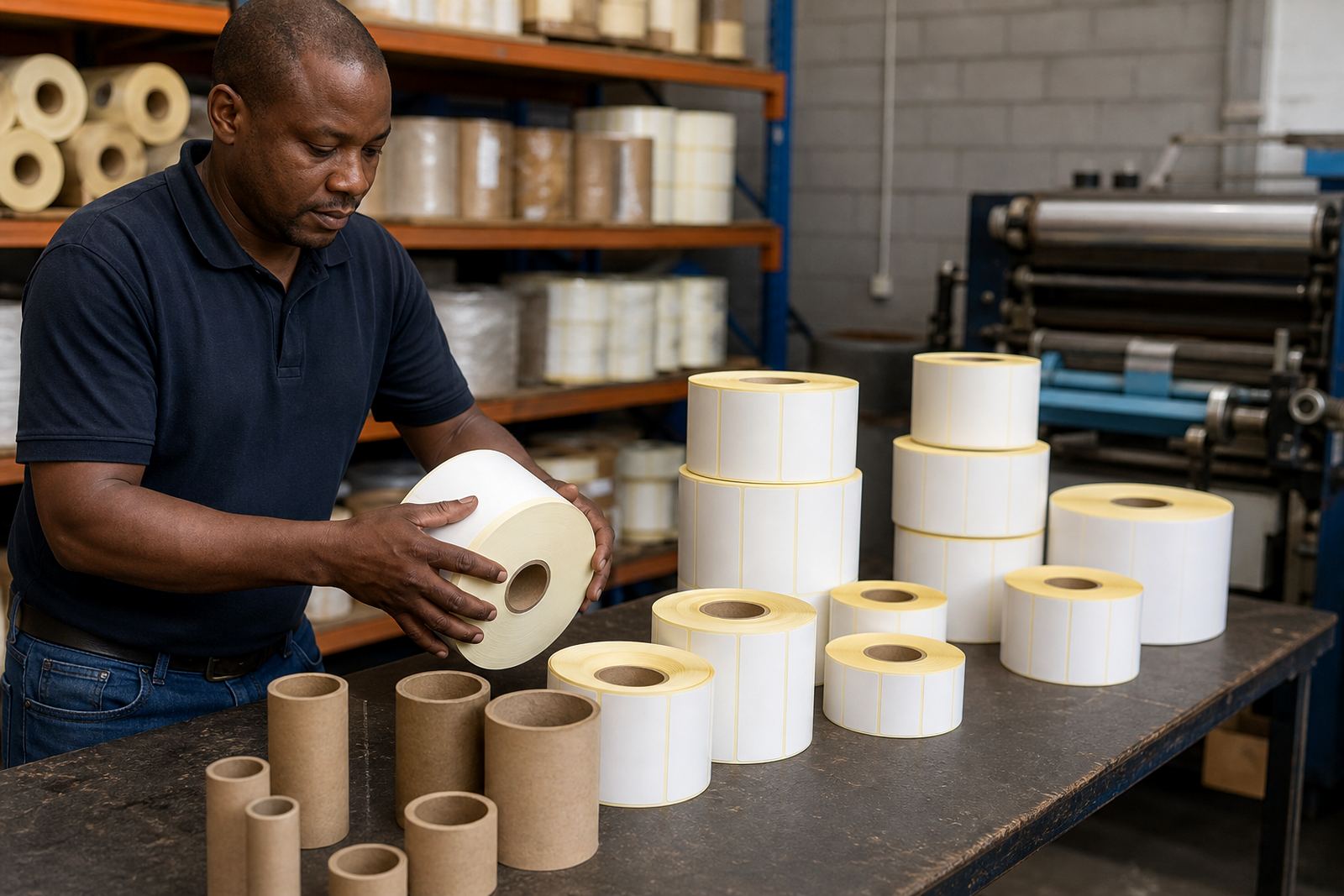
When a label job needs to be repeated, the measurements should be pinned down before the next run starts. We keep the label width and length, the face stock finish, adhesive type, liner type, winding direction, roll diameter and core size on file so the next batch aligns with the last one. That is important for shelf labels, carton seals, dispatch labels and product coding, where one small change can interrupt printing or slow packing.
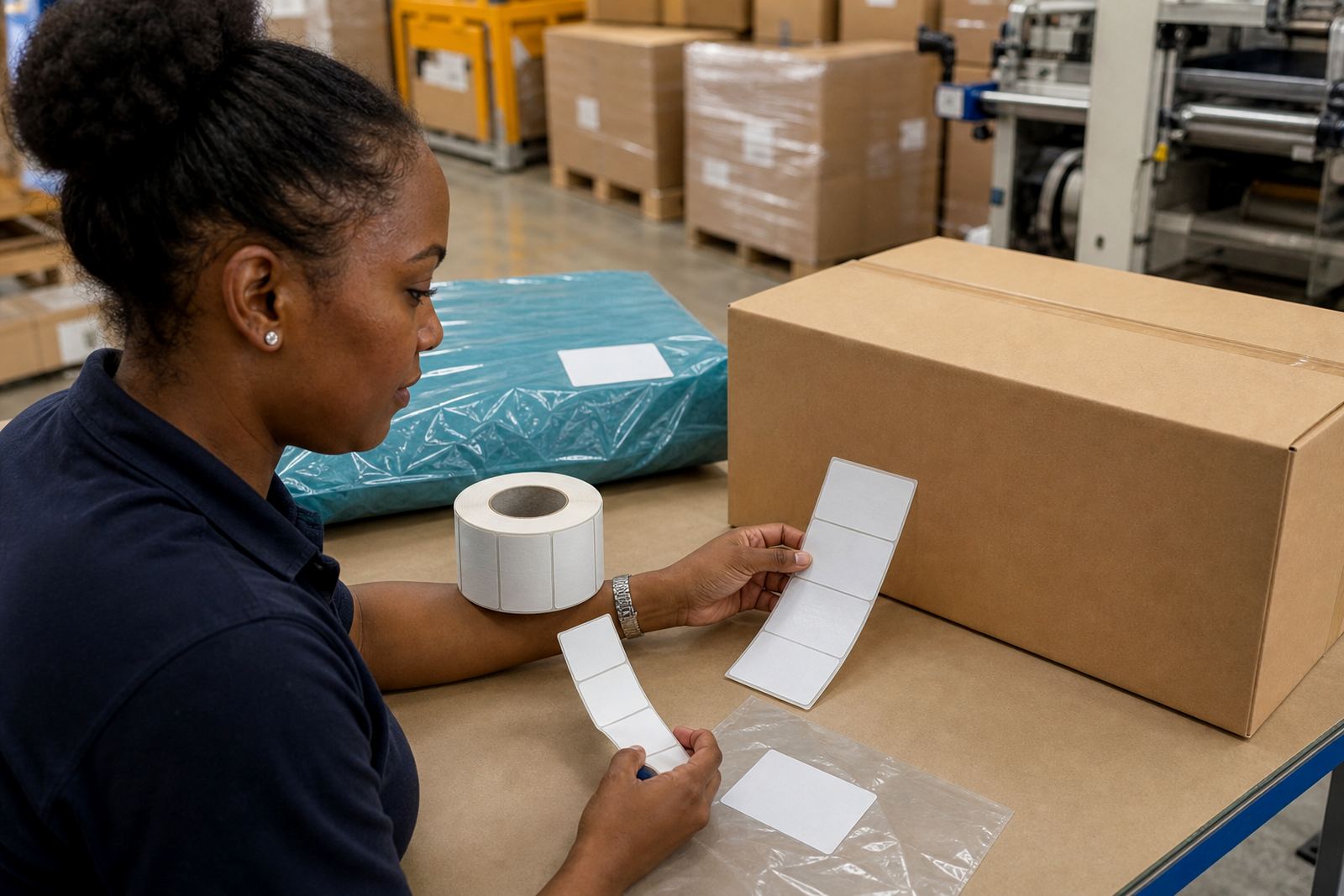
For label stock, we look at whether you need a matt paper face for general packaging, a coated face for cleaner print, or a synthetic face for moisture and handling. Adhesive choice is just as important. A permanent adhesive suits most shipping and product labels, while removable or freezer grade options may be needed for short term use, cold rooms or surfaces that must stay clean. If the roll is going into a thermal printer, the core size and outside diameter need to suit the machine, otherwise the roll may not track properly.
- Face stock options are matched to the use case, not just the printer.
- Liners are planned so the roll peels cleanly and feeds steadily.
- Core sizes are confirmed for benchtop and industrial printers.
- Winding direction is set to avoid print head issues and feed errors.
How we line up a repeat cycle
We start by pulling together the details from your last approved order or sample roll. If your product range has changed, we check the new container size, label placement and machine speed before confirming the next supply. This is useful for businesses in Durban, Pietermaritzburg and Cape Town where packing lines often work with a mix of ambient stock and colder storage areas.
The process is practical. First we confirm the format. Then we check whether the same adhesive and face stock still suit the product, the carton and the storage conditions. After that we plan roll quantities so your stock lands in useful batches instead of awkward leftovers. If your printer setup has changed, we also do a printer fit check so the core, roll width and unwind direction still work.
- Review the last run and lock the reference format.
- Check any changes in product size, surface or storage.
- Confirm printer fit and roll handling details.
- Plan batch sizes for the next supply window.
Thermal rolls and label stock handled as matched supply
Repeat planning is different for self-adhesive label stock and thermal rolls, but both need consistency. Direct thermal rolls are used where the printer creates the image on the coated surface without a ribbon, which suits short life labels, dispatch slips and fast moving operations. Thermal transfer rolls use a ribbon, so they are better where print must last longer against rubbing, heat or light exposure.
For label stock, we keep the same material structure across repeat supply unless you ask for a change. That means the same face stock, adhesive and liner combination, plus the same slit width and roll build. For thermal rolls, we hold the same core size and roll length so the printer path remains stable. Common core sizes include 25 mm, 40 mm and 76 mm, depending on the printer and the roll duty. Smaller cores are common on compact units, while heavier industrial printers often need larger cores and wider roll builds.
- Direct thermal suits short term labels and high speed dispatch work.
- Thermal transfer suits labels that need longer lasting print.
- Core size, roll length and winding must match the printer spec.
- We keep repeat stock consistent so operators do not keep adjusting settings.
Timing, quantities and stock cover without the guesswork
Scheduled label runs work best when we plan around how quickly stock moves, how much space you have on site and how often rolls are changed. A compact warehouse in Westmead may need shorter runs more often, while a distribution operation moving cartons across Gauteng might prefer bigger batches with a clearer reorder trigger.
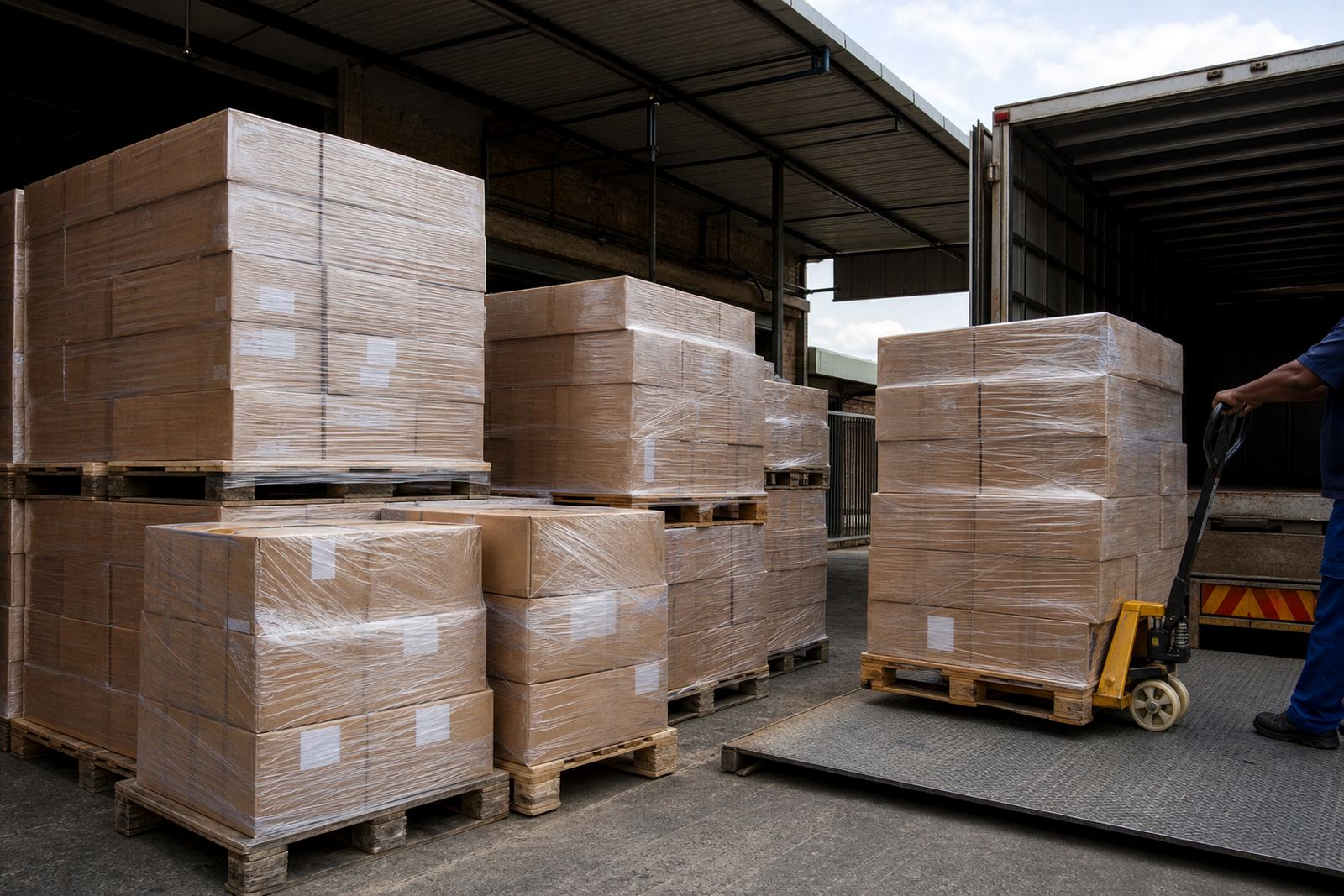
Where needed, we split supply into practical delivery batches. That can help with storage, especially in humid coastal conditions where paper stock needs decent packing and a dry area off the floor. For clients using multiple branches, we can plan the same spec across sites so the label on the pallet in Pretoria is the same as the one used in Pinetown. If a machine change is expected, we flag the format early so the next batch lands in the right size and core.
- Batch planning can suit one site or several branches.
- Shorter cycles reduce storage pressure for fast moving lines.
- Larger cycles help where supply runs must cover multiple weeks.
- We factor in local handling conditions and shift patterns.
What the pricing is based on
Pricing for repeat order planning depends on the stock build, slit widths, core requirements, wound length and how much conversion work is needed. A repeat format that stays unchanged is easier to plan and usually more efficient to produce. If you need custom slitting, rewinding, different winding direction or adhesive matching, those steps are priced according to the work involved.
We do not treat repeat planning as a one size job. A narrow retail label, a freezer label and a thermal transfer roll for coding each have different material and process needs. Your quote reflects the actual specification and the amount of handling, not a generic line item. If you send through the same approved details each time, quoting is faster and the supply cycle is easier to keep steady.
- Price is shaped by material, conversion and roll build.
- Stable repeat specs are usually quicker to quote.
- Special handling such as rewinding can change the final cost.
- Any format change is costed before production starts.
Aftercare after the rolls arrive
Once a repeat order lands, we stay available to check how it is running in the printer or on the packing line. If there is scuffing, slipping, lifting or poor release from the liner, we look at the adhesive, face stock and unwind direction first. If the issue is with the printer setup, we check the fit against the core size, roll width and loading direction. That keeps small problems from becoming a full production delay.
We also review how the stock performed in use. If the labels were exposed to moisture, friction or chilled storage, that feed back helps with the next order. A good repeat cycle should not need rework every time. It should simply arrive in the same format, print the same way and run without drama.
- We check print performance and label release after delivery.
- Feedback from the line is used to confirm the next batch.
- Any fit issue is checked against core, width and unwind.
- Small adjustments are made before the following supply cycle.
Key facts
| Product types | Self-adhesive label stock and thermal rolls |
|---|---|
| Face stock options | Matt paper, coated paper and synthetic face stocks |
| Adhesives | Permanent, removable and freezer grade options |
| Core sizes | Commonly 25 mm, 40 mm and 76 mm, subject to printer fit |
| Printer compatibility | Direct thermal and thermal transfer formats |
| Supply areas | Westmead, Pinetown, Durban, Johannesburg, Cape Town, Pretoria, Pietermaritzburg and Hammarsdale |